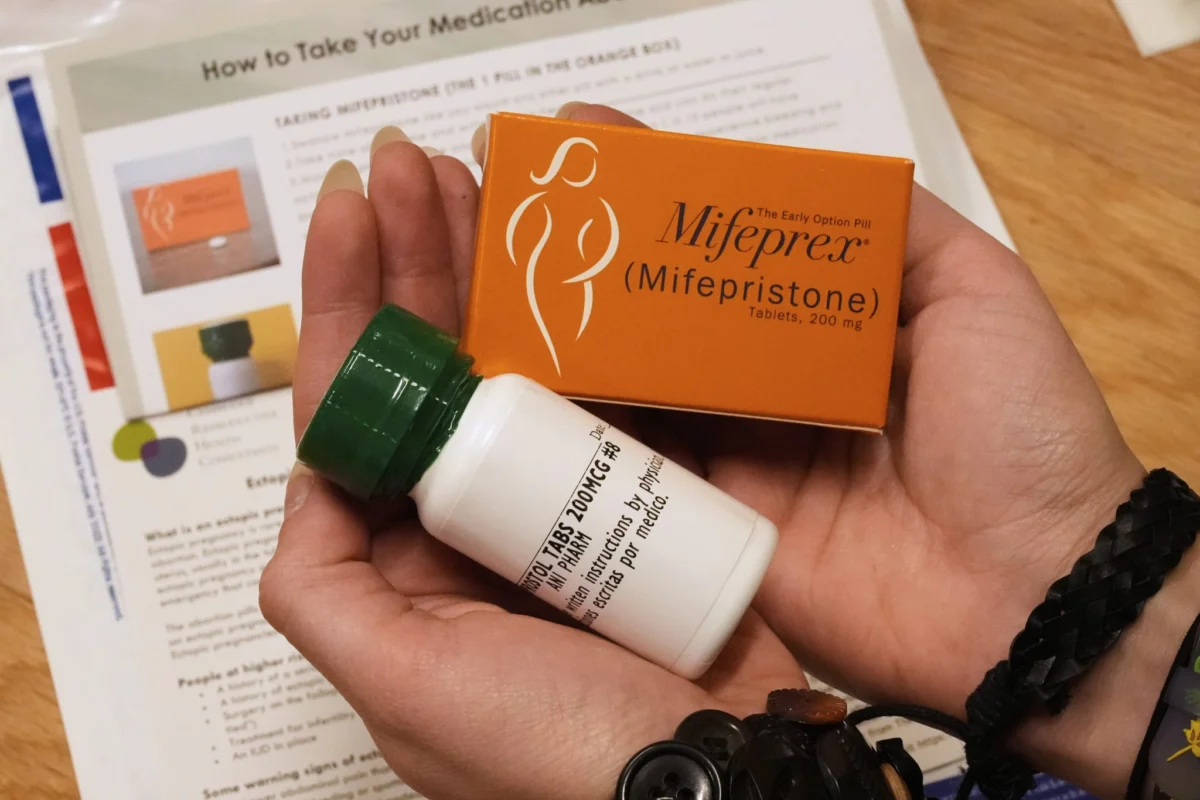
The landscape of reproductive healthcare in the United States faces a period of acute instability following a landmark May 1, 2026, ruling by the 5th U.S. Circuit Court of Appeals. The decision, which threatens to dismantle the infrastructure of telehealth-based medication abortion, has forced an immediate confrontation between federal regulatory authority, state-level abortion bans, and the judicial system. As the Supreme Court considers an emergency appeal, millions of patients and the clinicians who serve them are caught in a state of operational limbo.
The Core Conflict: In-Person Mandates vs. Digital Health
At the heart of the litigation is the delivery method of mifepristone, the primary pharmaceutical agent used in medication abortions. Since the height of the COVID-19 pandemic, the U.S. Food and Drug Administration (FDA) had permitted the drug to be prescribed via telehealth consultations and distributed through the mail. This regulatory shift recognized that mifepristone—which carries a long-standing safety profile—did not require the physical presence of a clinician for administration.
However, the 5th Circuit’s recent ruling effectively strips away this flexibility. By mandating in-person dispensing at physical clinics, the court has prioritized state-level regulatory authority over federal health policy. The ruling centers on a lawsuit brought by the Attorney General of Louisiana, who argued that federal mail-order permissions effectively nullified state-level bans on abortion. The court agreed, ruling that the federal government’s actions created a conflict that undermined state sovereignty.
Chronology of a Legal Crisis
The current turmoil is the culmination of years of escalating legal challenges following the 2022 Dobbs v. Jackson Women’s Health Organization decision.
- 2021–2023: The FDA, under the Biden administration, permanently lifts the in-person dispensing requirement for mifepristone, citing clinical safety data and the necessity of expanding access in a post-Roe landscape.
- Early 2026: The Trump administration directs the FDA to initiate a comprehensive "safety review" of mifepristone. As of May 2026, officials admit that data collection is ongoing and no timeline for completion exists.
- April 2026: A federal district court denies an injunction to stop mail-order access, siding with the FDA’s current regulatory framework.
- May 1, 2026: The 5th U.S. Circuit Court of Appeals reverses the district court’s decision, ordering an immediate halt to mail-order distribution.
- May 2, 2026: Danco Laboratories, the manufacturer of Mifeprex, files an emergency appeal to the U.S. Supreme Court, seeking an immediate administrative stay.
- May 4, 2026: Justice Samuel Alito issues a one-week administrative stay, temporarily preserving current access rules until May 11, 2026, while the Court weighs the appeal.
Supporting Data: The Rise of Medication Abortion
The significance of this legal battle is underscored by the shifting demographics of reproductive care. According to the Guttmacher Institute, medication abortion accounted for 63% of all abortions in the United States in 2023—a significant climb from 53% in 2020.
This trend is not coincidental; it is a direct response to the closure of physical abortion clinics across several states. As clinic-based services have become increasingly difficult to access due to state bans and logistical hurdles, telehealth has emerged as the "safety net" for the American healthcare system. Data suggests that in states with total or near-total abortion bans, patients rely heavily on mail-order prescriptions obtained through out-of-state providers or international channels. The 5th Circuit’s ruling threatens to sever this lifeline, potentially forcing patients to travel hundreds of miles to receive care, thereby compounding the existing disparities in healthcare access for rural, low-income, and marginalized communities.
Official Responses and Judicial Signaling
The judicial response has been deeply divided. The 5th Circuit panel’s opinion leaned heavily on the principle of state-level jurisdiction, arguing that federal agency actions should not preempt local abortion restrictions. Conversely, manufacturers and reproductive rights advocates have warned of "medical chaos."
In its emergency filing, Danco Laboratories emphasized that the sudden reversal of established protocols creates a standard of "immediate confusion and upheaval." The company highlighted the time-sensitive nature of pregnancy termination, noting that any delay caused by legal uncertainty could push a patient past the gestational age limits for medication abortion, effectively denying them the procedure entirely.
Justice Alito’s administrative stay provides only a fleeting reprieve. While it keeps the mail-order system operational until May 11, it is a procedural measure, not a ruling on the merits of the case. Legal experts remain divided on how the Supreme Court—which notably preserved access to mifepristone in 2024—will interpret the intersection of FDA regulatory power and the states’ rights arguments now being presented.
Implications for Telehealth and Clinicians
For the healthcare sector, the ruling presents a nightmare of compliance. Clinicians providing reproductive health services via telehealth are now operating in a state of high-alert.
Operational Challenges
- Prescription Fulfillment: Pharmacies are currently hesitant to fulfill mail-order prescriptions for mifepristone, fearing potential criminal or civil liability if the 5th Circuit ruling is upheld.
- Clinic Capacity: Should the in-person mandate become permanent, the burden will shift entirely to physical clinics, many of which are already operating at or near maximum capacity.
- Liability Risks: Clinicians are being advised to consult with legal counsel regarding "telehealth-to-in-person" referral protocols. If a patient cannot travel to a clinic, does the clinician face liability for providing the prescription?
Recommendations for Providers
Experts in medical law suggest that clinicians should:
- Monitor State Medical Boards: Keep a close eye on state-specific guidance, as medical boards may issue emergency decrees regarding the standard of care for medication abortion.
- Coordinate with Pharmacy Partners: Ensure clear communication with pharmacies to understand their internal policies regarding the distribution of mifepristone during this "stay" period.
- Patient Communication: Proactively inform patients about the potential for service disruptions, ensuring they are aware of the legal uncertainties that may affect their treatment plans.
The Future of Reproductive Autonomy
The ongoing litigation regarding mifepristone is not merely about a single drug; it is a fundamental challenge to the scope of federal authority in the medical field. By questioning whether a federal agency like the FDA has the power to override state-level bans through regulatory permissions, the courts are touching upon a core tenet of the American healthcare system.
If the 5th Circuit’s ruling is upheld, it will signal a decisive shift toward a state-by-state patchwork of care that effectively renders telehealth a non-viable model for reproductive services. For the millions of Americans who rely on these digital pathways, the coming weeks represent a period of profound vulnerability.
As the Supreme Court weighs the arguments, the case serves as a stark reminder that reproductive healthcare is no longer just a matter of clinical practice, but a battleground for constitutional and regulatory supremacy. For now, the medical community remains in a tense holding pattern, waiting to see if the high court will reinforce the FDA’s authority or allow states to effectively shutter the most accessible avenue for medication abortion in the country.