










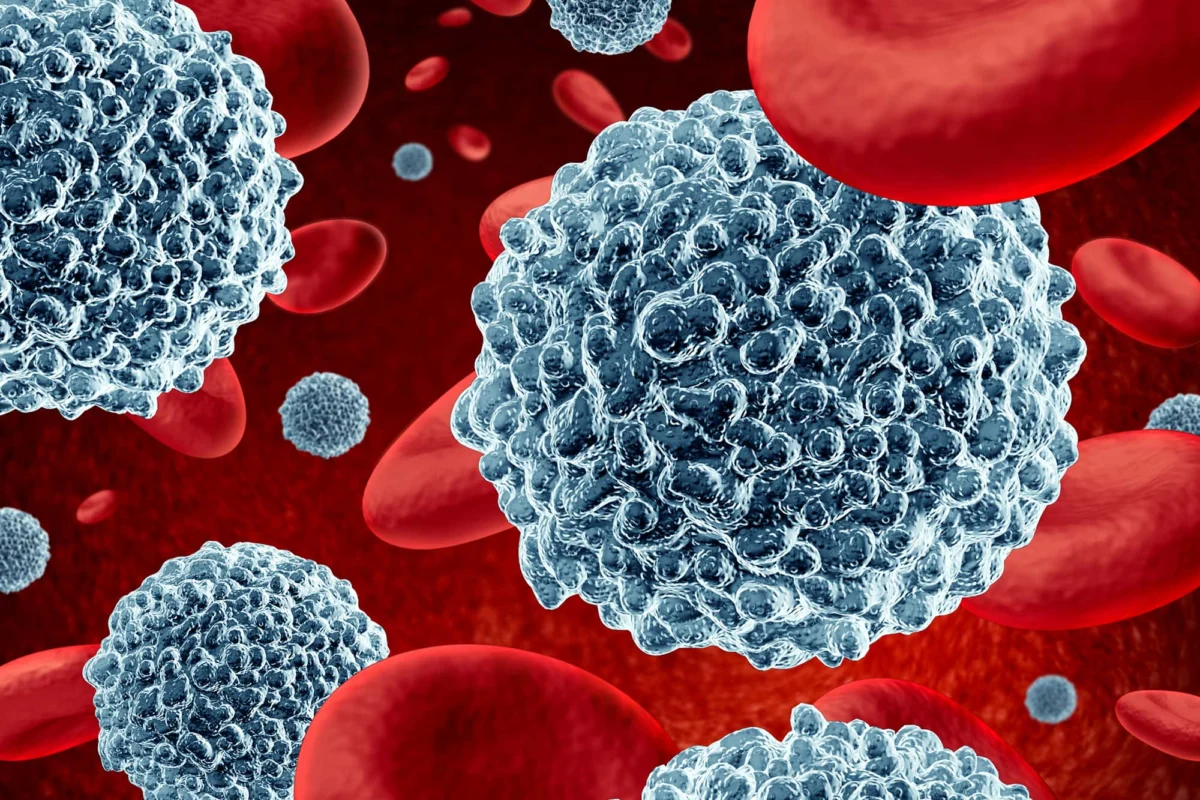
For decades, the medical community has viewed the aging process as an inevitable accumulation of cellular "wear and tear." Central to this narrative is clonal hematopoiesis (CH)—a phenomenon where hematopoietic stem cells in the bone marrow acquire spontaneous mutations over time, leading to the rapid, uncontrolled proliferation of white blood cells. These mutated cells are not merely markers of aging; they are active drivers of inflammation and cardiovascular disease.
However, a groundbreaking study from the Icahn School of Medicine at Mount Sinai, published in the journal Nature, has fundamentally altered our understanding of this process. The research suggests that the trajectory of these genetic mutations is not set in stone. By employing specific lifestyle interventions—namely, consistent physical activity and high-quality sleep—individuals may be able to "reprogram" these rogue cells, effectively neutralizing their ability to trigger arterial plaque and systemic inflammation.
The Core Discovery: Reprogramming Rogue Cells
At the heart of the Mount Sinai study is the finding that healthy lifestyle habits act as a biological regulator for white blood cells carrying mutations in genes such as Jak2, Tet2, p53, and Dnmt3a.
Typically, these mutations cause stem cells to gain a competitive advantage over their healthy counterparts. They proliferate rapidly, creating a population of inflammatory cells that infiltrate the cardiovascular system, contributing to atherosclerosis—the hardening and narrowing of the arteries. The research team discovered that the right environmental cues—specifically exercise and sleep—can inhibit the proliferative programming of these mutated cells.
"We’ve discovered that healthy sleep and exercise can selectively influence immune cells with clonal hematopoiesis mutations, repressing their proliferative programming and expansion," explains Dr. Cameron McAlpine, senior author of the study and associate professor of medicine (cardiology) and neuroscience at the Icahn School of Medicine at Mount Sinai. By dampening the "inflammatory signals" sent by these cells, the body can essentially force mutated stem cells to behave like their healthy, non-mutated neighbors.
Chronology of the Research
The path to this discovery was multifaceted, blending large-scale human population data with high-precision laboratory modeling.
Phase I: Large-Scale Human Observation
The researchers began by analyzing longitudinal data from two massive cohorts: nearly 83,000 participants from the UK Biobank and 8,404 participants from the National Institutes of Health’s All of Us research program. By correlating self-reported lifestyle data—specifically sleep quality and physical activity levels—with genetic sequencing of blood samples, the team identified a clear trend: individuals who engaged in regular moderate-to-vigorous physical activity and maintained consistent sleep patterns showed a significantly lower burden of clonal hematopoiesis.
Phase II: Mechanistic Validation
To move from correlation to causation, the team utilized mouse models to observe how specific mutations in genes like Jak2 and Tet2 reacted to environmental stressors. By manipulating the mice’s sleep cycles and exercise levels, researchers observed the immediate physiological impact on bone marrow stem cells. They found that sleep deprivation and physical inactivity acted as "accelerants" for clonal expansion, while regulated activity and rest acted as "brakes."
Phase III: Pathway Identification
The final stage of the study involved mapping the molecular pathways. The team focused on macrophages—immune cells responsible for clearing debris and fighting infection. They discovered that in the presence of a Jak2 mutation, these macrophages become hyper-inflammatory. The researchers successfully identified that sleep regulates these cells via the CLEC4E signaling pathway, while exercise influences them through sympathetic nervous system signaling (ADRB2).
Supporting Data and Statistical Significance
The scale of the Mount Sinai study provides robust evidence for the link between lifestyle and cellular health.
- Prevalence: Clonal hematopoiesis is surprisingly common, detectable in approximately 25% of individuals over the age of 70 and jumping to 50% in those over 80.
- The Protective Effect: The data showed that moderate-to-vigorous exercise was consistently associated with a reduced incidence of gene-specific CH.
- Atherosclerotic Impact: Beyond just the number of mutant cells, the study quantified the functional impact on heart health. The lifestyle interventions significantly reduced the size of arterial lesions, suggesting that even if some mutations remain, their capacity to cause catastrophic cardiovascular events is drastically curtailed.
Official Responses and Expert Commentary
The scientific community has lauded the study for bridging the gap between molecular genetics and behavioral medicine.
Dr. Teresa Gerhardt, the study’s lead author and a postdoctoral fellow at Mount Sinai, emphasized the transformative nature of the findings in a press release: "Significantly, we found that a healthy lifestyle can mitigate CH clonal expansion and the atherosclerotic consequences of CH mutations, making mutant cells behave like healthy, nonmutated cells."
Dr. McAlpine’s team is now looking toward the future, shifting their focus from basic research to therapeutic application. "The malleability of CH mutant cells means we can harness new signaling pathways to shut off the detrimental proliferative and inflammatory functions of those cells," he noted. The goal is to develop targeted therapeutics that can mimic the protective effects of exercise and sleep, specifically for patients who may have physical limitations preventing them from engaging in traditional exercise programs.
Clinical Implications: The Future of Preventive Cardiology
The implications of this research are profound for the field of preventive cardiology. For years, medicine has focused on treating the symptoms of cardiovascular disease—high cholesterol, hypertension, and arterial plaque. This study introduces the concept of "genomic-lifestyle medicine," where clinicians might soon be able to:
1. Tailored Risk Assessment
By screening for specific mutations like Jak2 and Tet2 in seniors, doctors could identify individuals at high risk for "accelerated" aging. These patients could then receive personalized lifestyle prescriptions that are specifically designed to suppress those particular genetic drivers.
2. Moving Beyond "General Advice"
While "eat better and exercise more" has long been the standard advice for heart health, this study provides a concrete, cellular-level reason for why these habits are critical. It moves the conversation from general wellness to precise biological management.
3. Therapeutic Synergy
The researchers are currently investigating how to modulate the signaling pathways (like CLEC4E and ADRB2) through pharmacology. If a patient is unable to achieve the required level of sleep or exercise due to chronic illness, a drug that mimics these signaling pathways could potentially offer a similar level of protection against the inflammatory effects of CH.
Conclusion: A New Era of Biological Agency
The findings from Mount Sinai serve as a powerful reminder of the body’s inherent plasticity. While genetic mutations may be an inevitable part of the aging process, they are not necessarily a death sentence for cardiovascular health.
By understanding the molecular dialogue between our lifestyle choices and our genetic expression, we can exert a surprising degree of control over our internal environment. The ability to "turn off" the detrimental effects of mutated stem cells through the simple, accessible interventions of sleep and exercise represents a paradigm shift in how we approach aging. As the researchers continue to map these pathways, the prospect of managing—or even silencing—the genetic triggers of heart disease is moving from the realm of theory into the reality of modern clinical practice.
For the aging population, the message is clear: the path to longevity is not just about avoiding disease, but about actively managing the cellular environment to ensure that even when our genes go off-track, our lifestyle can guide them back to a healthier state.