
For many parents, the nightly battle to get a teenager to turn off the lights and put away their phone feels like a losing struggle. However, new research suggests that this nightly standoff is about far more than just morning grumpiness. A groundbreaking study from the Penn State College of Medicine has unveiled a concerning correlation: adolescents who maintain late bedtimes and irregular sleep schedules are significantly more likely to develop poor dietary habits and sedentary lifestyles, setting the stage for long-term health complications.
As the boundary between academic pressure and digital distraction continues to blur, the biological realities of the teenage brain are colliding with the rigid schedules of modern society. The result is a generation of "night owls" whose internal clocks are working against their physical health.
The Core Findings: A Cascade of Unhealthy Habits
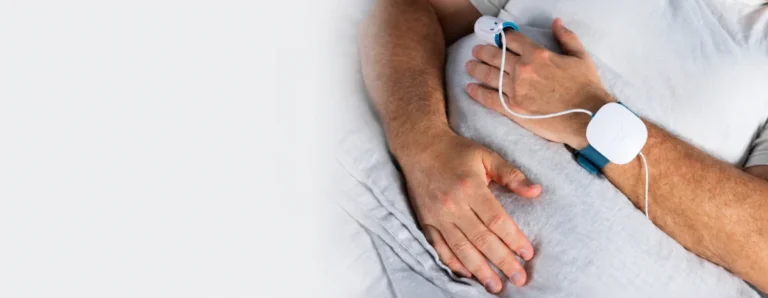
Published in the journal Sleep Health, the research—which followed 373 adolescents from the long-running Penn State Child Cohort—offers a precise look at how sleep timing dictates lifestyle. Researchers tracked participants aged 12 to 23 (average age 16.4) using a combination of high-tech wrist-worn wearables, detailed self-reported surveys, and clinical in-lab sleep assessments.
The data revealed a clear pattern: teens who consistently went to bed after midnight and woke up after 8 a.m. were consuming a higher total number of calories, with a specific predilection for carbohydrates. Beyond the caloric increase, these "late-shift" sleepers were markedly more sedentary.
The mechanism behind this is twofold. First, by sleeping in, many teens inherently skip breakfast, the day’s most metabolically stabilizing meal. This leads to a compensatory behavior: late-night snacking. These nocturnal snacks are rarely healthy, often consisting of processed foods high in sugar and fat, which are consumed when the body’s metabolism is least equipped to process them efficiently. Furthermore, teens with highly variable sleep schedules—those who fluctuated between short nights and "catch-up" long mornings—showed significantly lower levels of physical activity across the board.
The Chronology of a Disrupted Internal Clock
To understand why this is happening, one must look at the human circadian rhythm. The body’s internal clock is not merely a "sleep switch"; it is a master regulator of metabolic processes, hunger hormones, and the physical desire for movement.
The Biological Shift
During the onset of adolescence, a fundamental biological shift occurs. Research has consistently shown that the circadian rhythm of a teenager naturally delays, effectively pushing their biological bedtime and wake-up time later. This is not an act of defiance or laziness; it is a physiological development.
The School-Year Conflict
The Penn State study found that the negative impacts of late sleep were twice as potent during the school year. The conflict arises when a teenager’s biology demands a 1 a.m. sleep onset, but the school bus arrives at 7 a.m. This mismatch triggers a "social jetlag" effect. During the school year, this forced early wake-up time creates a cycle of sleep deprivation, which researchers found directly fuels the urge for quick-energy snacks and reduces the motivation for physical activity.
The Holiday Paradox
Interestingly, the study noted that while the connection between sleep and unhealthy eating weakened slightly during school breaks, it did not disappear. Even when the pressure of early school starts was removed, the habit of late-night snacking persisted, suggesting that once the body becomes accustomed to a nocturnal rhythm, the metabolic and behavioral consequences become deeply ingrained.
Supporting Data: A Growing Epidemic of Exhaustion
The numbers surrounding adolescent sleep are, by all accounts, alarming. According to data cited by the American Academy of Sleep Medicine (AASM), approximately 78% of high school students and 34% of middle school children fail to meet the recommended sleep duration on an average school night.
The AASM explicitly recommends that teenagers aged 13 to 18 should receive 8 to 10 hours of sleep per night to support optimal physical and mental development. When students consistently fall short of this target, the implications ripple outward:
- Metabolic Impact: Chronic sleep deprivation is linked to higher rates of obesity and type 2 diabetes.
- Cardiovascular Health: Inadequate rest is associated with elevated blood pressure and markers of cardiovascular stress.
- Behavioral and Cognitive Deficits: Sleep-deprived teens struggle with executive function, memory retention, and emotional regulation.
- Safety Risks: Drowsy driving remains a leading cause of accidents among teenage drivers, a risk factor exacerbated by early school start times.
Official Responses and the Call for Reform
The medical community is increasingly vocal about the need for structural change. The AASM has formally recommended that middle and high schools start no earlier than 8:30 a.m. to better align with the biological needs of adolescents.
Public support for this shift is robust. Recent polling indicates that 54% of Americans believe current school start times are too early for teenagers, and a staggering 90% of parents report that early start times directly impair their child’s ability to get enough sleep.
Despite this, the implementation of "later start" policies faces significant logistical hurdles, including bus scheduling, athletic program conflicts, and parental work schedules. However, the advocates for change argue that these inconveniences pale in comparison to the long-term health outcomes of a sleep-deprived generation. As noted by the researchers at Penn State, the systemic failure to accommodate adolescent biology is a public health oversight that needs immediate correction.
Implications: The Path Forward
The implications of this study are clear: addressing the "teen sleep crisis" is not just about getting kids to bed on time; it is about recognizing that sleep is the foundational pillar of health, diet, and physical fitness.
Strategies for Parents and Caregivers
While systemic change in education remains a long-term goal, parents can take immediate steps to mitigate the damage. The Penn State research team emphasizes the following strategies:
- Prioritize Regularity: Focus on a consistent wake-up time, even on weekends, to stabilize the circadian rhythm.
- Environmental Controls: Reduce blue light exposure from screens in the hour before bed to facilitate the natural production of melatonin.
- Nutritional Boundaries: Implement "kitchen closed" policies in the evening to discourage the high-calorie, late-night snacking that replaces nutrient-dense breakfast options.
- Physical Motivation: Encourage physical activity in the afternoon to help "prime" the body for sleep later in the evening.
A Community-Wide Effort
The AASM is taking a proactive stance through initiatives like Student Sleep Health Week, scheduled for September 2026. These programs aim to educate both parents and students on the science of sleep, providing the tools necessary to break the cycle of exhaustion.
Ultimately, the goal is to shift the narrative around adolescent sleep. Instead of viewing the "night owl" phase as a behavioral issue, society must recognize it as a biological reality that requires empathy, structural adjustments, and a renewed focus on hygiene.
As we look toward the future, the integration of sleep science into public health policy is paramount. If we can successfully align our social structures with the developmental needs of our youth, we may see a decline in the metabolic and mental health issues currently plaguing the adolescent population. The evidence provided by the Penn State College of Medicine serves as a wake-up call: it is time to stop fighting the clock and start working with it. By fostering healthier sleep, we are not just helping teens get to school on time—we are helping them live healthier, more vibrant lives.
Medical review by Ahmed Saleh, MD. For further resources and information on establishing healthy sleep habits, visit the AASM Student Sleep Health portal.