











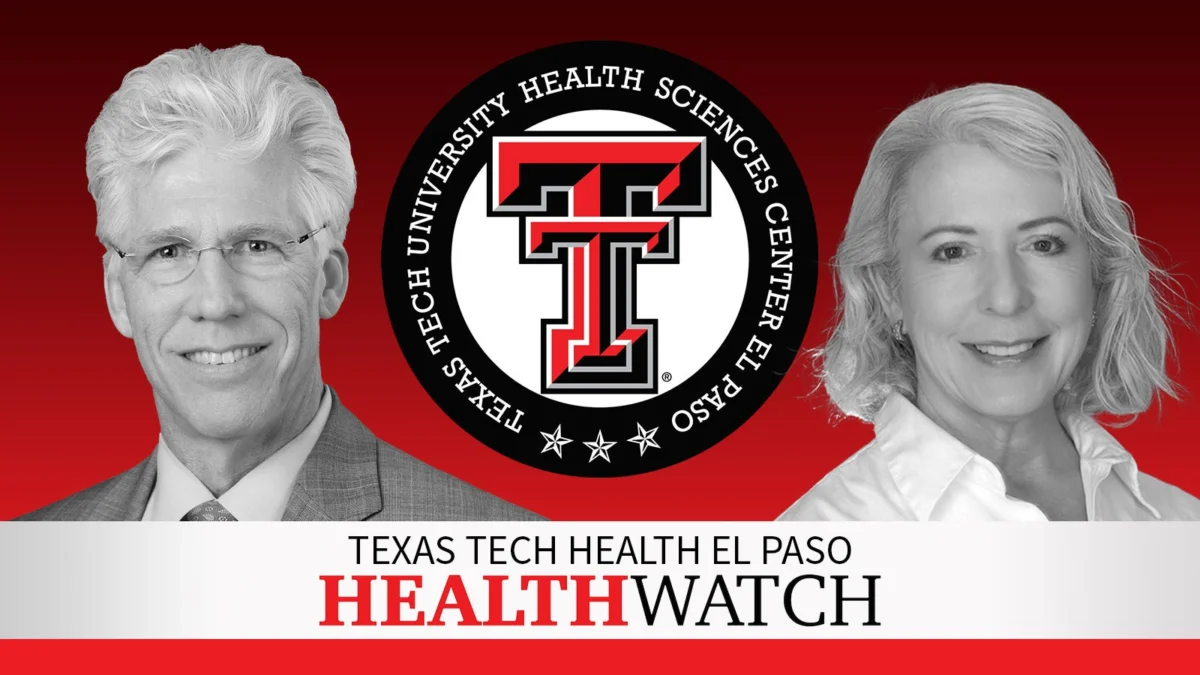
In the rapidly evolving landscape of modern medicine, staying abreast of the latest clinical research is essential for both practitioners and the public. Each week, TTHealthWatch—a collaborative podcast produced by the Texas Tech University Health Sciences Center—bridges the gap between complex peer-reviewed literature and practical clinical application.
Hosted by Elizabeth Tracey, director of electronic media for Johns Hopkins Medicine, and Dr. Rick Lange, president of Texas Tech Health El Paso, the program dissects top-tier medical studies. This week’s session tackles a diverse range of topics: the emerging molecular mechanisms behind inflammatory bowel disease (IBD), the fiscal and clinical impact of insulin price caps, the long-term metabolic benefits of weight-loss interventions, and the complex relationship between postoperative delirium and cognitive decline.
The Molecular Roots of Inflammatory Bowel Disease (IBD)
For decades, the medical community has recognized the presence of autoantibodies in patients with Inflammatory Bowel Disease (IBD), yet their precise role in the disease’s pathogenesis remained largely elusive. A recent study published in the New England Journal of Medicine has provided a significant breakthrough, identifying a specific molecular mechanism that links these autoantibodies to the condition.
A New Paradigm
Dr. Rick Lange highlights this study as a landmark discovery. "This is the first established, common molecular mechanism of IBD," he notes. The research draws parallels to rare, inborn errors of metabolism in children who lack interleukin-10—a vital anti-inflammatory cytokine. When this cytokine is absent, inflammatory markers surge, leading to intestinal damage.
Researchers hypothesized that a similar mechanism might be at play in a subset of adults. By analyzing 4,900 patients with IBD and 1,000 control subjects, they identified that approximately 3.5% of adult IBD patients possess autoantibodies that neutralize interleukin-10. Genetic analysis further revealed that carriers of a specific allele are 35 to 50 times more likely to develop these autoantibodies than the general population.
Clinical Implications
While this discovery currently applies to a small percentage of IBD patients, its implications are profound. It suggests that B-cell depletion therapies or plasma exchange, which remove these harmful antibodies, could offer targeted relief for this specific cohort. Furthermore, this "bench-to-bedside" success story opens the door to investigating whether other autoantibodies are driving different inflammatory conditions, potentially leading to more personalized treatment protocols.
The Economics of Care: Insulin Price Caps
Healthcare affordability remains a critical determinant of patient outcomes. In a recent analysis published in JAMA, researchers evaluated the real-world impact of the Inflation Reduction Act’s provision that capped out-of-pocket insulin costs at $35 per 30-day supply for Medicare beneficiaries.
Data and Utilization Trends
The study examined a cohort of nearly 3 million insulin users. Findings indicated that the cap resulted in a 48% relative reduction in out-of-pocket costs for the average user, dropping from approximately $23 to $18. Crucially, the policy significantly boosted adherence, persistence, and prescription filling among those who previously faced the highest baseline costs.
The Broader Burden of Chronic Disease
Dr. Lange emphasizes that insulin is rarely the only medication required for patients with type 2 diabetes. With a median of five prescriptions per patient—and 11% of patients managing more than 10 drugs—the financial toxicity of chronic care is staggering. While the $35 cap saved beneficiaries an estimated $170 million in 2024 alone, both Tracey and Dr. Lange argue that expanding these caps to cover the entire spectrum of diabetes management and other life-saving medications is essential to preventing long-term complications.
Lifestyle Interventions and Metabolic Longevity
A common frustration in obesity management is the "yo-yo" effect: patients lose weight, only to regain it months or years later. However, new research published in Circulation suggests that the physiological benefits of weight-loss interventions may persist even after weight is regained.
Visceral Fat as the Primary Target
The study utilized MRI scans to track fat distribution in patients five and 10 years after they engaged in lifestyle-based weight-loss programs. The findings were encouraging: even among those who regained weight, there was a durable reduction in visceral adipose tissue—the dangerous fat stored around internal organs.
The data revealed that a 10% reduction in visceral fat correlates with a nearly 30% reduction in the risk of developing type 2 diabetes, independent of total weight maintenance. This suggests that the metabolic "memory" of lifestyle interventions is tied more closely to the reduction of visceral fat than to the total number on the scale.
Long-Term Benefits
These results reinforce the value of encouraging patients to pursue diet and exercise, even if they struggle with long-term weight maintenance. "It’s nice to know that these lifestyle-induced, moderate weight loss interventions can yield long-lasting metabolic benefits," Dr. Lange observes. While the medical field has yet to find a way to selectively "target" visceral fat, the cumulative impact of such interventions remains a cornerstone of cardiometabolic health.
Delirium and the Cognitive Trajectory of Older Adults
Postoperative delirium is a frequent and distressing complication for older adults undergoing elective surgery, and it is a known predictor of future cognitive impairment. A study in JAMA Internal Medicine sought to determine if recurrent hospitalizations act as the primary mediator between delirium and cognitive decline.
Challenging the Hypothesis
The study followed 560 community-dwelling older adults over a five-year period. Researchers monitored incident delirium and repeated cognitive testing 10 times throughout the study. Contrary to their central hypothesis, the data showed that rehospitalization did not fully mediate the association between delirium and long-term cognitive decline. In other words, while patients who experienced delirium were more likely to be hospitalized, the delirium itself appeared to be an independent driver of cognitive deterioration rather than a mere consequence of the hospital environment.
A Call for Comprehensive Prevention
The findings suggest that the medical community needs to rethink its approach to perioperative care. Dr. Lange notes that while current preventive strategies—such as early mobilization, medication simplification, and improved care transitions—can prevent delirium in 30% to 40% of cases, more must be done.
The editorial consensus accompanying the study suggests that "rehospitalization" may be too narrow a metric to measure frailty. Instead, clinicians must focus on:
- Comprehensive Geriatric Assessments: Identifying patients at risk before surgery.
- Post-Acute Care Coordination: Ensuring that the transition from hospital to home supports cognitive health.
- Proactive Delirium Prevention: Utilizing non-pharmacological interventions to reduce the incidence of confusion in the hospital setting.
Conclusion: The Path Forward
The topics covered in this week’s TTHealthWatch illustrate the interconnectedness of modern medical research. Whether it is identifying the molecular origins of autoimmune diseases, alleviating the financial burden of chronic medication, understanding the long-term physiological impact of lifestyle changes, or unraveling the complexities of geriatric cognitive health, these studies underscore the importance of precision medicine.
As Dr. Lange concludes, the goal of these investigations is to move beyond reactionary medicine. By understanding the underlying mechanisms of disease and the systemic barriers to care, clinicians can provide more effective, compassionate, and durable treatment plans for their patients. For the public and practitioners alike, these insights serve as a roadmap for making informed, healthy choices in an increasingly complex medical environment.