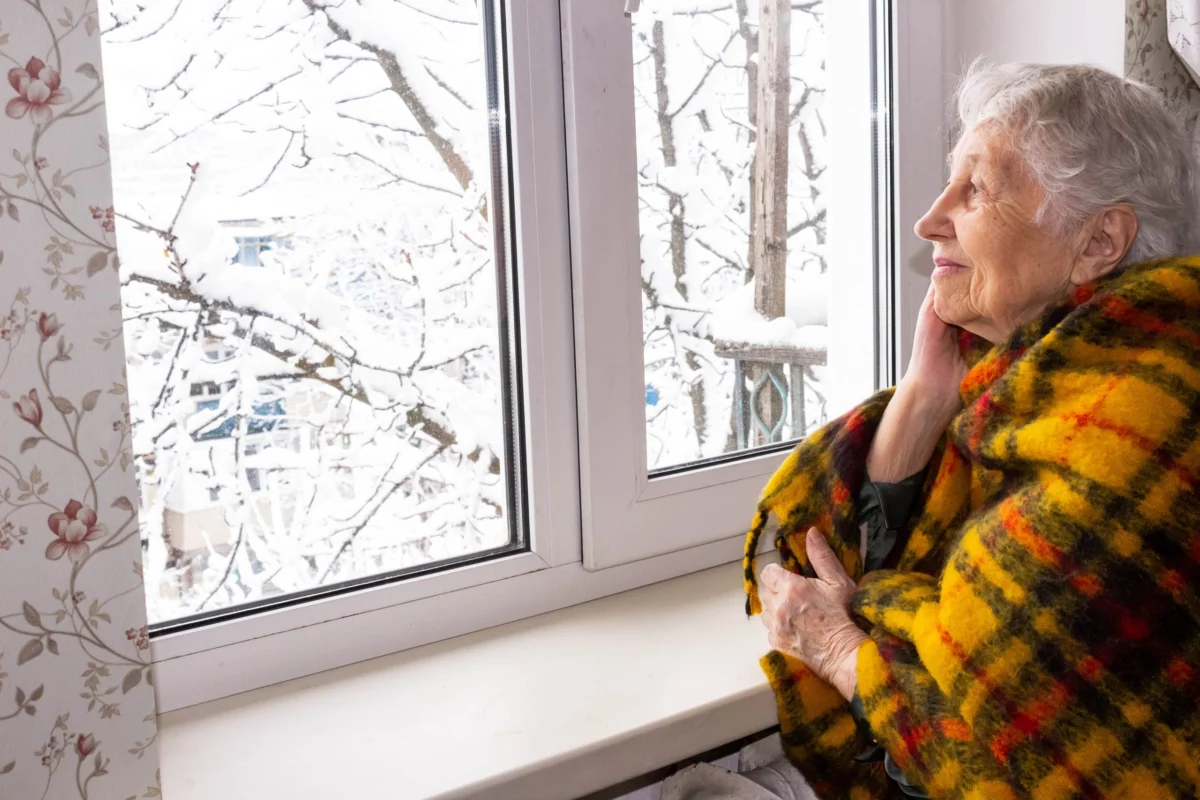
As a massive winter weather system bears down on the United States, an estimated 200 million people across 35 states are preparing for a weekend defined by sub-zero temperatures, heavy snowfall, and treacherous ice. For many, the approach of a winter storm brings a sense of nostalgia—memories of sledding hills and neighborhood snowball fights. However, for the aging population, these meteorological shifts necessitate a transition from nostalgic play to pragmatic, life-saving preparation.
As we age, our physiological response to cold changes. The body becomes less efficient at regulating internal temperatures, and the risk of injury—from slips on ice to cardiovascular strain—increases significantly. Ensuring safety during these events requires a shift in perspective: prioritizing health over the aesthetics of a clear driveway or the convenience of a quick trip to the grocery store.
The Meteorological Reality: A Nationwide Impact
The current weather pattern is one of the most widespread events of the season, spanning from the Great Plains to the Atlantic Seaboard. Meteorologists are warning that the combination of "flash freezing" and heavy accumulation poses a significant threat to infrastructure and public health.
For older adults, the primary concern is not merely the storm itself, but the disruption it causes to daily life. When power grids are strained and roads become impassable, the vulnerability of those living alone or with mobility limitations becomes acute. Staying indoors is the primary line of defense, but staying indoors effectively requires a proactive, rather than reactive, approach.
Chronology of Preparation: The 72-Hour Window
Experts recommend a "pre-flight check" for the home, ideally beginning 72 hours before the first flakes fall.
Phase 1: The Pre-Event Inventory (72–48 Hours Out)
Begin by auditing your home’s essential supplies. This is not just about having "snow day snacks," but ensuring that medical and logistical needs are met.
- Medication Management: Ensure you have at least a two-week supply of all prescription medications. Do not rely on local pharmacies being open during the peak of the storm.
- Nutrition and Hydration: Stock up on non-perishable food items that require minimal preparation. Focus on nutrient-dense, shelf-stable goods.
- Communication: Ensure your mobile devices are fully charged and that you have a backup battery bank. Keep a hard-copy list of emergency contacts in a visible location.
Phase 2: The Home Hardening (48–24 Hours Out)
- Heating Systems: Verify that your furnace or heating system is functioning correctly. If you use space heaters, ensure they are at least three feet away from flammable materials and are plugged directly into a wall outlet, not an extension cord.
- Lighting: In the event of a power outage, have flashlights—not candles—readily available. Ensure you have fresh batteries.
Phase 3: The Lockdown (24 Hours Out)
- Clear the Path: If you must have a clear path to your mailbox or driveway, arrange for professional assistance or a trusted neighbor to handle this before the snow arrives. Avoid the temptation to do it yourself once the storm begins.
Supporting Data: Why Age Matters in Cold Exposure
According to the National Institute on Aging, the risks associated with cold weather are not merely anecdotal; they are backed by physiological data.
- Reduced Subcutaneous Fat: As we age, the layer of fat under the skin thins, making it harder for the body to retain heat.
- Metabolic Changes: A slower metabolism means the body produces less heat, increasing the risk of hypothermia—a condition where the body temperature drops below 95°F.
- Cardiovascular Strain: Cold air causes blood vessels to constrict, which raises blood pressure and forces the heart to work harder. This is why medical professionals observe a spike in cardiac events during and immediately following heavy snow-shoveling sessions.
Official Guidance: Best Practices for Cold Weather Safety
Health organizations and the Alliance for Aging Research emphasize five key pillars of safety for the elderly during severe winter weather.
1. Plan Ahead to Avoid Unnecessary Travel
The golden rule of winter safety is simple: if you don’t have to go out, don’t. Hazardous road conditions are the leading cause of winter-related trauma. Use the time before the storm to consolidate all errands. If you rely on public transportation, check for service suspensions well in advance.
2. Dress for Thermal Regulation
If you must venture outdoors, the "layering" principle is essential.
- The Base Layer: Wear moisture-wicking materials rather than cotton, which holds moisture against the skin and accelerates cooling.
- The Insulation Layer: Fleece or wool provides the best heat retention.
- The Outer Shell: A windproof and waterproof coat is non-negotiable.
- Extremities: Always cover your head and neck. A significant amount of body heat is lost through the head, and protecting the neck prevents cold air from entering your clothing layers.
3. The "Shoveling Caution" Mandate
Snow shoveling is a high-intensity, high-risk activity. The combination of lifting, pushing, and cold air is a "perfect storm" for cardiac strain. Before deciding to shovel:
- Consult Your Physician: If you have a history of heart disease, hypertension, or joint issues, you should generally avoid shoveling entirely.
- Know the Warning Signs: Chest pain, shortness of breath, dizziness, or lightheadedness are immediate indicators to stop. Do not "push through" these symptoms.
- Prioritize Health: Remember that a clean driveway is not worth a medical emergency. If you feel compelled to clear your walk, hire a neighborhood teen or a professional service.
4. Smart Shoveling Techniques (If You Must)
If you are cleared by your doctor to shovel, use biomechanically sound techniques to minimize injury:
- Warm Up: Spend five minutes doing light stretches inside the house to prepare your muscles.
- The "Push, Don’t Lift" Rule: Whenever possible, push the snow to the side rather than lifting it.
- Ergonomic Equipment: Use a lightweight, ergonomic shovel with a curved handle to reduce the strain on your lower back.
- Small Loads: Only lift small amounts of snow. If the snow is heavy or wet, it is significantly denser and harder on the body.
5. Limit Exposure
Hypothermia can set in faster than many realize, especially if you are wearing damp clothing. Even if the temperature seems manageable, the wind chill factor can drastically reduce your body temperature. Limit any outdoor activity to short durations and return to a warm environment immediately if you start to feel numb or sluggish.
Implications: The Long-Term Perspective
The implications of these winter events extend beyond the immediate weekend. For many older adults, a fall or a cold-related illness during the winter can lead to a long recovery period and a loss of independence.
By reframing winter safety as a proactive strategy—rather than a reaction to the weather—seniors can maintain their health and well-being. This involves a shift in community responsibility as well; neighbors and family members should check in on elderly residents during these periods. A simple phone call or a text to ensure they have adequate heating and food can make the difference between a safe season and a tragic one.
Winter weather does not have to mean winter injuries. By practicing vigilance, preparation, and, most importantly, knowing your own physical limits, the elderly can navigate the coldest months with confidence. When in doubt, always choose the safer option. Your health is the most valuable asset you have, and no snowfall is worth risking it.
Katie Riley serves as the Vice President of Communications at the Alliance for Aging Research, providing advocacy and education to improve the health and independence of older Americans.