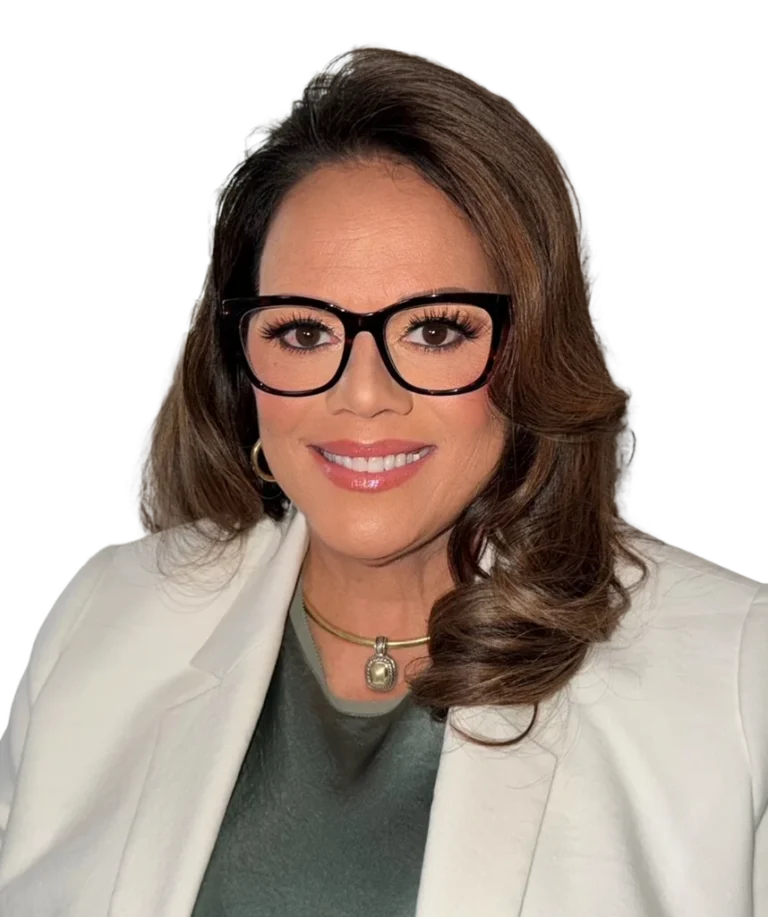
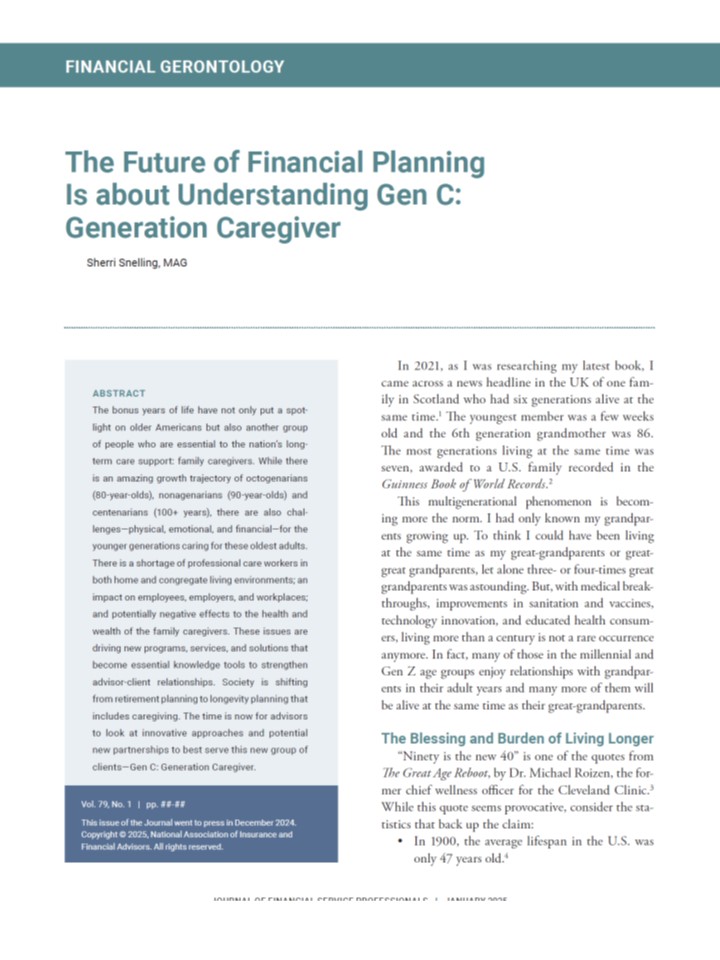
In her influential book, Me Time Monday, corporate gerontologist Sherri Snelling outlines the "7 Wellness Elements"—a framework designed to restore balance and joy to the chaotic lives of modern caregivers. Among these seven pillars, none is perhaps as critical, yet as frequently neglected, as financial wellness. As the demographic known as the "Sandwich Generation"—or "Gen C" (Generation Caregiver)—finds itself squeezed between the escalating costs of raising children and the surging expenses of eldercare, the need for a new approach to money management has become a societal imperative.
The Financial Squeeze: Understanding the Sandwich Generation
The Sandwich Generation refers to adults who are simultaneously caring for their aging parents while supporting their own children. This dual-dependency creates a unique and precarious financial landscape. For many, the "caregiving penalty" is real: time spent out of the workforce to manage medical appointments, legal affairs, and daily caregiving duties often results in diminished Social Security contributions, missed retirement savings opportunities, and stagnant career growth.
Financial resiliency is no longer a luxury; it is a defensive strategy. Without proactive planning, the compounding costs of long-term care, home health aides, and medical emergencies can threaten the household’s stability for decades to come.
A Chronology of Financial Gerontology
The study and application of financial gerontology—the intersection of human aging and fiscal planning—has gained significant momentum in recent years. This field, which integrates the biological, psychological, and sociological aspects of aging with the complexities of finance, has moved from an academic niche to a necessary component of modern wealth management.

The Influence of Neal Cutler
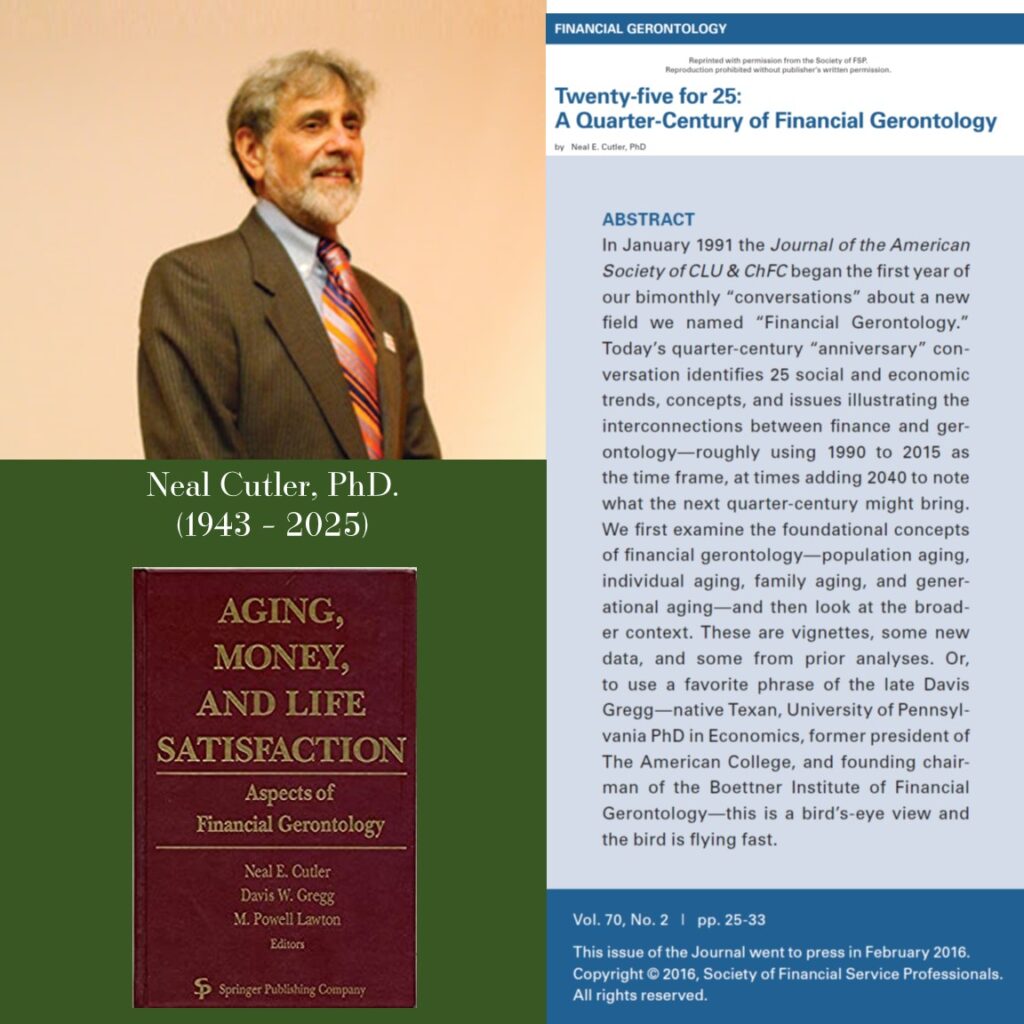
A pivotal figure in this evolution was the late Dr. Neal Cutler. A renowned professor at the University of Southern California (USC), Dr. Cutler was a mentor to many, including Sherri Snelling. Their professional collaboration began during their work with the Motion Picture & Television Fund and continued through a long-standing partnership on a financial gerontology column for the Journal of Financial Service Professionals.
Following her academic pursuit of a Master’s degree in Gerontology at USC, Snelling joined Dr. Cutler to bridge the gap between abstract aging research and practical financial advisory. Their work focused on helping financial professionals understand the "four lenses" of aging: population, individual, family, and generational. Even after Dr. Cutler’s passing in late 2025, his legacy continues through the ongoing commitment to educating the financial industry on the realities of the longevity economy.
Supporting Data: The Cost of Care
The financial burden on caregivers is supported by sobering statistics that underscore the need for institutional change.
- Out-of-Pocket Costs: According to AARP studies, the average family caregiver spends thousands of dollars annually on out-of-pocket costs related to caregiving—money often diverted from retirement savings or college funds.
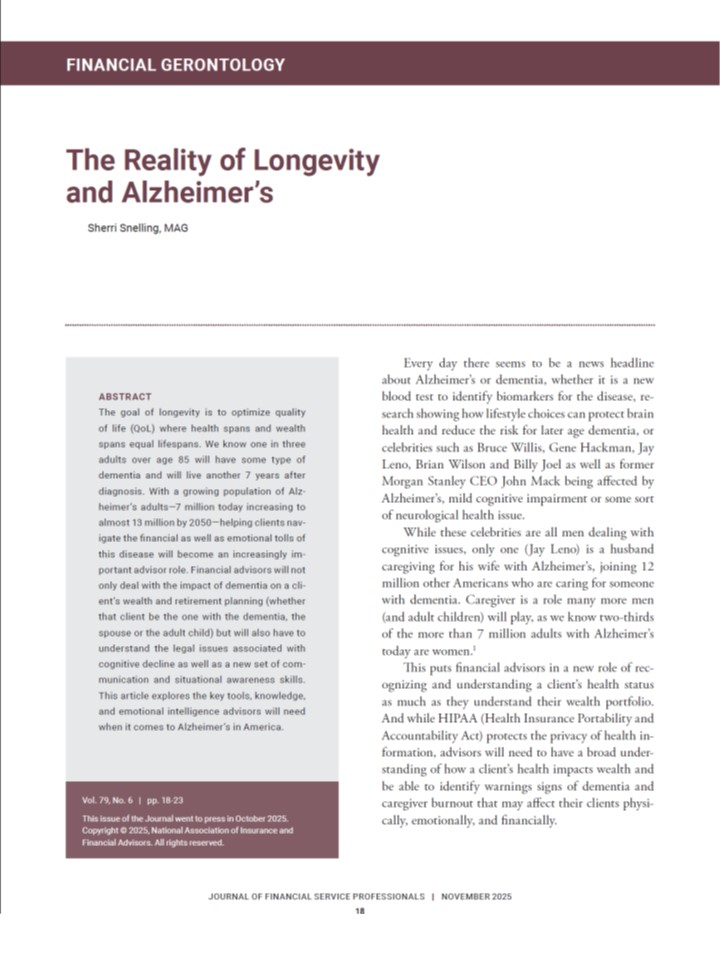
- The Longevity Factor: As life expectancy increases, the "wealthspan"—the amount of money needed to sustain an individual through a longer life—must be recalculated. This is particularly difficult when managing Alzheimer’s or other chronic conditions that require intensive, long-term support.
- Fragmented Systems: Current data suggests that the lack of a centralized long-term care infrastructure forces families to navigate a "piecemeal" system, where they often pay a premium for lack of coordination.
Official Perspectives: The Role of the Financial Gerontologist
What exactly does a financial gerontologist do? Unlike a traditional financial advisor who might focus primarily on portfolio performance, a financial gerontologist considers the entire human lifespan. They integrate the "BioPsychoSocial" model—biology (health status), psychology (cognitive function and emotional needs), and sociology (family dynamics)—to create a roadmap for a client’s wealth.
Why Expert Advice is Non-Negotiable
"Preparing and planning for the care of older loved ones is the most effective way to keep the sandwich generation out of poverty," notes Sherri Snelling. "It is never too early or too late to initiate long-term care plans. By working with a credentialed financial gerontologist, families can navigate these turbulent waters with a focus on longevity, healthspan, and wealthspan rather than just product sales."
This approach is increasingly being adopted by major institutions. For example, Bank of America’s partnership with the USC Leonard Davis School of Gerontology to offer specialized training to employees highlights a growing recognition that financial literacy must be paired with an understanding of the aging process.
Implications: Building a "Joyconomy"
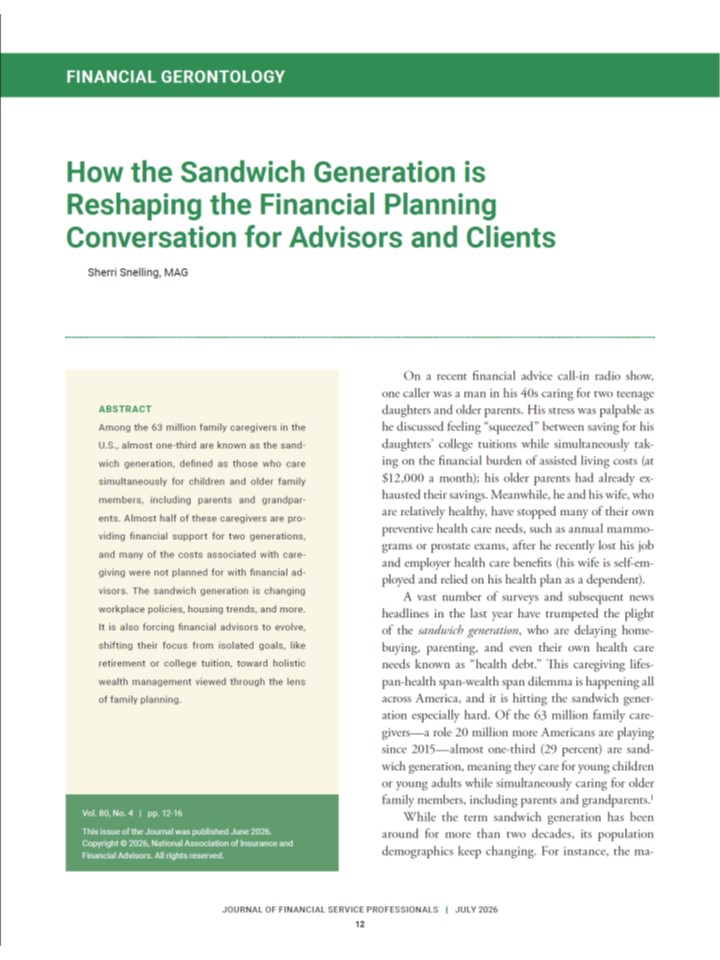
The implications of failing to plan are profound, but the benefits of proactive management go beyond mere bank account balances. Snelling introduces the concept of the "Joyconomy"—a system where financial planning is done with the intent to protect one’s time and capacity for joy, rather than just surviving the caregiving years.
Strategies for Financial Resiliency
To achieve this, the following steps are recommended:

- Early Intervention: Do not wait for a medical crisis to discuss finances with aging parents. Legal documents, such as Power of Attorney and Advance Directives, should be finalized while the parent is still cognitively capable.
- Utilizing Specialized Resources: Leverage white papers and webinars from industry leaders. For instance, the projects developed by Snelling for Wells Fargo’s First Clearing Financial Advisor Group provide frameworks for advisors to better serve the sandwich generation.
- Self-Care as Financial Strategy: Using the "Me Time Monday" model, caregivers are encouraged to reclaim seven minutes a day to focus on their own wellness. Stress-induced health issues are a hidden financial cost; prioritizing mental and physical health is a form of risk management.
Frequently Asked Questions (FAQs)
What is the distinction between a financial advisor and a financial gerontologist?
A standard financial advisor focuses on asset management, tax strategy, and investment growth. A financial gerontologist adds a layer of expertise regarding the aging process. They understand how cognitive decline impacts financial decision-making, the specific costs associated with long-term care facilities, and how family dynamics shift when a parent requires care.
How does one find a qualified professional?
While "financial gerontology" is not yet a standardized degree, consumers should look for professionals who hold certifications from recognized gerontology programs (like those at USC) or those who demonstrate a clear commitment to longevity planning. When interviewing an advisor, ask specifically about their experience with long-term care planning and how they integrate health-related variables into their financial models.
Is it too late to start if my parent is already in a crisis?
It is never "too late," but the options become more limited. In a crisis, the focus shifts to immediate stabilization and resource allocation. However, even in these instances, consulting with a gerontology-trained expert can help prevent common mistakes, such as liquidating assets prematurely or failing to leverage public benefits like Medicaid or VA programs.
Conclusion: A Call to Action
The "Sandwich Generation" is the backbone of our modern society, providing billions of dollars in unpaid care each year. However, this dedication should not come at the expense of their own financial futures. By adopting the principles of financial gerontology, leveraging the expertise of those who understand the complexities of aging, and prioritizing the "Joyconomy," caregivers can transform their experience from one of depletion to one of sustainable resilience.

The goal is clear: to ensure that while you care for those who came before you and those who follow after you, you do not lose yourself in the process. As Sherri Snelling advocates, it is time to shift the conversation from "how do we afford this?" to "how do we plan for a life that honors both our obligations and our own long-term security?"
For more information on the Seven Wellness Elements and to access tools for financial gerontology, visit the Caregiving Club’s extensive library of podcasts, white papers, and webinars.