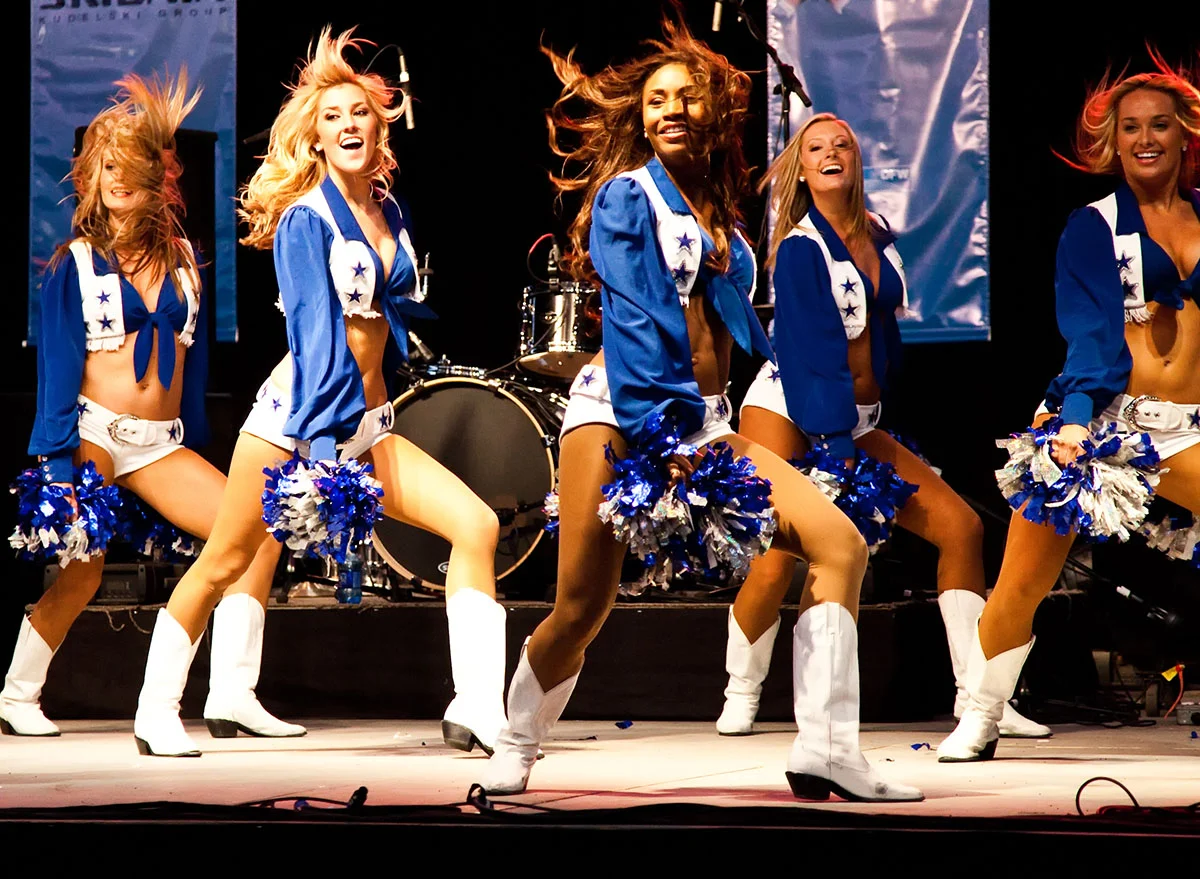
As football season descends upon us, millions of fans will soon find themselves captivated by the high-octane energy of game day. While the focus often rests on the gridiron, the sidelines offer an equally impressive display of athleticism. The precision of a professional cheerleading routine—marked by explosive high kicks, synchronized leaps, and unwavering stability—requires a level of physical mastery that few realize is rooted in fundamental movement patterns.
But you don’t need to be a professional athlete or a member of an elite squad to reap the rewards of this training. In fact, for those over the age of 60, the athletic principles governing cheerleading—specifically single-leg balance—are not just for show; they are vital tools for maintaining autonomy, preventing injury, and ensuring high-quality movement in everyday life.
Lee Cain, a renowned personal trainer and Certified Strength and Conditioning Specialist, suggests that the "secret" to aging with grace lies in simple, controlled movements that mirror the stability required on the field.
The Physical Architecture of Elite Performance
To understand why balance is the cornerstone of fitness, one must look at the rigorous training regimen of professionals like Dallas Cowboys Cheerleader Jada McLean. Recently, in a collaboration with the fitness platform Strava, McLean provided an intimate look at the behind-the-scenes work required to maintain her performance level.

Beyond the hours spent in dance rehearsals, her routine is heavily bolstered by cross-training, including heavy weight lifting, high-intensity Pilates, and consistent cardiovascular work.
"It takes a lot more than just the ability to kick your leg high to be a part of a professional routine," explains Lee Cain, Managing Director of HFE. "You need a complex cocktail of strength, mobility, balance, coordination, and cardiovascular endurance. But the most critical element? It is control."
Cain emphasizes that while flexibility is a popular goal, it is secondary to the ability to control the body through its available range of motion. For older adults, this means moving away from simply "staying active" and moving toward "training for stability."
Why Single-Leg Training Matters After 60
The human body naturally undergoes a shift in muscle mass and bone density as we age. Known as sarcopenia, the gradual loss of muscle tissue can significantly impact one’s center of gravity and gait. This is where single-leg exercises enter the conversation as a non-negotiable component of a healthy lifestyle.

The Science of Proprioception
Single-leg balance exercises are essentially a neurological workout. When you lift one foot off the ground, your body’s nervous system is forced to engage in a rapid, complex dialogue with your ankles, knees, hips, and core.
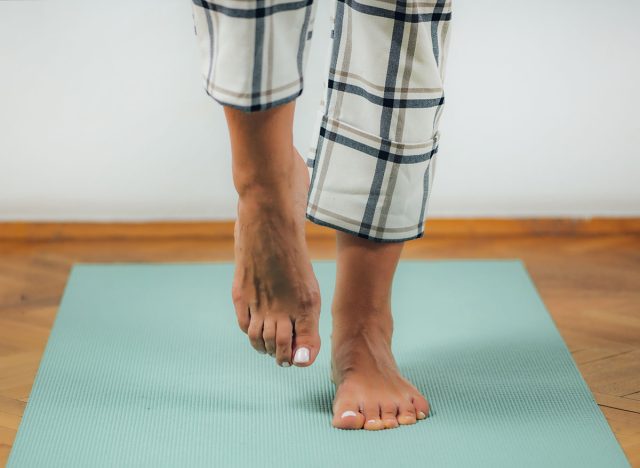
"You’re getting the ankle, knee, hips, and core to work in unison, while the nervous system is constantly calculating where your body is in space—a process known as proprioception," says Cain. "When you’re comfortable with the basics, you can begin to evolve the movement, weaning yourself off support and adding dynamic challenges."
The Chronology of Stability
- The Assessment Phase: Start by standing next to a sturdy, immobile object like a kitchen countertop or a heavy wooden chair.
- The Engagement Phase: Gently lift one foot an inch off the ground. Aim to maintain a tall, upright posture for 10 to 30 seconds.
- The Repetition Phase: Repeat the process on the opposite leg. Aim for two to three repetitions per side.
- The Progression Phase: As your confidence grows, reduce your reliance on the support. Use only one finger for balance, then move to hovering your hands just above the surface.
Safety First: A Protocol for Success
While the goal is to improve stability, safety must remain the primary directive. The risk of falls increases as we age, and practicing on an uneven surface or while fatigued can be counterproductive.
Cain’s Safety Checklist:

- Clear the Environment: Ensure the floor is free of rugs, electrical cords, or pets that could cause a trip.
- Timing Matters: Perform these exercises when you are fresh. Fatigue compromises your neuromuscular connection, making balance more difficult and increasing the risk of a stumble.
- Know Your Limits: "If you have a history of falls, chronic dizziness, or are currently in post-surgical recovery, you must consult a physician or a physical therapist before attempting any new balance training," warns Cain.
The goal of the exercise is to be challenging, not dangerous. Always ensure you have a "fail-safe"—a place where you can quickly put your foot down or grab support if you feel a loss of equilibrium.
The Translation to Real-Life Movement
It is a common misconception that balance is only necessary for standing still. In reality, every step we take is a series of brief, single-leg balance transitions. Every time you climb a flight of stairs, step over a curb, or navigate the transition of getting in and out of a car, you are relying on your ability to generate force through one leg while keeping your torso stable.
By practicing single-leg movements, you are training your body to handle these real-world scenarios with ease. This reduces the "hesitation" often seen in gait, which is a major contributor to slips and falls in older adults.
Challenging the "Bodybuilder" Myth
One of the most important takeaways from Cain’s philosophy is that you do not need to train like a gym rat to see results. There is a persistent myth that once you reach a certain age, your training should be limited to low-impact, seated exercises.
"After 60, it’s vital to maintain strength because muscle mass naturally declines if we don’t challenge it," says Cain. "You don’t need to become a competitive bodybuilder, but you do need enough strength to handle the demands of daily life. That includes carrying groceries, playing with grandchildren, and traveling with ease."
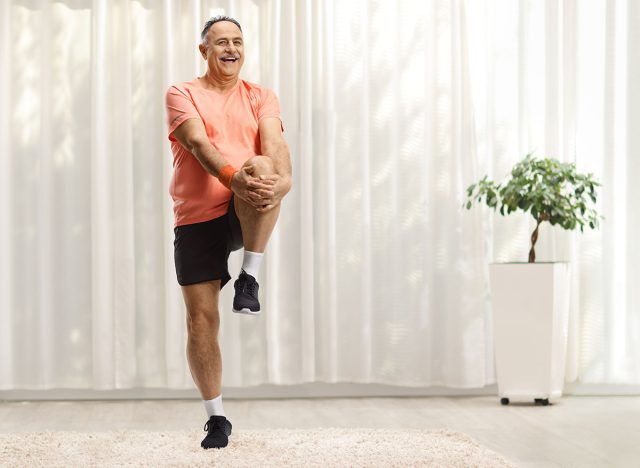
The beauty of the cheerleading-inspired approach is that it is scalable. A pro cheerleader might do a high-intensity jump sequence, but the older adult can achieve the same goal of "coordination and control" by simply raising a knee slowly and placing it back down without momentum.
The Bigger Picture: Independence and Longevity
The implications of this training extend far beyond the physical benefits. Balance is inextricably linked to cognitive confidence and social independence.
When an individual feels confident in their ability to walk through a crowded room, navigate a hiking trail, or stand on a bus, they are far more likely to remain active and socially engaged. Conversely, the fear of falling often leads to a sedentary lifestyle, which accelerates the decline of cardiovascular health and bone density.
By adopting these professional athletic training principles—simplified for the home environment—older adults can rewrite the narrative of aging.
Key Takeaways for the Reader:
- Quality Over Intensity: It is better to perform three perfect, slow-motion balance reps than ten rushed, sloppy ones.
- The Core Connection: A strong core is the anchor for your balance. Engage your abdominals during every single-leg hold.
- Consistency Wins: You don’t need an hour in the gym. Two minutes of balance work during your morning coffee routine is more effective than an hour-long session once a week.
- Professional Guidance: If you feel unstable, don’t guess—consult a professional. A physical therapist can provide a personalized plan that addresses your specific structural needs.
As we look toward the upcoming football season, let the sight of the cheerleaders on your screen serve as a reminder. They aren’t just performing a routine; they are executing a masterclass in human mechanics. And with a few minutes of daily, intentional practice, you can borrow a page from their book to ensure that you, too, can move with grace, confidence, and strength for years to come.