As we move further into the decade, the nexus between public health, food policy, and environmental sustainability has shifted from the periphery to the center of national discourse. The year 2022 served as a watershed moment for these issues, underscored by the Biden-Harris administration’s historic White House Conference on Hunger, Nutrition, and Health. As experts at the Harvard T.H. Chan School of Public Health reflect on these developments, it becomes clear that while the roadmap for the next decade is ambitious, the work required to bridge the gap between policy and reality is only just beginning.
The Landmark Event: A New Era for Food Policy
In September 2022, the United States hosted its first conference on hunger, nutrition, and health since the seminal 1969 gathering that fundamentally shaped American food assistance programs. More than 50 years later, the landscape of the American diet has changed drastically, marked by an epidemic of diet-related chronic diseases, including obesity, type 2 diabetes, and cardiovascular conditions.
The administration’s national strategy, emerging from this conference, sets a bold, non-negotiable target: to end hunger and reduce diet-related diseases by 2030. This strategy acknowledges that food is not merely fuel, but a fundamental pillar of national security and public health. By proposing to expand nutrition assistance programs, integrate "food as medicine" into Medicare coverage, and increase physical activity, the administration has laid a foundation that advocates hope will lead to systemic change.
A Chronology of Nutrition Policy Development
To understand the weight of the current strategy, one must look at the timeline of American nutrition policy:
- 1969: The original White House Conference on Food, Nutrition, and Health. This event led to the creation of major programs like the Special Supplemental Nutrition Program for Women, Infants, and Children (WIC) and the expansion of the Food Stamp Program (now SNAP).
- 2010s: Rising awareness of the "obesity epidemic" and the environmental impact of industrial agriculture leads to a push for more robust dietary guidelines and school lunch reform.
- September 2022: The White House Conference on Hunger, Nutrition, and Health convenes, aiming to address the modern complexities of the American food system.
- Late 2022 – Early 2023: Experts, including those from the Department of Nutrition at Harvard, begin a rigorous assessment of the administration’s strategy, identifying both potential successes and critical gaps.
- 2023 and Beyond: The implementation phase begins, with ongoing calls for private-public partnerships to ensure the 2030 goals remain achievable.
Supporting Data: The Current State of the American Diet
The urgency behind these policy shifts is supported by sobering data. Despite the abundance of food in the United States, "food insecurity"—the lack of consistent access to enough food for an active, healthy life—remains a pervasive issue. Millions of Americans live in "food deserts," where fresh produce and nutritious options are physically and economically inaccessible.
Furthermore, the prevalence of ultra-processed foods in the modern diet has contributed to a spike in preventable diseases. Public health data consistently shows that communities with lower socioeconomic status bear a disproportionate burden of these health outcomes. The Harvard Department of Nutrition emphasizes that the solution is not just about individual choice; it is about creating an environment where the "healthy choice is the easy choice."
Expert Analysis: Where the Strategy Falls Short
While the administration’s plan is being hailed as a step in the right direction, academic and policy experts have raised significant concerns regarding what was left out of the final report. In a critical analysis, Drs. Frank Hu, Walter Willett, and Lilian Cheung identified several "major omissions" that could undermine the strategy’s long-term effectiveness.
The Marketing Conundrum
One of the most glaring gaps is the lack of policy aimed at protecting children from the aggressive marketing of ultra-processed, unhealthy foods. Marketing strategies often target younger demographics through digital media and television, cementing poor dietary habits before children reach adulthood. Without regulatory guardrails, the administration’s efforts to improve nutrition in schools may be undermined by the dietary environment outside of the classroom.
The Climate-Nutrition Nexus
Perhaps the most significant criticism involves the lack of a robust strategy to address the intersection of climate change and the food system. A sustainable future requires a paradigm shift in how we produce food—moving away from resource-intensive, environmentally damaging practices toward regenerative and plant-forward systems. As Drs. Hu, Willett, and Cheung noted, "To have a significant impact, the administration must bring together the public and private sectors, along with philanthropists, academia, and individuals to develop truly sustainable food systems that support both public and planetary health."
Implications for Public and Planetary Health
The implications of these policies extend far beyond the dinner table. If the administration succeeds in its 2030 goals, the result would be a healthier, more resilient populace, a reduction in healthcare spending, and a more equitable distribution of resources. However, the path forward requires a multi-faceted approach:
- Systemic Transformation: Moving from a "commodity-based" food system to a "nutrition-based" system that prioritizes nutrient density over caloric yield.
- Public-Private Collaboration: Leveraging the influence of major food corporations to reformulate products, reduce sodium and sugar, and improve supply chain transparency.
- Community-Level Advocacy: Empowering local leaders to create, sustain, and manage food hubs and urban agricultural projects that directly serve vulnerable populations.
Empowerment Through Education: The Healthy Living Guide
While policy change at the federal level is essential, individual and community actions remain a critical component of the broader movement. Recognizing that large-scale systemic changes take time, experts emphasize the importance of adopting sustainable, healthy behaviors today.
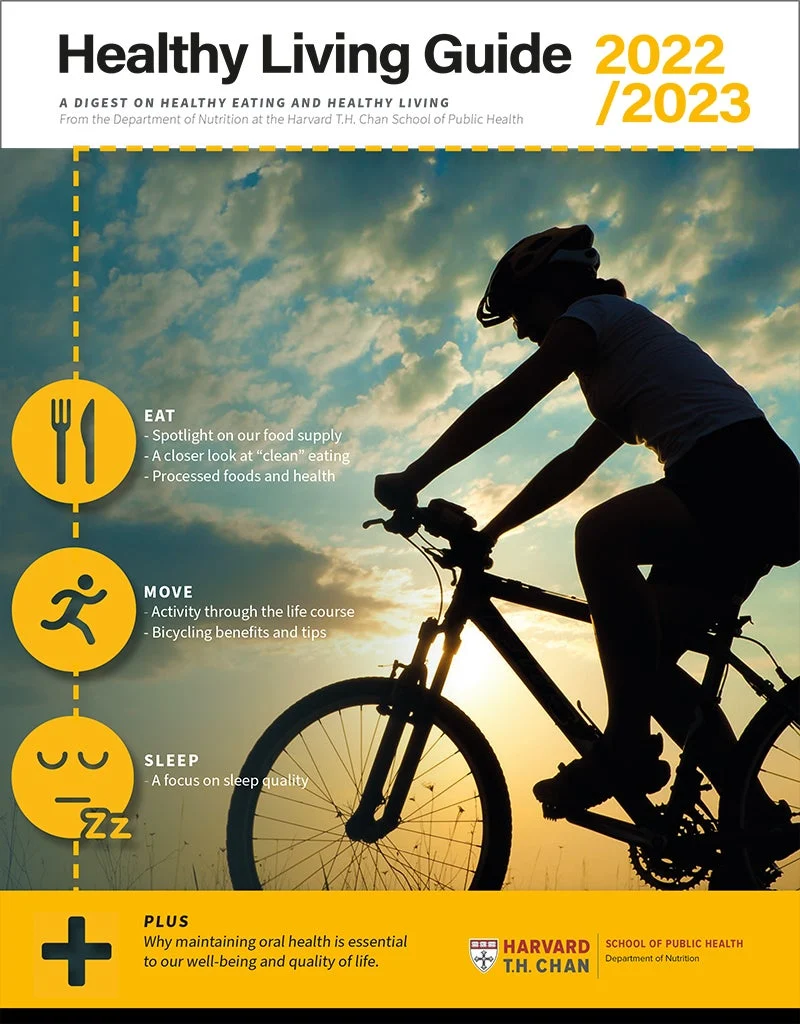
The Healthy Living Guide—a resource developed by nutrition experts—serves as a practical toolkit for individuals looking to navigate the complexities of modern nutrition. It provides evidence-based tip sheets and summaries that demystify healthy eating. Whether it is reducing consumption of processed meats, opting for whole grains, or increasing daily physical activity, these "small" changes serve as the building blocks for long-term health.
The Road to 2030: A Call to Action
The journey toward a healthier nation is not a sprint, but a marathon that requires the active participation of all sectors of society. The White House Conference was merely the starting gun. The real work lies in holding policymakers accountable, advocating for climate-conscious food policies, and fostering a cultural shift that prioritizes wellness over convenience.
As we look toward the 2030 deadline, the integration of public health goals with environmental sustainability will be the ultimate test of our national resolve. It is a challenge that demands innovation, courage, and a departure from the status quo.
For those looking to engage with this mission, the first step is often knowledge. By accessing the latest resources, such as the printable Healthy Living Guide, individuals can stay informed about the latest research and practical applications of nutritional science. As the experts suggest, no change is too small when it contributes to a larger, collective movement toward a healthier, more sustainable future for everyone.
Key Takeaways for the Reader
- The 2030 Strategy: The administration’s plan focuses on expanding Medicare coverage for healthy meals and increasing food assistance, but requires further action on environmental and marketing regulations.
- The Role of Climate: Future nutrition policies must consider the planetary cost of food production to ensure long-term food security.
- Individual Impact: While high-level policy is necessary, personal health habits remain the most immediate way to improve life quality.
- Stay Informed: Utilize resources like the Harvard Nutrition Source and the annual Healthy Living Guide to keep up-to-date with the latest developments in the field.
The dialogue surrounding our food systems is evolving. By bridging the gap between scientific research, federal policy, and daily habits, we can transform the landscape of American health—one meal at a time.