Receiving a diagnosis of Ehlers-Danlos syndrome (EDS) or Hypermobility Spectrum Disorder (HSD) can feel like standing at the edge of a vast, uncharted wilderness. For many patients, the journey to a diagnosis is a grueling marathon of misinterpretations, medical gaslighting, and chronic, unexplained pain. Often, symptoms that have been present since childhood are only identified decades later, leaving patients to grapple with the realization that their physical struggles were not "all in their head."
As medical understanding of connective tissue disorders evolves, the narrative is shifting from "rare and obscure" to "widely misunderstood and under-diagnosed." During this EDS and HSD Awareness Month, it is vital to bridge the gap between clinical reality and patient experience, empowering those newly diagnosed to transform their confusion into a proactive strategy for quality of life.
Disclaimer
The information provided in this article is for educational purposes only and does not constitute professional medical advice, diagnosis, or treatment. Always seek the counsel of a qualified healthcare provider regarding any medical condition. The experiences shared herein reflect personal perspectives and do not necessarily represent the official position of the U.S. Pain Foundation or any other medical institution.
Understanding the Landscape: What is EDS?
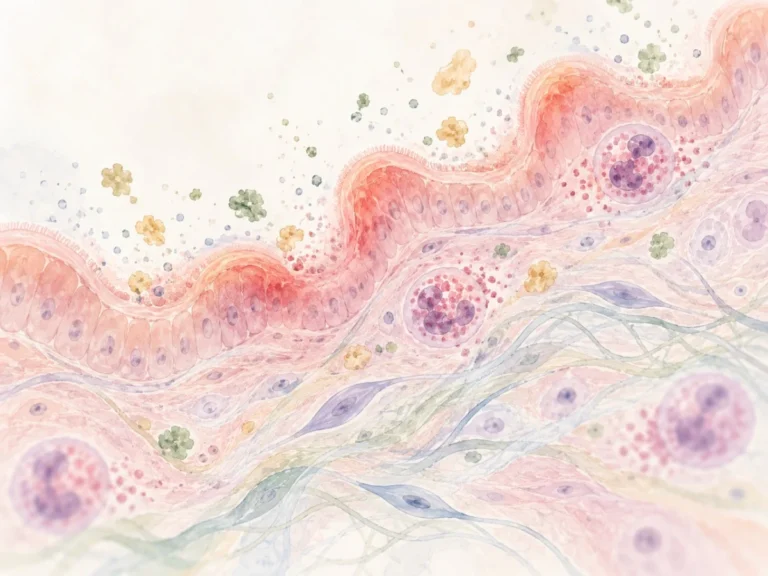
Ehlers-Danlos syndrome is a group of inherited disorders that primarily affect the body’s connective tissue—the "glue" that holds our skin, joints, blood vessels, and organs together. Because connective tissue is ubiquitous throughout the human body, the clinical manifestations of EDS are incredibly diverse.
The Spectrum of Subtypes
There are currently 13 recognized subtypes of EDS, each with varying degrees of severity and systemic impact:
- Hypermobile EDS (hEDS): By far the most common, accounting for approximately 90% of all cases. It is characterized by joint hypermobility, instability, and chronic pain.
- Classical EDS (cEDS): Notable for skin hyperextensibility and scarring.
- Vascular EDS (vEDS): A rare but severe form involving the potential for arterial or organ rupture.
- Rare Subtypes: Including kyphoscoliotic, arthrochalasia, and dermatosparaxis EDS, which present with unique genetic markers and specific physical complications.
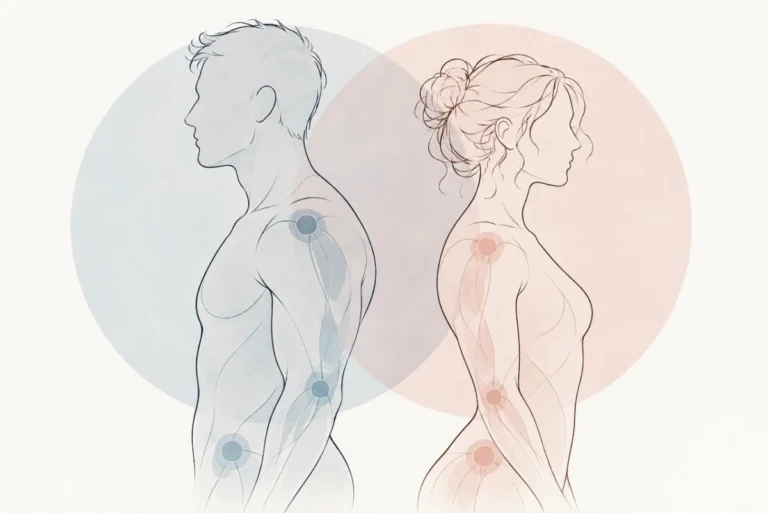
Hypermobility Spectrum Disorders (HSD) serve as an essential diagnostic category for those who exhibit symptoms of hypermobility and joint instability but do not meet the strict criteria for a specific EDS subtype. While the diagnosis may differ, the functional challenges—including chronic pain, fatigue, and systemic dysregulation—are often identical.
The Diagnostic Odyssey: A Chronology of Confusion
The path to diagnosis is rarely linear. For most, the journey begins in childhood or adolescence with "growing pains," frequent sprains, or unexplained fatigue.
- The Early Years: Symptoms are often dismissed as "clumsiness" or normal childhood development.
- The Adolescent Phase: As physical demands increase, so do joint subluxations and systemic fatigue. Many patients begin to visit orthopedists, physical therapists, and primary care physicians, rarely finding a common thread.
- The Adult Search: Patients often cycle through diagnoses like fibromyalgia, rheumatoid arthritis, or even psychiatric conditions (such as Munchausen syndrome) before a provider recognizes the pattern of generalized hypermobility.
- The Breakthrough: A diagnosis is typically confirmed by a geneticist or a specialist well-versed in connective tissue disorders. While genetic testing can identify most subtypes, hEDS remains a clinical diagnosis made by ruling out other conditions.
The Misdiagnosis Trap
Because EDS affects multiple systems, it is frequently misidentified. It is common for patients to be told they have lupus, multiple sclerosis, or chronic fatigue syndrome (ME/CFS). It is critical to note that while these are separate conditions, the prevalence of comorbid disorders—such as Postural Orthostatic Tachycardia Syndrome (POTS), Mast Cell Activation Syndrome (MCAS), and Chiari I malformation—means a patient may be dealing with a constellation of overlapping, rather than mutually exclusive, diagnoses.
Building a Management Framework
Once the diagnosis is confirmed, the focus must shift from the grief of the past to the proactive management of the future. While there is currently no cure, quality of life can be significantly improved through a multi-disciplinary approach.
1. Physical Resilience: The Muldowney Protocol
Physical activity is not optional; it is the bedrock of stability. When connective tissue is lax, the muscles must work twice as hard to stabilize the skeleton.
- Controlled Exercise: Low-impact activities such as stationary cycling, swimming, and guided walking are preferred.
- The Muldowney Protocol: This specialized physical therapy program is designed specifically for EDS patients to build muscle support systematically, reducing the risk of subluxation.
2. Cardiovascular and Autonomic Support
Many EDS patients struggle with dysautonomia, leading to heart rate fluctuations and blood pressure instability.
- Hydration and Electrolytes: Increasing salt and fluid intake (under medical supervision) can assist in maintaining blood volume.
- Compression Gear: Compression stockings or garments can prevent blood from pooling in the lower extremities, helping to manage POTS symptoms.
3. Orthopedic Strategy: A Surgical Warning
Traditional surgery can be high-risk for EDS patients due to tissue fragility. When surgery is deemed necessary for joint repair:
- Tissue Integrity: Always discuss the use of cadaver tendons or synthetic reinforcements with your surgeon. Using the patient’s own stretched, hypermobile tissue for repairs often results in lower success rates.
4. Managing Systemic Inflammation
The body’s reaction to external stressors can exacerbate EDS symptoms.
- Dietary Awareness: Many patients find relief by identifying food sensitivities that trigger systemic inflammation.
- Environmental Factors: Monitoring reactions to chemicals, allergens, and physical irritants can help stabilize the immune system, particularly for those with comorbid MCAS.
The Mental and Spiritual Dimension
Perhaps the most overlooked aspect of EDS is the emotional toll. Receiving a life-altering diagnosis requires a period of mourning for the life one expected to lead.
Cultivating Mental Sharpness
Isolation is the enemy of the chronic illness patient. To maintain cognitive and emotional health:
- Engage in Creative Outlets: Writing, painting, or learning a new skill keeps the mind resilient.
- Purpose-Driven Living: Shifting from "patient" to "advocate" provides a sense of agency. By sharing lists of knowledgeable doctors or mentoring those newly diagnosed, you create a ripple effect of support.
- Community Connection: Join support groups—online or in person. Connecting with others who understand the nuances of the "invisible" nature of EDS can validate your experience and reduce feelings of loneliness.
Implications for the Future: A Call to Action
The medical field is slowly catching up to the reality of Ehlers-Danlos syndrome, but the pace is often insufficient for the patient currently living in pain. If the medical establishment is not yet fully equipped, the patient community must become its own beacon of guidance.
Paying It Forward
As you navigate your own journey, document what works and what doesn’t. Create resources for your local providers. When you meet a doctor willing to learn, provide them with the information you have gathered. By educating our providers, we improve the care for the next person waiting in the exam room.
Final Thoughts
Living with EDS is a testament to human endurance. It requires a unique blend of patience, advocacy, and self-compassion. While the diagnosis changes your trajectory, it does not have to extinguish your spark. Live with hope, be proactive in your care, and never underestimate the power of your own voice in shaping the future of EDS awareness.
You are not alone, and you are far more resilient than your connective tissue would suggest. Stay connected, keep learning, and move forward with purpose.