





As we move further away from the initial shock of the 2020 lockdowns, the global approach to health and wellness is undergoing a significant metamorphosis. The transition into a "new normal"—a hybrid existence characterized by a tentative return to pre-pandemic routines balanced against newly acquired habits—has fundamentally shifted how we view nutrition, activity, and personal well-being.
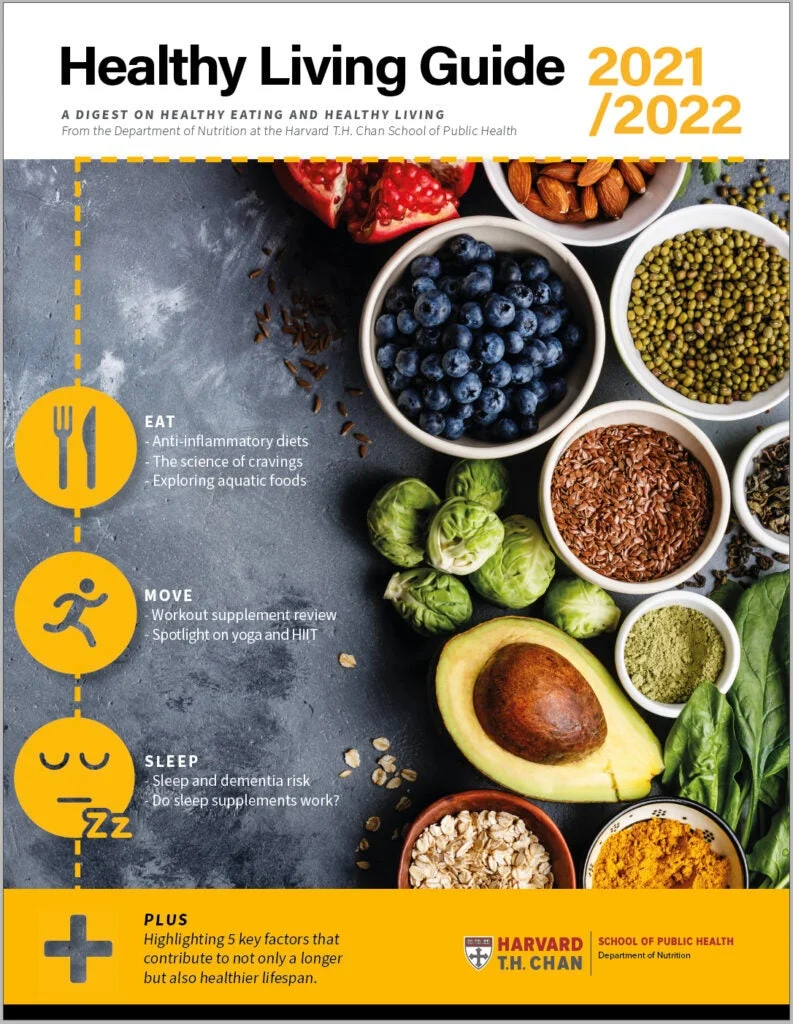
To help individuals navigate this complex landscape, the Harvard T.H. Chan School of Public Health has released its latest Healthy Living Guide. This resource serves as both a reflection on the behavioral shifts observed over the past year and a roadmap for maintaining physical and mental resilience in an era of ongoing uncertainty.
Main Facts: The Evolving Landscape of Health
The core objective of the latest Healthy Living Guide is to synthesize years of nutrition research into actionable, daily habits. At its heart, the guide emphasizes the "big three" of longevity: balanced nutrition, consistent physical activity, and restorative sleep.
In 2021, the global population began to stabilize after the acute crisis of the previous year. However, the data suggests that while some "stress-induced" behaviors have waned, they have been replaced by new challenges. The guide addresses these shifts by moving away from "quick fix" diets and instead focusing on the sustainability of lifestyle changes. Whether it is understanding the nuances of plant-based proteins or the physiological impact of prolonged sedentary behavior, the guide acts as a bridge between complex medical literature and the average household kitchen.
Chronology: The Shift in Consumer Behavior (2020–2022)
Understanding where we are requires a look at the trajectory of our collective habits over the last two years:
- 2020: The Year of Disruption: The onset of the COVID-19 pandemic triggered immediate, drastic changes. Lockdowns forced a global pivot to home cooking and, simultaneously, a surge in "comfort snacking" as individuals coped with isolation and stress. Data from the International Food Information Council (IFIC) indicated that nearly a third of Americans increased their snacking habits, while 20% reported overall increases in caloric intake.
- 2021: The Year of Adaptation: As restrictions loosened, the "emergency" behaviors of 2020 began to fade. The percentage of Americans reporting increased snacking dropped from 32% to 18%. However, this period also saw a notable decline in home cooking—falling from 60% in 2020 to 47% in 2021—as individuals returned to workplaces and restaurant dining.
- 2022: The Year of Integration: The current phase is defined by the need for consistency. With the emergence of new COVID-19 variants and the ongoing global disparity in vaccination rates, the focus has shifted from "surviving the lockdown" to "building long-term immunity and health." The 2022 Healthy Living Guide is designed specifically for this phase, where the goal is to weave wellness into a life that is once again mobile and demanding.
Supporting Data: Examining the Trends
The shift in public health trends is not merely anecdotal; it is supported by significant quantitative data. The 2021 Food & Health Survey provides a window into the American psyche regarding diet:
| Metric | 2020 Data | 2021 Data | Trend |
|---|---|---|---|
| Increased Snacking | 32% | 18% | Significant Decrease |
| Increased Total Food Intake | 20% | 11% | Notable Decrease |
| Increased Home Cooking | 60% | 47% | Gradual Return to Pre-Pandemic Levels |
These numbers tell a story of a population attempting to recalibrate. The drop in home cooking, while expected, raises concerns about the quality of food being consumed as convenience becomes a priority once again. Nutritionists warn that as we return to busy schedules, the temptation to rely on ultra-processed, calorie-dense foods increases. The Harvard guide aims to counter this by offering "printable tip sheets" that prioritize speed and nutrition, ensuring that a busy schedule does not come at the expense of a healthy diet.
Official Responses and Public Health Implications
Public health experts at the Harvard T.H. Chan School of Public Health emphasize that the pandemic is far from over. The emergence of new variants serves as a sobering reminder that global health is interconnected.
The Global Vaccine Gap
A critical component of the current health narrative is the gross inequity in vaccine distribution. While many high-income nations have moved into booster programs, low- and lower-middle-income countries continue to struggle with initial access. Experts maintain that until global vaccination rates are normalized, the threat of new variants will continue to disrupt global health systems, thereby impacting individual mental health and supply chains.
Food Security and Inequality
The survey data also highlighted a darker reality: the pandemic exacerbated existing disparities in food security. While some segments of the population were able to experiment with sourdough starters and home gardening, millions faced decreased access to fresh, nutritious food. The guide acknowledges these systemic issues, noting that healthy living is not just a personal choice but a privilege dictated by economic stability and access.
Integrating Healthy Behaviors into the "New Normal"
The Healthy Living Guide is structured to address the most common obstacles to wellness in a post-pandemic environment.
1. The Power of "Small Wins"
The guide moves away from the "all-or-nothing" mentality. Instead of recommending radical diet overhauls, it suggests incremental changes. For instance, replacing a single processed snack with a piece of whole fruit or dedicating just 15 minutes of the day to intentional movement. Research suggests these small, sustainable habits have a higher success rate for long-term health than drastic, short-term lifestyle overhauls.
2. The Science of Sleep
Sleep has emerged as a cornerstone of the 2022 edition. During the pandemic, "revenge bedtime procrastination" and anxiety-induced insomnia became prevalent. The guide explores the physiological link between sleep deprivation and weakened immune response, providing evidence-based strategies for sleep hygiene, such as limiting blue light exposure and establishing a consistent circadian rhythm.
3. Nutrition for Immunity
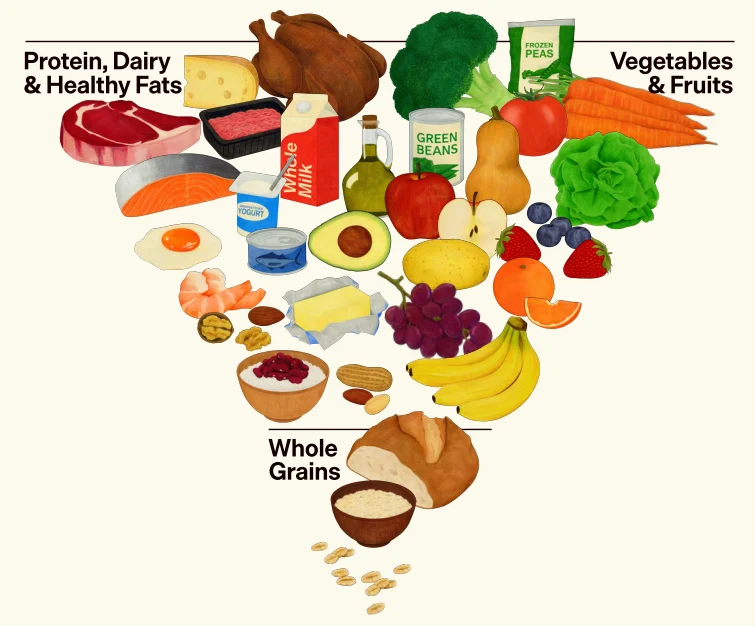
While no specific food can prevent COVID-19, the guide reinforces the importance of a nutrient-dense diet in supporting the immune system. This includes a heavy emphasis on plant-based diets, healthy fats (like those found in olive oil and nuts), and minimizing intake of refined sugars, which are known to promote inflammation.
Conclusion: A Call to Action
The Healthy Living Guide is more than a collection of tips; it is a call to take agency over one’s well-being in an era defined by volatility. By providing printable summaries and direct links to ongoing research, the Harvard team has made it easier for the public to translate complex science into daily practice.
As we look toward the remainder of 2022 and beyond, the message remains clear: our health is our most valuable asset. While we cannot control the twists and turns of the pandemic or the volatility of the world, we can control what we put on our plates, how we move our bodies, and how we prioritize our rest.
To begin your journey toward a healthier year, download the full Healthy Living Guide (PDF). The guide includes interactive elements and assessments to help you benchmark your progress and test your knowledge against the latest nutritional science. By integrating these research-backed habits into your "new normal," you are not just surviving the current times—you are building a foundation for a healthier, more resilient future.