










As we move further away from the acute isolation of 2020 and into the complex, shifting landscape of the mid-2020s, the definition of "healthy living" has undergone a profound transformation. The rapid, often chaotic adaptations made during the height of the global pandemic have given way to a period of recalibration. Today, individuals are tasked with merging the lessons learned during lockdowns—the importance of home-cooked meals, the necessity of sleep, and the value of physical activity—with the demands of a world returning to pre-pandemic rhythms.
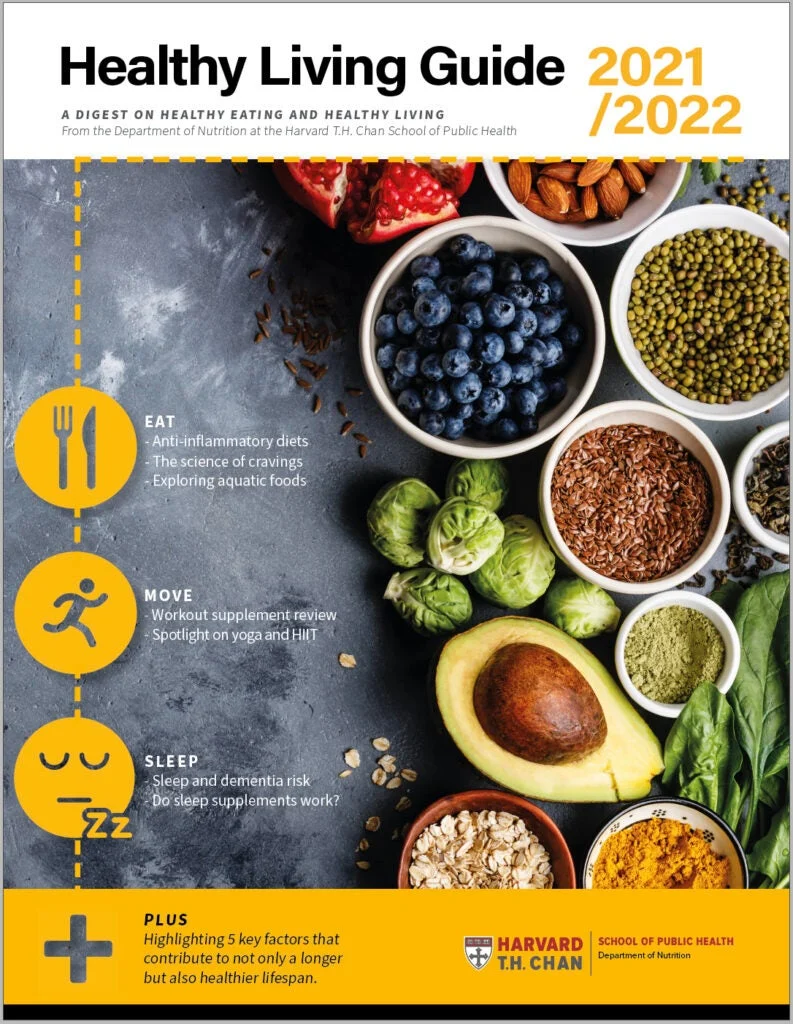
To assist in this transition, experts from the Harvard T.H. Chan School of Public Health have released the latest Healthy Living Guide. This resource serves as a roadmap for those seeking to maintain physical and mental well-being amidst a lingering global crisis that continues to present new challenges.
Main Facts: The Evolving Landscape of Health
The central theme of the current health climate is "adaptation." The data indicates that 2021 served as a pivot point for American consumer habits. While the panic-driven behaviors of 2020 subsided, they did not return entirely to 2019 levels. Instead, a hybrid model of living has emerged.
Key takeaways from recent health assessments include:
- The Snacking Surge Subsides: In 2020, 32% of Americans reported increased snacking. By 2021, that figure dropped to 18%, suggesting a move toward more structured eating habits.
- The Home Cooking Shift: During the 2020 lockdowns, 60% of Americans reported cooking at home more frequently. By 2021, this number fell to 47%, reflecting the return of restaurant dining and busier commuting schedules.
- Persistent Inequity: While some households managed to improve their dietary habits, the pandemic exacerbated existing disparities in food security, highlighting that healthy living is not a universal privilege but an issue of accessibility.
- The Vaccination Imperative: Beyond individual nutrition, the guide emphasizes that public health is tied to global equity. The emergence of new COVID-19 variants serves as a stark reminder that until vaccination rates are stabilized in low- and lower-middle-income countries, the threat of disruption remains global.
A Chronology of Behavioral Shifts
Understanding how we arrived at our current state requires looking back at the timeline of the last three years.
2020: The Year of Immediate Reaction
When the pandemic first struck, the immediate priority was survival and safety. Food systems faced supply chain disruptions, and grocery stores were often emptied of staples. This forced a massive, abrupt change in behavior: cooking from scratch became a necessity, and emotional eating—fueled by stress and uncertainty—led to a rise in sedentary lifestyles and frequent snacking.
2021: The Year of Transition
As vaccines became available and some social restrictions lifted, the "new normal" took shape. Consumers began to re-engage with pre-pandemic habits. However, this period was characterized by "pandemic fatigue." The data shows a decline in home cooking as the novelty wore off and the "work-from-home" balance became blurred with household management, leading many to seek convenience over health.
2022 and Beyond: The Year of Intentionality
The current phase is defined by intentionality. The Healthy Living Guide argues that we can no longer rely on the external constraints of a lockdown to dictate our health. Instead, we must proactively integrate nutrition, movement, and sleep hygiene into our lives as a conscious choice.
Supporting Data: Understanding the Trends
According to the 2021 Food & Health Survey, the fluctuations in dietary behavior provide a window into the American psyche.
The drop from 20% to 11% in people reporting they were "eating more in general" is a positive sign of stabilizing stress levels. However, the drop in home cooking is a double-edged sword. While it indicates a return to social life, it also marks a withdrawal from the nutritional control that home-cooked meals provide.
Furthermore, the data regarding physical activity remains a point of concern. While the Healthy Living Guide emphasizes movement, the reality for many is that the sedentary nature of remote work has become ingrained. Research highlighted in the guide suggests that even small, consistent bouts of movement—rather than intense, sporadic workouts—are essential for mitigating the health risks associated with prolonged sitting.
Official Responses and Expert Guidance
The Harvard T.H. Chan School of Public Health continues to provide evidence-based recommendations to navigate these turbulent times. The Healthy Living Guide is not merely a list of rules but a collection of research-backed insights designed to empower individuals.
Core Themes of the Guide:
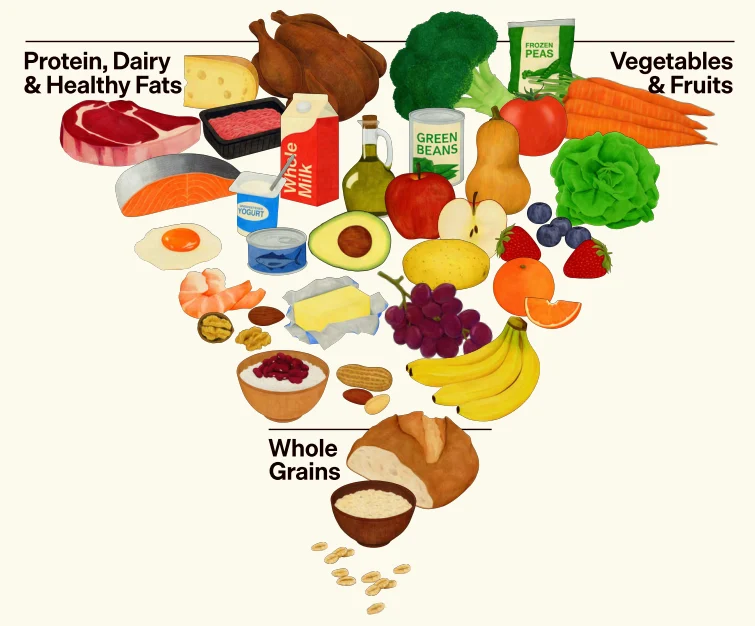
- Nutrition as Fuel: The guide emphasizes moving away from diet culture and toward "nutrient density." By focusing on whole foods, fiber, and healthy fats, individuals can support their immune systems, which remains the first line of defense in an era of respiratory viruses.
- The Biological Necessity of Sleep: Sleep is often the first casualty of stress. The guide highlights recent research linking sleep quality to cognitive function and metabolic health, offering tips on establishing consistent circadian rhythms despite the volatility of the outside world.
- Active Living: The guide stresses that exercise is a tool for mental health as much as it is for physical fitness. During times of high anxiety, physical movement helps regulate cortisol levels.
Implications for Public Health and Personal Wellness
The implications of these trends are significant. If, as a society, we regress into the convenience-based, high-processed food habits that dominated the pre-pandemic era, we risk a "secondary health crisis" of metabolic diseases.
Global vs. Individual Responsibility
The Healthy Living Guide correctly points out that individual choices do not exist in a vacuum. The pandemic highlighted that public health is a collective endeavor. The call for increased vaccination in developing nations is not just a moral imperative; it is a practical one. As long as the virus circulates unchecked in vulnerable populations, the potential for variants that threaten global stability remains.
The Challenge of Equity
One of the most sobering aspects of the report is the mention of food insecurity. Healthy living is fundamentally a socioeconomic issue. The "new normal" for many families includes rising food costs and reduced access to fresh produce. Addressing these disparities requires systemic change, including policy advocacy and community-based support systems, rather than just individual lifestyle adjustments.
How to Utilize the New Resources
The Healthy Living Guide is designed to be a practical tool. By offering printable tip sheets and summaries, it lowers the barrier to entry for those who feel overwhelmed by the sheer volume of health information available online.
Test Your Knowledge
To encourage engagement, the guide includes a quiz based on previous years’ findings. This gamification of health information is intended to reinforce key concepts—such as the benefits of plant-based proteins or the importance of hydration—in a way that is accessible to all ages.
Conclusion: A Roadmap for the Future
As we continue to navigate the twists and turns of the COVID-19 pandemic, the message remains clear: health is not a destination, but a continuous process of adaptation. Whether it is through cooking one extra meal at home per week, prioritizing an extra thirty minutes of sleep, or finding ten minutes to walk each day, small and consistent changes remain the most effective strategy for long-term health.
The Healthy Living Guide provides the evidence and the structure; the challenge for the reader is to take these findings and weave them into the fabric of daily life. As we look toward the future, the goal should be a society that is not only healthier but more resilient to the challenges that lie ahead.
For those interested in taking the next step, the full printable guide and additional online resources are available through the Harvard Nutrition Source portal, providing a wealth of information to support your journey toward a more fulfilling and healthy year.