In the quiet, clinical rooms of hospitals worldwide, a silent epidemic is unfolding. It does not spread with the speed of a virus or the suddenness of a trauma; instead, it manifests in the persistent, unhealing ulcers that plague millions of patients. For those suffering from diabetes or compromised circulation, a simple skin abrasion can become a life-altering ordeal. Now, an international team of researchers led by Nanyang Technological University, Singapore (NTU Singapore) has unveiled a breakthrough that could fundamentally change how medicine approaches these “stalled” wounds, turning the tide against one of the most stubborn adversaries in modern clinical care.
The Chronic Wound Crisis: A Global Health Challenge
Chronic wounds represent an escalating burden on global healthcare systems. According to recent data, approximately 18.6 million people worldwide suffer from diabetic foot ulcers, with the lifetime risk for individuals with diabetes reaching as high as one in three. These are not merely superficial injuries; they are deep, recalcitrant wounds that resist conventional treatment.
In Singapore alone, the situation is acute. With an aging population and high prevalence of diabetes, over 16,000 cases of chronic wounds—ranging from pressure injuries to venous leg ulcers—are reported annually. These wounds are a primary driver of lower-limb amputations, a procedure that carries profound consequences for a patient’s mobility, independence, and mental health.
The clinical frustration is exacerbated by the presence of bacteria that have evolved to withstand our most potent defenses. When a chronic wound becomes infected, the body’s natural healing mechanisms are often hijacked, trapping the patient in a cycle of inflammation, infection, and stalled regeneration.
The Culprit: Unmasking E. faecalis
For years, clinicians have observed that infections impede wound healing, but the precise molecular mechanics of this interference remained a "black box." A landmark study published in Science Advances, conducted by researchers from NTU Singapore and the University of Geneva, has finally shed light on this biological sabotage.
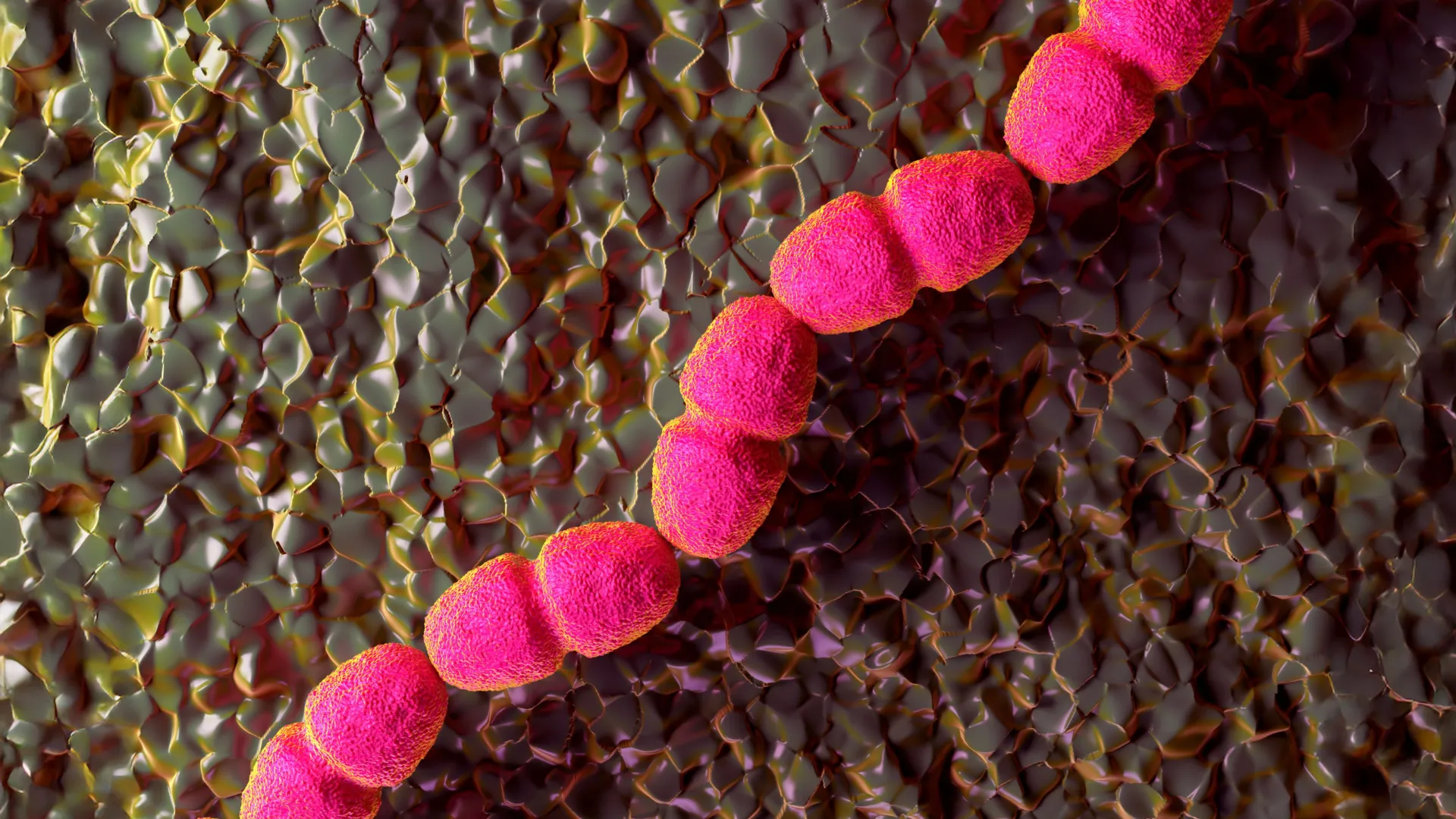
The study focuses on Enterococcus faecalis (E. faecalis), a pervasive, opportunistic bacterium frequently found in the biofilm of diabetic foot ulcers. E. faecalis is notorious for its resilience; many strains have developed multi-drug resistance, rendering standard antibiotic protocols increasingly ineffective.
However, the NTU-led team, co-led by Associate Professor Guillaume Thibault of the NTU School of Biological Sciences and Professor Kimberly Kline of the University of Geneva, discovered that the bacterium’s threat does not stem from its ability to proliferate alone. Rather, it is a metabolic by-product—a form of biological chemical warfare—that prevents skin cells from doing their job.
Chronology of Discovery: From Observation to Mechanism
The journey to this discovery began with a shift in perspective. Instead of viewing E. faecalis through the traditional lens of toxin-production, Dr. Aaron Tan, the study’s first author and an NTU Research Fellow, investigated the bacterium’s metabolic footprint.
- The Metabolic Insight: The team identified that E. faecalis utilizes a process called extracellular electron transport (EET). While EET is often associated with energy production in various bacteria, here it serves as a continuous generator of hydrogen peroxide, a reactive oxygen species (ROS).
- Oxidative Stress Induction: The researchers observed that as the bacteria excreted this hydrogen peroxide into the wound microenvironment, it induced a state of severe oxidative stress in nearby keratinocytes—the vital skin cells responsible for wound closure.
- The "Paralysis" Response: Under normal circumstances, keratinocytes possess a mechanism called the "unfolded protein response" (UPR), which helps cells manage stress. However, the constant barrage of ROS from the bacteria overstimulated this pathway. Rather than recovering, the cells became "paralyzed," losing their ability to migrate across the wound bed to close the injury.
- Validation through Modification: To confirm that the EET pathway was the culprit, the researchers created a genetically modified strain of E. faecalis lacking the ability to perform EET. The result was definitive: the modified bacteria produced significantly lower levels of hydrogen peroxide, and crucially, they lost their ability to block the migration of human skin cells.
The Shift in Paradigm: Neutralization Over Eradication
Perhaps the most significant aspect of this research is the proposed therapeutic shift. Historically, the clinical approach to infected wounds has been to "kill the bacteria"—usually with antibiotics. As the global threat of antibiotic resistance grows, this strategy is becoming increasingly untenable.
The NTU team proposes a different path: instead of engaging in an arms race with the bacteria, we should neutralize the weapon the bacteria uses.
In laboratory trials, the researchers applied catalase—a naturally occurring antioxidant enzyme—to stressed skin cells. Catalase functions as a biological "sponge," breaking down hydrogen peroxide into harmless water and oxygen. When the catalase was introduced, the oxidative stress levels in the keratinocytes dropped, and the cells miraculously regained their motility, effectively resuming the healing process.
"Our findings show that the bacteria’s metabolism itself is the weapon," explained Associate Professor Thibault. "Instead of targeting the source, we neutralize the actual cause of the chronic wounds—the reactive oxygen species."
Official Perspectives: A New Hope for Clinical Practice
The implications of this study have been met with significant optimism within the scientific community. By targeting the metabolic by-products of infection rather than the bacteria itself, clinicians may be able to bypass the issue of antibiotic resistance entirely.
"This is a fundamental shift in how we think about infected wounds," says Professor Kimberly Kline. "By moving away from antibiotics toward neutralizing these specific chemical signals, we are looking at a strategy that is both more effective and less likely to drive further evolution of resistant strains."
The research team is already looking toward the next phase of development. They envision the creation of advanced, antioxidant-infused wound dressings. Because catalase is a well-understood, biocompatible enzyme, the researchers believe that the transition from the laboratory to the bedside could be significantly faster than the development of novel antimicrobial drugs, which must undergo rigorous and lengthy clinical trials to ensure safety.
Implications for Future Healthcare
The impact of this research extends far beyond the treatment of foot ulcers. If the metabolic disruption caused by E. faecalis is a mechanism shared by other pathogens, the potential for antioxidant-based therapies could be vast.
Key Implications:
- Reduced Amputation Rates: By restoring the innate healing capacity of skin cells, patients could avoid the surgical removal of limbs, significantly improving quality of life.
- Mitigating Antibiotic Overuse: By offering a non-antibiotic treatment for infection-induced stalled healing, healthcare providers can reduce the pressure to prescribe antibiotics, helping to slow the rise of superbugs.
- Accelerated Clinical Translation: The use of existing, well-characterized enzymes like catalase provides a "fast-track" pathway for medical device innovation, specifically in the field of wound care management.
- Economic Impact: Chronic wounds cost healthcare systems billions of dollars annually. A more efficient, non-invasive treatment would alleviate the economic strain on hospitals and public health budgets.
The Path Ahead: Moving to Human Trials
While the findings are robust and provide a clear mechanistic link between bacterial metabolism and wound dysfunction, the team is cautious but eager. The next steps involve rigorous testing in animal models to determine the most effective delivery systems for these antioxidants.
Once the optimal delivery method—whether it be a gel, a dressing, or a specialized film—is perfected, the team intends to move toward human clinical trials. These trials will be the final hurdle in determining whether the "antioxidant approach" can replicate its success in the complex, dynamic environment of a human patient’s body.
As we stand on the cusp of this new era, the work of the NTU Singapore and University of Geneva team serves as a powerful reminder of the importance of fundamental science. By looking closer at the intersection of bacterial metabolism and human cell biology, these researchers have uncovered a new path for medicine—one where we stop fighting the infection and start, quite literally, healing the wound from within.
For the millions suffering from the "silent epidemic" of chronic wounds, this discovery is more than just a paper in a journal; it is the promise of a future where a wound no longer means a lifetime of complications, but a manageable hurdle on the road to recovery.