




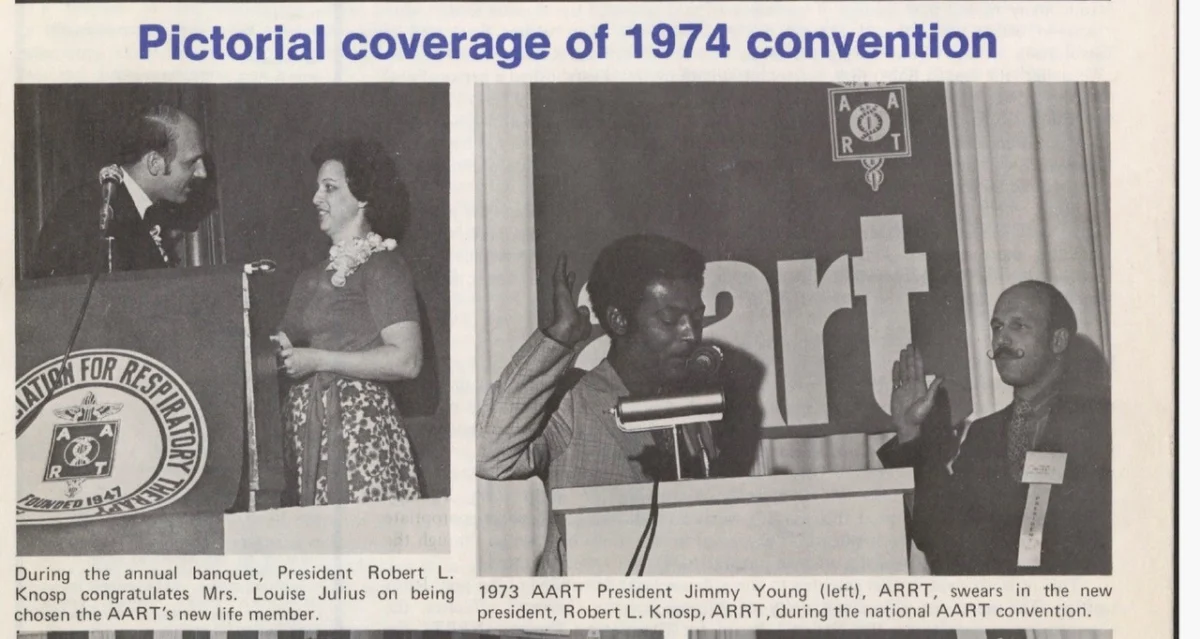
The Jimmy A. Young Award stands as the pinnacle of professional recognition within the American Association for Respiratory Care (AARC). Named in honor of the late AARC president—a man whose life’s work was synonymous with the advancement and professionalization of respiratory therapy—the award is not merely a token of achievement. It is a legacy. It serves as a benchmark for those who have dedicated their careers to sustained, impactful contributions to the field of respiratory care.
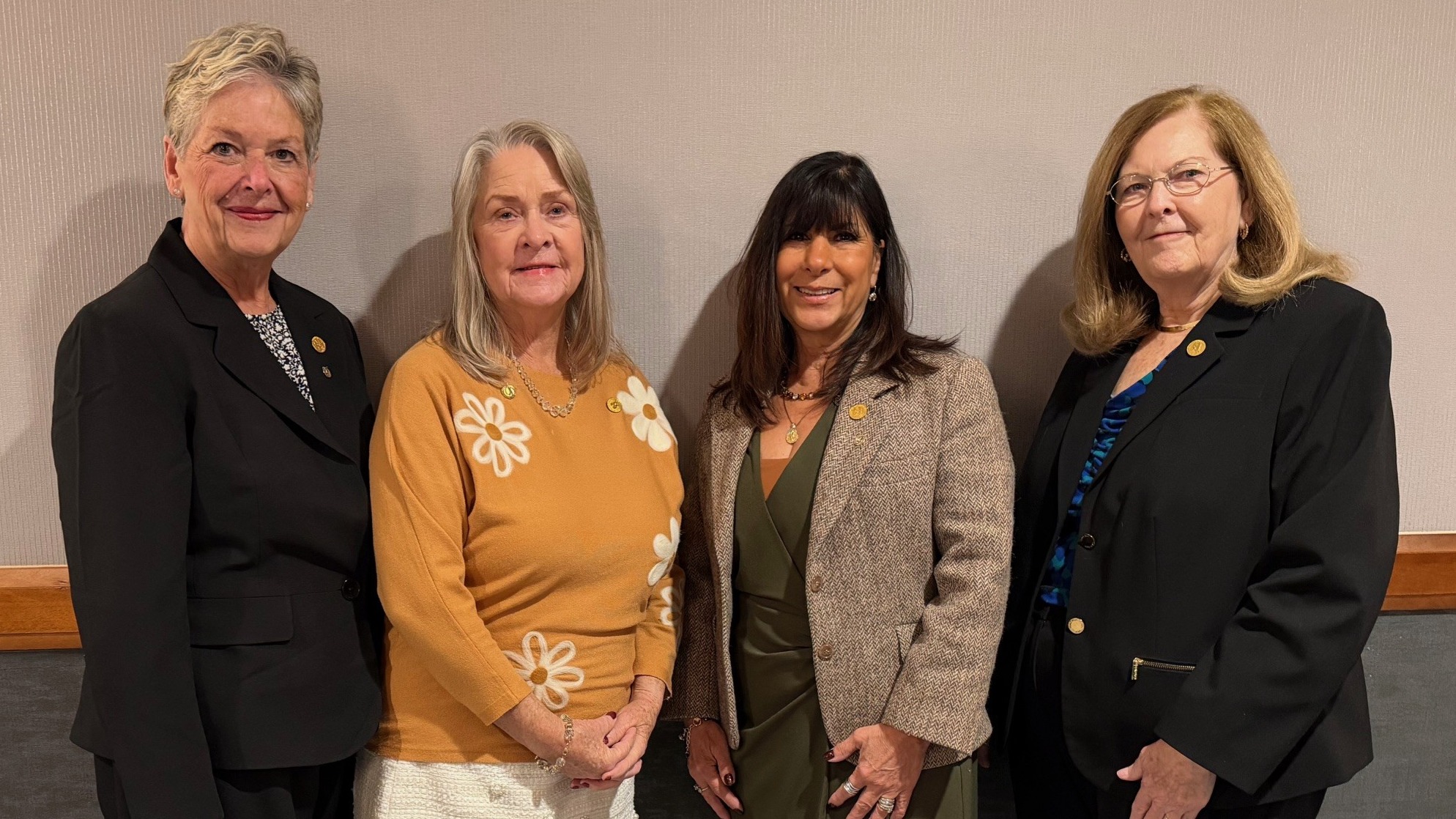
Recently, the AARC took a significant step in documenting this history by hosting a special retrospective. Lisa Weisenberger, AARC Director of Content and Communications, facilitated a powerful dialogue with four of the five women who have received this prestigious honor: Dianne Lewis, MS, RRT, FAARC (2025), Trudy Watson, BS, RRT, FAARC (2018), Margaret Traband, MEd, RRT, FAARC (2011), and Teresa Volsko, MBA, MHHS, LSSBB, RRT, FAARC (2020). (The fifth recipient, Louise Julius, received the award in 1988 alongside her husband, John).
This discussion served as more than a trip down memory lane; it was a masterclass in leadership, a reflection on the evolution of medical science, and a candid examination of what it means to lead as a woman in a high-stakes, historically male-dominated medical specialty.
A Legacy of Service: The Foundation of Excellence
For these luminaries, the journey toward the Jimmy A. Young Award did not begin with the pursuit of accolades. Instead, it started with a quiet, persistent commitment to the patient and the profession.
Dianne Lewis, the most recent recipient (2025), traced her path back to the foundational work performed within the AARC’s House of Delegates. She emphasized the critical nature of the Clinical Practice Guidelines Steering Committee, a group she helped lead. "My group wrote and published the first clinical practice guideline for the association," Lewis noted. This wasn’t just administrative work; it was the birth of standardized care. By establishing these guidelines, these early pioneers provided a template that ensured patients across the United States—regardless of their hospital or zip code—received high-quality, evidence-based respiratory care.
Margaret Traband, who began her journey with the AARC in 1972, echoes this sentiment of local advocacy. For Traband, the ascent to national leadership was a byproduct of doing the "next right thing" at the local level. "We began with our state societies," she explained. "You don’t do it looking for what else you need to check off a list to get an award. You’re just moving ahead where you think you can do the most good." Her philosophy reflects a common thread among the recipients: the award is an unintended consequence of a life lived in service to the profession.
Breaking the Glass Ceiling: A Historical Perspective
Respiratory therapy has transformed significantly since the early 1970s. While women now constitute a massive portion of the respiratory therapy workforce, the upper echelons of leadership were, for decades, predominantly male.
Teresa Volsko provided a striking perspective on how the professional culture has evolved regarding inclusivity. She recalled the atmosphere of the late 1970s and early 1980s, a time when the "seat at the table" was a scarce commodity. "In 1979, if you were invited to the table, you didn’t dare bring another woman up with you because there was only one or two seats," Volsko noted.
This scarcity created a competitive, often isolationist, environment. However, the narrative has shifted dramatically. Today, these leaders emphasize a culture of mentorship and "lifting as you climb." The power dynamic has moved from guarding one’s position to actively creating new seats, ensuring that the next generation of female leaders has a clearer path to influence.
Navigating the Profession: A Roadmap for the Next Generation
During the roundtable, the four recipients synthesized decades of experience into actionable advice for the next generation of Respiratory Therapists (RTs). Their "roadmap" for success involves a blend of technical mastery, political acumen, and emotional resilience.
1. The Art of Networking
Trudy Watson, a veteran leader, stressed that clinical competence, while necessary, is not sufficient for those who wish to effect change. She urges young RTs to build a footprint outside the four walls of their unit. "Get involved so your name is known and you are trusted within your own organization," Watson advised. By building relationships with the American Lung Association and other health-related organizations, RTs can amplify their impact and gain the credibility necessary to influence broader health policy.
2. The Requirement of Over-Preparation
Margaret Traband’s reflections on the "Journal Clubs" of the 1970s serve as a reminder that the field is rooted in science, not just intuition. In an era before the instant access of the internet, therapists had to be self-starters, hunting down the latest research to stay ahead of clinical challenges. "Being over-prepared is status quo for most of us," Traband noted. "You have to be well-versed, so you don’t come off half-prepared." This emphasis on rigorous study ensures that the RT remains a respected partner to physicians and surgeons.
3. Leading from the Bedside
Perhaps the most empowering message came from Teresa Volsko, who challenged the common misconception that leadership is tied to a C-suite title. "Don’t let the fact that you have the title of a clinical respiratory therapist stop you from doing great things," she insisted. "Lead where you are." By demonstrating initiative, mentoring peers, and advocating for patient safety at the bedside, any therapist can serve as a leader and change-agent.
Supporting Data: The Future of the Workforce
The retrospective did not shy away from the practical realities of the industry. The profession is currently caught between two opposing forces: unprecedented demand and workforce fatigue.
Dianne Lewis noted that the job market for RTs is expanding rapidly, with projections suggesting a massive need for respiratory professionals over the next decade. The aging population and the increasing prevalence of chronic respiratory conditions like COPD and asthma guarantee that the role of the RT will remain vital.
However, the "supply side" of the equation presents a significant challenge. Trudy Watson highlighted the difficulty of recruiting students into RT programs. "Finding the students to fill the seats in the classroom" is a critical bottleneck that the profession must address if it hopes to meet the future demand for care.
Furthermore, the post-pandemic environment has left many in the field grappling with burnout. Traband offered a poignant, almost therapeutic, perspective for those currently feeling the weight of the profession. She reminded therapists to find meaning in the quiet, singular victories of the day. "The further away you get from the bedside, the less positive reinforcement happens," she observed. "Take the time to reflect at the end of the day. Know that you’ve alleviated breathlessness and calmed patients. Steep in that moment."
Implications for the Future of Respiratory Care
The implications of these leaders’ collective wisdom are clear: the future of respiratory care depends on a cultural shift. The profession must continue to move toward a model where mentorship is institutionalized, and where clinical excellence is married to professional advocacy.
The Jimmy A. Young Award serves as a testament to the fact that individual contributions—when sustained over decades—can fundamentally alter the trajectory of a medical field. As the AARC continues to navigate a rapidly changing healthcare landscape, the lessons provided by Lewis, Watson, Traband, and Volsko offer a vital blueprint.
They suggest that the future of respiratory therapy will not be won by technology alone, but by a workforce that is well-prepared, deeply connected, and courageous enough to sit at the table—and pull up a chair for the person behind them. The Jimmy A. Young recipients demonstrate that to be a leader in respiratory care is to balance the immediate, life-saving needs of the patient with the long-term, strategic needs of the profession. In doing so, they have not only earned an award; they have secured the future of the field for generations to come.