




Published: September 1, 2026
For many active individuals, the first encounter with the iliotibial (IT) band is rarely a pleasant one. It often begins with a sharp, nagging sensation—a "pinch" or "pull"—that surfaces while climbing a flight of stairs, during a morning jog, or even after a long day of sedentary office work. The IT band, a thick band of fibrous connective tissue that runs down the outside of the thigh from the hip to the knee, is frequently blamed for lower-body discomfort. Yet, as our modern lifestyles become increasingly sedentary, the struggle to maintain healthy, supple connective tissue has become a universal challenge.
While the promise to "stretch and strengthen" is often made in the heat of a recovery phase, consistency remains the elusive variable. This article explores the anatomy of the IT band, the physiological implications of modern inactivity, and a curated sequence of yoga-based interventions designed to restore mobility and alleviate chronic tension.
The Anatomy of the IT Band: Why It Hurts
The iliotibial band is not a muscle; it is a longitudinal fibrous reinforcement of the fascia lata. It functions as a stabilizer for the knee and hip, playing a critical role in walking, running, and cycling. Because it is a dense, relatively inelastic structure, it does not "stretch" in the traditional sense like a muscle fiber would.
Instead, discomfort in the IT band usually stems from the muscles that attach to it—primarily the tensor fasciae latae (TFL) at the hip and the gluteus maximus. When these muscles become hypertonic or tight due to prolonged sitting, their pull on the IT band creates friction and inflammation, particularly at the knee joint. This "snapping" or "aching" sensation is the body’s way of signaling that the surrounding hip complex is compromised.
Chronology of Discomfort: From Sedentary Life to Kinetic Restriction
To understand the current crisis of IT band tightness, one must look at the timeline of a typical day in the mid-2020s.
- The Morning Routine: Many individuals start their day with a brisk walk or run, often without adequate dynamic warm-ups. If the hips are already stiff from sleep, the IT band is immediately subjected to repetitive, high-impact stress.
- The Midday "Slump": The transition to the workstation marks the beginning of the static phase. Prolonged sitting at 90-degree angles forces the hip flexors into a shortened position, while the external rotators and glutes become weak and overstretched.
- The Evening Symptom: As the day progresses, the cumulative effect of gravity and poor posture manifests. The TFL becomes overworked, pulling on the IT band. By the time an individual stands up to navigate stairs or begin an evening commute, the "ouch" factor reaches its peak.
- The Cycle of Avoidance: Faced with discomfort, many people stop exercising, which further weakens the gluteal muscles, exacerbating the instability and the subsequent tightness.
Supporting Data: The Impact of Sedentary Behavior
According to recent ergonomic health studies conducted in 2025-2026, over 65% of remote and office-based workers report "recurring lower-limb stiffness" by age 40. Data suggests that the primary driver of this trend is not necessarily over-training, but "under-moving."
When the gluteal muscles are inactive, the TFL and the IT band are forced to take on extra load. Biomechanical analysis shows that when the pelvic stabilizers are weak, the IT band undergoes a lateral shift during gait, causing it to rub repeatedly against the lateral femoral epicondyle. This mechanical friction is the primary precursor to IT Band Syndrome (ITBS). Yoga serves as an ideal corrective modality because it addresses the issue through both active engagement (strengthening the glutes) and passive release (stretching the surrounding hip tissues).
Official Recommendations: A Professional Perspective
Physical therapists and sports medicine practitioners emphasize that if the discomfort escalates into sharp, localized pain (especially at the knee), a professional consultation is mandatory. IT band pain can sometimes mimic meniscal tears or bursitis.
However, for those dealing with general tightness and "pre-injury" tension, the consensus is clear: Less is more. Aggressive foam rolling, once the standard advice, is now often discouraged in favor of mindful movement and restorative yoga. The goal is to create space in the hip joint, allowing the IT band to glide freely without excessive tension from the surrounding musculature.
5 Essential Yoga Poses for IT Band Relief
When addressing the IT band, remember that you are working with connective tissue, which responds best to slow, sustained pressure rather than ballistic, aggressive stretching.
1. Reclining Figure 4 (Sucirandhrasana)
This pose is the gold standard for opening the outer hips. By reclining, you remove the necessity for balance, allowing you to isolate the gluteal muscles.
- The Technique: Lie on your back. Cross your right ankle over your left knee. For a mild sensation, keep your left foot on the floor. For deeper engagement, interlace your hands behind the left thigh and gently draw the legs toward your chest.
- Pro Tip: Keep your top foot flexed to protect the knee joint.
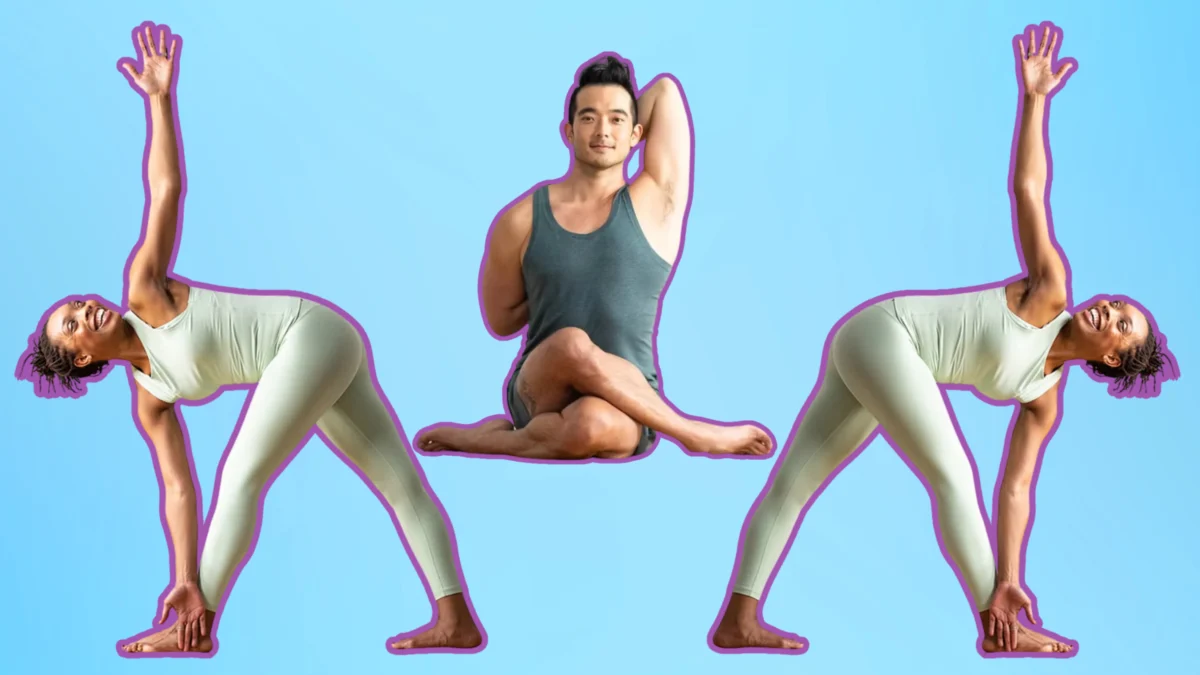
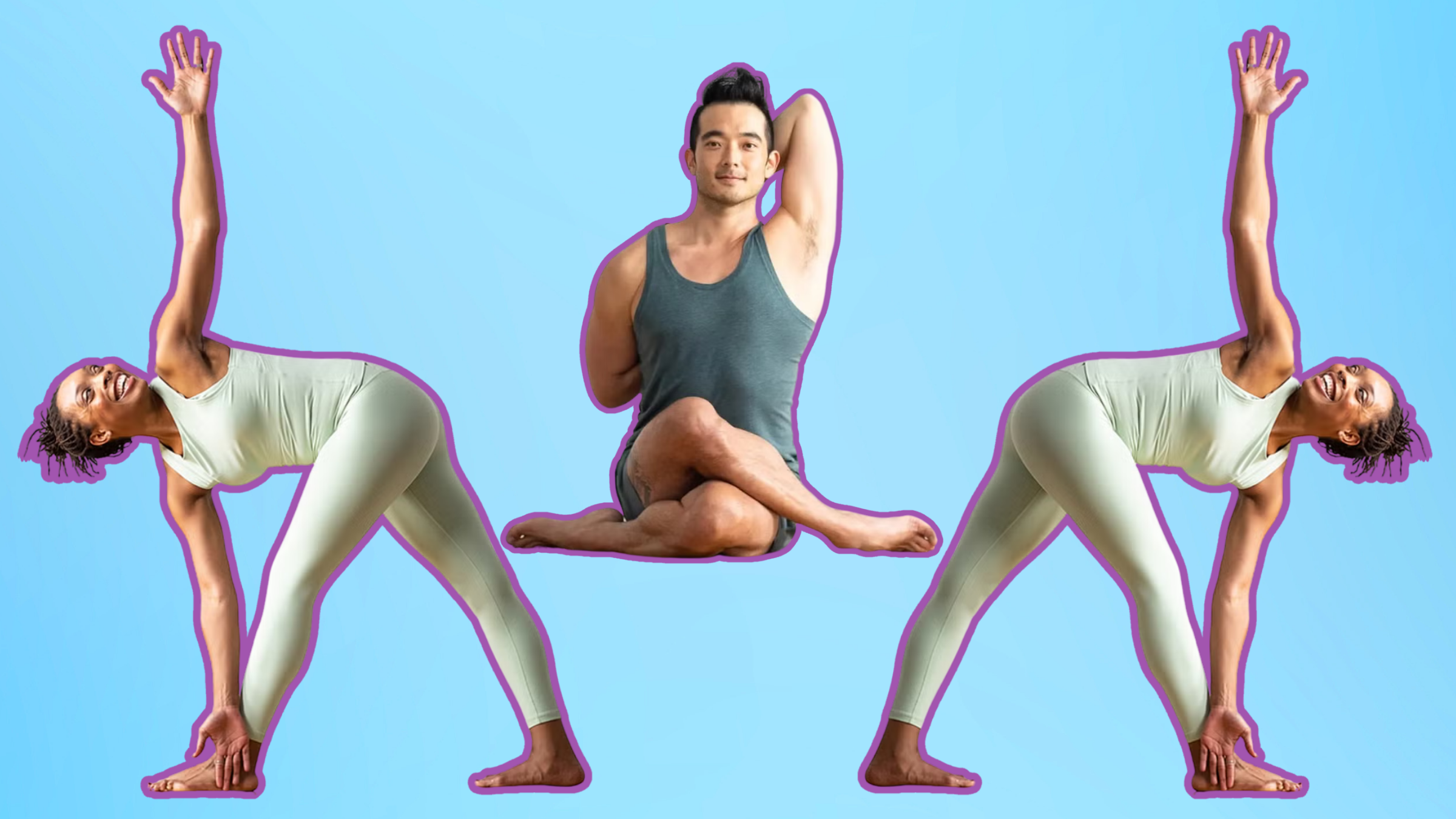
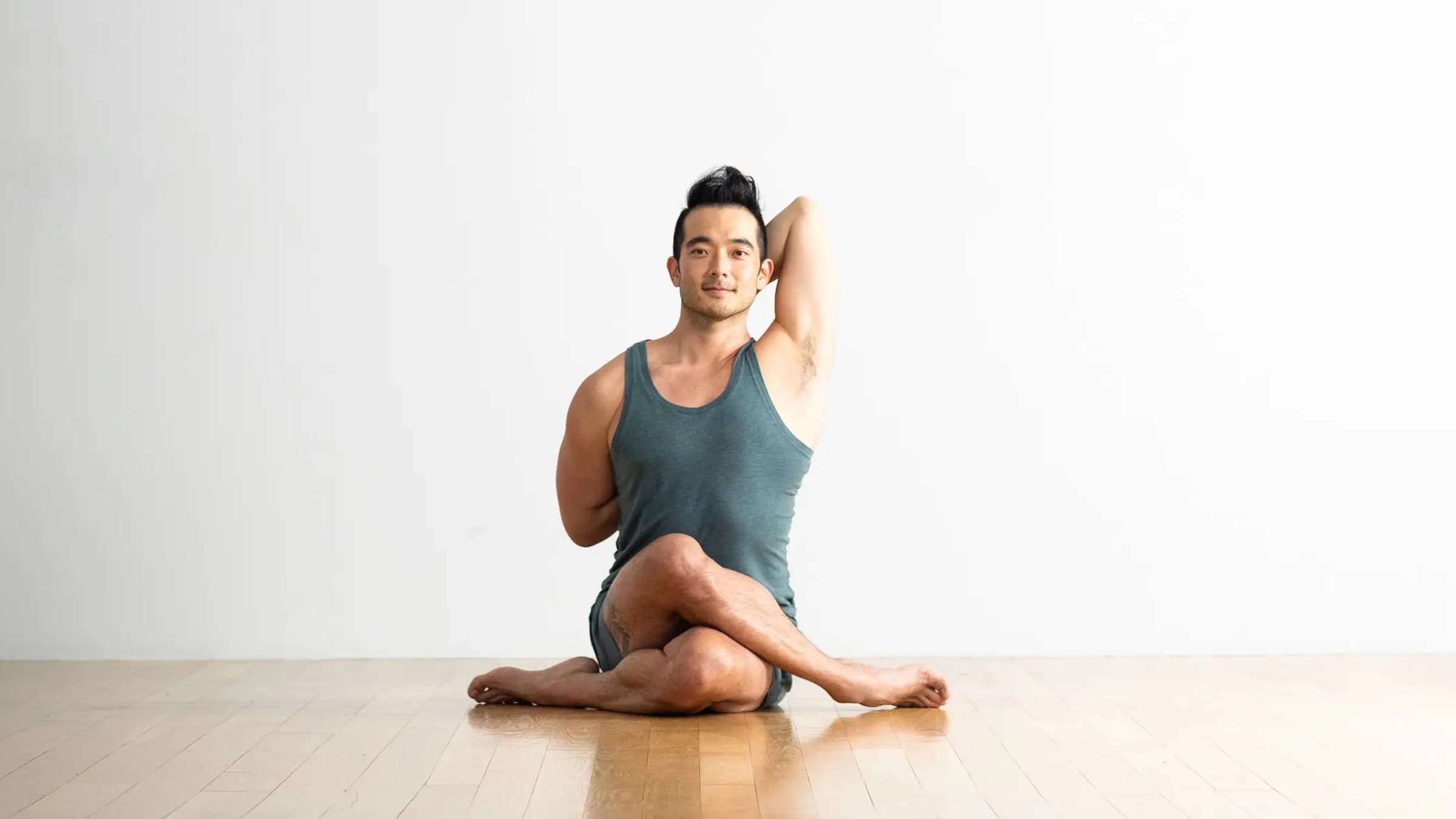
2. Cow Face Pose (Gomukhasana)
Gomukhasana is an intensive outer-hip opener. It is notoriously difficult for those with tight hips, but its efficacy is unmatched.
- The Technique: Stack your right knee directly over your left, with your feet pointing toward the back of the room. Your sit bones should be grounded.
- The Adjustment: If your hips feel stuck, sit on a folded blanket or a bolster to elevate the pelvis. This small change allows the femur to rotate more naturally, taking the strain off the IT band.
3. Cross-Legged Standing Forward Bend
This variation changes the geometry of a traditional forward fold to target the outer leg specifically.
- The Technique: From a standing position, cross your right foot behind the left. Step the right foot out slightly to the left. Fold forward from your hip creases.
- The Benefit: You will feel a deep, line-like stretch running down the outer right leg. Use blocks under your hands to ensure your spine stays long.
4. Revolved Triangle Pose (Parivrtta Trikonasana)
While this is a challenging balance pose, the "revolved" action provides a unique tension release that standing stretches cannot replicate.
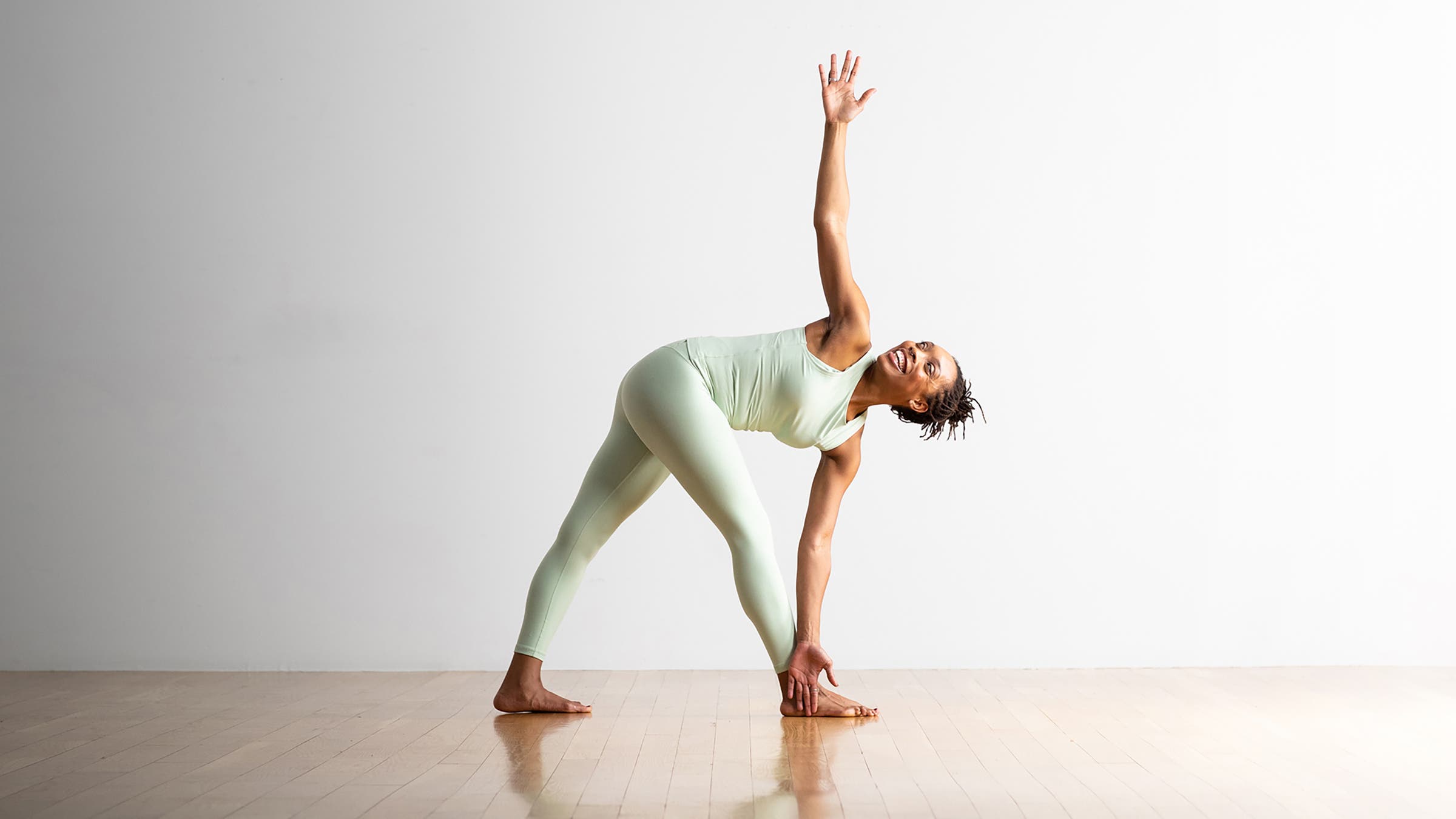
- The Technique: Stand in a wide stance, rotate your torso toward the front leg, and fold, placing your hand on a block outside the front foot.
- The Mechanics: The twist forces the TFL to engage and then release, helping to "de-congest" the connective tissue at the top of the IT band. Keep a micro-bend in the knees to avoid locking.
5. Supine Spinal Twist (Supta Matsyendrasana)
The ultimate "reset" for the lower body, this pose works by releasing the lower back and outer hip simultaneously.
- The Technique: Lie on your back and bring your knees into your chest. Drop both knees to one side.
- The Variation: To specifically target the IT band, straighten your top leg and allow the foot to rest on a block or a bolster. This creates a traction effect that gently pulls the outer hip away from the torso.
Implications for Long-Term Health
The journey toward a healthy IT band is not a race; it is a practice of restoration. By integrating these five poses into your weekly routine, you move beyond the "ouch" phase and into a state of kinetic freedom. The implications extend far beyond the yoga mat—improved hip mobility translates to a more efficient stride, a more comfortable sitting posture, and a significant reduction in the compensatory injuries that plague the modern athlete.
As you embark on this practice, remember: consistency is the primary catalyst for change. The IT band does not change in a day, but with regular, mindful attention, the tension that currently hinders your movement can, in time, become a memory. Always listen to your body, respect your limits, and consult with a medical professional if your discomfort persists. Your mobility is an investment; treat it with the care it deserves.