








Introduction: The Next Frontier in Lymphoma Research
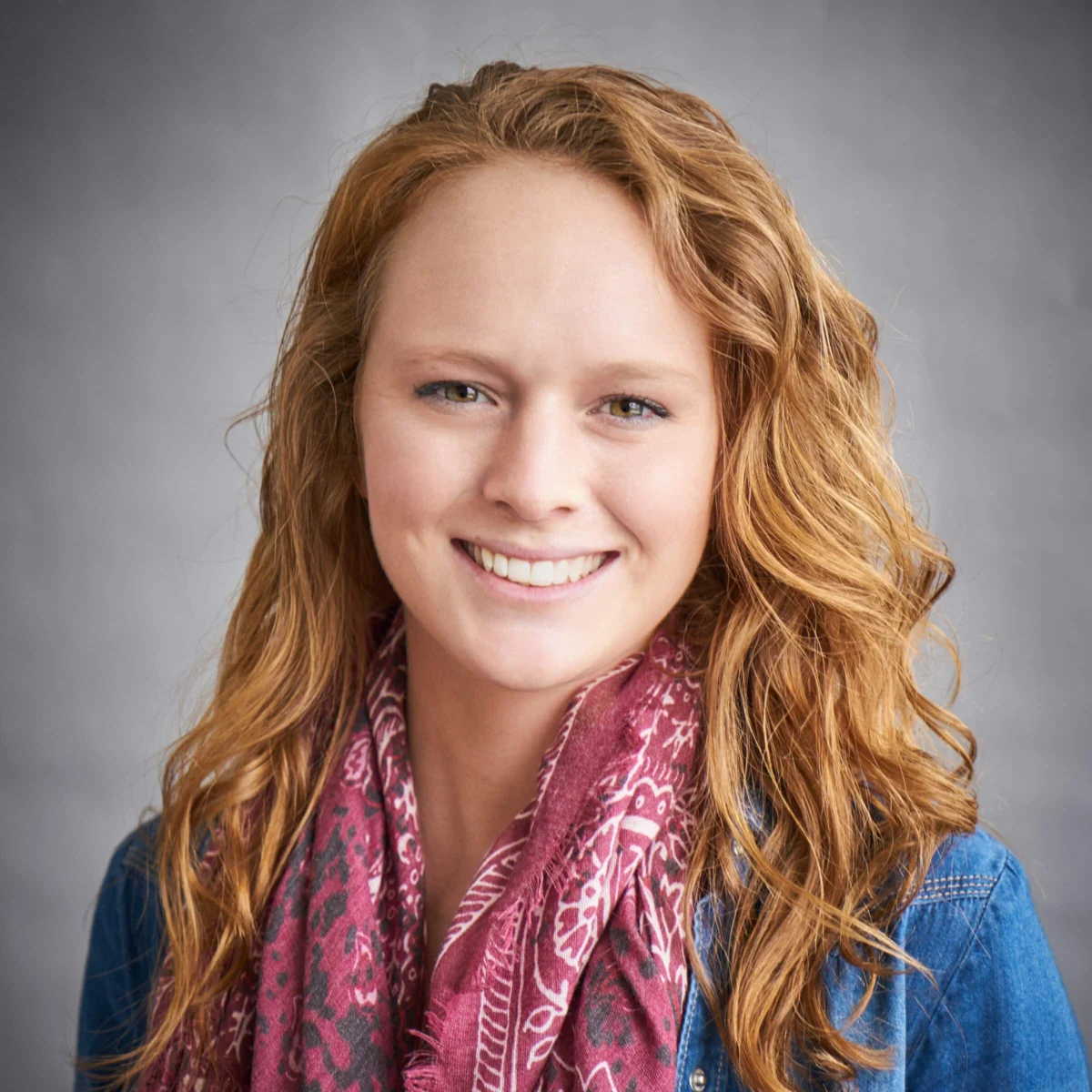
Classical Hodgkin’s lymphoma (cHL) has long been considered a medical success story in the field of oncology. For the vast majority of adolescents and young adults diagnosed with the disease, frontline chemotherapy regimens provide a pathway to durable remission and long-term survival. However, beneath the statistical success of these standard treatments lies a challenging clinical reality: a subset of patients remains refractory to initial therapy or experiences relapse. It is within this critical space that Dr. Shelby Sloan, a postdoctoral fellow in immunology and hematology at The Ohio State University, is working to redefine the therapeutic landscape.
Dr. Sloan’s research is not merely an incremental step; it represents a fundamental shift in how we approach the tumor microenvironment. By focusing on novel chimeric antigen receptor (CAR) T-cell therapy, she is attempting to dismantle the very mechanisms that allow lymphoma cells to evade the body’s natural defenses. Her work, supported by key industry foundations, offers a glimpse into a future where "personalized" is not just a buzzword, but the standard of care for young patients fighting aggressive malignancies.
The Core Challenge: Understanding the Immunosuppressive Shield
To understand the significance of Dr. Sloan’s research, one must first understand the "armored" nature of cHL. While traditional chemotherapy acts like a blunt instrument—killing rapidly dividing cells—it often fails to address the sophisticated defense systems that tumors develop to survive.
Dr. Sloan’s work focuses on a specific protein expressed on the surface of both cHL tumor cells and the surrounding immune cells that infiltrate the tumor site. "These defective immune cells surrounding the tumor block the body’s natural immune response and hinder their ability to eliminate the cancer cells," Dr. Sloan explains.
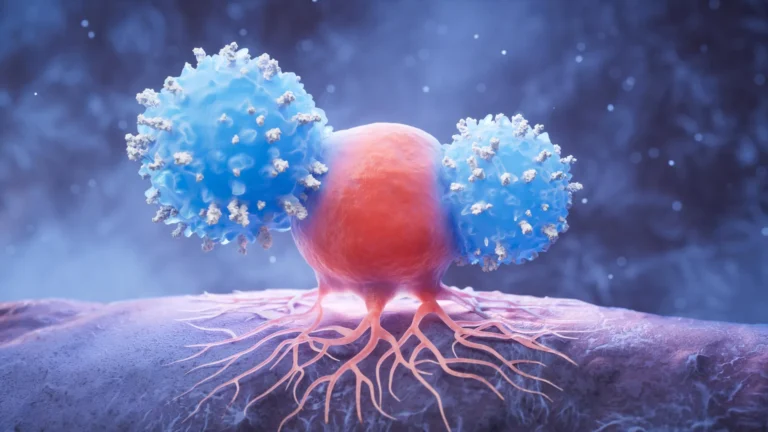
In a healthy state, the immune system acts as a vigilant sentry, identifying and destroying abnormal cells. In the case of Hodgkin’s lymphoma, the tumor co-opts the surrounding environment to create an "immunosuppressive shield." By effectively turning the body’s own immune cells against its mission, the tumor renders the patient’s natural defenses impotent. Dr. Sloan’s engineered CAR T-cell therapy is designed to bypass this shield by targeting both the malignant tumor cells and the immunosuppressive cells that protect them. The goal is to clear the path, allowing the CAR T cells to achieve direct, unhindered access to the cancer.
Chronology of Innovation: From Graduate Studies to Clinical Potential
The trajectory of Dr. Sloan’s career reflects the modern evolution of hematologic research. Having completed her rigorous graduate training at The Ohio State University, she transitioned into a specialized postdoctoral fellowship that bridges the gap between basic immunology and clinical hematology.
The Foundation of Her Work
The initial phase of her research involved identifying the specific protein markers that differentiate healthy immune cells from those that have been compromised by the tumor. This required advanced proteomic screening and high-throughput cellular mapping.
The Engineering Phase
Once the target was identified, the focus shifted to the design of the CAR construct. This involves genetically modifying a patient’s own T cells to express a receptor that recognizes the identified protein. Unlike traditional drugs, which are "off the shelf," this process requires a sophisticated laboratory infrastructure where T cells are extracted, reprogrammed to become "hunter-killers," and then expanded before being reintroduced into the patient.
Future Clinical Translation
With the support of the Foundation, Dr. Sloan is currently transitioning her laboratory findings into preclinical models. This phase is vital for assessing safety, dosage, and the long-term persistence of these modified T cells. Her long-term roadmap involves moving these findings from the bench to the bedside, with the ultimate ambition of establishing a robust clinical research program that caters specifically to the needs of young lymphoma patients.
Supporting Data: Why CAR T-Cell Therapy Matters
The shift toward cellular immunotherapy is driven by the limitations of conventional medicine. Data indicates that while chemotherapy cures roughly 80-90% of early-stage cHL, the prognosis for patients with refractory disease drops significantly.
- The "Escape" Phenomenon: Research consistently shows that tumors evolve to express "checkpoint inhibitors" or recruit regulatory T cells (Tregs) that signal the immune system to "stand down."
- Targeting the Microenvironment: By targeting the tumor microenvironment (TME) alongside the tumor itself, Dr. Sloan’s approach addresses the systemic failure of the immune system. Current clinical data suggests that dual-targeting strategies significantly increase the probability of complete molecular response compared to single-target therapies.
- Durability of Response: One of the most compelling arguments for CAR T-cell therapy is the potential for "living drugs." Because these cells can persist in the body, they may provide long-term surveillance, potentially preventing the recurrence that has historically plagued cHL patients who fail frontline therapy.
Official Responses and Perspectives
The oncology community has responded to Dr. Sloan’s work with cautious optimism. Experts note that while CAR T-cell therapy has seen tremendous success in B-cell malignancies, its application in Hodgkin’s lymphoma has been more complex due to the unique architecture of the Reed-Sternberg cells and the surrounding TME.
"Dr. Sloan’s work is precisely where the field needs to be," says a senior researcher at The Ohio State University. "We have spent decades trying to kill the cancer; we are now learning how to empower the immune system to do the work for us."
Dr. Sloan herself remains grounded in the human element of her research. "I think there is great potential for the treatment of cancer by harnessing the power of the body’s naturally evolved cancer detection and elimination tactics," she notes. "If we can understand why the immune system has failed to detect and eliminate lymphomas, we can engineer personalized targeted therapies to enhance or retrain the immune system to recognize cancer cells."
Implications: The Future of Lymphoma Treatment
The implications of Dr. Sloan’s research extend far beyond the laboratory. If successful, this therapy could:
- Reduce Chemotherapy Dependency: By providing a more effective secondary line of treatment, patients might avoid the long-term toxicities associated with repeated high-dose chemotherapy or radiation.
- Define a New Standard of Care: The success of this dual-targeting model could serve as a blueprint for treating other types of lymphoma, and perhaps even solid tumors that utilize similar immune-evasion tactics.
- Provide Hope for "Hard-to-Treat" Cases: For the small, yet significant, percentage of patients for whom standard protocols fail, this therapy represents a vital lifeline. It transforms a diagnosis of "refractory lymphoma" from a terminal dead-end into a condition that is manageable through precision biological intervention.
The Road Ahead
As Dr. Sloan continues her fellowship, the focus will remain on the scalability and safety of these engineered therapies. The integration of artificial intelligence in predicting tumor behavior, combined with the precision of CRISPR-based gene editing, suggests that we are at the precipice of a new era in medicine.
Dr. Sloan’s commitment to building a clinical program for young people is particularly salient. In a demographic where life expectancy is long and the desire for high quality of life post-treatment is paramount, the precision of immunotherapy offers the best hope for a "cure" that does not come at the cost of the patient’s future health.
In conclusion, the work of Dr. Shelby Sloan is a testament to the power of persistent, hypothesis-driven research. By looking at the "shield" surrounding the cancer rather than just the cancer itself, she is opening doors to treatments that are smarter, more targeted, and significantly more effective. As her research progresses, the medical community will be watching closely, hopeful that this innovative approach will soon be available to the patients who need it most.