As August marks "Make-A-Will Month," the Cancer Research Institute (CRI) is launching a renewed call to action for philanthropists and patients alike to consider the profound, long-term impact of legacy giving. By integrating a gift into a will or living trust, donors are not merely managing their estates; they are fueling the next generation of scientific breakthroughs in the fight against cancer. In an era where immunotherapy has transformed from a niche academic pursuit into a frontline clinical reality, the role of private support has never been more vital.
The Pillars of Impact: Understanding the Role of Legacy Giving
At its core, legacy giving—often referred to as planned giving—allows individuals to make significant contributions to the Cancer Research Institute that may not be possible during their lifetime. These gifts, whether they are a percentage of an estate, a specific asset, or a residuary bequest, serve as the bedrock of the institute’s research funding.
For many supporters, the decision to name the CRI in their estate plans is deeply personal. It is often a response to the "immunotherapy revolution," where patients have seen their own lives, or the lives of their loved ones, saved by treatments developed through the very research the CRI supports. By choosing to include the CRI in a will, supporters are creating a permanent legacy that extends far beyond their own lifespan, ensuring that the mission of a world immune to cancer persists for decades to come.
Chronology: A Legacy of Scientific Advancement
To understand why legacy support is so critical, one must look at the trajectory of the Cancer Research Institute. Founded in 1953, the CRI has spent over seven decades championing the idea that the immune system is the body’s most potent weapon against malignancy.
- The Early Years (1950s–1970s): The CRI acted as a lone voice in the wilderness, funding foundational research when immunotherapy was largely dismissed by the broader oncology community.
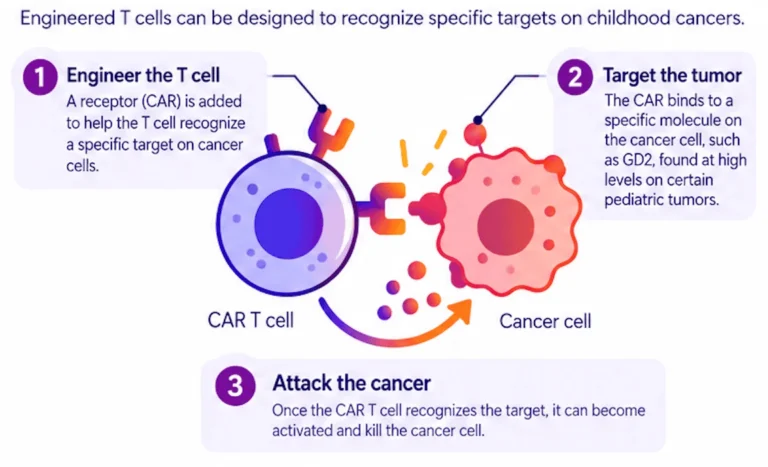
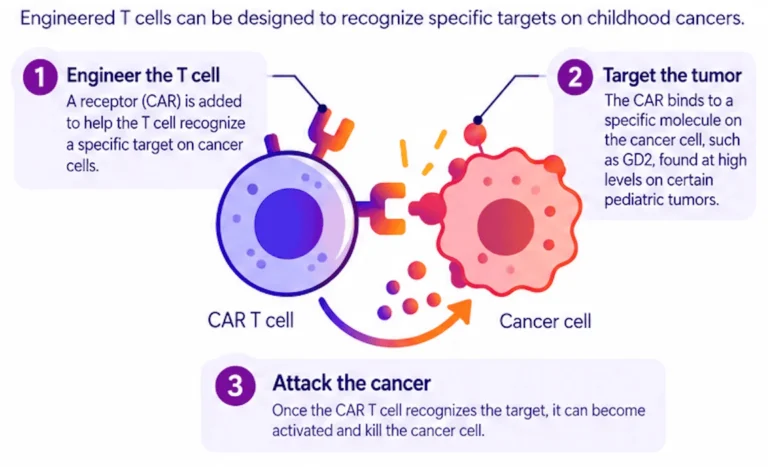
- The Validation Phase (1980s–2000s): Through consistent, donor-funded grant programs, the CRI began to yield results that the medical establishment could no longer ignore. These grants provided the "seed money" for researchers who would later pioneer checkpoint inhibitors and CAR T-cell therapies.
- The Clinical Revolution (2010s–Present): Today, immunotherapy is a cornerstone of cancer care. However, the work is far from finished. The current focus has shifted toward solving the "cold tumor" problem—making cancers that do not respond to initial immunotherapy vulnerable to the immune system.
Legacy gifts provided throughout this timeline have allowed the CRI to remain agile, pivoting funding toward emerging technologies like CRISPR, artificial intelligence in immunology, and personalized cancer vaccines.
Supporting Data: Fiscal Stewardship and Impact
Transparency and fiscal responsibility are the primary concerns for any donor, particularly when planning a long-term bequest. The Cancer Research Institute has consistently set the industry standard for non-profit management.
The 100% Four-Star Rating
The CRI has recently received a prestigious 100/100 rating from top-tier charity assessors. This rating is not merely a badge of honor; it is a clinical verification of organizational health. It confirms that the vast majority of every dollar contributed goes directly toward scientific research and the facilitation of clinical trials. For a donor drafting a will, this provides the "confidence of impact"—the assurance that their legacy will not be eroded by administrative bloat, but rather utilized to drive the "next wave of immunotherapy developments."
The Multiplier Effect
Data indicates that bequests are a primary driver of the CRI’s capacity to fund its CLIP (Cancer Immunology Laboratory Program) Investigators. By pooling smaller bequests from a wide base of supporters, the CRI is able to maintain a consistent pipeline of research grants. This stability is crucial; scientific discovery is not a linear process, and the ability to fund researchers for multi-year projects requires a steady, predictable stream of capital that legacy giving uniquely provides.
Official Responses: The Human Element of Research
The impact of these gifts is felt most acutely in the laboratories of the world’s most innovative scientists. Katherine Pooser, Director of Planned Giving at the CRI, emphasizes that legacy gifts are the lifeblood of the organization.
"When a person generously gives through a will or living trust, they can do so with confidence knowing CRI regularly receives recognition from third-party assessors for its good governance and fiscal responsibility," Pooser explains. "Supporters can also be confident that their gift makes a real difference. Bequests of every size come together to make up a substantial part of the funding that drives the next wave of immunotherapy developments."
The Researcher’s Perspective
The researchers who benefit from these funds describe the CRI’s support as more than just a grant; it is an entry into a prestigious community of innovators. Dr. Lloyd Bod, a CRI Thompson Family Foundation CLIP Investigator and assistant professor at Massachusetts General Hospital, highlights the collaborative nature of the institute’s funding.
"Being a CRI CLIP Investigator is an honor, and not only provides crucial funding, but also connects me with a network of researchers dedicated to making groundbreaking discoveries in immunotherapy," Dr. Bod states. "It is a commitment to pursuing innovative science that can lead to life-saving therapies for patients worldwide."
The research funded by these gifts is diverse and technologically sophisticated. Whether it is scientists investigating the role of sensory neurons in lung cancer or researchers using artificial intelligence to analyze how T cells infiltrate tumors, the common denominator is that these projects require the high-risk, high-reward funding that only a mission-driven organization like the CRI can provide.
Implications: Building a Future Immune to Cancer
The implications of "Make-A-Will Month" extend far beyond the legal drafting of documents. Every will that includes a provision for the Cancer Research Institute represents a vote of confidence in the future of human health.
Why Act Now?
The urgency of this mission is driven by the sheer complexity of cancer. As researchers gain a deeper understanding of the tumor microenvironment, the need for advanced computing power, genomic sequencing, and novel drug delivery systems grows. A legacy gift established today is an investment in the tools and technologies of the next decade.
Flexibility and Ease
Many potential donors are deterred by the misconception that legacy giving is a complex, lawyer-heavy process. In reality, including a gift in a will is remarkably straightforward. Whether one chooses to leave a specific dollar amount, a piece of real estate, or a percentage of an estate’s residue, the process can be adjusted as life circumstances change. The CRI provides resources and guidance to help donors navigate these decisions, ensuring that their personal philanthropic goals align with their estate planning.
Conclusion: A Call to Join the Vanguard
The path to a world immune to cancer is built on the shoulders of those who came before—both the patients who participated in early clinical trials and the donors who funded the initial research. By participating in "Make-A-Will Month," you are invited to join this vanguard.
Your legacy gift is a testament to the belief that scientific advancement is the ultimate triumph of the human spirit. It is an act of defiance against a disease that has touched too many, and an act of hope for the generations to come.
If you are interested in learning more about how your estate plans can support the next generation of immunotherapy breakthroughs, we encourage you to take the first step. For confidential inquiries and information regarding wills, trusts, and other legacy giving options, please contact the CRI Office of Gift Planning at 212-792-5212.
Together, we can ensure that the scientific progress of today becomes the standard of care for tomorrow. Your foresight is the fuel that will power the cure.