By Scott Gottlieb and Mark B. McClellan
September 22, 2026
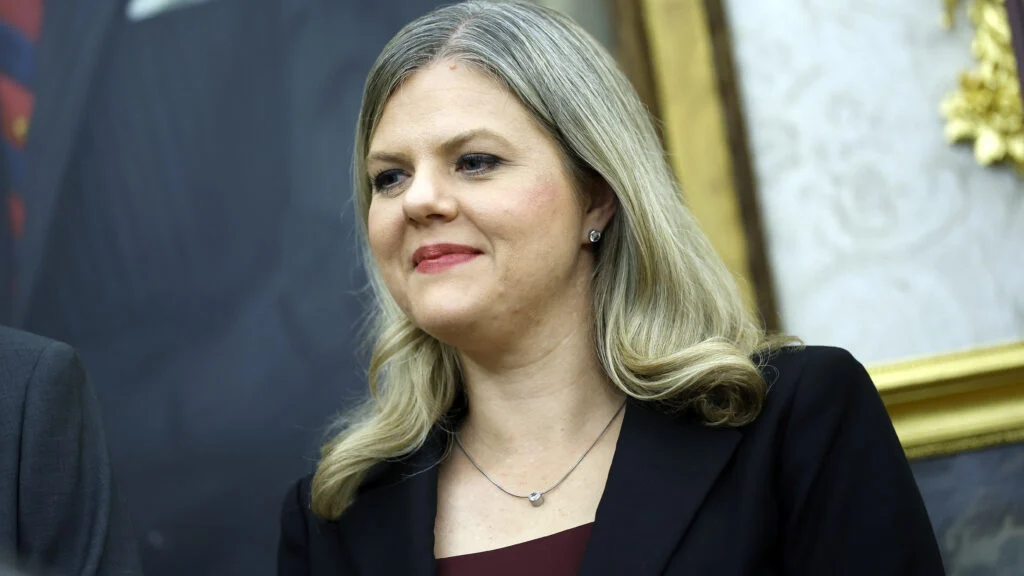
The Food and Drug Administration (FDA) stands at a perilous yet transformative crossroads. As the United States navigates an era defined by unprecedented leaps in biotechnology, artificial intelligence, and personalized medicine, the agency responsible for safeguarding public health and fostering innovation finds itself in a state of fragile transition. The nomination of Dr. Heidi Overton to lead the FDA comes at a moment of significant opportunity, but also immense institutional strain.
The FDA is the heartbeat of American medical progress. From the development of gene therapies tailored to individual genetic profiles to the repurposing of cancer-fighting cell therapies for autoimmune conditions, the scope of the agency’s responsibility has never been broader. However, the institutions that carry this progress forward are currently operating under a deficit of resources, personnel, and stability. Dr. Overton’s upcoming confirmation hearing before the Senate health committee represents a vital chance to bridge these divides, articulate a vision for the agency, and demonstrate the steady, pragmatic leadership required to steer the FDA through its most challenging chapter in decades.
The Global Competitive Landscape: A Shift in Momentum
For decades, the United States served as the undisputed center of gravity for biomedical innovation. Today, however, that dominance is being challenged by a rapidly evolving global ecosystem. While the U.S. remains a powerhouse, other nations—most notably China—have made aggressive, consistent investments to build both regulatory expertise and clinical development capacity.
Data paints a sobering picture of this competitive shift. For the first time, more Phase 1 clinical trials are initiated in China than in the United States. This is not merely a reflection of China’s expanding scientific capability; it is a testament to the country’s ability to navigate the complexities of drug development and move new compounds into human trials with greater velocity than the U.S. regulatory framework currently allows.
This trend extends beyond early-stage research. As the path to later-stage clinical trials, regulatory approval, and patient access becomes increasingly congested in the U.S., American innovators are finding it harder to maintain their lead. If the U.S. is to retain its position as the global leader in medical innovation, the FDA must streamline its own processes, reduce unnecessary bureaucratic friction, and ensure that its review functions are as agile as the science it oversees.
Chronology: A Path to the Present
The current state of the FDA is the result of years of structural challenges and recent, sharp disruptions. To understand the mandate awaiting Dr. Overton, one must look at the recent timeline of the agency’s evolution:
- 2002–2004: A period of significant policy development and agency modernization, during which the FDA began adapting to the early promise of biotechnology.
- 2017–2019: An era marked by the acceleration of breakthrough therapies and an emphasis on regulatory efficiency in the face of the opioid crisis and other public health imperatives.
- 2020–2024: The FDA serves as the frontline in the global response to the Covid-19 pandemic, cementing its role as the world’s gold standard for emergency vaccine authorization and public health guidance.
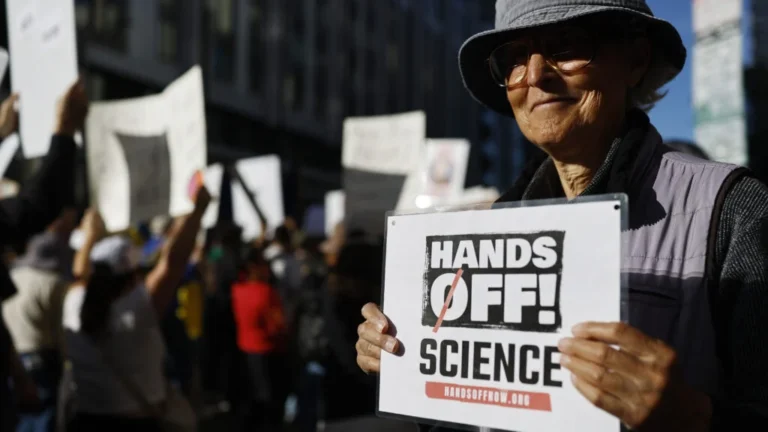
- April 2025: A period of severe fiscal and organizational contraction. The agency loses approximately 3,500 employees due to government-wide layoffs. This exodus includes critical project managers, policy drafters, and inspectors, leaving entire offices hollowed out and morale at a historic low.
- 2025–2026: The post-layoff recovery phase. The agency struggles to maintain its review timelines as internal expertise is depleted.
- September 2026: Acting Commissioner Kyle Diamantas stabilizes the workforce by initiating new hiring drives and naming permanent career officials to lead the Center for Drug Evaluation and Research (CDER) and the Center for Biologics Evaluation and Research (CBER).
- September 22, 2026: Dr. Heidi Overton’s nomination reaches the Senate, setting the stage for a confirmation hearing that will define the FDA’s trajectory for the next four years.
Supporting Data: The Cost of Institutional Attrition
The 2025 layoffs were not merely a budget exercise; they were a systemic shock. The departure of 3,500 professionals created a "brain drain" that has hindered the FDA’s ability to implement promised reforms. When policy changes—such as the modernization of clinical trials or the recalibration of testosterone regulation—are announced via press releases or media appearances but lack the staff to implement them, the ideas wither.
The loss of project managers, in particular, has been felt acutely. These are the individuals who ensure that drug reviews stay on schedule, acting as the connective tissue between pharmaceutical sponsors and agency scientists. Without them, the "predictability" that industry relies on to plan multi-billion-dollar investments is compromised.
While recent job postings suggest a path toward recovery, rebuilding an agency is a task that requires more than just filling vacancies. It requires a permanent leader who can provide the strategic certainty needed to attract top-tier scientific talent back to federal service. The current effort to make permanent the experienced career officials at the drug and biologics centers is a necessary first step, signaling to the workforce that the agency is moving away from the cycle of political instability that hampered it during the recent period of turnover.
Official Responses and Strategic Priorities
Dr. Overton enters this role with a reputation for understanding the mechanics of policy implementation. Her work during the initial Covid-19 response demonstrated an ability to navigate interagency friction, a skill that will be essential for managing the FDA’s diverse portfolio.
The role of the Commissioner is often misunderstood. The Commissioner does not—and should not—review individual drug applications; that is the purview of the agency’s thousands of career physicians and scientists. Instead, the Commissioner’s primary duty is to define the agency’s strategic priorities and provide the professional staff with the support and guidance they need to succeed.
Dr. Overton has signaled that she intends to lean on the deep expertise already embedded within the agency. Her supporters point to her history of backing career officials on difficult regulatory decisions as evidence of a leadership style that values evidence-based policy over political expediency. As she prepares for her hearing, she is expected to outline a strategy that includes:
- Workforce Revitalization: Prioritizing the retention and recruitment of top-tier scientists to fill the gaps left by the 2025 layoffs.
- Regulatory Predictability: Streamlining the review process to ensure that innovative therapies reach patients without sacrificing the rigorous safety standards that define the FDA.
- Cross-Agency Coordination: Utilizing her strong relationships with White House leadership to ensure that the FDA’s health priorities are integrated into broader federal policy.
- Modernizing Oversight: Leveraging artificial intelligence and other technological tools to bring new efficiencies to the inspection and regulatory review process.
Implications: The Road Ahead
The implications of Dr. Overton’s confirmation extend far beyond the walls of the FDA’s White Oak campus. The health of the American population and the vitality of the domestic biotech industry are inextricably linked to the agency’s operational integrity.
If Dr. Overton succeeds in rebuilding morale and restoring the agency’s efficiency, the U.S. will be well-positioned to maintain its leadership in the next wave of medical breakthroughs—from gene-editing cures to rapid-response vaccine platforms. Conversely, if the agency remains understaffed and reactive, the "innovation gap" between the U.S. and its global competitors will continue to widen, potentially delaying patient access to life-saving advancements.
The Senate confirmation hearing is not just an administrative hurdle; it is a public platform for Dr. Overton to articulate how she intends to balance the demands of safety and speed. She must demonstrate that she respects the independence of the agency’s scientists, as their confidence is the bedrock upon which the FDA’s credibility rests.
The science in front of us is nothing short of miraculous. We are on the precipice of curing diseases that were once considered death sentences. But that progress is not inevitable; it is a deliberate, arduous, and carefully regulated process. The FDA requires a leader who views the agency not as a political instrument, but as a critical piece of national infrastructure. Dr. Overton has the track record and the experience to be that leader. She understands that the path to better public health is paved by sound, science-driven regulations and a workforce that feels empowered to do its job. The world will be listening to her testimony this Thursday, waiting to see if she is ready to guide the FDA into a new era of stability and innovation.