





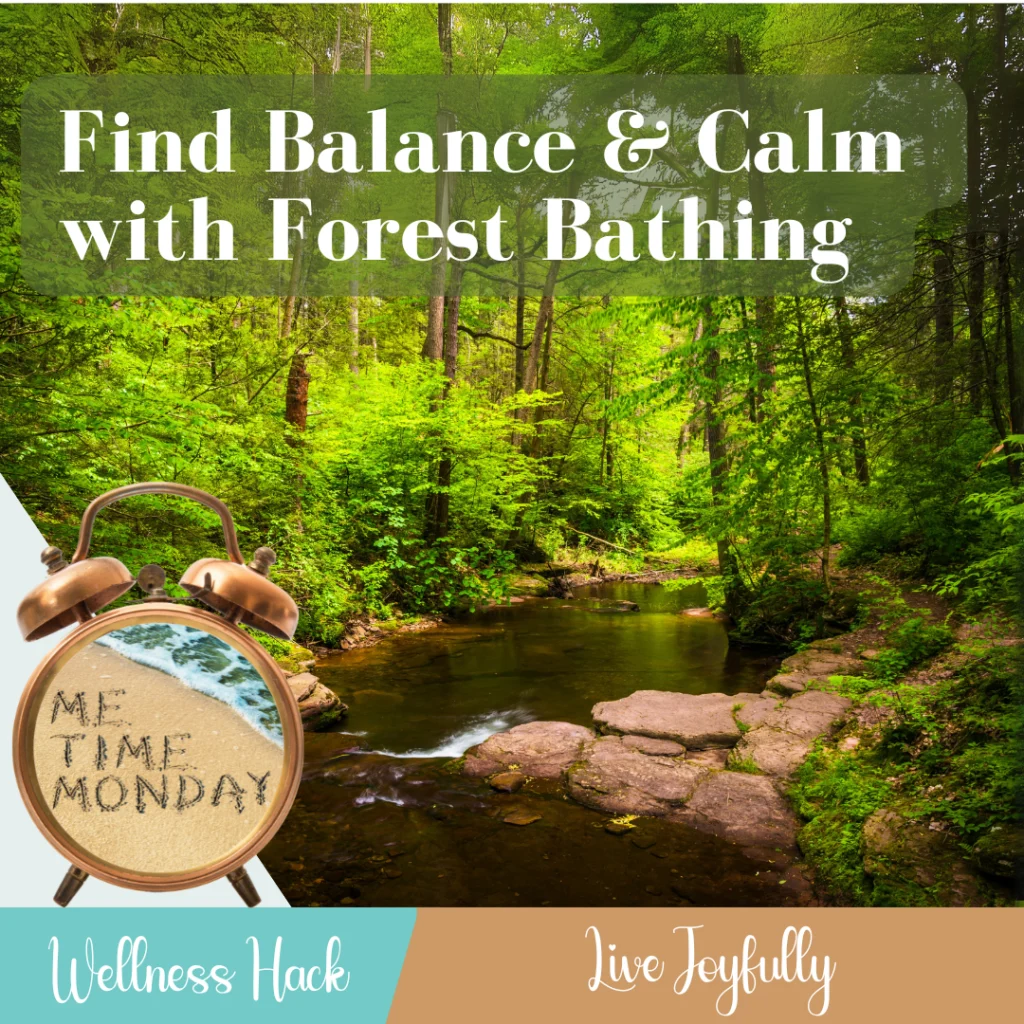
As April marks National Stress Awareness Month, the focus for millions of Americans—particularly those in the "Sandwich Generation"—shifts toward the urgent necessity of mental health preservation. For those balancing the dual demands of raising children while caring for aging parents, the concept of "self-care" often feels like an impossible luxury. However, neuroscience suggests that radical transformation doesn’t require hours of downtime. By engaging the five senses through brief, intentional "stressbuster" interventions, caregivers can significantly alter their physiological state in as little as seven minutes.
The Neuroscience of Sensory Self-Care
The fundamental premise of Me Time Monday—a philosophy grounded in the intersection of nature and brain health—is that longevity and cognitive resilience are directly tied to the stimulation of our five senses. For the chronically stressed caregiver, the brain often remains in a state of hyper-vigilance, an evolutionary byproduct that prioritizes survival over long-term health.
When we are overwhelmed, our nervous system enters "fight-or-flight" mode. By consciously interrupting this cycle with seven-minute sensory exercises, we can signal the brain to pivot toward the parasympathetic nervous system, which governs "rest and digest" functions. This practice isn’t just about feeling better in the moment; it is about reducing the systemic inflammation caused by chronic cortisol exposure, which is a leading precursor to long-term health complications.

Chronology of April Observances: A Roadmap to Wellness
To make these practices accessible, we can align daily sensory habits with specific observances throughout April. Each week provides a thematic opportunity to integrate small, manageable shifts into a caregiver’s hectic schedule.
April 1: National Walking Day and the Power of Visual Engagement
Walking is often viewed as a physical chore, but on National Walking Day, we invite a shift in perspective. Instead of focusing on steps or calories, focus on the visual environment. Research indicates that just seven minutes of walking in a natural environment is equivalent to 20 minutes of indoor treadmill exercise in terms of stress reduction and the mitigation of oxidative stress.
By "walking with your eyes"—actively cataloging the colors, textures, and movements of the outdoors—you engage the brain’s prefrontal cortex, pulling it away from ruminative stress loops. The challenge is simple: take a short walk, observe your surroundings, and attempt to recall the specific details upon returning home. This mental retrieval reinforces memory health while grounding the nervous system.

The Role of Social Wellness: National Humor Month
Social health is the bedrock of longevity. The Harvard Adult Development Study, an 85-year longitudinal project, has consistently identified the quality of one’s relationships as the single greatest predictor of health and happiness. During National Humor Month, caregivers are encouraged to leverage the power of laughter.
When you share a genuine, in-person belly laugh with a friend, your body releases oxytocin—often called the "bonding hormone." This chemical reaction acts as a natural buffer against loneliness and stress. In the context of the Sandwich Generation, where isolation is a common byproduct of caregiving, prioritizing a seven-minute phone call or a coffee break with a friend is not a social distraction; it is a clinical necessity for emotional regulation.
National Healthy Home Month: The Science of Color and Nutrition
April also celebrates the home environment. The color green is intrinsically linked to human survival and optimism; historically, it signaled a reliable food source. For older adults, green remains one of the most perceptible and calming colors.

Nutrition plays a crucial role in this, specifically through the inclusion of the avocado. Often overlooked, the avocado is a fruit (specifically a berry) that serves as a powerful tool for eye health. Rich in nutrients that block blue light exposure from digital devices—an increasing concern for those who manage caregiving logistics online—the avocado acts as a "guacamole Rx." Keeping a bowl of fresh fruit on your counter serves as a visual reminder of self-nurturance.
April 26: National Get Organized Day
Clutter is more than an aesthetic issue; it is a cognitive tax. Environmental psychology tells us that the brain perceives untidy, chaotic spaces as potential hazards, which triggers a low-level, constant stress response. By dedicating time on April 26 to decluttering, you are essentially cleaning your mental workspace. When the environment is clear, the brain can drop its guard, allowing for deeper focus and a reduction in daily cortisol spikes.
April 30: National Sense of Smell Day
The final day of the month highlights the olfactory system’s connection to air quality. Improving the home environment with houseplants such as the Areca Palm, Aloe, Bamboo, English Ivy, and Spider plant can help mitigate the accumulation of household toxins and dust. Breathing cleaner air, paired with the psychological benefits of caring for living things, completes the cycle of sensory-based self-care.

Supporting Data: The 7-Minute Intervention
The "Seven-Minute Rule" is derived from the necessity of feasibility. Many caregivers reject self-care programs because they appear to require significant time or financial investment. However, data from Me Time Monday suggests that the human brain can reset its stress response in roughly seven minutes of focused activity.
This duration is short enough to prevent the "guilt cycle" that often plagues caregivers when they step away from their duties, yet long enough to stimulate the release of beneficial neurotransmitters. By focusing on one sense at a time—sight, sound, touch, taste, or smell—the caregiver creates a "sensory anchor," a tool they can deploy anywhere, whether in a hospital waiting room or a chaotic kitchen.
Official Responses and Expert Insights
Industry experts in gerontology and mental health are increasingly endorsing the "Caregiver-First" model. Organizations that support the Sandwich Generation are shifting their focus toward "micro-interventions." These are not meant to replace professional psychological help or respite care, but rather to serve as a daily maintenance protocol.

"The goal is to move from a state of reactive crisis management to one of proactive sensory management," says one wellness advocate. "When you provide caregivers with tools that take less than ten minutes, you aren’t just giving them a break; you are giving them agency over their own biology."
Implications for the Future
The implications of these findings are profound for both individual health and the broader healthcare system. If a significant percentage of the Sandwich Generation can reduce their stress levels through simple, sensory-based habits, the ripple effect on public health could be substantial. Reduced stress leads to lower rates of hypertension, better immune function, and higher levels of patience and empathy—all of which are vital for effective caregiving.
Furthermore, employers are beginning to recognize that supporting the mental health of caregivers through these types of workshops and webinars is not just an act of corporate social responsibility; it is an investment in human capital. Retaining experienced workers who are also caregivers requires creating an environment where "me time" is normalized, not stigmatized.

Conclusion: Starting Your Journey
As we move through April, the call to action is clear: you do not need to overhaul your life to find balance. Start with seven minutes. Choose one sensory hack—perhaps a walk, a laugh, or a moment of decluttering—and apply it to your day.
For those seeking more structured guidance, resources such as the Me Time Monday book or the "Self-Care in 7 Minutes" video series on the Caregiving Club YouTube channel provide ongoing support. By integrating these neuroscientific principles into your daily routine, you are not just surviving the demands of the Sandwich Generation—you are building the resilience necessary to thrive in them. Remember, self-care is not the absence of caregiving; it is the presence of self-awareness.