








For many individuals, crossing the age of 60 marks a transition in how the body interacts with the physical world. Simple, once-automatic movements—rising from a chair, navigating uneven sidewalks, or reaching for a high shelf—begin to require a higher degree of conscious effort. While many attribute this shift solely to "getting older," fitness professionals point to a specific, remediable culprit: core decay.
The core is not merely the "six-pack" muscles seen on fitness magazine covers; it is the human body’s internal support system. It encompasses the rectus abdominis, the internal and external obliques, the transverse abdominis, and the multifidus muscles that hug the spine. When these stabilizers weaken, the structural integrity of the entire body begins to falter.
Tyler Read, a veteran personal trainer with 15 years of experience in the health and fitness industry, suggests that the traditional approach to core training—specifically the ubiquitous plank—often does more harm than good for the aging population. By shifting the focus from grueling floor-based workouts to a more approachable, bed-based regimen, seniors can rebuild stability without the joint-crushing intensity that often leads to injury and premature burnout.
The Anatomy of Core Weakness After 60
The Mechanical Domino Effect
When core strength diminishes, the body initiates a series of compensatory movements. If the transverse abdominis—the deep "girdle" of muscle that wraps around the torso—is weak, the lower back must work overtime to stabilize the spine. This leads to chronic lumbar tightness, a frequent complaint among adults over 60.
Furthermore, poor core stability contributes to a forward-leaning posture, often referred to as "kyphosis" or "hunching." This shifts the body’s center of gravity, significantly increasing the risk of falls. According to data from the Centers for Disease Control and Prevention (CDC), falls are the leading cause of injury-related death among adults aged 65 and older. Strengthening the core is not just an aesthetic goal; it is a critical fall-prevention strategy.
Why Traditional Planks Fail the Demographic
The plank is often hailed as the "gold standard" of core training. However, for those with existing shoulder mobility issues, wrist arthritis, or lower back pain, the standard plank is a recipe for disaster. The static nature of the plank places an immense load on the shoulder girdle and wrists, often causing the practitioner to "sag" in the lumbar region. When form breaks down, the primary muscles stop working, and the joints bear the brunt of the tension. This leads to early fatigue and discouragement, making consistency—the most important factor in fitness—nearly impossible to achieve.
The Bed-Based Paradigm Shift
The innovation of bed-based exercises lies in the supportive nature of the surface. A mattress provides a forgiving platform that allows for a full range of motion while ensuring the spine remains protected. By utilizing the bed as a "training mat," the exerciser removes the intimidation factor of getting up and down from the floor, a movement that itself can be hazardous for those with limited mobility.
Chronology of Progress: What to Expect
Rebuilding strength is a process of neurological adaptation.
- Weeks 1–2: Focus on mind-muscle connection. You will likely feel a sense of "activation" in the deep abdominals that you haven’t felt in years.
- Weeks 3–6: Increased endurance. You will notice that you can maintain these positions for longer periods without the shakes or tremors common in early stages.
- Weeks 6+: Functional transfer. This is the stage where you notice the difference in daily life—walking feels steadier, and the "heaviness" in your lower back begins to dissipate.
Four Essential Bed Exercises for Core Stability
Read outlines four specific movements designed to target the core from multiple angles, ensuring a comprehensive approach to stability.
1. The Bed Dead Bug: Restoring Spinal Control
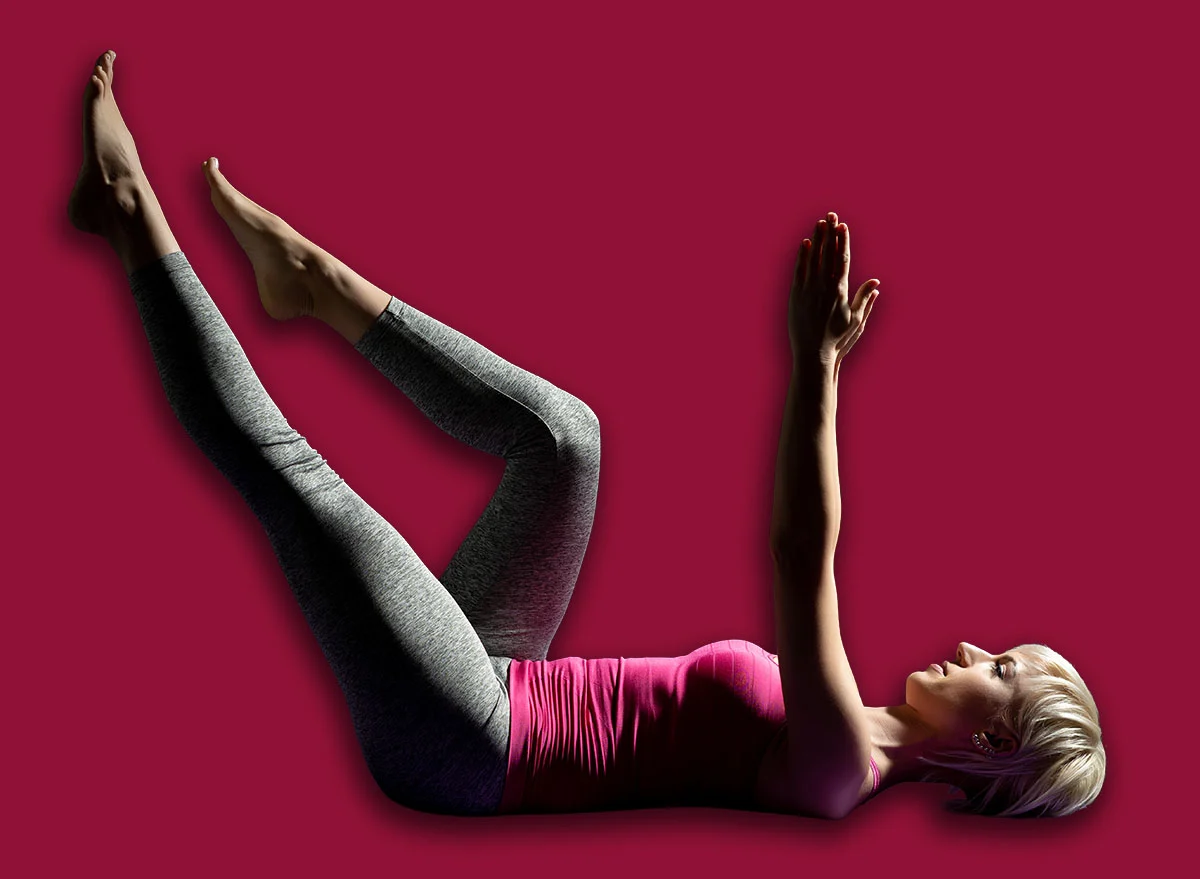
The "Dead Bug" is the cornerstone of safe core training. By lying flat on your back and moving opposite limbs, you force the core to resist rotation.
- The Science: This exercise teaches the brain to keep the spine "glued" to the bed, preventing the lower back from arching during movement. It is arguably the best exercise for teaching the body how to brace the midsection while the extremities are in motion.
- How to Execute: Lie on your back with arms extended toward the ceiling and legs in a tabletop position (knees bent at 90 degrees). Slowly lower your right arm behind your head while simultaneously extending your left leg straight out, keeping it a few inches off the mattress. Return to the center and switch sides.
2. Glute Bridge Holds: The Hip-Core Connection
The glutes are the primary stabilizers of the pelvis. When the glutes are dormant, the core loses its anchor.
- The Science: Glute bridge holds engage the posterior chain. When you lift your hips, your deep core is forced to contract to prevent your ribcage from flaring upward. This creates a bridge of strength between your lower body and your torso.
- How to Execute: Lie on your back with knees bent and feet flat on the bed. Engage your glutes to lift your hips toward the ceiling until your body forms a straight line from knees to shoulders. Hold the position for 30 seconds, focusing on breathing through the midsection.
3. Bedside Toe Taps: Lower-Abdominal Activation
The lower abdominals are notoriously difficult to target without straining the hip flexors or the lower back.
- The Science: By tapping the toes on the bed, you eliminate the risk of slamming the heels down, which can jar the spine. This movement relies entirely on controlled, slow muscle engagement.
- How to Execute: Start in the tabletop position (knees bent at 90 degrees). Keeping your knees bent, slowly lower one foot to lightly "tap" the bed, then return to the starting position. Alternate legs, ensuring your lower back remains pressed firmly into the mattress throughout the duration of the set.
4. Side-Lying Core Crunches: Targeting the Obliques
The obliques are responsible for rotational stability. Without strong obliques, the body struggles with balance during side-to-side movements.
- The Science: Many seniors neglect the lateral core. By lying on your side, you use gravity to challenge the waistline without the strain of a traditional sit-up.
- How to Execute: Lie on your side with your legs stacked and knees slightly bent. Place your top hand behind your head. Using your obliques, lift your upper torso toward your hip. Pause at the top, then slowly lower. Perform the desired reps, then roll over to the other side.
Implications for Longevity and Independence
The implications of this routine extend far beyond the bedroom. By dedicating just 10–15 minutes each morning or evening to these movements, seniors can fundamentally alter their physical trajectory.
Expert Perspective
"Consistency is the currency of longevity," says Tyler Read. "It doesn’t matter how ‘advanced’ an exercise is if it causes pain or results in you skipping your workout. The goal is to build a core that supports you in the real world—carrying groceries, playing with grandchildren, and traveling with confidence."
Official guidelines from major health organizations, including the American College of Sports Medicine (ACSM), emphasize that resistance training for older adults should focus on major muscle groups and functional movement. By integrating these four exercises, seniors satisfy the requirement for core stability training in a format that respects the body’s need for safety and joint health.
Moving Forward
The transition from a state of core weakness to core stability is not an overnight process, but it is entirely attainable. By moving away from the "no pain, no gain" mentality and embracing the restorative, supportive environment of bed-based training, individuals over 60 can reclaim their posture, their balance, and ultimately, their independence.
The next time you wake up or prepare for bed, consider those few minutes as a foundational investment. With every controlled movement and every deliberate breath, you are not just exercising; you are reinforcing the structure that carries you through the most important years of your life.