










For decades, the standard of care for early- and intermediate-stage rectal cancer has been definitive, radical surgery—specifically, total mesorectal excision (TME). While effective, this procedure often carries significant life-altering consequences, including the potential for permanent stomas, bowel dysfunction, and a general reduction in quality of life. However, a seismic shift is occurring in clinical oncology. Recent data from the STAR-TREC and TESAR trials suggest that for many patients, the "surgery-first" paradigm is no longer the only viable path.
New findings published in The Lancet Oncology indicate that a response-adapted, organ-preservation approach can safely and effectively allow a majority of patients to avoid radical surgery, maintaining their rectum without compromising their oncologic outcomes.
Main Facts: The Power of Chemoradiation
The core of the recent breakthrough lies in the STAR-TREC study, a multicenter, randomized trial that challenged the necessity of immediate surgery. The study focused on 341 patients who opted for an organ-preservation strategy rather than upfront TME.
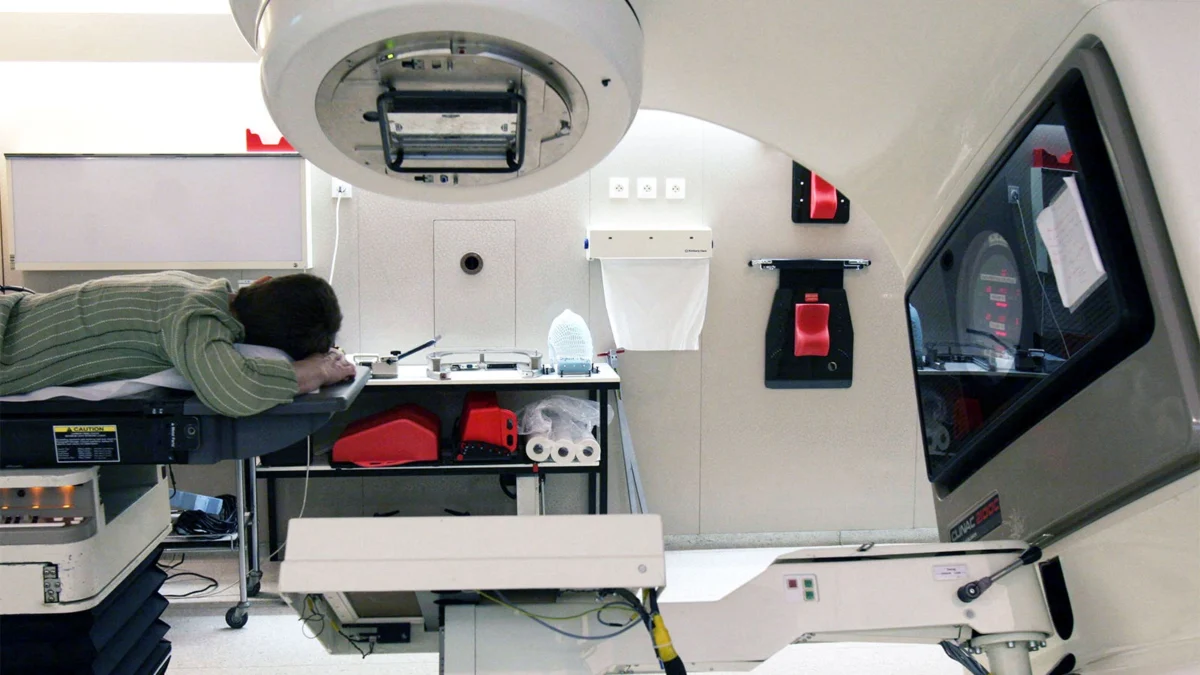
The results were compelling: 78.5% of patients randomized to receive chemoradiation therapy (CRT) remained surgery-free at the 12-month mark. For those who received only a short course of radiotherapy (RT), the rate of surgery-free survival was 60%. These findings demonstrate that, for early-stage rectal adenocarcinoma, chemoradiation acts as a powerful tool that can induce tumor regression, allowing the body to heal itself while avoiding the morbidity associated with the scalpel.
Importantly, the study highlighted that the organ-preservation strategy was associated with lower rates of serious adverse events compared to radical surgery. This suggests that the "watch-and-wait" approach is not only oncologically sound but also significantly more tolerable for the patient in the short term.
Chronology: From Opportunistic to Deliberate Care
To understand the significance of these results, one must look at how the medical community has historically approached rectal cancer.
- The Era of Opportunistic Preservation: Previously, the idea of avoiding surgery only emerged "opportunistically." Doctors would observe that some patients, who had received CRT as part of a pre-operative regimen for locally advanced disease, experienced a complete clinical response where the tumor vanished entirely. These patients might have avoided surgery, but it was not the initial intent of the treatment.
- The STAR-TREC Genesis: Researchers led by Dr. Simon Bach of University College London moved beyond serendipity. They designed the STAR-TREC trial to test organ preservation as a deliberate, front-line strategy for patients who, by conventional standards, would have been sent immediately to the operating room.
- The Phase II/III Evolution: The trial began with a focus on feasibility. As the data matured, the trial transitioned into a phase III study, adjusting its endpoints based on interim analysis. Initially designed to measure outcomes at 30 months, researchers updated the primary endpoint to a modified intention-to-treat analysis of 12-month data, reflecting the clear signal that CRT was significantly outperforming RT in keeping the rectum intact.
- The TESAR Context: Parallel to STAR-TREC, the TESAR trial provided additional weight to the conversation. Published earlier this year, TESAR investigated limited surgery followed by CRT, further validating that organ preservation is a robust alternative to radical TME for high-risk pT1 and low-risk pT2 rectal cancers.
Supporting Data: The Statistical Advantage
The strength of the current findings is bolstered by rigorous data analysis across hundreds of participants. In the STAR-TREC cohort, 503 patients were enrolled across 37 sites in five countries. When isolating the 409 evaluable patients, the superiority of CRT over RT became clear.
Comparative Outcomes at 12 Months
The hazard ratio for remaining TME-free was 1.90 (95% CI 1.29-2.81) in favor of the CRT group compared to the RT-only group. This statistical advantage confirms that the addition of chemotherapy to radiotherapy is essential for maximizing the chances of avoiding radical surgery.
Toxicity and Quality of Life
Beyond the tumor-related metrics, the study measured the "human cost" of treatment:
- Gastrointestinal Disorders: Occurred in 2% of the CRT group, compared to 8% in the primary TME group.
- Procedural Complications: Similarly, CRT showed only a 2% complication rate, compared to 6% for those who underwent radical surgery.
- Mortality: In the TME cohort, the study recorded a tragic outcome—a patient died following an anastomotic leak. No such surgical mortality occurred in the organ-preservation arms.
The TESAR trial mirrored these benefits, noting that while some recurrences occurred, the majority were successfully salvaged. This provides a safety net, suggesting that if an organ-preservation attempt fails to fully eradicate the cancer, the patient can still transition to surgery without losing the chance for a cure.
Official Responses: A Paradigm Shift in Guidelines
The implications of these trials have already begun to permeate international clinical guidelines. Dr. Ralf-Dieter Hofheinz and Dr. Emmanouil Fokas, writing in an invited commentary for The Lancet Oncology, noted that the findings "further consolidate the shift in clinical thinking."
The European Society for Medical Oncology (ESMO) has taken notice, recently adopting clinical guidelines that explicitly distinguish between two treatment algorithms: one for patients choosing radical surgery and one for those pursuing organ preservation. This institutional validation is critical, as it provides doctors with the necessary framework to offer these alternatives without fearing they are deviating from "standard of care."
Dr. Simon Bach emphasizes that while these results are encouraging, they are "still early." He notes that the next major milestone will be the 36-month follow-up data. "We would expect the majority of recurrences to occur within the first 2 years," Bach explains. By the 36-month mark, the medical community will have a much clearer picture of the long-term durability of these organ-preserving responses.
Implications: The Future of Rectal Cancer Management
The transition toward organ preservation marks a fundamental change in the philosophy of oncology. For decades, the goal was the complete removal of the organ—the source of the cancer. Today, the goal is shifting toward the preservation of function and quality of life, provided that oncologic safety is maintained.
Patient-Centered Decision Making
The success of STAR-TREC and TESAR means that patients now have a greater role in their treatment journey. When surgery is not the only option, patients can weigh the risk of local recurrence against the risk of permanent stomas or altered bowel habits. This is the essence of shared decision-making.
The Need for Long-Term Vigilance
The caveat to this shift is the requirement for intense monitoring. Patients who opt for organ preservation must commit to regular surveillance, including MRI scans and endoscopies, to ensure that if the cancer does return, it is caught in time for "salvage" treatment. This requires a healthcare infrastructure that can support frequent, high-quality monitoring.
A New Standard?
While TME remains a gold-standard for many advanced cases, for early-to-intermediate stage rectal cancer, the evidence is mounting that radical surgery should no longer be the default. By integrating CRT into the initial treatment plan, clinicians are providing a pathway for many patients to live cancer-free lives without the life-altering impacts of total mesorectal excision.
As the 36-month data from STAR-TREC approaches, the oncology world waits to see if these promising early results will hold, potentially marking one of the most significant advancements in rectal cancer care in the last half-century. For now, the message is clear: the rectum is an organ worth saving, and for a significant majority of patients, the tools to do so are finally at hand.