












Dining out with children is often described as a balancing act. For many parents, the joy of a restaurant meal is frequently eclipsed by the stress of navigating a limited, uninspiring, or overly processed children’s menu. When children are presented with options that lack appeal, mealtime can quickly devolve into a negotiation, impacting the overall dining experience for the entire family.
However, a shift is occurring in the casual dining sector. Restaurants are increasingly recognizing that families represent a significant portion of their customer base, and providing high-quality, flexible, and kid-friendly choices is no longer just a courtesy—it is a business imperative.
To identify which chains are truly excelling in this arena, we consulted with Eva Filer, a professional home chef, recipe developer, and the creator of the culinary platform My Rad Kitchen. Filer analyzed the current landscape of family dining to pinpoint the top five restaurant chains that prioritize variety, nutritional quality, and genuine kid-friendly engagement.
The Core Philosophy of Kid-Friendly Dining
The primary challenge of a children’s menu is the "chicken-fingers-and-fries trap." Many establishments default to deep-fried, beige-colored staples, which offer little nutritional value and even less excitement for a developing palate.
According to Filer, the gold standard for a modern kids’ menu is "flexibility." "When you’re dining out with kids, a little flexibility can go a long way," Filer explains. "The best menus are those that allow for customization—swapping sides, adjusting portion sizes, and offering a blend of ‘comfort’ foods and healthier alternatives."
Chronology of the Family Dining Evolution
Historically, restaurant menus for children were an afterthought. In the mid-20th century, the "kiddie menu" was popularized to ensure that families could dine inexpensively, with items almost exclusively limited to hot dogs, burgers, and grilled cheese.
By the early 2000s, parental concern regarding childhood nutrition led to a modest shift. Chains began introducing fruit cups and apple slices, though the entrees remained largely stagnant. Today, we are in the "Era of Customization." Influenced by the rise of fast-casual dining and a more health-conscious generation of parents, full-service chains have had to evolve or risk losing the family demographic. This evolution is defined by the move away from monolithic, unchangeable meals toward a modular approach where sides, proteins, and even base ingredients can be tailored to the individual child.
Top 5 Restaurant Chains for Families
1. Red Robin: The Master of Customization
Red Robin has secured its position as a family favorite by leaning heavily into the concept of personal preference. Their menu is perhaps the most flexible in the casual dining space.

- Why it works: Red Robin allows for a seamless transition between "fun" food and balanced choices. While children can still order the iconic bottomless steak fries, they can also opt for steamed broccoli or fresh fruit.
- The Expert Take: "Red Robin has one of the most flexible menus," says Filer. "Being able to swap in options like steamed broccoli while still keeping kid favorites like burgers and mac and cheese makes it especially easy to build a meal that works for different appetites."
2. The Cheesecake Factory: Beyond the Basics
Often praised for its extensive adult menu, The Cheesecake Factory applies that same "something for everyone" logic to its children’s offerings.
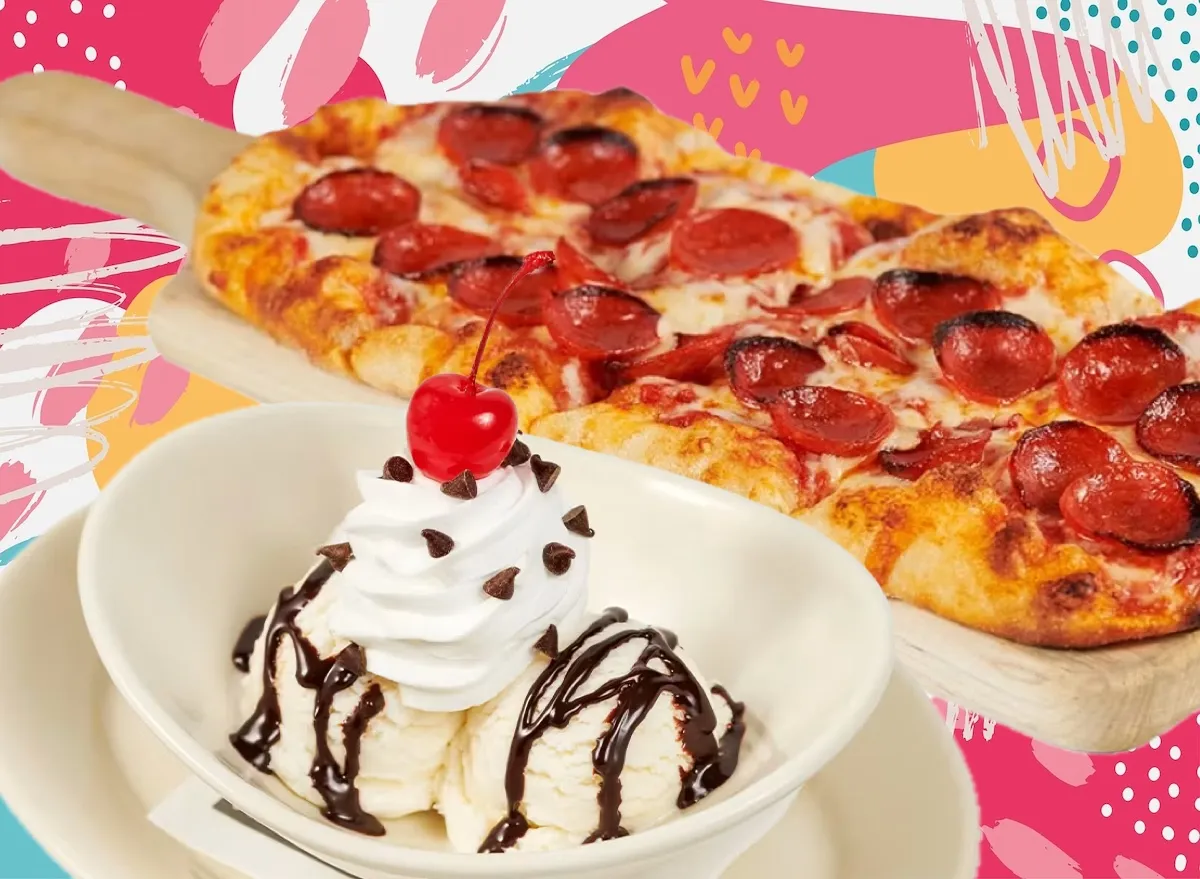
- Why it works: Many children grow out of the "nugget stage" long before they are ready to tackle a full-sized adult portion. The Cheesecake Factory bridges this gap by offering items like grilled salmon, pasta, and flatbread pizzas that mimic the sophistication of the main menu without the overwhelming size.
- The Expert Take: "The Cheesecake Factory gives kids considerably more variety than the typical handful of children’s entrées," Filer points out. "The broad selection is especially helpful for families with kids who have moved beyond the standard chicken-fingers-and-fries stage."
3. Olive Garden: The Interactive Approach
For families with picky eaters, the prospect of an Italian restaurant is often a relief. Olive Garden excels by turning the meal into an interactive experience.
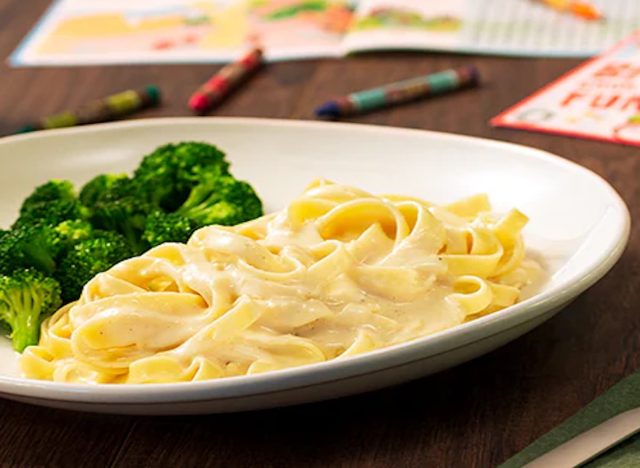
- Why it works: By allowing children to customize their pasta dishes—choosing from various shapes, sauces, and proteins—Olive Garden gives kids a sense of agency over their dinner. This autonomy is often the key to getting a reluctant eater to finish their meal.
- The Expert Take: "Olive Garden does a great job of letting kids customize a meal around foods they already enjoy," Filer notes. "That flexibility makes it particularly useful for picky eaters while still giving kids room to branch out."
4. Texas Roadhouse: A Taste of the Adult Experience
There is a psychological component to dining: children enjoy feeling like they are participating in the "adult" experience. Texas Roadhouse successfully captures this with their Ranger Meals.
- Why it works: By offering "smaller versions" of adult classics—including steak and ribs—the restaurant makes children feel included in the dining occasion. The value proposition is also high, as these meals are substantial enough to satisfy growing children without the price point of a full adult entree.
- The Expert Take: "Texas Roadhouse offers more substantial choices than you typically find on a kids’ menu," says Filer. "The ability to choose a side and drink makes it a good value while giving kids a meal that feels more like a smaller version of what the adults are eating."
5. Chili’s: The Reliable Crowd-Pleaser
Chili’s has mastered the balance of consistency and variety. Their menu is designed for speed and ease, which is a critical factor for parents dining with toddlers or young children.
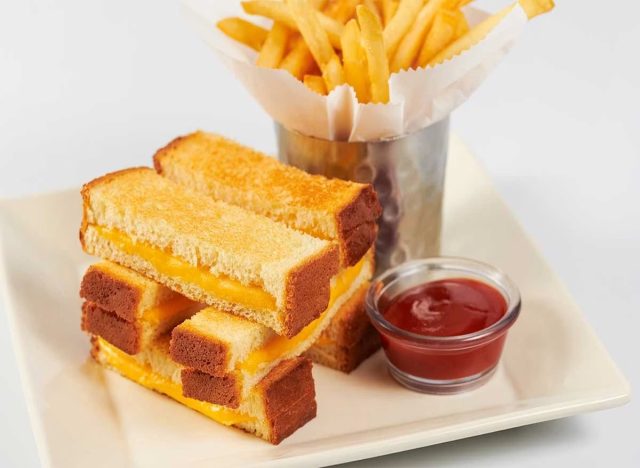
- Why it works: Chili’s offers a reliable selection of comfort foods—quesadillas, pizza, tenders—but backs them up with a robust selection of side dishes. It is a "no-surprises" menu that delivers exactly what the customer expects every time.
- The Expert Take: "The range makes it easy to find something for a picky eater while still giving kids more choice than the typical nuggets-and-fries menu," Filer explains.
Supporting Data: What Drives Parental Choice?
Market research consistently shows that when families choose where to dine, the "Kids’ Menu" is a top-three decision factor. According to data from the National Restaurant Association, families are willing to spend an average of 15-20% more per ticket if they feel the menu accommodates their children’s specific dietary preferences.
Key metrics for parental satisfaction include:
- Speed of Service: Getting the kids’ food out first is a vital operational standard.
- Nutritional Transparency: Menus that clearly list sides as "healthy alternatives" (veggies, fruit, yogurt) are favored over those that default to chips or fried sides.
- Price-to-Portion Ratio: Parents are highly sensitive to the value of a kids’ meal; if the meal is too small, they end up ordering an adult portion, which leads to food waste and higher costs.
Official Responses and Industry Implications
The restaurant industry has taken note of these trends. In recent statements, representatives from major chains have emphasized that their R&D (Research and Development) departments are now tasked with "cross-generational appeal."
The implications for the industry are profound:
- Sustainability: By simplifying kids’ menus and sharing ingredients with the adult menu (e.g., using the same grilled chicken for an adult salad and a kid’s wrap), restaurants are reducing food waste and streamlining supply chains.
- Competitive Advantage: Chains that fail to modernize their children’s offerings are finding it increasingly difficult to attract the millennial and Gen Z parent demographics, who prioritize quality and variety.
- Social Dynamics: Restaurants are recognizing that if the child is unhappy, the parents are stressed, and the duration of the stay decreases. A happy, well-fed child leads to a longer, more profitable dining experience for the establishment.
Final Thoughts: The Path Forward
As the culinary landscape continues to shift, the restaurants that will thrive are those that view children as "guests" rather than "afterthoughts." By offering a mix of reliable comfort, the ability to customize, and higher-quality ingredients, these five chains are setting a benchmark for the rest of the industry.
For parents, the takeaway is clear: you no longer have to settle for the lowest common denominator in kids’ meals. With a bit of research and a focus on these expert-recommended spots, your next family outing can be a genuinely enjoyable culinary experience rather than a logistical challenge.
Whether your child is a budding foodie looking for grilled salmon or a classic fan of mac and cheese, the modern restaurant menu is evolving to meet them exactly where they are—one plate at a time.