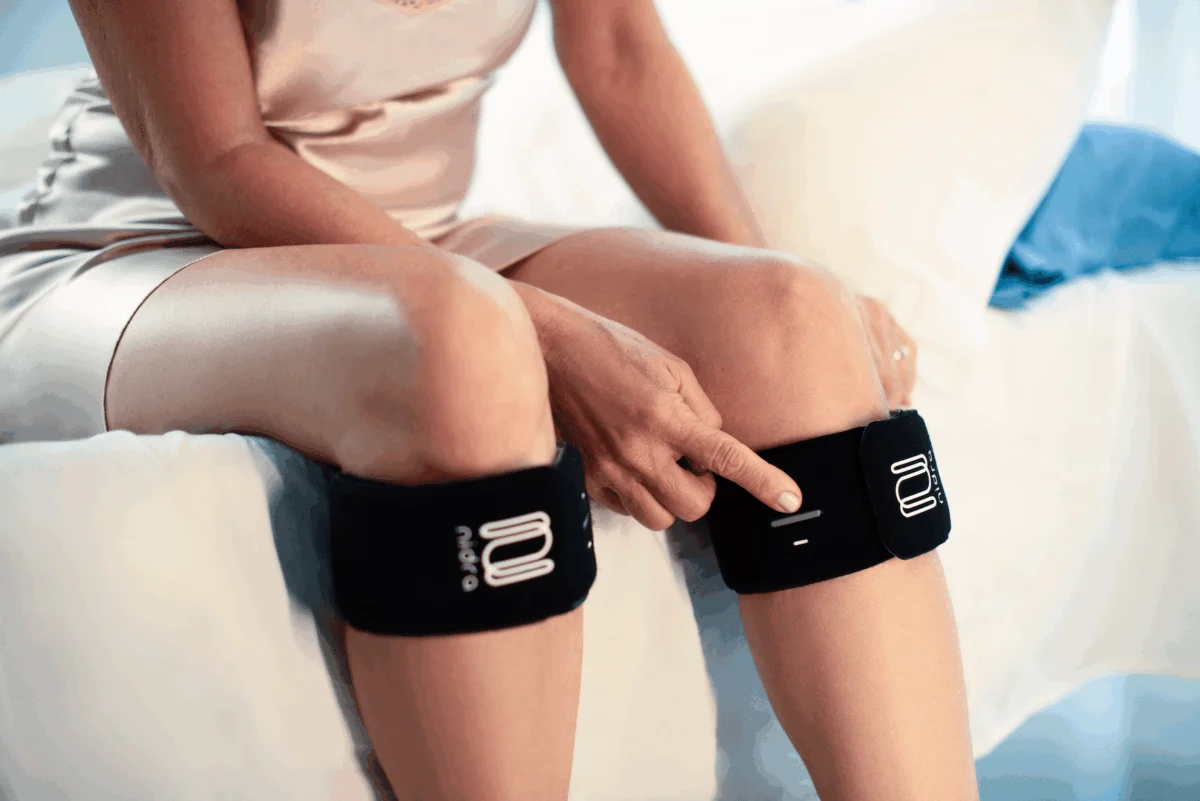
In a strategic maneuver aimed at solidifying its position as the global leader in sleep health technology, San Diego-based ResMed has announced a definitive agreement to acquire Noctrix Health. The $340 million deal brings the innovative "Nidra" system—an FDA-cleared, noninvasive nerve stimulation device for refractory restless legs syndrome (RLS)—directly under the ResMed umbrella. This acquisition signals a pivot for the medical device giant, as it looks beyond its core focus on sleep-disordered breathing and obstructive sleep apnea (OSA) to address a significant, underserved segment of the sleep health market.
The Core Facts: A Strategic Consolidation
The acquisition, valued at $340 million, is slated to close on or around June 1, 2026. Noctrix Health, a high-growth medical device firm, has gained industry attention for its Nidra system, which received FDA de novo classification for the treatment of moderate-to-severe refractory RLS.
For ResMed, the move is more than an addition to its product catalog; it is an exercise in operational synergy. By integrating Noctrix’s RLS therapy into its existing portfolio, ResMed aims to leverage its massive, pre-established network of sleep physicians and home medical equipment (HME) providers. The company plans to fold Noctrix’s financials into its "Americas Devices" category, positioning the device as a flagship offering for a condition that affects millions but has historically lacked non-pharmacological, long-term solutions.
Chronology of the Partnership
The path to this acquisition was not abrupt. ResMed has maintained a strategic, long-term interest in Noctrix Health, having served as a key investor since 2024. This early financial stake allowed ResMed to monitor the clinical adoption and market reception of the Nidra system closely.
- 2024: ResMed begins its investment journey in Noctrix Health, recognizing the potential of noninvasive nerve stimulation in the sleep space.
- 2025 (Ongoing): Noctrix continues to scale, reaching an annual revenue run rate of approximately $24 million while maintaining gross margins that exceed those of ResMed’s core business.
- Q2 2026: The official acquisition agreement is signed, with a targeted closing date of June 1, 2026.
- Post-June 2026: Noctrix financials are integrated into ResMed’s reporting, with continued investment planned for R&D and market penetration.
Supporting Data: Addressing a Global Sleep Crisis
The rationale for the acquisition is grounded in robust epidemiological data. RLS is the third-most-prevalent sleep disorder globally, following only obstructive sleep apnea and chronic insomnia. Despite its prevalence—affecting approximately 7% of the global adult population, or roughly 17 million Americans—treatment options have historically been limited to pharmacological interventions, which often carry side effects or lose efficacy over time.
"Nidra provides a drug-free, noninvasive alternative," notes industry analysis. The clinical necessity is compounded by the significant overlap between RLS and OSA. Many patients suffering from obstructive sleep apnea also report RLS symptoms, making the cross-selling potential between ResMed’s CPAP/APAP devices and the Nidra system exceptionally high.
Financially, Noctrix presents an attractive growth profile. With an annual revenue run rate of $24 million and a growth trajectory that outpaces ResMed’s current baseline, the acquisition is expected to eventually bolster the company’s bottom line, despite an anticipated $0.02 reduction in non-GAAP earnings per share for the fourth quarter of fiscal 2026. This dip is viewed as a necessary investment in the aggressive R&D and sales strategies required to scale the technology globally.
Official Responses and Strategic Vision
During the company’s third-quarter earnings call, Michael Farrell, CEO and chairman of the board at ResMed, framed the acquisition as a natural evolution of the company’s mission.
"RLS treatments from Noctrix are noninvasive, clinically proven, and drug-free, just like our CPAP/APAP and bilevel therapies," Farrell stated. "The reach of our ResMed brand among sleep physicians and HME providers, as well as our national and international distribution channel strength, makes us the best owner of this scarce asset."
Farrell’s comments underscore the "synergy play." ResMed has spent decades cultivating relationships with Durable Medical Equipment (DME) providers and sleep labs. By utilizing these existing channels, ResMed can bypass the typical hurdles faced by startups trying to enter the medical equipment market. The device will essentially "piggyback" on the logistical framework that already delivers millions of masks and machines to patients annually.
Implications for the Sleep Health Market
The acquisition of Noctrix Health holds several profound implications for the medical device industry:
1. The Rise of Non-Pharmacological Sleep Medicine
The shift toward device-based treatments for neurological or sleep-related conditions is accelerating. With increasing patient pushback against sleep medications—which can cause dependency or daytime grogginess—the market for noninvasive, nerve-stimulating wearables is poised for a period of rapid expansion.
2. Market Consolidation and Channel Dominance
ResMed’s dominance in the OSA space is well-documented. By acquiring a leader in the RLS space, the company is effectively "fencing off" the sleep health ecosystem. Physicians who already rely on ResMed’s diagnostic software and treatment devices will now have a "one-stop-shop" solution for their patients’ respiratory and neurological sleep issues.
3. Impact on HME/DME Providers
Home Medical Equipment providers stand to benefit significantly from this acquisition. With a streamlined path to reimbursement and established distribution protocols, providers can integrate Nidra into their standard workflows with minimal friction. This makes it an attractive product to stock, further cementing the bond between ResMed and its distribution partners.
4. Competitive Landscape
Competitors in the sleep space may now feel the pressure to diversify. If ResMed successfully creates a "sleep health ecosystem" that covers OSA, RLS, and eventually other sleep-related comorbidities, other players will need to pivot from single-product strategies to comprehensive platforms.
Looking Ahead: The Future of RLS Care
As the industry looks toward the closing date in June 2026, the focus will shift to execution. ResMed has pledged to continue investing in the research and development of the Nidra system. This suggests that the company is not just looking to sell the current version of the device but is intent on refining the technology and perhaps expanding its indications.
The integration of Noctrix into the Americas Devices category marks the start of a new chapter for ResMed. By moving into the RLS space, the company is demonstrating that its ambition is not merely to treat sleep apnea, but to become the comprehensive authority on the science and treatment of human sleep.
For the millions of patients currently suffering from refractory RLS, the backing of a global leader like ResMed brings the promise of better access to technology, improved insurance coverage, and a standard of care that moves away from the reliance on systemic pharmaceuticals. As the deal moves toward finalization, the broader sleep medicine community will be watching to see how quickly the "ResMed engine" can scale this breakthrough therapy to the millions who need it most.