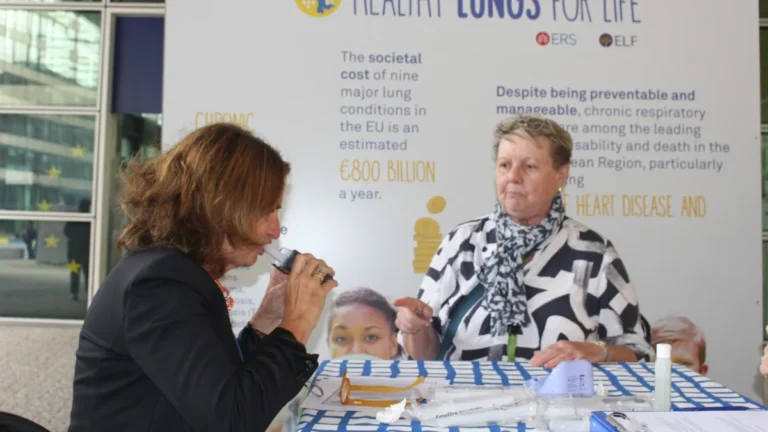
The landscape of modern respiratory care is defined by the dedication, clinical expertise, and community engagement of practitioners who serve on the front lines of patient health. As the American Association for Respiratory Care (AARC) continues to champion the profession, its members are increasingly recognized for their leadership in education, clinical excellence, and advocacy.
From the halls of academia to the complexities of critical care units, AARC members are setting the gold standard for respiratory therapy. This report chronicles recent highlights of member achievements, exploring how these individuals are shaping the future of the profession through scholarship, technological innovation, and community outreach.
I. Main Facts: A Snapshot of Professional Impact
Recent weeks have seen a surge of media coverage celebrating the contributions of AARC members. These stories—spanning from Massachusetts to Florida—highlight the multifaceted nature of the respiratory therapy profession. The achievements range from the support of rising student talent to the institutional recognition of clinical excellence and the integration of high-fidelity simulation technology in classrooms.
The key highlights include:
- Academic Excellence: Marlena Pellon, a dedicated AARC student member, was honored with the 2025 Brad Leidich Memorial Scholarship, recognizing her commitment to the field.
- Clinical Recognition: Rob Sigler, MBA, RRT, CPFT, FACHE, and Crystal Fey, BSRT, RRT, RRT-NPS, were instrumental in leading their facility to the prestigious AARC Apex Award.
- Technological Advancement: Randy Solly, MS, RRT, RPFT, AE-C, spearheaded the integration of advanced critical care mannequins to enhance student training at Gwynedd Mercy University.
- Community Engagement: Lisa Leib, RRT, RRT-NPS, is leading efforts at Eastern Florida State College to demystify the profession for prospective students.
- Programmatic Certification: Kelsey Guyan, CRT, played a key role in the recent certification of the Fulton County Medical Center’s Cardiovascular and Pulmonary Rehabilitation Program.
II. Chronology of Recent Professional Milestones
The timeline of these achievements underscores a consistent trend: the elevation of the respiratory care profession through proactive engagement.
Early January 2026: The year began with a focus on clinical quality, as Robert Wood Johnson University Hospital announced its receipt of the AARC Apex Award. This achievement highlighted the leadership of practitioners like Rob Sigler and Crystal Fey, whose commitment to excellence placed their facility among the elite respiratory care departments in the nation.
Mid-January 2026: Attention shifted to the classroom and the future of the workforce. Randy Solly’s announcement regarding the acquisition of a state-of-the-art critical care mannequin signaled a shift toward high-fidelity simulation in respiratory therapy education. Shortly thereafter, coverage of the Fulton County Medical Center’s certification reflected the importance of standardized, high-quality rehabilitation programs in rural healthcare.
Late January 2026: The focus moved to student development and recruitment. The announcement of Marlena Pellon as the recipient of the Brad Leidich Memorial Scholarship served as a poignant reminder of the importance of financial support for the next generation of therapists. Simultaneously, Lisa Leib’s outreach initiatives in Florida highlighted the urgent need to bridge the gap between education and the community, ensuring a robust pipeline of new talent.
III. Supporting Data and the Evolution of RT Practice
The common thread linking these stories is the evolving nature of respiratory care. No longer viewed solely as a bedside support role, the modern RT is a clinical leader, a technician, and an educator.
The Impact of Simulation Technology
The acquisition of critical care mannequins, as reported by Randy Solly, is not merely an equipment upgrade; it is a pedagogical revolution. According to recent educational research, high-fidelity simulation improves clinical judgment and patient safety outcomes by allowing students to experience "high-acuity, low-frequency" events in a controlled environment. By integrating these tools, programs like those at Gwynedd Mercy University are closing the gap between theory and practice, ensuring that graduates are "day-one ready."
Standards of Care and Certification
The certification of programs, such as the one featured at Fulton County Medical Center, serves as a benchmark for patient care. The American Association of Cardiovascular and Pulmonary Rehabilitation (AACVPR) certification process requires rigorous adherence to evidence-based practices. For professionals like Kelsey Guyan, these certifications provide the framework necessary to improve patient outcomes, reduce hospital readmissions, and enhance the quality of life for those suffering from chronic pulmonary diseases.
IV. Official Responses and Perspectives
The achievements of these members reflect the core values of the AARC. When asked about the importance of these milestones, leaders in the field emphasize that success is rarely an individual endeavor.
"The Apex Award is a testament to the collaborative culture of our respiratory care team," noted Rob Sigler regarding the award at Robert Wood Johnson University Hospital. "It reflects our collective commitment to patient-centered care and the relentless pursuit of quality."
Similarly, in the academic sphere, educators like Lisa Leib emphasize the importance of community visibility. "The respiratory care field is often hidden in plain sight," Leib noted in a recent interview. "Our goal with the upcoming open house is to show the community that this is a dynamic, high-tech, and incredibly rewarding career path. We are looking for the next generation of innovators."
Regarding student support, the scholarship win by Marlena Pellon underscores the legacy of leaders who came before. The Brad Leidich Memorial Scholarship specifically serves to honor those who have passed by investing in those who are just beginning their journey, ensuring the profession continues to attract high-caliber, compassionate individuals.
V. Implications: The Future of the Respiratory Care Profession
The implications of these news stories are significant for the profession at large. As healthcare continues to face staffing challenges and an aging population with increased respiratory needs, the visibility of the profession becomes paramount.
A Call for Continued Advocacy
The work of members like Sigler, Fey, Solly, Leib, and Guyan demonstrates that professional advocacy happens in three distinct ways:
- Clinical Excellence: Proving the value of RTs to hospital administration.
- Pedagogical Innovation: Ensuring the next generation of RTs is better trained than the last.
- Community Outreach: Expanding the reach of the profession to potential recruits.
The Role of Technology and Simulation
The move toward advanced simulation is set to become the standard. As these mannequins become more sophisticated, the "clinical rotation" model will likely undergo a transformation. RT programs that invest in this technology are not only attracting students but are also aligning themselves with the future of patient safety standards.
Sustaining the Workforce
The recruitment efforts led by members like Lisa Leib are critical. The demand for qualified respiratory therapists has reached an all-time high, driven by the increasing prevalence of chronic respiratory diseases and the complexities of modern critical care. By inviting the community to witness the profession firsthand, programs are demystifying the role, highlighting the autonomy, and showcasing the technological challenges that define the modern therapist’s day-to-day life.
Conclusion
The recent features of AARC members across various media platforms serve as more than just a list of accomplishments; they are a narrative of a profession in transition. Whether through the lens of a student receiving a life-changing scholarship or a hospital department earning national recognition, these stories highlight the resilience and adaptability of respiratory therapists.
As we look toward the remainder of 2026, the trajectory for the respiratory care profession remains bright. The commitment of AARC members to excellence in education, clinical practice, and community service remains the foundation upon which the future of respiratory health will be built. For those currently in the field, these stories serve as an inspiration to continue pushing the boundaries of what is possible in patient care. For those considering the profession, they provide a roadmap for a career that is as impactful as it is challenging.
The AARC continues to support these professionals, ensuring that the voice of the respiratory therapist is heard, respected, and utilized to its fullest potential in the pursuit of better respiratory health for all.