Updated September 30, 2026
For many, the concept of "joy" is tethered to external circumstances: a promotion, a physical achievement, or a period of ease. However, a growing movement in the world of adaptive movement suggests that joy is not a destination to be reached, but a state of being to be cultivated from within—regardless of physical limitations.
At the center of this philosophy is a transformative approach to yoga that challenges the traditional, able-bodied standards of the practice. By shifting the focus from physical "perfection" to internal presence, practitioners are discovering that even amidst profound grief, paralysis, or chronic pain, the capacity for joy remains intact.
The Philosophy of "Ananda": Joy as a Constant
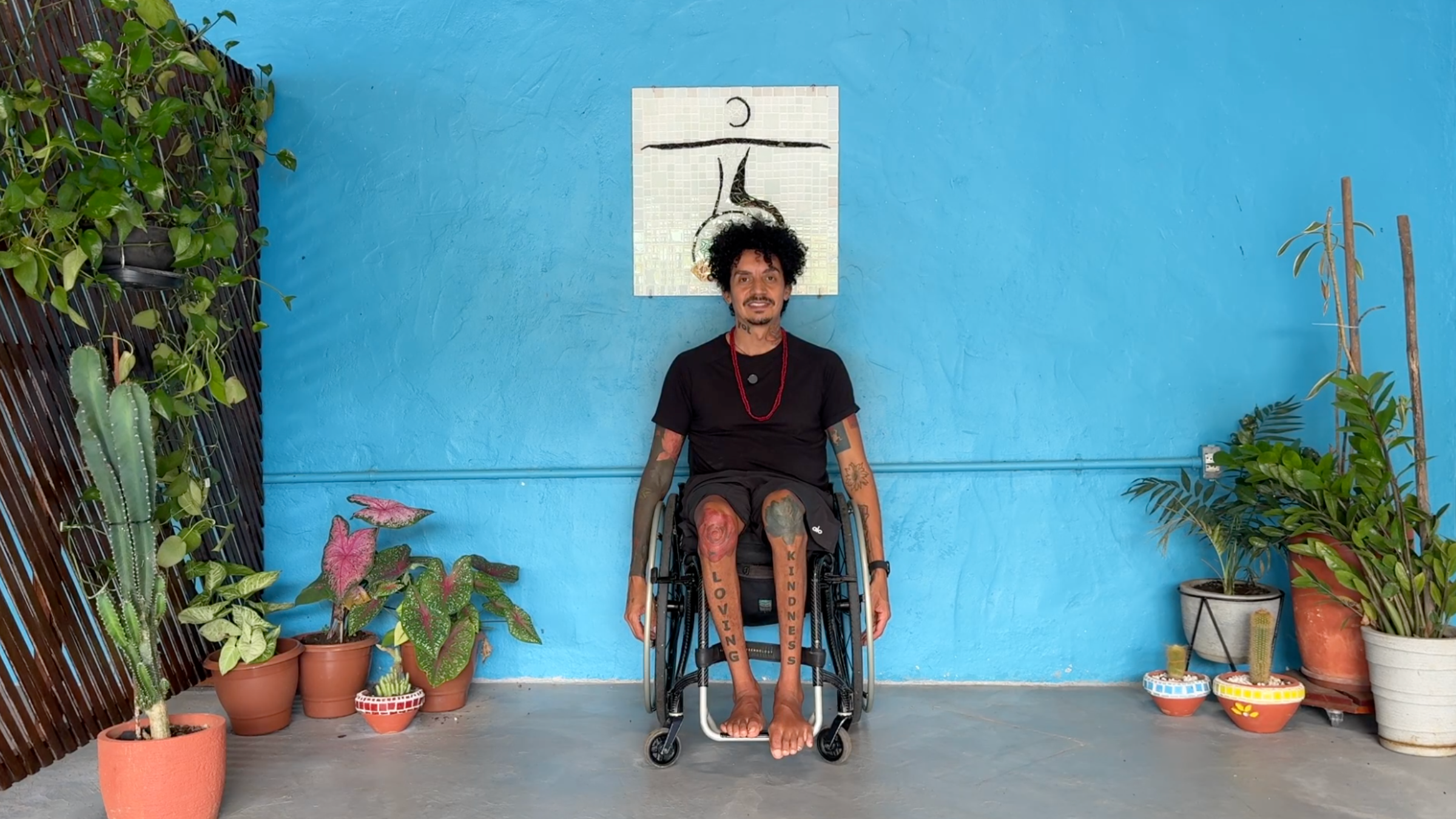
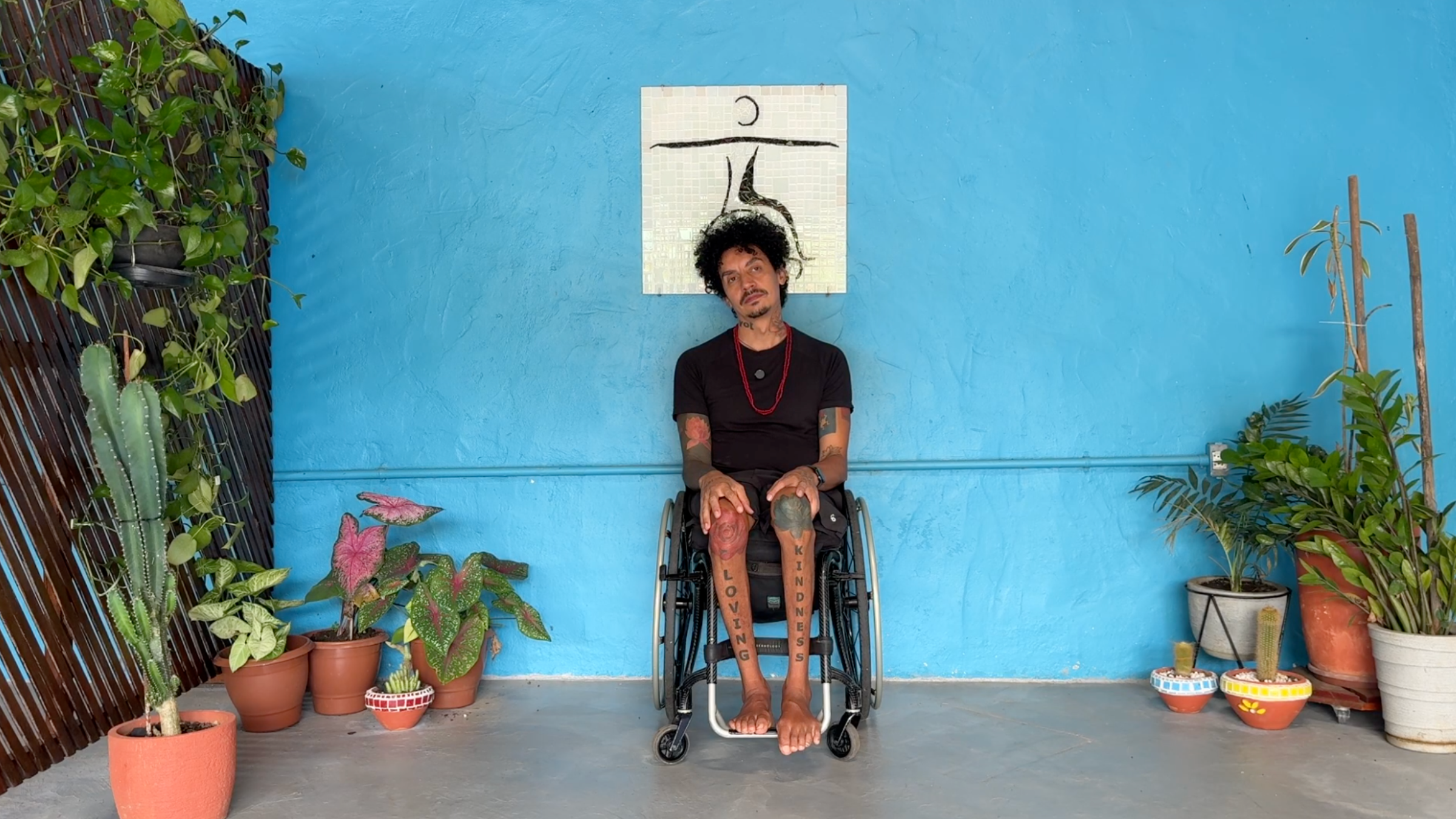
The word "joy" is permanently inked on the neck of our subject—a physical manifestation of a profound internal shift. Following a life-altering accident that resulted in paralysis from the chest down, the journey toward rediscovering happiness was not linear.
"For a long time, I thought joy belonged to the moments when life was going well," they explain. "Before my accident, it was easy to imagine happiness as something connected to my circumstances: what my body could do, where I could go, what I could accomplish. Then my body changed completely. There was grief. There was pain. There was a life I had known that was suddenly gone."
The breakthrough came through the practice of yoga, specifically the yogic concept of ananda—often translated as bliss or deep, abiding joy. Unlike the fleeting spikes of pleasure, ananda is viewed as a foundational layer of human consciousness that exists beneath the noise of fear, expectations, and societal labels.
Chronology of a Shifted Perspective
The evolution of this perspective did not happen overnight. It followed a distinct path of transformation:
- The Era of External Validation: Prior to the accident, joy was conditional, defined by physical autonomy and professional achievement.
- The Period of Profound Grief: The immediate aftermath of the injury forced a confrontation with loss, stripping away the old definitions of self-worth.
- The Integration Phase: Through consistent yoga practice, a new understanding emerged. The realization dawned that grief and joy are not mutually exclusive; they can inhabit the same space.
- The Present State of Awareness: Joy is now treated as a "return"—a quiet, consistent place one visits through breath, mindfulness, and the acceptance of the current reality.
Supporting Data: The Science of Adaptive Movement
While the philosophical implications of this practice are deeply personal, the physiological benefits of adaptive, chair-based yoga are backed by an increasing body of movement science.
Downregulating the Nervous System
The practice described here emphasizes "slow exhalation"—a technique that triggers the parasympathetic nervous system. When a practitioner purses their lips and exhales slowly, like blowing through a straw, they are actively signaling to the vagus nerve that the body is safe. This state of downregulation is essential for individuals dealing with the chronic stress of disability or trauma, as it moves the body from a "fight or flight" response into a "rest and digest" state.
Cognitive Re-framing Through Proprioception
By shifting attention from "judgment" of the body to "curiosity" about it, practitioners engage in what psychologists call interoceptive awareness. Instead of focusing on what a limb cannot do, the practice focuses on what is present: the sensation of air on the skin, the rhythm of the breath, or the warmth in the chest. This cognitive shift has been shown to reduce symptoms of anxiety and depression in individuals living with spinal cord injuries.
Official Perspectives: The Inclusivity of Yoga
The rise of adaptive yoga is a response to a long-standing critique of the wellness industry: that it is often exclusionary, prioritizing a specific type of mobile, flexible body.
"Yoga does not ask me to escape sadness in order to reach that place," the practitioner notes. "It asks me to become present enough to notice that sadness is not the only thing here."
This approach echoes the sentiments of leading physical therapists and movement experts who advocate for "radical accessibility." By using a chair as the primary support, the barrier to entry is lowered, and the focus is returned to the spirit and the breath—the true components of the practice.
Implications for Modern Wellness
The implications of this approach extend far beyond the yoga mat. If joy can be cultivated while paralyzed, or while navigating profound loss, then the modern definition of a "successful" or "happy" life is fundamentally flawed.
1. Decoupling Joy from Circumstance
The primary implication of this movement is the decoupling of joy from external achievement. When individuals learn that they do not need to "earn" joy, they become less susceptible to the cyclical pressures of productivity and social comparison.
2. The Multiplicity of Truth
The realization that the heart is "spacious enough to hold more than one truth" is a vital psychological tool. It allows for the co-existence of conflicting emotions, preventing the "toxic positivity" that often plagues modern self-help culture. It is possible to be grateful and grieving simultaneously.
3. Presence as a Tool for Resilience
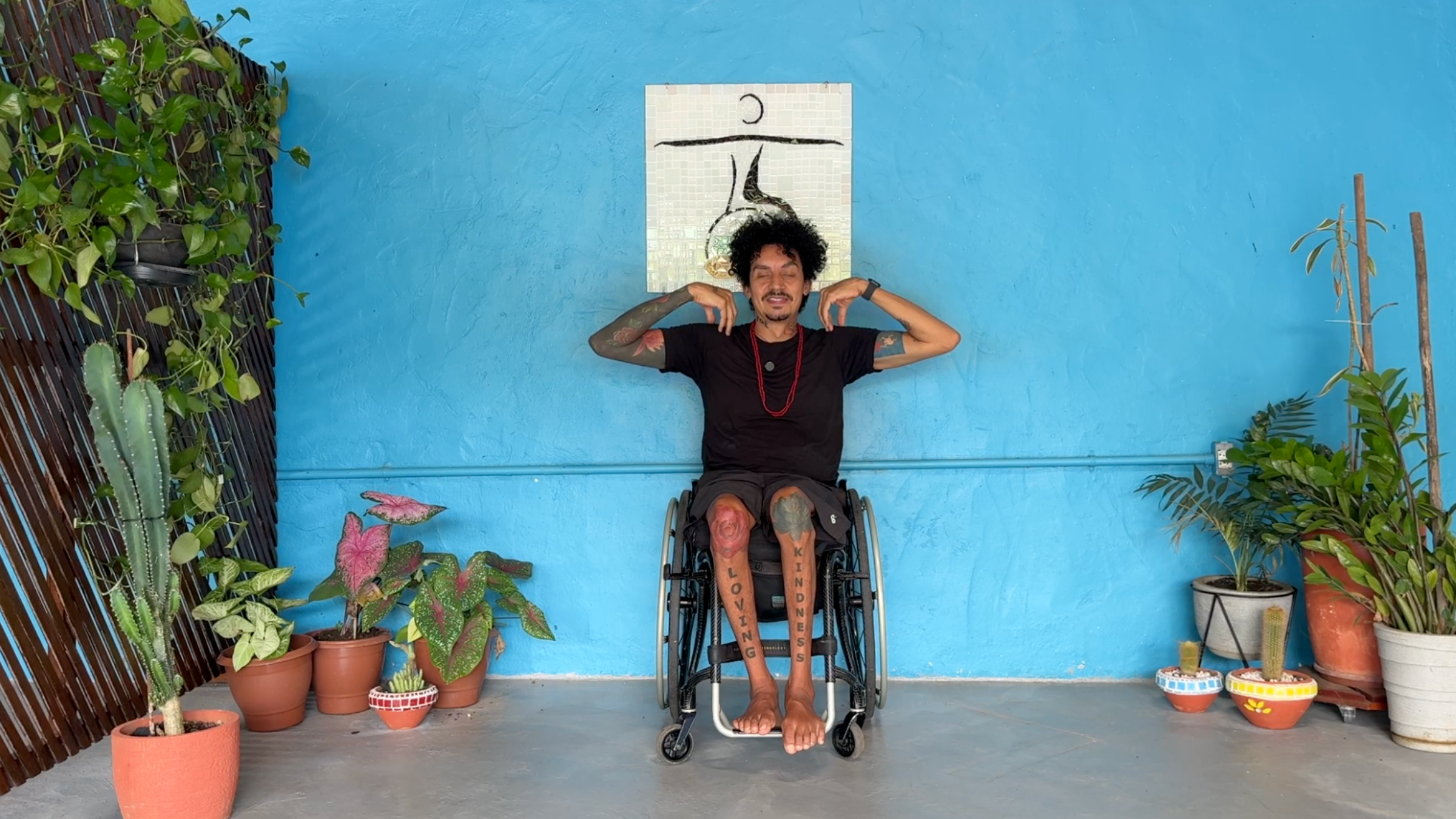
The practice of 20-minute, intentional movement serves as a "reset button." For those facing daily challenges, this practice is not just exercise—it is a survival mechanism. It is a way to prove to oneself, repeatedly, that the capacity for peace is never lost; it is merely waiting to be noticed.
20-Minute Accessible Practice: A Guide
The following sequence is designed for everyone, regardless of physical ability. It is a reminder that yoga is not about the shape of the body, but the state of the mind.
Phase 1: Centering and Breathwork
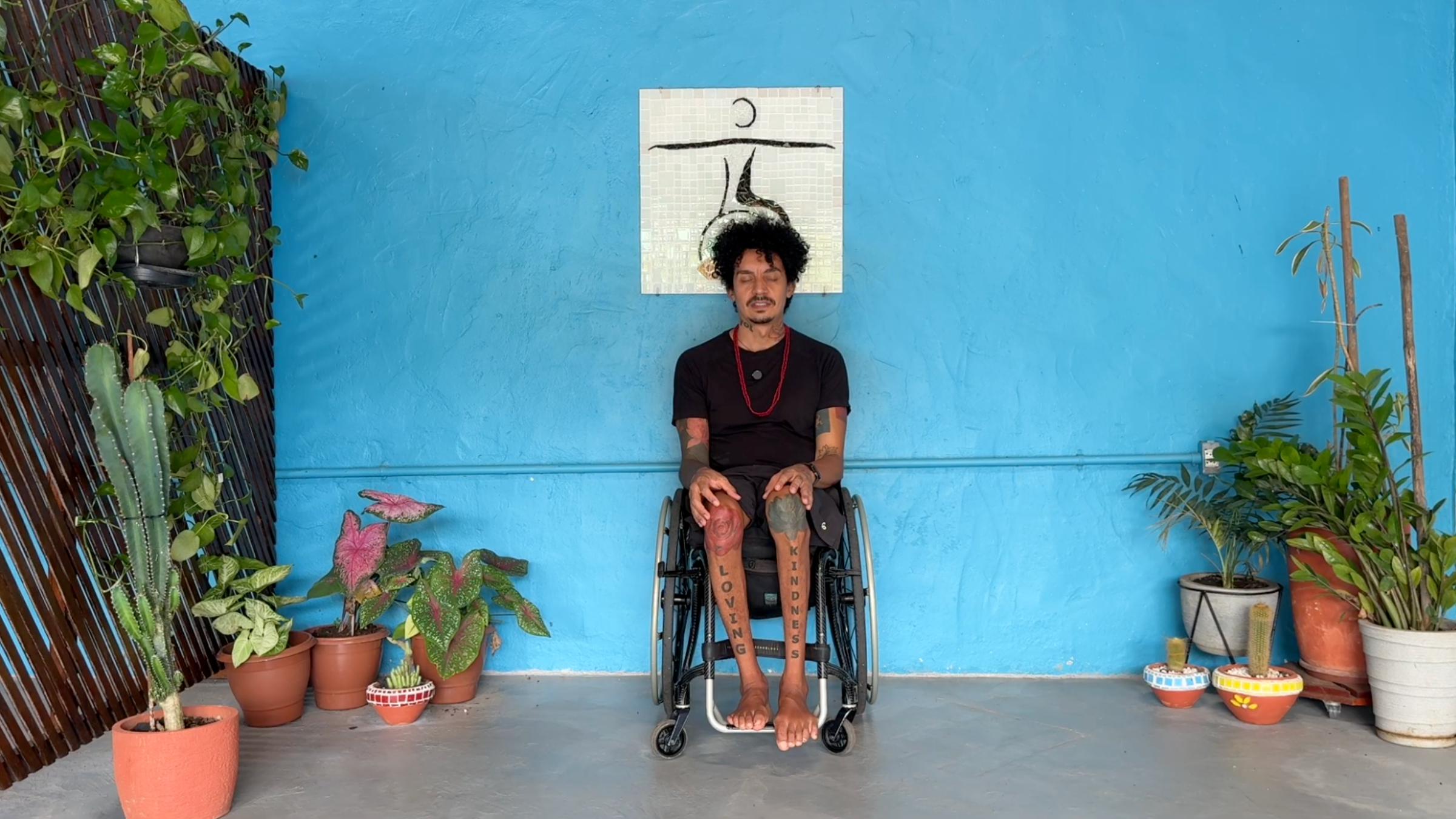
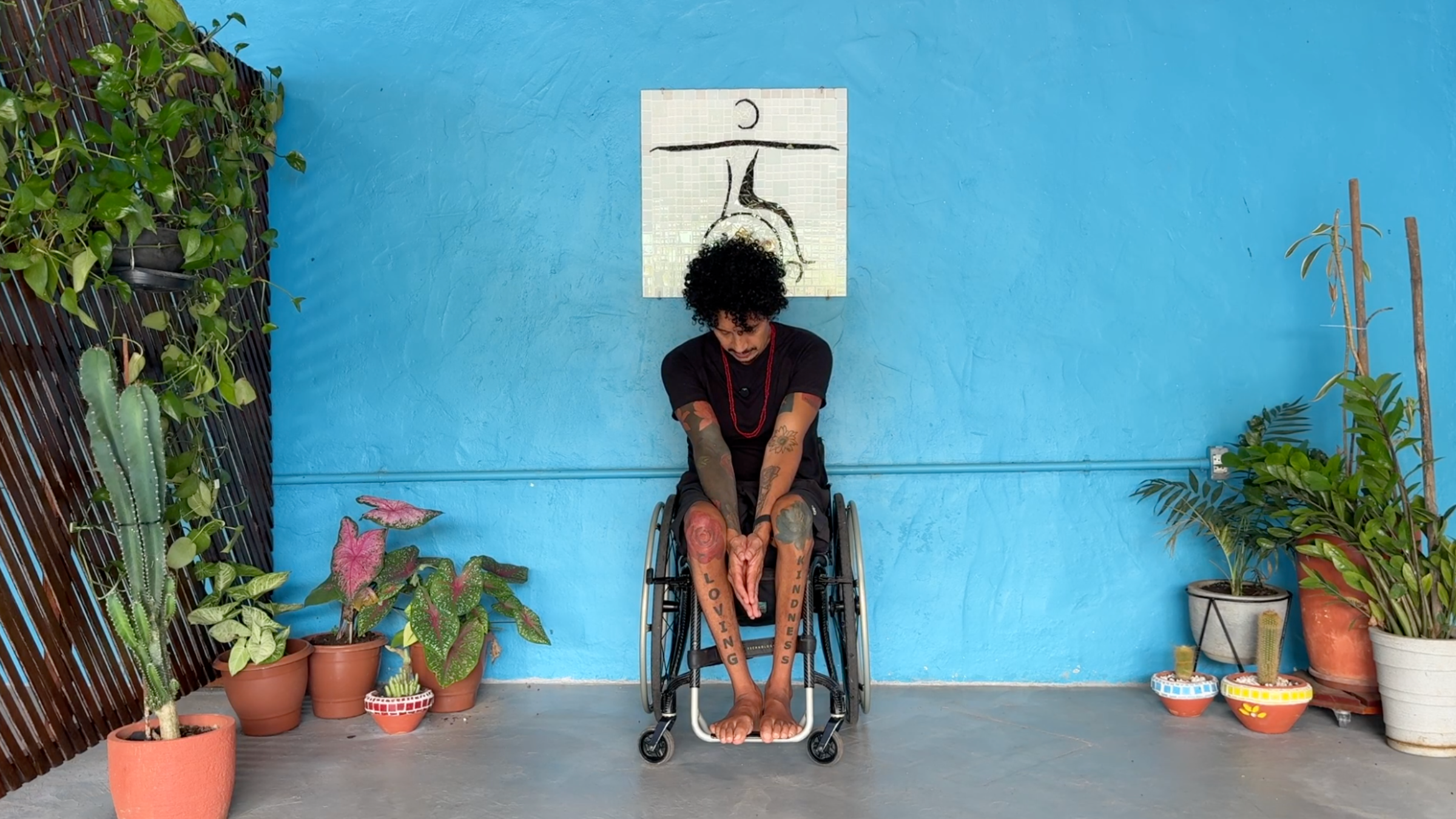
Find a stable seat. Palms rest on thighs, shoulders soften. By closing the eyes and raising the corners of the mouth—even slightly—the practitioner signals the brain to begin searching for the "seed of joy." Visualizing light radiating from the heart center helps to ground the practitioner in the present moment.
Phase 2: Mountain Pose (Tadasana)
Sitting tall, ground the sitting bones. Extend the spine. This pose creates the structural foundation for all subsequent movements. It is an act of defiance against the temptation to slump or collapse under emotional weight.
Phase 3: Sun Breaths
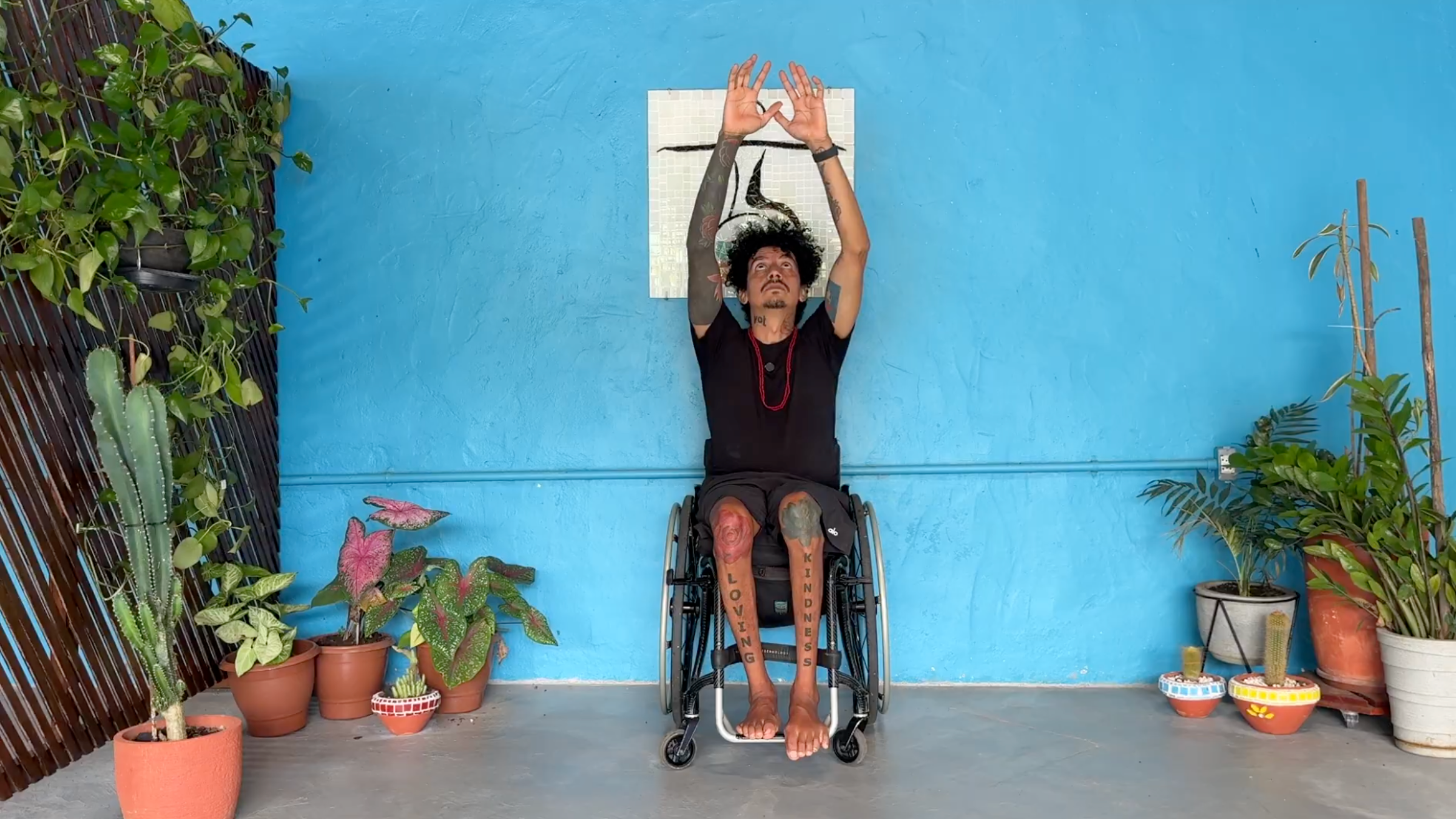
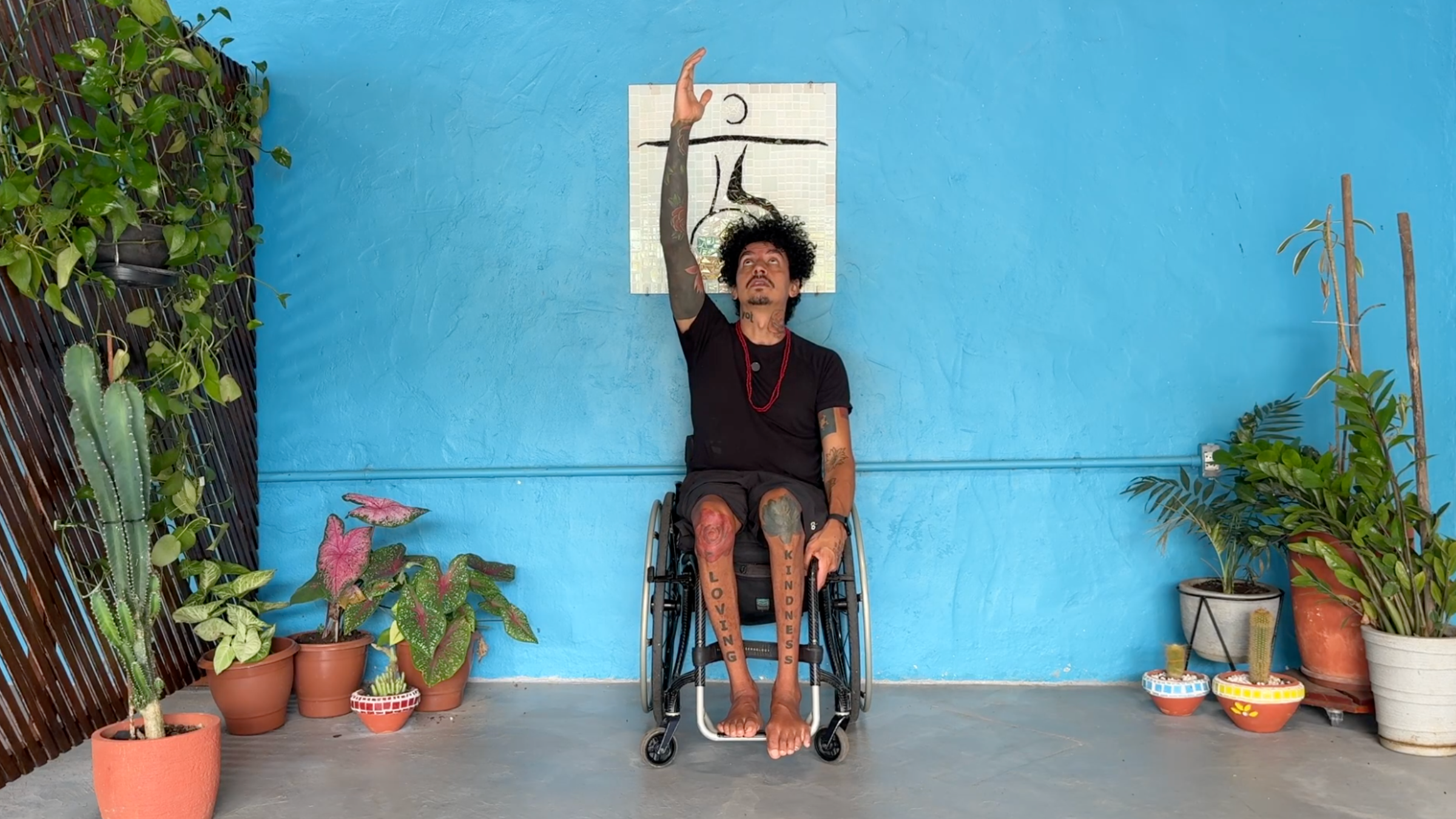
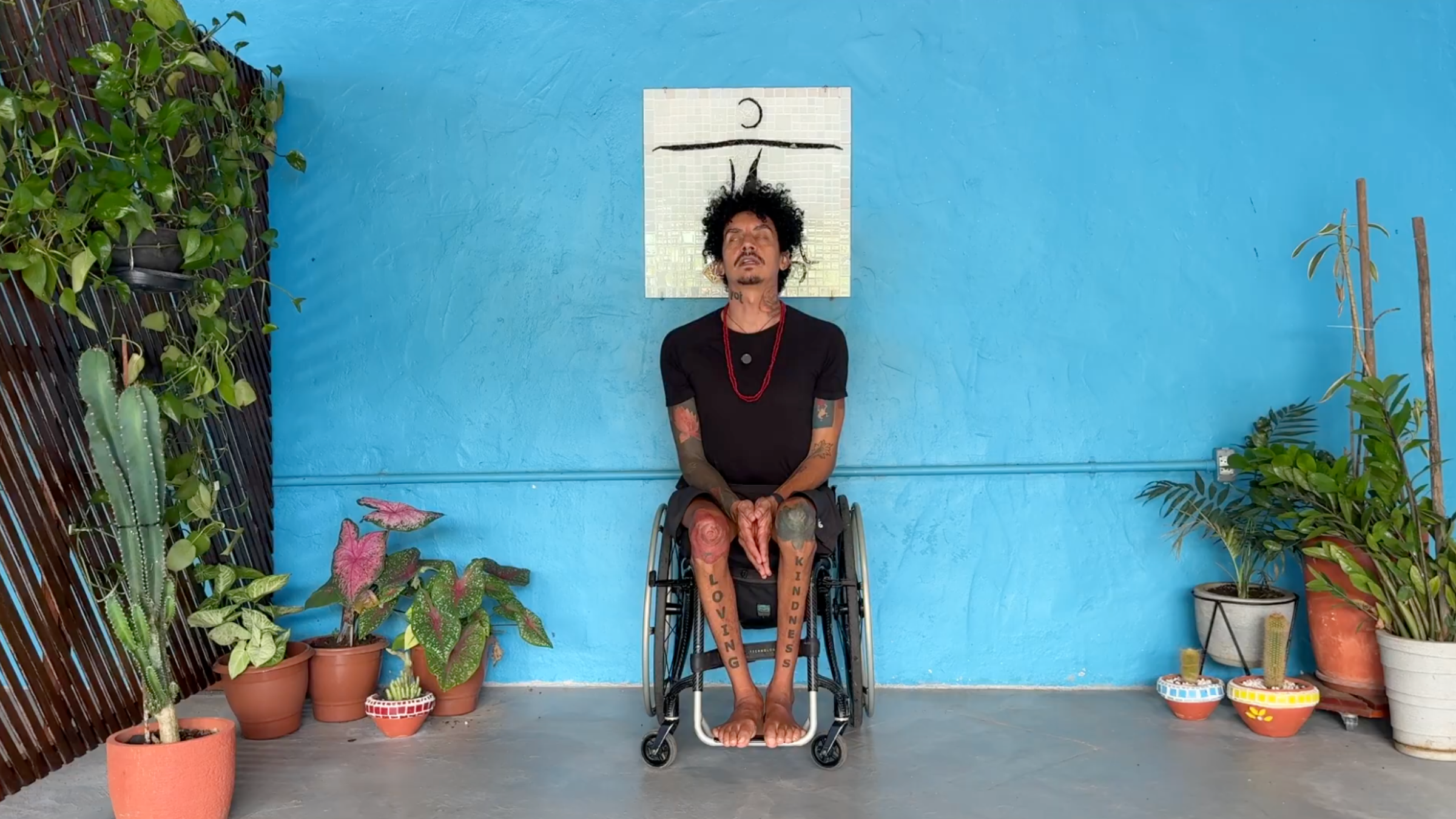
Trace the shape of the sun with the arms. Synchronize movement with breath:
- Inhale: Raise arms, gaze upward.
- Exhale: Long, soft, and slow, mimicking the blowing out of 75 candles.
This rhythmic cycle serves to downregulate the nervous system, preparing the body for deeper stretching.
Phase 4: Neck and Shoulder Releases
Using the chair for balance, these stretches address the tension often held in the upper body. Gentle neck rolls and shoulder rolls allow for the release of physical trauma, while the conscious movement serves as a metaphor for "dancing through life’s sorrows."
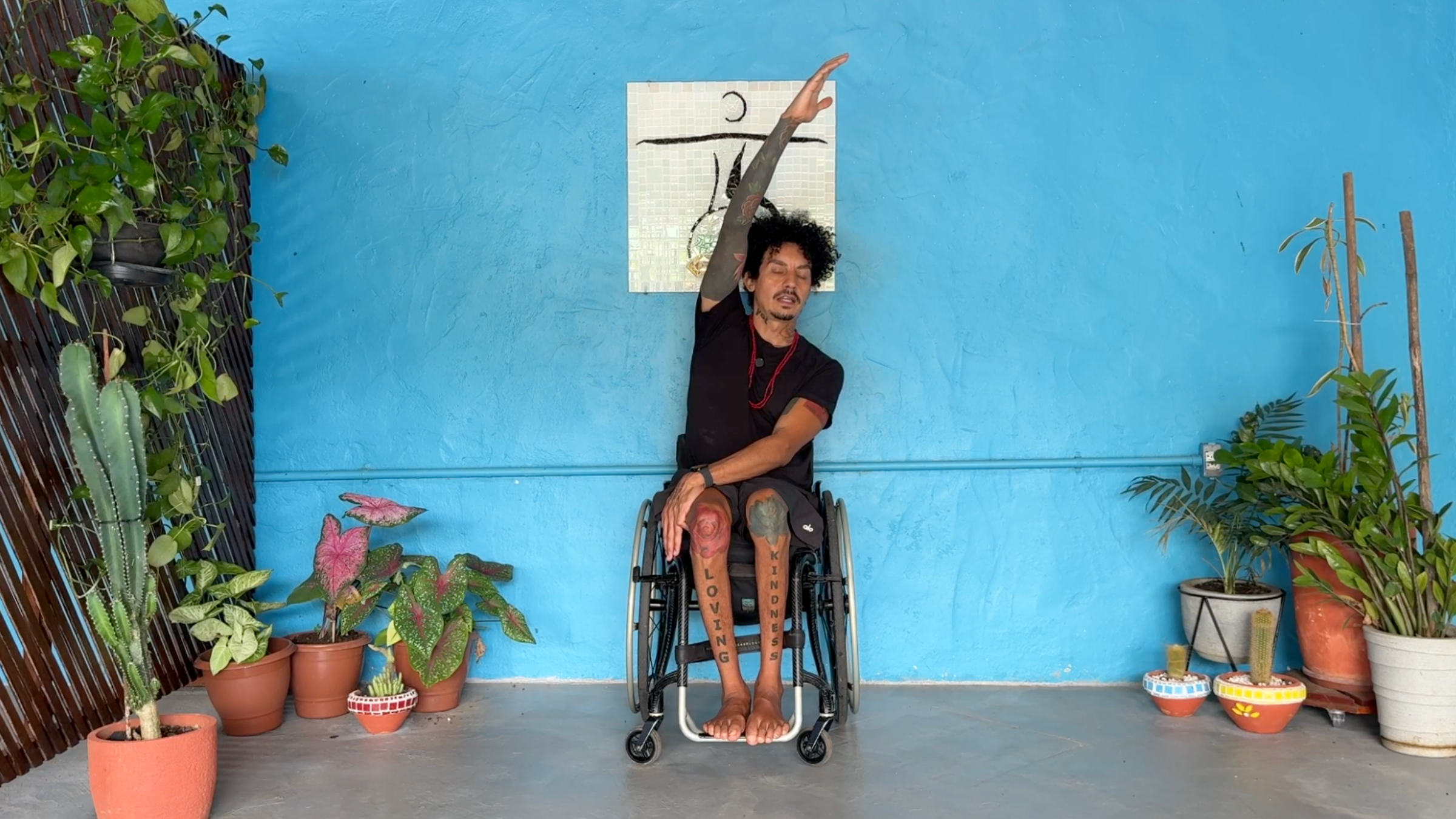
Phase 5: Spinal Mobility (Twists and Flexion)
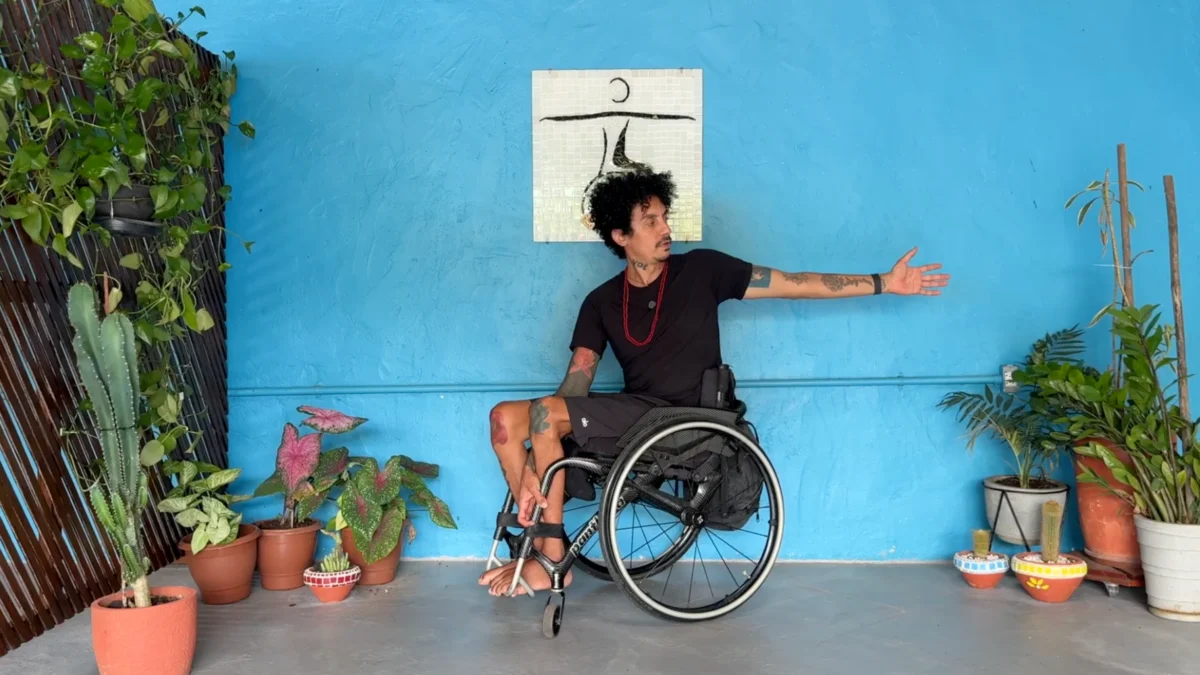
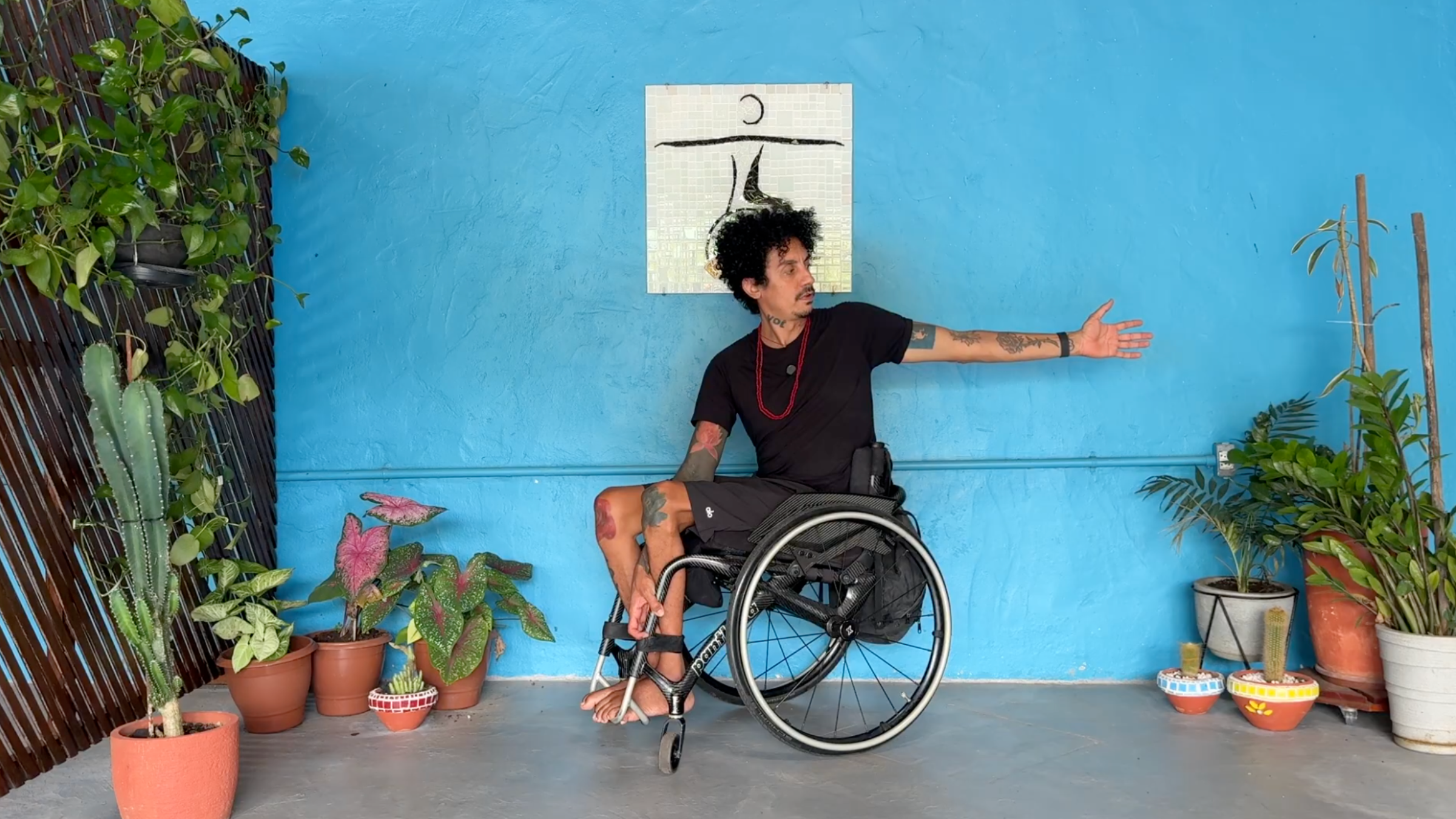
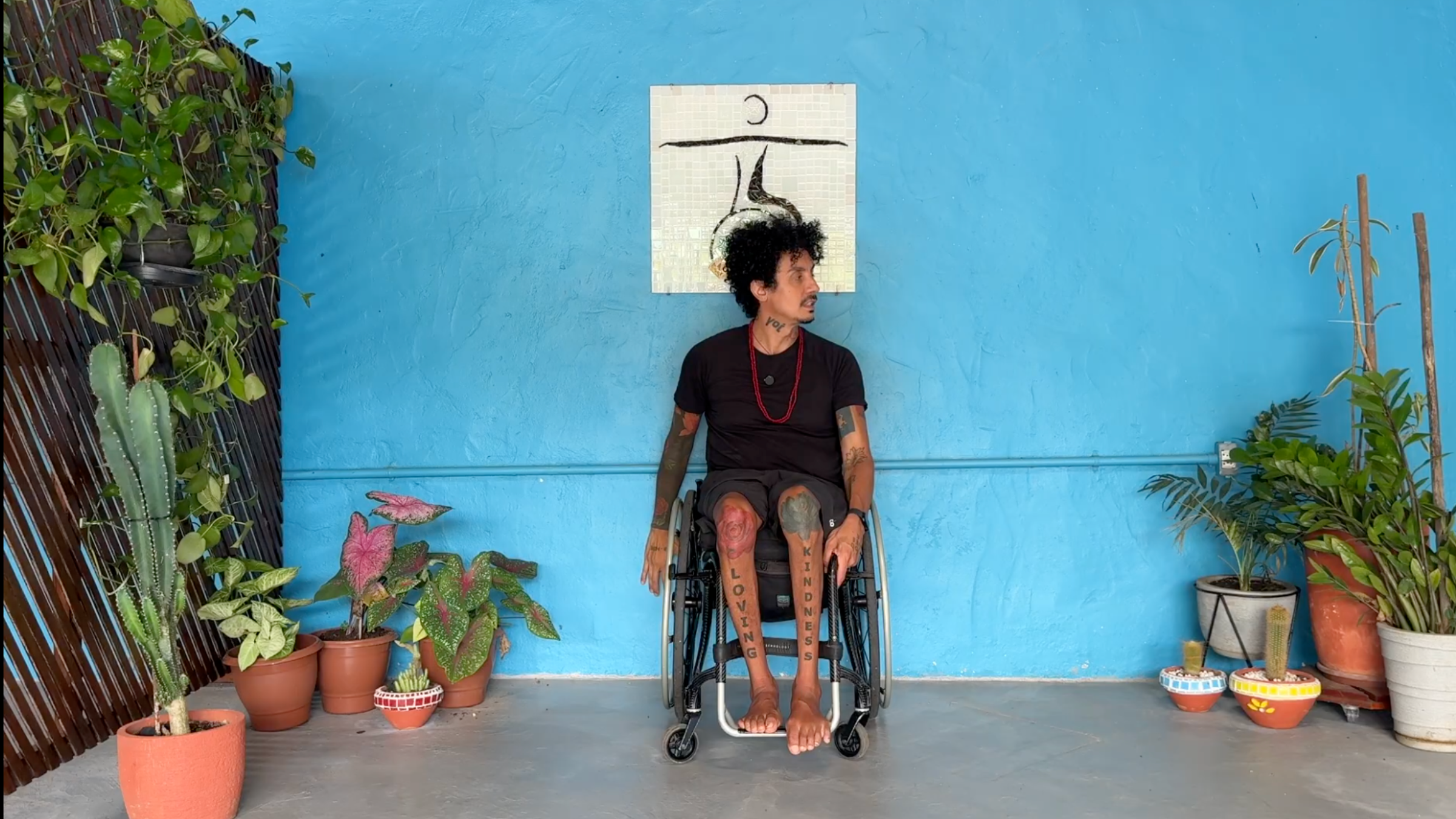
- Seated Twist: Gently open the spine, rotating toward the back wall. This movement creates space in the torso, both literally and figuratively.
- Cat-Cow: Using the hands on the knees, alternate between rounding the back (Cat) and opening the chest (Cow). This flow is the "dance of life"—the movement between contraction and expansion, between sorrow and openness.
Phase 6: Closing and Reflection
Return to the center. Close the eyes. Think of a small, specific moment of joy—the smell of rain, the warmth of the sun, the feeling of breath. By anchoring the mind in this specific, small truth, the practice concludes with the realization that joy is not a far-off goal; it is a permanent resident of the human experience.
Conclusion: The Joy That Remains
The ultimate takeaway from this movement is that we are made of multitudes. The practice of yoga, specifically when adapted for accessibility, proves that we do not need to "become" someone else before we are allowed to feel joy.
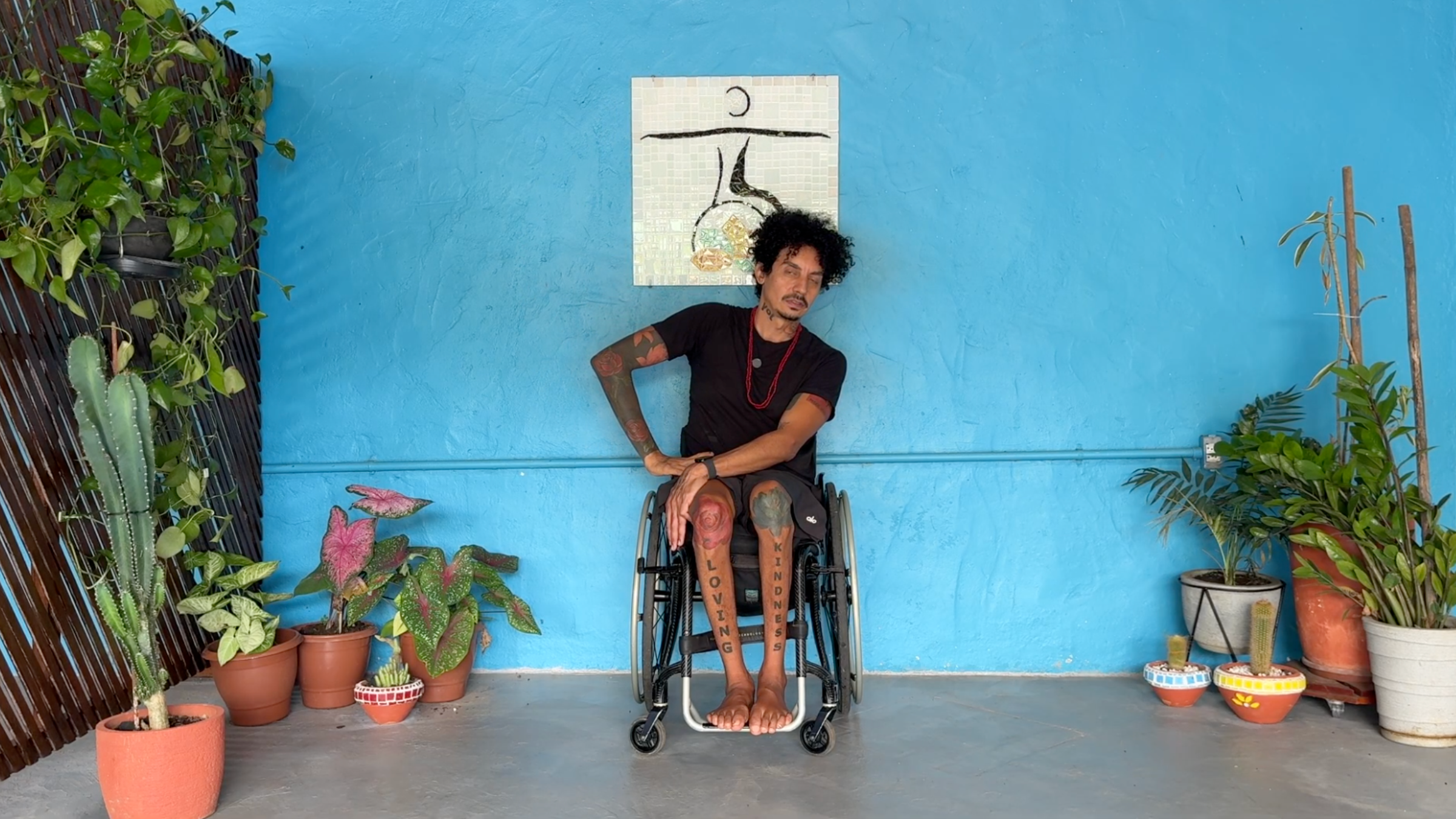
Underneath the stories we tell ourselves, underneath the scars and the accidents and the grief, the capacity for joy persists. It is not waiting for a change in circumstances. It is waiting for us to stop, to breathe, and to acknowledge that, even in the midst of everything, we are still here. And that, in itself, is enough.