











By Diane Westwater
In an era increasingly dominated by high-stress lifestyles and synthetic wellness trends, the ancient Ayurvedic tradition offers a stark, holistic alternative. Ayurveda, a 5,000-year-old healing system originating in India, is predicated on the fundamental aim of creating and maintaining a perfect equilibrium between the mind, body, and consciousness. When this delicate balance is disrupted, the resulting psychosomatic disorders serve as a signal that the system requires intervention.
According to Ayurvedic philosophy, the practitioner must first determine whether the patient requires "pacification" (Shamanam) or "cleansing" (Shodanam). This distinction is vital; for an individual who is physically depleted or weak, nourishment and pacification are the primary requirements to remove the root cause of distress. Only once strength is restored—or if the patient possesses sufficient vitality—does the process of purification, known as Panchakarma, begin.
Understanding the Five Pillars of Panchakarma
The term Panchakarma is derived from two Sanskrit words: Pancha (five) and Karma (action). These represent five distinct therapeutic procedures designed to eliminate deep-seated toxins—known as Ama—from the tissues. By purging these impurities, the body is better able to absorb nutrients and restore its natural, rhythmic state of health.
While the full spectrum of Panchakarma covers diverse methods of systemic detoxification, the focus for the winter season often shifts to the head and neck, specifically through the application of Nasya.
The Physiological Gateway: Why the Nose?
In the Ayurvedic tradition, the nose is considered the "doorway to the brain and consciousness." It is not merely a respiratory organ but a direct conduit to the Majja Dhatu, or the nervous system. Any substance administered through the nasal passages is believed to alter the state of consciousness and provide rapid, direct access to the brain.
The Mechanics of Nasal Administration
The efficacy of Nasya is rooted in both subtle energy and physical anatomy. When a substance is inhaled, it interacts with the Nadis, the "rivers of life" that transport energy throughout the body. Modern physiology offers a compelling parallel to this ancient wisdom: upon inhalation, air currents pass through the cribriform plate located in the nasal cavity. This movement exerts pressure on the meninges—the protective membranes investing the brain and spinal cord—while simultaneously influencing the movement of the diaphragm.
This rhythmic "pumping" action stimulates the circulation of cerebrospinal fluid (CSF) and promotes increased venous and arterial flow within the cranium. By optimizing these pathways, Nasya acts as a catalyst for cognitive clarity, mental acuity, and the purification of stagnant channels.
Seasonal Alignment: Navigating the Kapha Winter
Ayurveda posits that our health is inextricably linked to the cycles of nature. We are currently in the Kapha season, a period characterized by qualities that are cold, heavy, dense, slow, and cloudy. When these qualities accumulate within the human body, they manifest as lethargy, sinus congestion, and a lack of mental focus.
To counteract the "heaviness" of winter, Ayurvedic practitioners recommend introducing "heating, drying, and expansive" elements into one’s daily routine. Nasya therapy serves as an essential tool during this time, providing the necessary sensory and chemical stimulation to counteract the stagnation of the winter months.
Professional Perspectives: Integrating Ancient Remedies
While the application of Vacha root or ginger-based mixtures may seem simplistic to the modern observer, they represent a highly sophisticated understanding of herbal energetics.
The Vacha Root Protocol
Vacha (Acorus calamus), or calamus root, is a cornerstone of winter cleansing. Its properties are heating, pungent, and bitter—the exact energetics required to balance the heavy, damp characteristics of Kapha.
- Clinical Utility: Vacha is utilized to clear the Srotas (the channels of the body), aiding in the expulsion of toxins and the revitalization of Prana (life force).
- The Procedure: A small pinch of finely ground Vacha root powder is inhaled into each nostril. While sneezing is a common and even encouraged reaction, it serves a functional purpose: it helps balance Prana and Udana (a sub-dosha of Vata) and stimulates the brain centers, leading to a profound clarity of perception.
The Ginger and Jaggery Treatment
For those suffering from acute sinus congestion or the persistent dull ache of winter-induced headaches, a mixture of fresh ginger and jaggery is often prescribed.
Preparation and Application:
- Ingredients: 1 tsp of freshly grated ginger and 1 tsp of organic jaggery.
- Process: Mix the ingredients with 1/3 cup of water. Using a cheesecloth, strain the mixture, ensuring no fibrous particles remain.
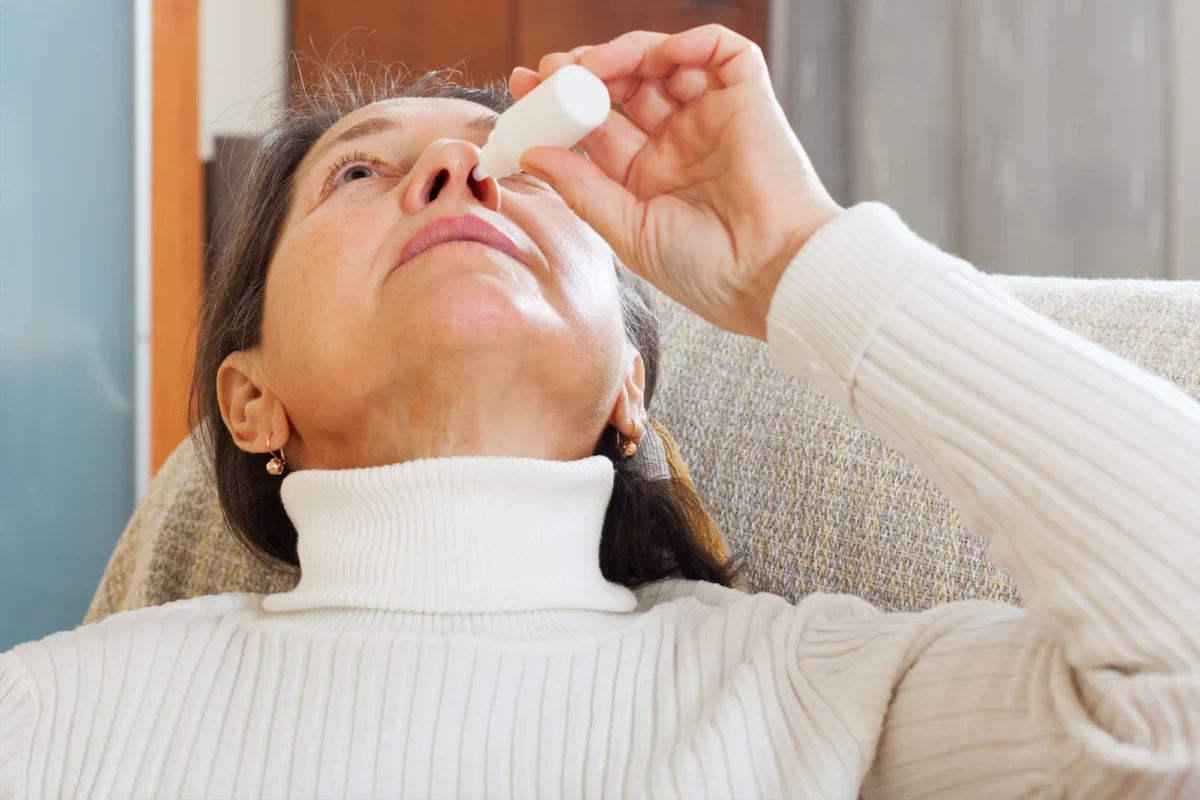
- Application: Administer 2–3 drops into each nostril.
Note: Users should expect an immediate, intense burning sensation and flushing of the eyes and nose. However, this is followed by an "afterglow"—an exhilarating sensation of openness and mental lightness. It is critical to note that this mixture must be prepared fresh for every application to ensure maximum potency and sterility.
Implications for Modern Health and Wellness
The integration of Nasya into a modern wellness regimen has significant implications for how we treat seasonal affective disorders and chronic congestion. By moving away from purely symptomatic suppression and toward systemic purification, individuals can cultivate a higher baseline of health.
However, the medical community emphasizes the need for caution. The nasal cavity is a sensitive environment, and the administration of any substance requires a level of discernment. Before attempting these cleansing techniques, it is essential to consult with a qualified health professional—ideally one trained in Ayurvedic medicine—to ensure that the treatment aligns with one’s specific constitution and current state of health.
Chronology of Cleansing: When to Act
- Assessment: Determine if your current state is one of depletion (requiring Shamanam or nourishment) or accumulation (requiring Shodanam or cleansing).
- Preparation: During the onset of winter (the Kapha phase), begin to incorporate heating herbs into your diet.
- Implementation: Once the system is ready, initiate the Nasya protocol, starting with milder preparations before moving to more potent herbs like Vacha.
- Observation: Monitor the body’s response to the cleansing. Improved clarity, reduced congestion, and increased energy are the primary indicators of success.
- Maintenance: Continue the practice at a frequency advised by your practitioner to maintain the open channels throughout the duration of the cold season.
Conclusion
Ayurveda is not merely a set of rules but a dialogue with the natural world. By understanding the energetic qualities of the seasons and applying the wisdom of Panchakarma, we can shift from a state of reactive health to one of proactive, conscious living. Nasya, while appearing as a simple nasal treatment, stands as a testament to the depth of Ayurvedic science—a bridge between the physical structure of the brain and the subtle, life-giving force of Prana. As we navigate the depths of winter, the path to clarity may be found not in the outside world, but in the deliberate cleansing of the internal pathways that sustain our life and consciousness.
Disclaimer: This article is intended for educational purposes only. The practices described, particularly nasal administration of herbal preparations, should only be undertaken under the guidance of a licensed Ayurvedic practitioner or healthcare provider. Individual responses to herbal treatments can vary significantly.