










For over two millennia, the global medical community has operated under a singular, uncompromising mandate: seek and destroy. From the cauterization techniques of the ancient Greeks to the modern-day barrage of high-dose chemotherapy, ionizing radiation, and aggressive immunotherapy, the fundamental philosophy of oncology has been one of annihilation. We view the tumor as an invading enemy to be scorched from the earth, regardless of the collateral damage to the patient’s healthy tissues.
However, a provocative, paradigm-shifting movement is gaining momentum in research laboratories worldwide. A growing cohort of oncologists and molecular biologists is beginning to ask a radical question: What if our traditional “scorched earth” policy is flawed? What if the most effective way to defeat cancer is not to attack it with toxic agents, but to coax the malignancy into a state of "healing"?
The "Wound That Never Heals"
This paradigm shift finds its intellectual roots in a seminal 1986 observation published in the New England Journal of Medicine by Dr. Harold Dvorak. Dvorak famously characterized cancer as "a wound that never heals."
His research highlighted that tumors share an uncanny number of biological, biochemical, and structural features with chronic, non-healing wounds. Both environments are characterized by chronic inflammation, persistent cell division, and the recruitment of blood vessels to sustain growth. If cancer is, at its core, a wound-healing process gone rogue, then the logical medical intervention should be to shift the tumor’s microenvironment from a state of chaotic, proliferative inflammation to one of controlled, physiological healing.
Leading the charge in testing this hypothesis is Professor Indraneel Mittra, the Dr. Ernest Borges Chair in Translational Research and Professor Emeritus at the Advanced Centre for Treatment, Research and Education in Cancer (ACTREC) in Mumbai, India. Professor Mittra’s work suggests that by modulating the biological signals within a tumor, we might be able to guide malignant cells toward a less aggressive, or even benign, state.
A Breakthrough in Glioblastoma Research
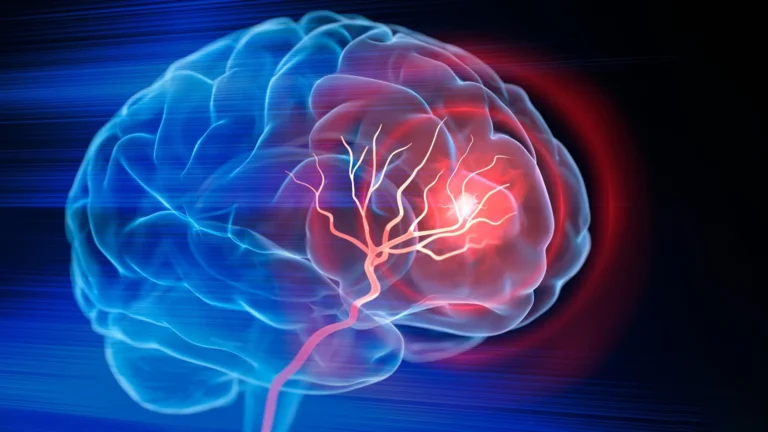
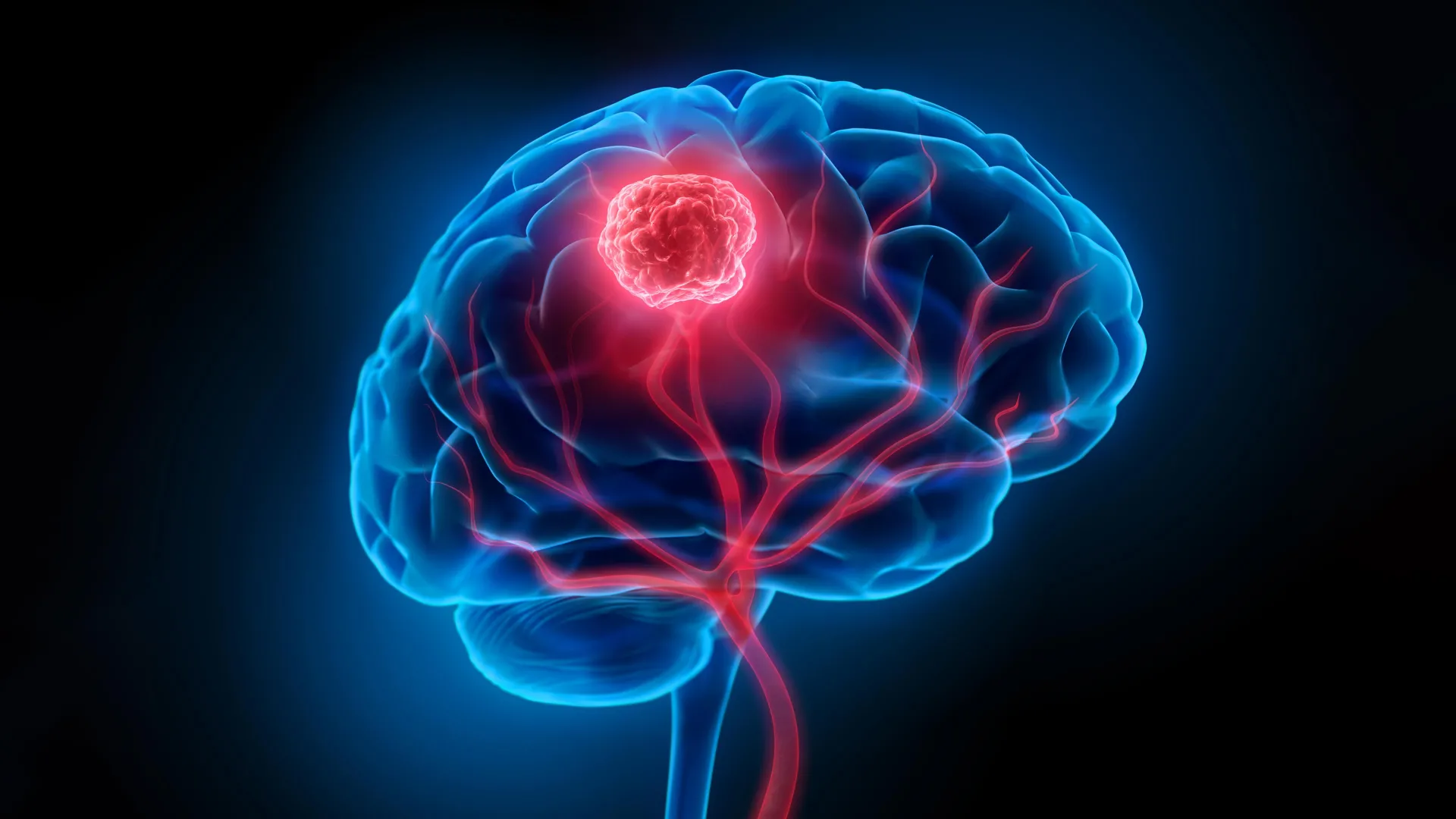
The most recent evidence for this "healing" approach comes from a study published in BJC Reports, focusing on glioblastoma—a disease that is widely considered the most aggressive and lethal form of brain cancer. Even with the current standard of care, which involves surgical resection followed by aggressive radiotherapy and chemotherapy, the median survival rate for glioblastoma patients remains a dismal 15 months.
Professor Mittra’s team sought to disrupt this trajectory using a deceptively simple intervention: a combination of two common, low-cost nutraceuticals, resveratrol and copper.
In a controlled clinical study, ten patients diagnosed with glioblastoma were administered a tablet containing small, precise amounts of these two agents four times a day. Crucially, this treatment was administered for an average of 11.6 days in the window immediately preceding their scheduled neurosurgery. A control group of ten patients, matched for tumor aggression and demographic factors, did not receive the nutraceutical regimen.
The findings were nothing short of startling. Upon surgical removal, the tumor tissue from both groups was subjected to rigorous analysis, including high-resolution microscopy, immune-staining, immunofluorescence, and transcriptome analysis. The results indicated that the nutraceutical combination had fundamentally altered the biological landscape of the tumors in the treated group, steering them toward a profile associated with suppressed growth and improved immune regulation. Most importantly, the patients reported zero side effects, a stark contrast to the toxicity typically associated with standard oncology protocols.
Targeting the Root: Cell-Free Chromatin Particles (cfChPs)
To understand why a simple nutraceutical combination could have such a profound effect, one must look at the mechanism Professor Mittra calls the "engine" of tumor progression: cell-free chromatin particles (cfChPs).
As tumors grow, cells are constantly dying. These dying cells release fragments of their DNA—known as cfChPs—into the surrounding tissue and bloodstream. Professor Mittra’s previous research established that these circulating DNA fragments are not merely inert debris; they are active, malevolent agents. When surviving cancer cells encounter cfChPs, the particles are internalized, triggering a cycle of inflammation that makes the surviving cells more aggressive, more resistant to therapy, and more prone to rapid mutation.
"The cell-free chromatin particles… inflame the surviving cancer cells," Professor Mittra explains. "This makes the disease more aggressive. If you eliminate the cell-free chromatin, which is what the resveratrol-copper tablets do, the cancer is subdued."
The current study confirmed this mechanism. Researchers found that while cfChPs were highly abundant in the untreated tumors, they were virtually absent in the tumors of the patients who had taken the resveratrol-copper tablets. The combination of resveratrol and copper creates a unique chemical reaction that generates oxygen radicals, effectively neutralizing or destroying these cfChPs before they can fuel further malignancy. By removing the "fuel" of inflammation, the tumor is essentially disarmed.
Implications for Immune Checkpoint Therapy
One of the most exciting aspects of this research is its intersection with immune checkpoint inhibitors—the current "gold standard" for immunotherapy. While these drugs have revolutionized cancer treatment by "unleashing" the immune system against tumors, they are prohibitively expensive and frequently cause severe, systemic autoimmune side effects.
Professor Mittra’s study revealed that the resveratrol-copper tablets successfully downregulated several key immune checkpoints in the tumor environment. This suggests that a simple, inexpensive, and non-toxic dietary supplement could potentially replicate the benefits of high-cost, high-risk immunotherapy drugs. If this holds true in larger trials, it could democratize access to advanced cancer care, particularly in developing nations where current immunotherapies are financially out of reach for the vast majority of the population.
The Future of Oncology: A Paradigm Shift?
The implications of these findings are expansive. If cancer can be "tamed" or converted into a benign state, the goal of medicine shifts from the total destruction of the patient’s body to the management of a chronic, stable condition.
However, the scientific community remains cautious, noting that while the results of the 20-patient study are statistically significant and biologically compelling, they are not yet a definitive cure. The path forward requires larger-scale, multi-center clinical trials to validate these findings and ensure that the "healing" effect is durable over the long term.
Despite the need for further investigation, the mood among the research team is one of cautious optimism. Professor Mittra remains adamant that the current path—a 2,500-year obsession with annihilation—has hit a ceiling.
"We have been trying to kill cancer cells for 2,500 years… without success," says Professor Mittra. "Maybe it is time to look at cancer treatment differently and work towards healing tumors, rather than annihilating them. I believe that we may be on the brink of transforming the way cancer is treated."
Conclusion
The shift from "killing" to "healing" represents a fundamental change in our relationship with the disease. It moves oncology away from the battlefield and toward the laboratory of biological modulation. If we can successfully suppress the aggressive drivers of cancer through non-toxic, accessible interventions, we may finally be closing the chapter on a 25-century-old struggle.
The work at ACTREC, supported by the Department of Atomic Energy in India, serves as a poignant reminder that some of the most profound breakthroughs in medicine may not come from the most expensive or complex technology, but from a better understanding of the body’s own, often misunderstood, healing processes. As the medical world watches these results, the question remains: are we ready to stop fighting the tumor, and start helping the patient?