









In the complex architecture of human aging, few biological processes are as detrimental to recovery as the accumulation of senescent cells. Often referred to by researchers as "zombie cells," these worn-out biological units have ceased to divide yet refuse to die. Instead of exiting the stage, they linger, secreting a toxic cocktail of inflammatory molecules that degrade the surrounding environment. Now, groundbreaking research suggests that we may finally have a way to clear them out—and in doing so, unlock a more youthful, efficient healing capacity in aging skin.
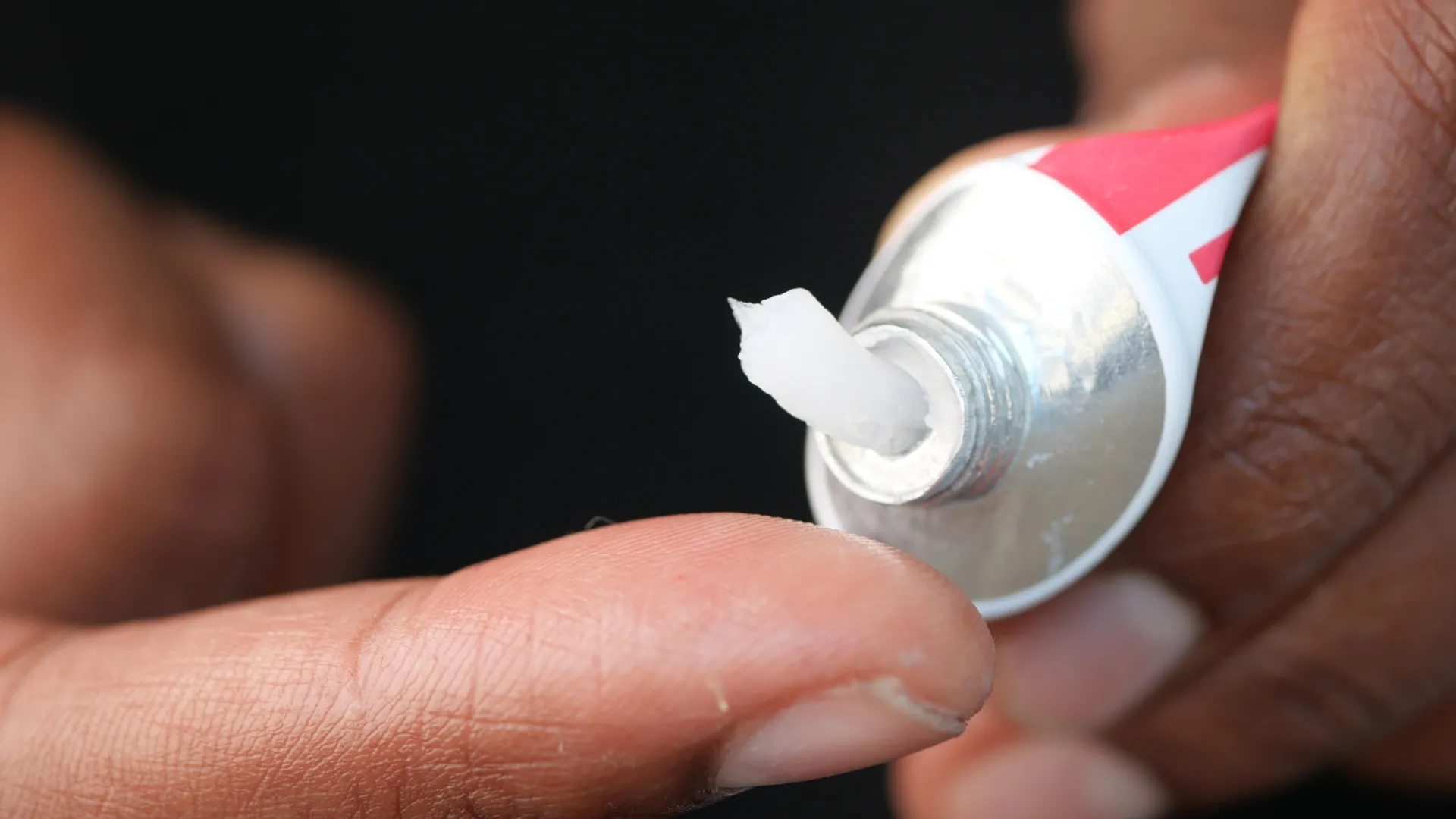
A study published in Aging (Aging-US) has unveiled a promising new strategy: a topical treatment using the senolytic drug ABT-263. By directly targeting these lingering cells in the skin, researchers have demonstrated that it is possible to prime older tissue to recover from injury with the speed and efficiency typically seen in much younger subjects.
The Biological Barrier: Understanding Senescence
To understand the significance of this discovery, one must first understand the problem. As humans age, the body’s natural maintenance mechanisms begin to stutter. Cells that have incurred DNA damage or other stressors usually undergo apoptosis—a programmed death that allows them to be cleared away and replaced by healthy, functional cells.
However, in aging organisms, this process is frequently interrupted. These cells enter a state of "senescence." While they are metabolically active, they no longer perform their specialized functions. Worse, they develop a "Senescence-Associated Secretory Phenotype" (SASP). This means they become factories for pro-inflammatory cytokines, chemokines, and matrix-degrading enzymes. These secretions act like biological sand in the gears of the skin’s repair machinery, inhibiting the collagen production and cellular migration necessary to close a wound.
Chronology of the Research: From Mice to Medical Breakthroughs
The journey toward this discovery has been marked by a methodical, multi-year investigation led by a team from the Boston University Aram V. Chobanian and Edward Avedisian School of Medicine. The research group, which included Maria Shvedova, Rex Jeya Rajkumar Samdavid Thanapaul, Joy Ha, and others, sought to determine if the systemic benefits of senolytic drugs could be achieved more safely through localized, topical application.
The 2024 Study: A Turning Point
The 2024 study focused on the administration of ABT-263—a potent senolytic agent—directly onto the skin of aged mice over a five-day period. The results were striking. Upon analysis, the treated skin displayed a marked reduction in the markers of senescence. When the researchers introduced controlled, small-scale wounds, the treated mice exhibited a superior healing trajectory compared to their untreated counterparts. By day 24, a staggering 80% of the ABT-263 treated cohort had reached complete wound closure, whereas only 56% of the untreated group had achieved the same milestone.
Expanding the Horizon: 2025 and 2026
Following the 2024 findings, the scientific community began to explore the broader implications of these results. A 2025 review in Ageing Research Reviews solidified the consensus that cellular senescence is not merely a byproduct of aging but a driver of skin pathology.
The momentum continued into 2026 with a sophisticated study tackling one of the most difficult challenges in modern medicine: diabetic wound healing. Diabetic patients frequently suffer from chronic, non-healing wounds due to high systemic inflammation and senescence. By developing a specialized, slow-release wound dressing impregnated with ABT-263, researchers were able to reduce the senescent burden in diabetic models without the systemic toxicity often associated with oral medications. This marked a shift from "treating" to "engineering" the wound environment for success.
Supporting Data: The Mechanics of Recovery
The most counterintuitive aspect of the Boston University study was the role of temporary inflammation. Typically, clinical medicine views inflammation as a hurdle to be cleared. However, the application of ABT-263 triggered a brief, acute burst of inflammatory activity.
Researchers hypothesized—and subsequent data supported—that this burst acted as a "reset" button. It effectively jump-started dormant healing pathways that had become sluggish in aged tissue. Specifically, the researchers observed a surge in gene activity related to:
- Collagen Synthesis: The structural protein required to rebuild skin integrity.
- Angiogenesis: The growth of new blood vessels, essential for delivering oxygen and nutrients to the wound site.
- Tissue Remodeling: The organized process of closing the wound and restoring the dermal architecture.
This suggests that the "zombie cells" were not just physically blocking the repair; they were actively suppressing the biological signals required to start the process. By clearing the cells, the body was allowed to resume its natural repair cycle.
Official Perspectives and The Complexity of Senescence
While the results are overwhelmingly positive, the scientific community maintains a balanced perspective on the "good vs. bad" of senescent cells. As noted in a 2024 review published in Frontiers in Immunology, senescence serves a vital physiological purpose in the immediate aftermath of an injury. It is a protective mechanism that prevents the proliferation of damaged cells.
The danger lies in the persistence of these cells. "The challenge is timing and precision," experts suggest. "We need to clear the cells that have outstayed their welcome, without disrupting the initial, helpful phase of the inflammatory response."
The researchers involved in the Boston University study emphasize that their approach is about optimization rather than total eradication. By using a topical delivery system, they can ensure the drug stays where it is needed—on the skin—minimizing the risk of systemic side effects that have previously stalled the development of oral senolytics.
Implications: A New Era for Preoperative and Chronic Care
The potential applications for this research are vast, particularly for aging populations who face higher risks of complications during elective surgeries or long-term recovery from injuries.
Preoperative Conditioning
One of the most exciting potential uses for topical senolytics is in "pre-habilitation." If a patient is scheduled for surgery, a short course of topical treatment prior to the procedure could "prime" the skin, ensuring that the tissue is in a state of high readiness to heal immediately upon incision. This could drastically reduce recovery times, lower the incidence of surgical site infections, and improve cosmetic outcomes.
Chronic Wound Management
For the millions of individuals suffering from venous ulcers, pressure sores, and diabetic foot ulcers, the clinical reality is often one of endless, stalled healing. The move toward localized, dressing-based delivery of senolytics, as seen in the 2026 studies, offers a beacon of hope. By creating a healing environment that is hostile to "zombie cells" but supportive of regenerative cells, clinicians may finally be able to turn chronic wounds into acute, healing ones.
The Path Forward: Caution and Future Directions
Despite the excitement, the transition from murine models to human clinical trials is a rigorous, years-long endeavor. The current findings represent a proof-of-concept rather than a clinical directive. Before these treatments can reach the bedside, several critical questions must be addressed:
- Dosing and Frequency: What is the optimal concentration of ABT-263 for human skin, and how often must it be applied to maintain results without causing skin irritation?
- Long-term Safety: While topical application reduces systemic exposure, what are the long-term effects on skin microbiome and natural stem cell populations?
- Human Variability: Does human skin, with its different thickness and metabolic rate compared to mice, respond to this treatment in the same timeframe?
The researchers remain optimistic, noting that their work "underscores the potential of topical senolytic treatments to enhance wound healing in aging skin, presenting a potentially promising strategy for preoperative care."
As the field of geroscience continues to mature, the focus on "zombie cells" is likely to move from the laboratory to the pharmacy. By understanding that aging is not a fixed, immutable state but a series of biological processes that can be modulated, scientists are opening the door to a future where surgery and injury recovery are no longer defined by the slow, often difficult healing of older age. Instead, they may become a standard, predictable process, supported by the targeted removal of the very cells that hold us back.