




For decades, the medical community has operated under a standardized playbook for stroke prevention. Physicians have long prioritized the management of fatty plaque buildup—atherosclerosis—as the primary culprit behind the arterial blockages that lead to neurological catastrophe. However, a landmark study published in the journal Circulation is poised to upend this long-standing clinical orthodoxy.
New research, led by an international team from the University of Edinburgh and the UK Dementia Research Institute, suggests that lacunar ischemic stroke—a common and debilitating form of the condition—is not primarily a disease of plaque accumulation. Instead, the evidence points toward a more localized, insidious pathology: the structural degradation, enlargement, and elongation of the brain’s smallest blood vessels. This discovery offers a long-sought explanation for why standard stroke-prevention protocols, often reliant on aspirin and antiplatelet therapy, have frequently failed to protect patients from recurring neurological injury.
Main Facts: A Shift in Pathophysiological Understanding
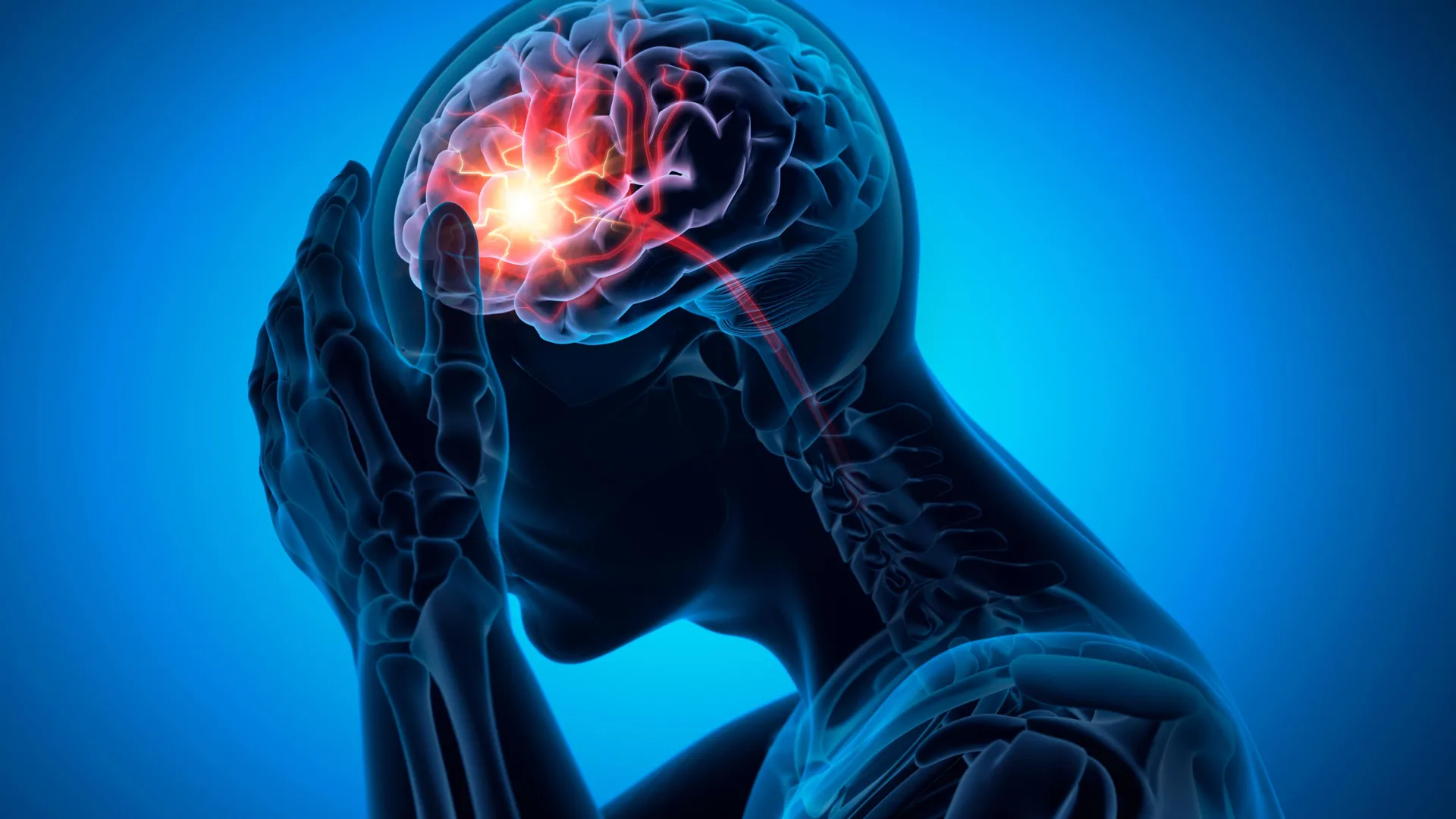
Lacunar strokes, which occur deep within the brain’s white matter, represent a significant clinical burden. They are not merely "mini-strokes"; they are a major driver of long-term disability, cognitive decline, vascular dementia, and recurring neurological damage. Until now, the assumption was that these strokes were triggered by the same mechanisms that cause larger strokes: the accumulation of fatty deposits that narrow the arteries.
The study, which utilized advanced neuroimaging and rigorous clinical evaluation, demonstrates that this assumption is likely incorrect. The researchers found that the primary driver of lacunar stroke is small vessel disease (SVD), characterized not by narrowing, but by the abnormal dilation and mechanical failure of the tiny arteries within the brain.
The Core Findings:
- Artery Widening, Not Narrowing: The study found no significant association between the fatty narrowing of larger arteries and the occurrence of lacunar stroke.
- The "Dilation" Marker: Patients exhibiting signs of enlarged, widened, or elongated brain arteries were more than four times more likely to have experienced a lacunar stroke.
- Silent Damage: Over one in four participants experienced "silent" strokes—microscopic areas of brain tissue death—despite being on conventional antiplatelet medication, highlighting a massive gap in current therapeutic efficacy.
Chronology of the Investigation
The path to these findings was paved by years of clinical observation and longitudinal monitoring. Recognizing the limitations of existing treatments, researchers from the University of Edinburgh, alongside collaborators in China and Mexico, initiated a comprehensive study to differentiate between the structural changes occurring in large versus small brain vessels.
The Study Phases:
- Patient Selection: The team recruited 229 participants who had recently experienced either a lacunar stroke or a mild non-lacunar stroke, ensuring a diverse clinical baseline for comparison.
- Baseline Evaluation: Shortly after their initial stroke, participants underwent extensive clinical assessments, cognitive testing, and high-resolution MRI scans. These scans provided a baseline for the state of their cerebral vasculature.
- One-Year Longitudinal Monitoring: A critical component of the study was the one-year follow-up. Participants returned for a second round of MRI imaging to track the progression of small vessel disease and to identify the development of any new, asymptomatic (silent) strokes.
- Comparative Analysis: By comparing the rates of large-artery narrowing against the rates of small-artery dilation, the team was able to statistically correlate specific vascular changes with the incidence of recurrent brain injury.
Supporting Data: Imaging the Unseen
The strength of the research lies in its reliance on objective neuroimaging data. While previous studies have often relied on indirect markers of vascular health, this investigation utilized the power of MRI to visualize the physical architecture of the brain’s microvasculature.
The data revealed a stark contrast. While large-artery narrowing (stenosis) was indeed a factor in other types of stroke, it held no predictive power for the development of lacunar strokes or the progression of small vessel disease. In contrast, arterial elongation and dilation emerged as powerful biomarkers.
Specifically, the study identified that the "widening" of these tiny vessels is a precursor to a cascade of failure. This structural decay leads to a faster progression of brain damage, as the vessels become less capable of regulating blood flow to sensitive neuronal tissues. The high rate of silent strokes—observed in over 25% of the cohort despite standard treatment—serves as a damning indictment of current prophylactic strategies that focus solely on preventing blood clotting rather than stabilizing the structural integrity of the vessels themselves.
Official Responses and Clinical Perspectives
The scientific community has received the findings with a mixture of validation and urgency. Professor Joanna Wardlaw, a leading expert in Applied Neuroimaging at the University of Edinburgh and a Group Leader at the UK Dementia Research Institute, has been at the forefront of this shift in thinking.
"This study provides strong evidence that lacunar stroke is not caused by fatty blockage of larger arteries, but by disease of the small vessels within the brain itself," Professor Wardlaw stated. "Recognizing this distinction is crucial, because it explains why conventional treatments like antiplatelet drugs are not as effective for this type of stroke and highlights the urgent need to develop new therapies that target the underlying microvascular damage."
The study has garnered support from a vast network of international institutions, reflecting the global significance of the research. Funding contributors include the UK Medical Research Council, the Alzheimer’s Society, the British Heart Foundation, and the Wellcome Trust. These organizations recognize that if the mechanisms of small vessel disease can be decoded, the door opens to potential treatments for a host of conditions beyond stroke, including vascular dementia and age-related cognitive decline.
Implications: A New Era of Stroke Intervention
The findings of this study are already catalyzing a paradigm shift in how clinical trials are designed. The most prominent example is the LACI-3 (LACunar Intervention Trial 3).
Moving Beyond Aspirin
Standard treatments for stroke have historically focused on "thinning the blood" to prevent clots from forming at the site of plaque. However, if lacunar strokes are driven by the structural decay of vessel walls, antiplatelet drugs are akin to putting a bandage on a broken pipe.
The LACI-3 trial is currently evaluating drugs that function on an entirely different physiological level. By testing medications like cilostazol and isosorbide mononitrate, researchers are investigating whether these drugs can:
- Protect the Vessel Wall: Stabilizing the endothelial cells and smooth muscle that keep small arteries from dilating and deforming.
- Improve Microvascular Flow: Enhancing the brain’s ability to distribute oxygen and nutrients to deep white matter.
- Prevent Secondary Complications: Reducing the long-term risk of cognitive impairment, mobility issues, and the onset of dementia.
The Future of Stroke Prevention
The implications for patients are profound. For those who have suffered a lacunar stroke, the realization that their condition is distinct from large-vessel disease removes the frustration of "inexplicable" treatment failure. It provides a roadmap for personalized medicine, where treatment is tailored to the specific vascular profile of the patient.
Moreover, the focus on small vessel disease is a critical bridge to the wider field of neurology. As populations age globally, the prevalence of small vessel disease—and its associated cognitive decline—is expected to skyrocket. By shifting the focus from "cholesterol and plaque" to "structural vessel health," medicine is finally addressing the mechanical reality of the brain’s micro-circulatory system.
Conclusion
The research published in Circulation serves as a sobering reminder that in medicine, consensus is not synonymous with truth. By systematically dismantling the assumption that lacunar strokes are merely smaller versions of larger arterial blockages, the team at the University of Edinburgh and their international partners have provided the foundation for a new generation of vascular therapy.
As the medical community moves toward the next phase of the LACI-3 trial and beyond, the focus will increasingly turn to preserving the delicate, intricate network of vessels that sustain the human brain. This is not just a change in clinical strategy; it is a fundamental shift in our understanding of how the brain survives, how it sustains injury, and how we might finally offer protection against the silent, invisible threats to our cognitive future.