








The landscape of sleep medicine is undergoing a profound transformation. For decades, the gold standard for diagnosing sleep-disordered breathing—such as obstructive sleep apnea (OSA) and central sleep apnea (CSA)—has been the polysomnogram (PSG), an intensive, often cumbersome overnight stay in a clinical sleep lab. While effective, the barriers to entry—high costs, long waitlists, and the "first-night effect," where patients struggle to sleep naturally in a foreign environment—have left millions of cases undiagnosed.
The US Food and Drug Administration (FDA) has recently taken a significant step toward decentralizing this care by granting 510(k) clearance to Sunrise Air, the next-generation home sleep test (HST) from the innovative diagnostic firm, Sunrise Group. By integrating a sophisticated array of sensors into a compact, chin-worn device, Sunrise Air promises to bridge the gap between convenient home monitoring and the clinical rigor of a hospital-grade sleep study.
The Core Technology: Bridging the Gap Between Comfort and Clinical Precision
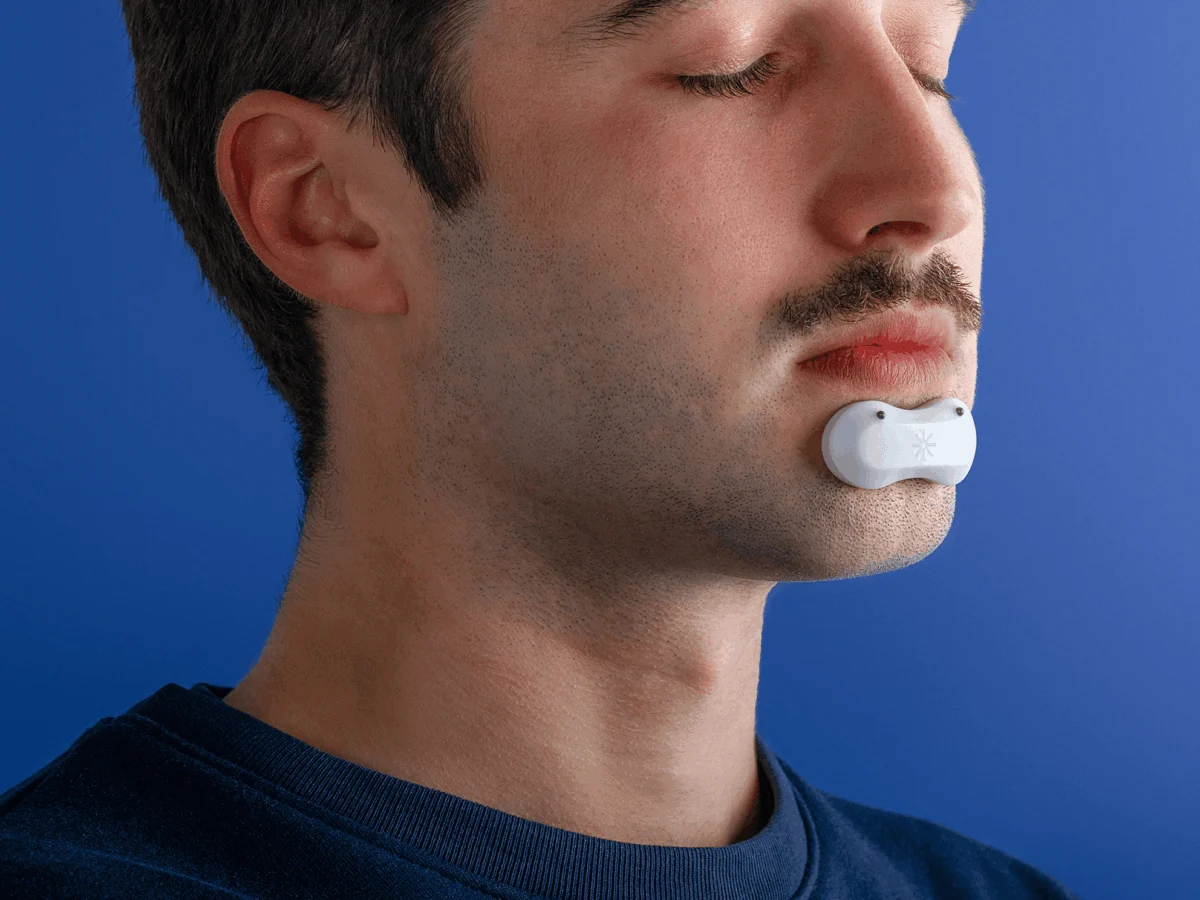
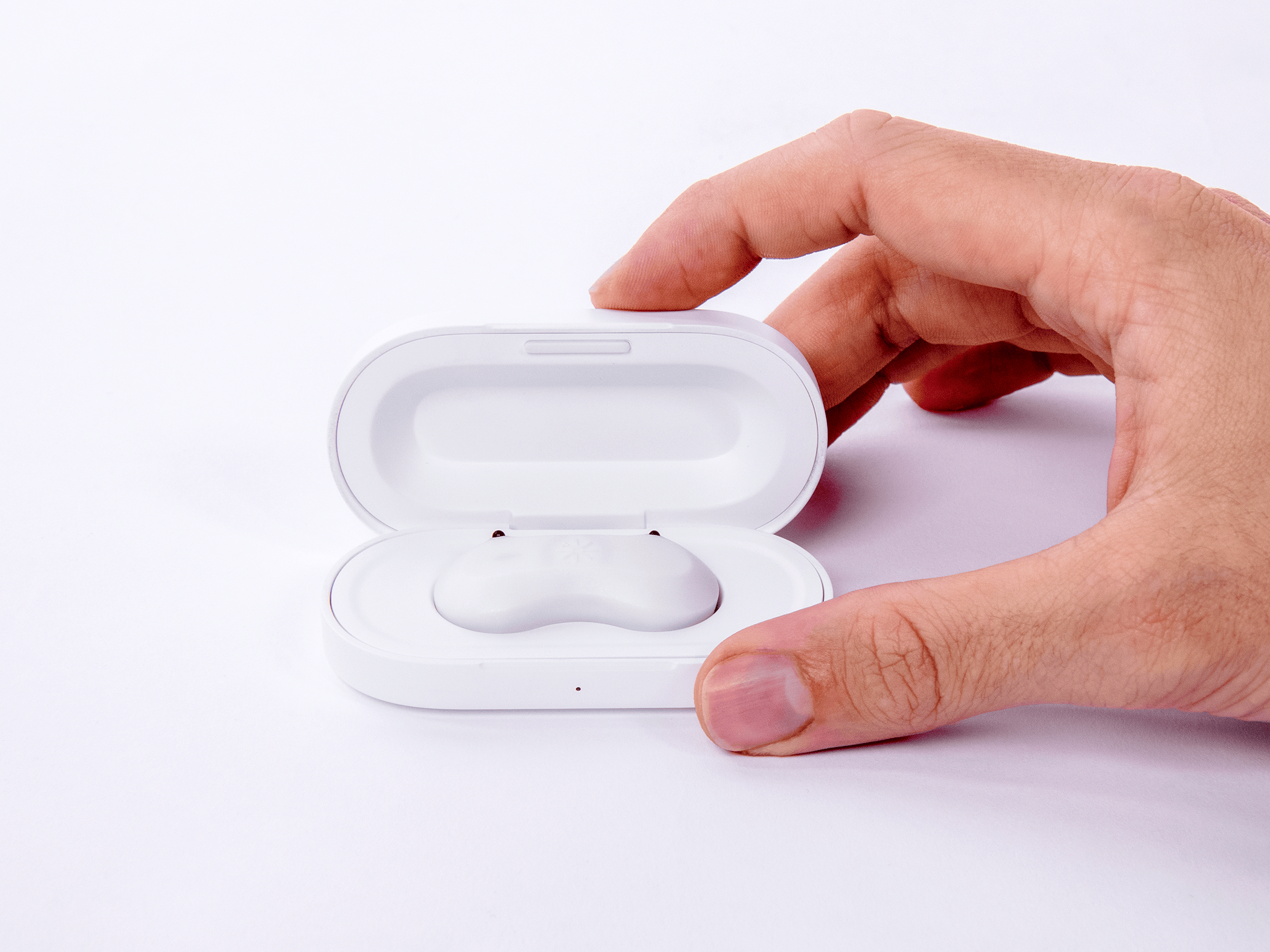
At the heart of the Sunrise Air system lies a commitment to simplifying the patient experience without compromising diagnostic depth. The device maintains the minimalist, user-friendly design of its predecessor, centering on a small, unobtrusive sensor applied to the chin. This sensor captures mandibular jaw movements (MJM)—a physiological marker that has become the hallmark of the Sunrise platform.
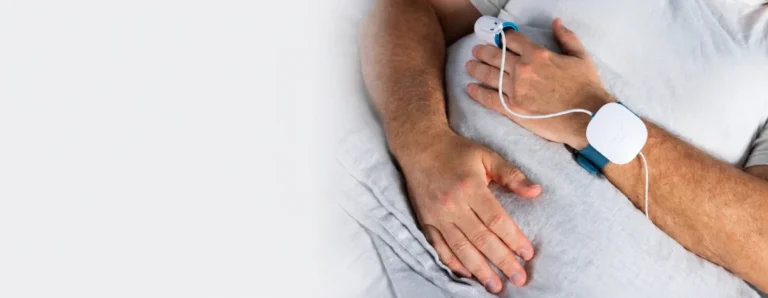
While MJM data provides the foundation for the system’s proprietary AI-supported algorithms, the "Air" iteration introduces a suite of hardware enhancements designed to provide a more holistic view of the patient’s respiratory health. The device now integrates:
- Thermistors: Dedicated to precise airflow monitoring.
- Optical Modules: Utilizing advanced photoplethysmography (PPG) to track oxygen saturation (SpO2) and pulse rate.
- Embedded Microphones: Specifically tuned for acoustic snoring analysis.
By layering these data streams, Sunrise Air can differentiate between obstructive events—where the airway is physically blocked—and central apneas, where the brain fails to signal the muscles to breathe. This level of granularity has historically been difficult to achieve with consumer-grade wearables, positioning Sunrise Air as a powerful tool for clinicians managing complex sleep pathologies.
Chronology: A Path to FDA Clearance and Innovation
The journey to the Sunrise Air release is rooted in the company’s early mission to disrupt the sleep diagnostic market.
2018–2020: The Foundation. Sunrise Group established itself by proving that jaw movement could serve as a reliable proxy for sleep architecture and respiratory disturbances. Their initial success was built on demonstrating that AI-driven analysis of MJM could rival the diagnostic accuracy of traditional PSG.
2022–2024: Refining the Metrics. As the clinical community began to adopt HST, the demand for more data became clear. Physicians wanted to see the correlation between effort, airflow, and blood oxygenation. During this period, the company shifted its focus from simple jaw tracking to a multi-modal sensor platform.
2025: The Regulatory Milestone. Following extensive clinical validation, the FDA cleared the Sunrise Air device. The clearance documents highlight that the newly integrated thermistors and microphones performed with statistical equivalence to existing reference devices, confirming that the hardware updates met the stringent requirements for medical-grade diagnostic equipment.
Present Day: With the launch of the rechargeable, multi-night capable device, the company is transitioning from a "single-night diagnostic tool" to a "long-term sleep assessment platform."
Supporting Data: Validating the "Air" Advantage
The credibility of any diagnostic tool hinges on its performance metrics. According to the data submitted to the FDA, the transition from local processing to a cloud-based algorithm for optical data has resulted in significant improvements in reliability.
Diagnostic Performance Metrics
- Oxygen Saturation (SpO2): Clinical validation of the optical module demonstrated an accuracy of 1.91% across the critical 70% to 100% range. This is a vital metric for identifying nocturnal hypoxemia, a common complication in severe sleep apnea patients.
- Pulse Rate Accuracy: The device maintained an accuracy of 2.73 beats per minute, ensuring that tachycardia or bradycardia associated with respiratory events are correctly captured.
- Data Processing: By moving to a cloud-based infrastructure, the company can deploy algorithmic updates to existing devices, allowing the diagnostic software to "learn" and improve over time without requiring patients to purchase new hardware.
These figures underscore the company’s shift toward "clinical-grade accuracy" in a form factor that encourages patient compliance. Because the device is fully rechargeable and lacks the disposable components found in many legacy home sleep tests, it lowers the cost-per-test and removes the logistical burden of restocking consumables, making it a sustainable choice for both clinics and patients.
Official Perspectives: The Vision Behind the Device
The launch of Sunrise Air is not merely a product update; it represents a philosophical shift in how sleep medicine should be practiced. Laurent Martinot, CEO and co-founder of Sunrise, has been vocal about the limitations of current diagnostic models.
"Sunrise has already set a new benchmark for home sleep testing through its high level of diagnostic accuracy even across complex sleep apnea phenotypes," Martinot stated in a recent press release. "With a fully rechargeable model, we’re unlocking what sleep medicine has always lacked: multi-night insight with clinical-grade accuracy, from the patient’s bedside."
Martinot’s argument centers on the variability of human sleep. "Nobody sleeps the same way twice, yet we’ve been diagnosing based on a single night," he noted. "That changes now. This isn’t just a better diagnosis. It’s world-class sleep care, accessible to everyone."
By advocating for multi-night testing, Martinot and his team are challenging the industry standard of "one-night-and-done." They posit that sleep apnea is a fluctuating condition; a single night in a lab might capture an outlier night rather than a representative baseline. By facilitating longitudinal tracking, Sunrise Air aims to help physicians titrate therapies more effectively and understand the natural progression of sleep disorders.
Implications: Changing the Landscape of Sleep Medicine
The implications of the Sunrise Air clearance are far-reaching for patients, sleep specialists, and healthcare systems.
1. The Death of the "First-Night Effect"
The primary benefit to the patient is the comfort of their own bed. By removing the wires, the technician, and the clinical environment, the patient is far more likely to experience a "normal" night of sleep. This yields cleaner, more representative data, which in turn leads to more accurate treatment plans—whether that involves CPAP, oral appliance therapy, or positional therapy.
2. Clinical Efficiency
For sleep clinics, the ability to deploy a device that requires minimal setup and no disposable waste is a game-changer. It allows providers to scale their operations, treating more patients with fewer overhead costs. The cloud-based AI analysis also reduces the time burden on clinicians, who can now review automated, high-precision reports rather than manually scoring hours of raw data.
3. Addressing Complex Phenotypes
The integration of thermistors and microphones specifically addresses the industry’s need for better differentiation between obstructive and central sleep apneas. Previously, many HSTs struggled with CSA detection, often necessitating a follow-up lab visit. With the enhanced sensor suite, Sunrise Air provides enough diagnostic evidence to distinguish these conditions, potentially keeping the entire diagnostic pathway within the home setting.
4. The Future of Personalized Medicine
As AI-supported diagnostics continue to evolve, the data generated by devices like Sunrise Air will likely feed into larger predictive models. We are moving toward a future where a patient’s sleep data is not just a snapshot, but a continuous stream that can predict long-term cardiovascular risks, cognitive decline, and metabolic health.
Conclusion: A New Dawn for Sleep Diagnostics
The FDA clearance of Sunrise Air serves as a testament to the maturation of home sleep testing. What began as a niche alternative to the lab has become a sophisticated, technology-driven field capable of delivering high-fidelity medical insights.
By combining the convenience of a wearable with the clinical rigor of traditional polysomnography, Sunrise Group is helping to democratize sleep medicine. As the industry moves toward a model defined by longitudinal data rather than one-off snapshots, devices like Sunrise Air will be at the forefront of this transition. For millions of people suffering from undiagnosed sleep apnea, the path to a better night’s sleep—and a healthier life—has just become significantly easier to walk.
As we look to the future, the integration of multi-night, high-accuracy diagnostic tools will undoubtedly serve as the cornerstone of preventative sleep health, proving that the most important sleep studies are the ones that take place in the comfort of our own homes.