








By Investigative Desk
The Trump administration this week unveiled a $700 million funding package aimed at tackling the intersection of homelessness, severe mental illness, and substance use disorders. While Health and Human Services (HHS) Secretary Robert F. Kennedy Jr. framed the announcement as a cornerstone of the “Great American Recovery Initiative,” the rollout has been met with immediate skepticism from behavioral health experts, policy analysts, and state-level administrators.
Critics argue that the “new investment” is largely a repackaging of previously authorized federal grants that had been trapped in bureaucratic delays for months. As the administration seeks to pivot toward a more aggressive, abstinence-centered approach to addiction, the disconnect between official messaging and the technical reality of federal funding has sparked a debate over transparency, policy efficacy, and the systemic barriers facing the nation’s mental health infrastructure.
The Anatomy of the Announcement
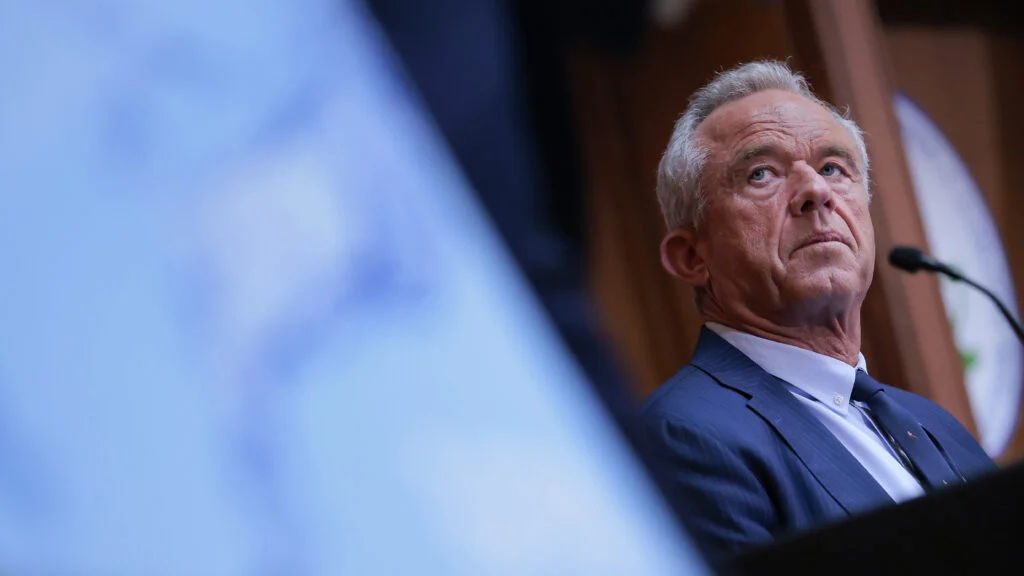
During a press event in Clinton, Michigan, Secretary Kennedy Jr. stood alongside Kathryn Burgum, co-chair of the Great American Recovery Initiative, to announce the infusion of capital. The headline figure—$700 million—was presented as a proactive measure to address the crisis of homelessness, which the administration identifies as a byproduct of untreated psychiatric conditions.
"Through more than $700 million in new investments, we are advancing President Trump’s Great American Recovery Initiative and addressing the addiction and serious mental illness that fuel homelessness across America," Kennedy stated.
However, the Substance Abuse and Mental Health Services Administration (SAMHSA) documentation reveals a different story. The funding opportunities released this week include programs for opioid response in Native American tribal communities, expansions for drug courts—which prioritize clinical treatment over incarceration—and community-based long-term recovery support. These are not new programs; they are recurring federal grants that have been a staple of the public health landscape for years, many of which were active and fully vetted during the preceding Biden administration.
A Chronology of Bureaucratic Stagnation
To understand the controversy, one must look at the timeline of the funding release. For months, state and local behavioral health organizations have been in a state of high anxiety, awaiting federal dollars that were promised but remained tied up in administrative limbo.
- Q3–Q4 2025: Local health departments and treatment centers express concern over the lack of notice regarding grant renewals. Many organizations operate on thin margins, and the absence of predictable federal funding threatens the continuity of care for thousands of patients.
- January 2026: Initial reports emerge regarding the “Great American Recovery Initiative,” signaling a potential shift in federal priorities under the new administration.
- March 2026: The administration signals a departure from harm-reduction strategies, prioritizing immediate, total abstinence-based recovery models.
- April 2026: The administration officially releases the funding notices, characterizing them as “new investments” despite them being overdue authorizations.
- May 2026: Behavioral health experts begin publicly identifying the “new” funds as recycled allocations, noting that SAMHSA’s base budget has remained stagnant for several years.
The delay in releasing these funds has created a "funding cliff" for many non-profits. While the release is a relief to those who were nearing financial insolvency, the administration’s framing of the delay as a "new initiative" has been described by some lobbyists as "political gaslighting."
Supporting Data: The Funding Reality
The core of the administration’s new approach is the "STREETS" initiative (Safety Through Recovery, Engagement, and Evidence-based Treatment and Support), which received a designated $96 million of the $700 million total.
When researchers at STAT and other health policy outlets analyzed the funding structure of STREETS, they found that the money was largely cannibalized from existing, established programs. Because Congress has not increased SAMHSA’s overall appropriations, the agency has been forced to shift existing resources to meet the administration’s new branding goals.
Furthermore, there is a stark demographic reality that contradicts the administration’s narrative. While homelessness is a critical crisis that requires urgent intervention, addiction researchers point out that the vast majority of Americans suffering from substance use disorders are not unhoused. By focusing almost exclusively on the homeless population through the STREETS initiative, the administration risks sidelining the needs of millions of Americans who are struggling with addiction while maintaining housing and employment.
"The treatment and recovery community have an excellent grasp on what works," said Andrew Kessler, a prominent behavioral health advocate and policy consultant. "Our evidence base is extensive. Our biggest challenges remain a shorthanded workforce, poor reimbursement, and not enough resources to handle the challenges we face."
Official Responses and Policy Shifts
The administration’s messaging has been marked by a clear ideological shift. Secretary Kennedy, in his remarks, emphasized the role of faith-based organizations in the recovery process. However, the fine print of the STREETS initiative limits eligibility to cities, counties, and tribal organizations, effectively excluding religious institutions from applying for these specific funds. This has left some observers questioning the internal coordination of the initiative.
The most significant point of friction remains the administration’s open hostility toward "harm reduction." Strategies such as needle exchanges and fentanyl test strips have long been considered the gold standard for preventing overdose deaths in many public health circles. By characterizing these methods as ineffective or counter-productive, the Trump administration is distancing itself from decades of consensus among clinical researchers.
In a surprising moment of candor during the Clinton, Michigan event, Secretary Kennedy admitted that the $700 million would likely not be the panacea the administration claims.
"We have a huge drug problem here in our country," Kennedy said. "$700 million is not going to solve that problem. But the good news is, there’s about $50 billion that have been put aside during the litigation by the states against the opioid companies, and that money is now going to be available to the states over the next 20 years."
This acknowledgment shifts the burden of the opioid crisis away from federal fiscal responsibility and onto the legal settlements negotiated by state attorneys general, a move that critics say abdicates the federal government’s role in managing a national public health emergency.
Implications for the Future of Addiction Care
The long-term implications of this funding announcement are threefold:
- Workforce Attrition: The continued uncertainty regarding federal grant cycles is accelerating the departure of qualified addiction counselors and mental health professionals, who are increasingly turning to the private sector where compensation is more stable.
- Stigmatization of Care: By narrowing the scope of "acceptable" recovery models to those that demand instant abstinence, the administration may inadvertently make it harder for individuals who are not yet ready for total cessation to seek medical help, potentially leading to higher rates of relapse and mortality.
- The Funding Gap: With no real increase in federal appropriations, states and local organizations are being forced to do more with less. As the federal government relies on the "Great American Recovery Initiative" to provide a veneer of progress, the actual operational capacity of treatment centers remains underfunded and overstretched.
Ultimately, the clash between the administration’s rhetoric and the practical realities of the behavioral health sector suggests a period of significant turbulence ahead. For the millions of Americans navigating the complexities of mental illness and addiction, the question is not one of political branding, but of access. Whether the current administration can reconcile its stated goals with the established science of addiction remains the defining challenge of the current public health agenda.
As the legal settlements from opioid manufacturers begin to trickle down to the state level, the federal government will be under increased pressure to provide not just funding, but a coherent, evidence-based strategy that addresses the full spectrum of the crisis, rather than focusing on high-profile, narrow-scope initiatives.