









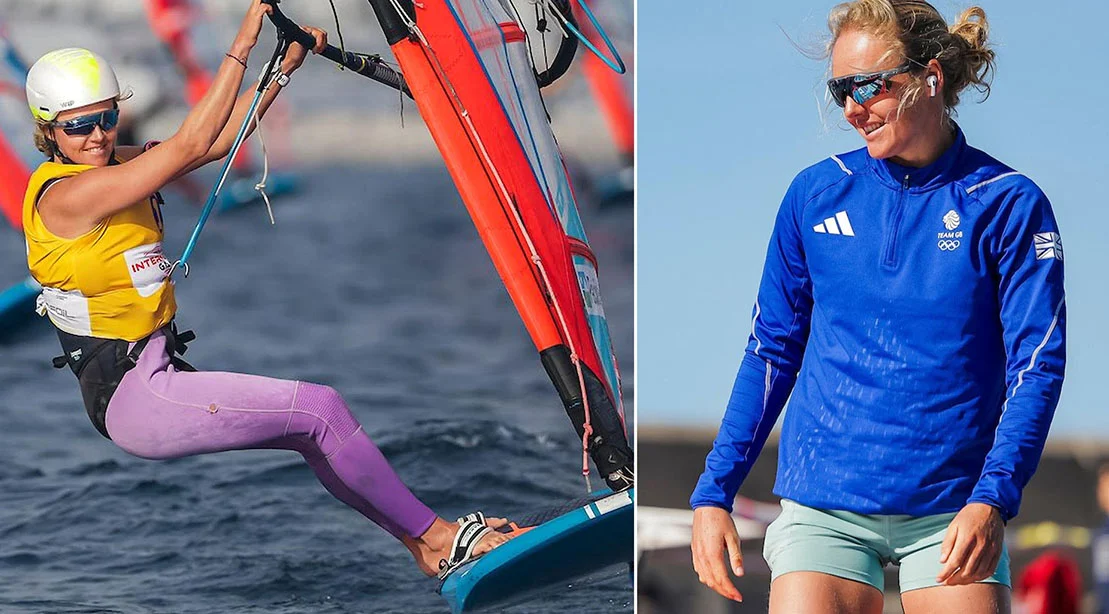
As the sailing world turns its gaze toward the iconic waters of Weymouth, England, all eyes are fixed on a singular force of nature: Emma Wilson. The British windsurfing sensation is set to return to the starting line for the 2026 Musto iQFOiL World Championships, not merely as a participant, but as the woman to beat. Fresh off her 2025 world title, Wilson is using this homecoming event as a pivotal stepping stone toward the 2028 Olympic Games in Los Angeles.
However, behind the effortless grace she displays while gliding across the water at speeds that rival motor vehicles lies a reality of grit, surgical recovery, and relentless physiological preparation. In an exclusive interview with M&F Hers, Wilson and her coaching team peel back the layers of what it truly takes to remain a "bonafide warrior of the waves" when the margin between victory and injury is measured in millimeters.
The Evolution of the Sport: Understanding iQFOiL
To appreciate the magnitude of Wilson’s achievement, one must first understand the brutal demands of the iQFOiL class. Introduced to the Olympic stage at the 2024 Paris Games, iQFOiL represents a radical departure from traditional windsurfing. Utilizing advanced hydrofoil technology, the board lifts entirely out of the water, eliminating drag and allowing athletes to "fly" at speeds reaching 35 knots (40 mph).
This is not a sport for the faint of heart. It is a high-octane, full-body endurance test. Unlike traditional sailing, where tactics often take precedence over raw physical output, iQFOiL requires the athlete to constantly "pump" the sail—a repetitive, high-intensity motion that demands elite cardiovascular conditioning and muscular stamina. When the wind is light, the physical toll is amplified; the sailor must work twice as hard to generate the necessary lift to get the board onto the foil.
Chronology of a Champion: From Injury to Zenith
Emma Wilson’s path to the pinnacle of the sport has been far from linear. It has been a career defined by an uncanny ability to perform under duress.
- 2022: A testament to her mental fortitude, Wilson competed in the World Championships with a broken toe. Despite the debilitating pain, she navigated the field with surgical precision, securing an impressive fourth-place finish.
- 2024: After years of honing her craft, Wilson solidified her status as an international powerhouse by securing an Olympic Bronze medal, her second career bronze on the Olympic stage.
- 2025: The year of the crown. Wilson outclassed the global fleet to take the World Championship title, proving that her technical mastery was second to none.
- 2026: The present challenge. Returning to Weymouth for the Musto iQFOiL World Championships, Wilson aims to defend her title on home soil—a "once in a lifetime" opportunity.
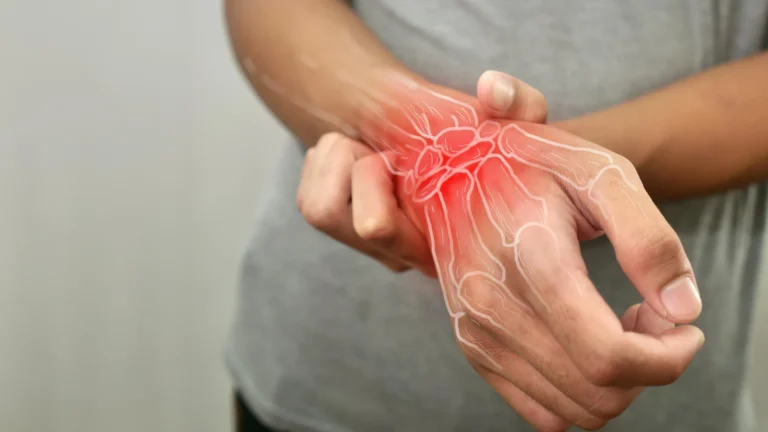
Throughout this timeline, Wilson has battled significant physical setbacks, including torn ligaments in her forearms—a direct consequence of the immense tension required to grip the boom during high-intensity racing. "I was super lucky with the surgery both times," she reflects. Her recovery has been nothing short of remarkable, returning to the water with minimal downtime, a testament to both her surgical team and her own commitment to rehabilitation.
The Architecture of an Athlete: Strength and Conditioning
Wilson’s success is no accident; it is the result of a meticulously engineered training program overseen by GB Sailing’s Strength and Conditioning lead, Will Barnes. The philosophy is simple but brutal: create a body that is durable enough to withstand the violent forces of the ocean, yet explosive enough to dominate the racing fleet.
The Focus on Lower Body Power
"Her primary focus has been to increase the strength in her lower body," explains Barnes. "In a typical session, Emma will complete a bilateral exercise, such as a heavy leg press, followed immediately by a unilateral exercise, like a split squat into hip thrusts."
This combination serves two purposes. First, it builds the foundational stability required to balance on a moving, unstable hydrofoil board. Second, it creates the raw power necessary to initiate the "pumping" phase that gets the board airborne. "I can guarantee there are very few athletes out there who are able to do all that and still go out on the water for hours of pumping that same day," Barnes notes with pride.
Grip Strength and Injury Mitigation
The arms are the sailor’s connection to the sail, and for Wilson, they are a primary injury risk. Barnes has shifted the focus of her gym sessions toward specialized grip strength training. By fortifying the muscles and tendons in the forearms, the team aims to limit the strain placed on the ligaments that have plagued her in the past.
"It’s a full-body experience," Wilson says. "I guess that’s why we go to the gym so much. It’s a balance between getting strong and heavy, but you’ve also got to be able to hit your max heart rate every single race."
The Science of Recovery: Sleep and Physiotherapy
While the gym provides the building blocks, recovery is where the championship is won. Wilson is a firm believer that the most underrated tool in any elite athlete’s arsenal is sleep.
"If I get a good night’s sleep, I’m perfect. And if I don’t, I’m so grumpy," she laughs. Beyond the humor lies a strict protocol. After a grueling day on the water, where the sensory input of the wind and the physical demand of the waves leave her exhausted, Wilson prioritizes active recovery. Stretching and a consistent sleep routine form the bedrock of her ability to return to the water at full intensity the following day.
Furthermore, the support of the GB Sailing physiotherapy team has been instrumental. By addressing micro-traumas before they manifest as chronic injuries, the staff ensures that Wilson remains "locked in" for the peak of the season.
Implications for the Future
The 2026 World Championships in Weymouth are more than just a title defense; they are the litmus test for the road to Los Angeles 2028. As the competition format shifts—requiring surfers to navigate a multi-stage qualifying series before entering a high-pressure, single-day elimination final—the mental and physical strain will be at an all-time high.
For Wilson, the stakes are deeply personal. "Having the World Championships at home this year, for me, it’s a once in a lifetime opportunity," she says.
The implications for the sport are also profound. By demonstrating that an athlete can dominate at the highest level while managing significant past injuries, Wilson is setting a new standard for longevity in professional windsurfing. She is proving that with the right data-driven training, expert medical support, and an unwavering psychological edge, the "breeze" of windsurfing can be mastered.
Conclusion
As September 4th approaches, the sailing community waits with bated breath. Will the home crowd witness a successful title defense? Will the physical toll of the training finally yield to the technical brilliance of the champion?
One thing is certain: Emma Wilson is not merely hoping for victory; she is building it, one rep, one wave, and one night of recovery at a time. In the volatile world of iQFOiL, she remains the steady hand on the boom, a testament to what is possible when an athlete treats their body as both a precision instrument and a temple of endurance.
Event Details:
- Event: 2026 Musto iQFOiL World Championships
- Location: Weymouth, England
- Dates: September 4–12, 2026
- More Information: Official Event Page
- Follow Emma Wilson: Instagram