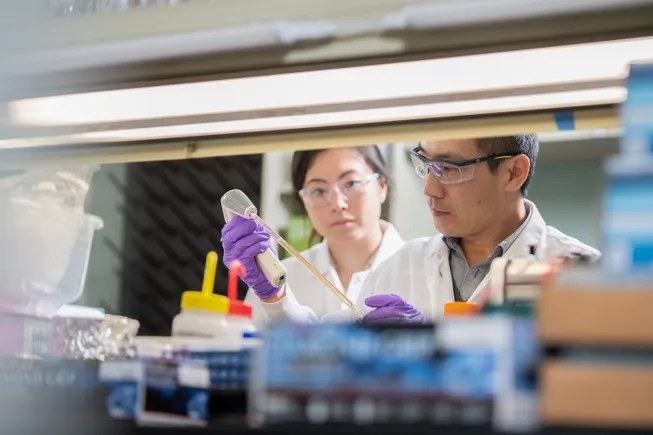
In a transformative move for the field of oncology and diagnostic medicine, Swiss pharmaceutical giant Roche has announced its acquisition of PathAI, a leader in artificial intelligence-powered pathology. This acquisition marks a significant consolidation in the med-tech landscape, signaling a shift toward a future where the traditional microscope is augmented—and in some cases replaced—by high-speed digital imaging and sophisticated machine learning algorithms.
The deal, which builds upon a multi-year partnership between the two companies, aims to integrate PathAI’s advanced diagnostic algorithms directly into Roche’s global oncology diagnostic platforms. For patients, the promise is clear: faster, more accurate diagnoses that can unlock personalized treatment pathways. For the industry, it is a testament to the growing realization that the future of precision medicine is inextricably linked to the marriage of laboratory diagnostics and data science.
The Core Facts: A Strategic Consolidation
The acquisition of PathAI by Roche is not merely a purchase of technology; it is an integration of infrastructure. PathAI, known for its expertise in creating AI models that analyze tissue samples, has spent years building a robust digital pathology ecosystem. By bringing this in-house, Roche aims to scale these solutions globally, leveraging its massive distribution network to reach labs and hospitals that have historically relied on manual, subjective diagnostic workflows.
At the heart of the deal is the concept of "digital pathology." This process involves converting physical tissue slides into high-resolution digital images that can be accessed from anywhere. Once digitized, these slides serve as the foundation for AI-enabled analysis, which can identify patterns, markers, and cellular anomalies that may be invisible or ambiguous to the human eye.
Roche’s objective is to combine PathAI’s AI-powered diagnostic tools with its own industry-leading oncology diagnosis platforms. This synergy is expected to streamline the diagnostic journey, reducing the time from biopsy to treatment plan—a critical metric in cancer care, where every day of delay can impact patient outcomes.
Chronology of Collaboration: A Path to Acquisition
The partnership between Roche and PathAI did not emerge in a vacuum. It was the result of a deliberate, multi-year progression of trust and technical integration.
- 2021: The Initial Partnership: Roche and PathAI entered into their first formal collaboration, focusing on the development of AI-based diagnostic algorithms. At this stage, the focus was on proving that AI could reliably assist pathologists in assessing complex tissue samples.
- 2024: Expanding the Scope: Recognizing the success of their initial projects, the companies expanded their agreement in early 2024. This expansion specifically targeted the development of "AI-enabled companion diagnostic algorithms," which are essential for determining which patients are most likely to respond to specific targeted therapies.
- Mid-2024: The Strategic Acquisition: Following the success of the expanded collaboration, Roche finalized the decision to acquire PathAI entirely. This move allows Roche to bring the innovation cycle under one roof, accelerating the R&D process and removing the friction associated with third-party integration.
This trajectory mirrors a broader trend in the life sciences sector, where major pharmaceutical players are increasingly looking to acquire, rather than just license, the AI technologies that are defining the next generation of patient care.
Supporting Data: The Digital Pathology Boom
The acquisition of PathAI is situated within a highly competitive and rapidly evolving market. The demand for digital pathology is driven by a global shortage of pathologists and the increasing complexity of cancer diagnostics, which now often require the identification of specific biomarkers to guide immunotherapy.
Recent industry data underscores this shift:
- The Competitive Landscape: The market has seen a flurry of activity as large diagnostics firms race to build digital capabilities. Notably, last year, Tempus AI acquired the digital pathology firm Paige for approximately $81 million, a deal that highlighted the significant market value of proprietary AI pathology models.
- Clinical Integration: Earlier this year, Labcorp, one of the world’s largest clinical laboratory networks, expanded its collaboration with PathAI. This rollout aimed to integrate AI platforms directly into anatomic pathology labs and hospital sites, proving that the technology is ready for large-scale clinical deployment.
- Efficiency Gains: Research indicates that digital pathology, when paired with AI, can reduce the turnaround time for diagnostic reports by up to 30%. Furthermore, AI tools can act as a "second pair of eyes," significantly reducing the rate of inter-observer variability—the tendency for two different pathologists to interpret the same sample differently.
Official Responses and Strategic Vision
Leadership at both Roche and PathAI have framed the deal as a milestone in the "democratization" of precision medicine.
Matt Sause, CEO of Roche Diagnostics, articulated the company’s vision during the acquisition announcement. "Digital pathology has the potential to improve precision diagnosis of cancer and enable physicians to offer better tailored treatment regimens," Sause stated. He emphasized that the acquisition is fundamentally about patient impact, noting that Roche’s oncology platform will be the vehicle that brings these sophisticated algorithms to the bedside on a global scale.
From the PathAI perspective, the acquisition provides the resources and global footprint necessary to move their research from the laboratory to the standard of care. By tapping into Roche’s regulatory expertise and global supply chain, PathAI’s technology can move through the arduous process of FDA approval and international certification far more efficiently than it could as a standalone firm.
The Implications: What This Means for Healthcare
The acquisition of PathAI by Roche carries profound implications for the future of clinical medicine, biopharma research, and hospital operations.
1. The Transformation of Oncology
In oncology, the "one-size-fits-all" approach to treatment is dead. Modern oncology relies on companion diagnostics—tests that determine if a patient’s tumor has specific genetic mutations that make them candidates for expensive, highly effective targeted therapies. PathAI’s ability to use AI to detect these biomarkers from tissue slides will make it easier for oncologists to prescribe the right drug at the right time.
2. A New Frontier in Drug Development
Beyond diagnostics, PathAI provides solutions for clinical trial support and translational research. By helping biopharma companies identify new biomarkers and potential drug targets, the platform accelerates the drug discovery process. Roche intends to leverage this to shorten the timeline for bringing new cancer therapies to market, potentially saving billions in R&D costs and delivering life-saving drugs to patients years earlier than current models allow.
3. Addressing the Pathologist Shortage
There is a global crisis in pathology; as the population ages and cancer diagnoses increase, the number of trained pathologists is not keeping pace. Digital pathology helps solve this by allowing for remote review of slides and AI-driven triaging. By identifying "normal" or "clear" cases automatically, AI allows human pathologists to focus their limited time and expertise on the most complex, high-stakes cases.
4. The Future of Data-Driven Healthcare
This acquisition is a definitive move toward the "Data-First" laboratory. As diagnostic labs become digital hubs, the volume of data generated will be unprecedented. The combination of Roche’s clinical data and PathAI’s computational models creates a closed-loop system where every diagnosis informs the next, creating a virtuous cycle of continuous learning and improvement.
Challenges and Considerations
While the outlook is overwhelmingly positive, the integration of AI into diagnostic workflows is not without challenges.
- Regulatory Hurdles: Every AI algorithm used in a clinical setting must undergo rigorous validation to ensure it performs consistently across different types of scanners, staining techniques, and patient populations. Maintaining this consistency as Roche scales PathAI globally will be a significant operational task.
- Data Privacy and Ethics: As diagnostic data becomes increasingly digital, the ethical management of patient information remains paramount. Roche will need to ensure that its AI models are not only accurate but also transparent and free from bias, ensuring that the technology serves all patient demographics equally.
- Cultural Adoption: The transition from physical glass slides to digital screens represents a massive cultural shift for pathologists who have spent their entire careers looking through eyepieces. Successfully integrating these tools requires not just software updates, but comprehensive training and support for the clinical workforce.
Conclusion
The acquisition of PathAI by Roche represents a "coming of age" moment for digital pathology. By moving from a speculative technology to a core component of one of the world’s largest healthcare companies, digital pathology is signaling that it is no longer an optional add-on—it is the future of the field.
As the industry moves forward, the success of this acquisition will likely be measured by the speed at which AI-driven insights reach the clinic. If Roche can successfully marry its diagnostic infrastructure with the computational power of PathAI, it will set a new global standard for cancer care. The era of the "AI-augmented pathologist" has arrived, and with it, the potential for a more precise, faster, and ultimately more effective approach to treating some of the world’s most challenging diseases.
For the healthcare sector, the message is clear: the future is digital, the future is data-driven, and the future is happening now.