By Sree Roy
In a pivotal shift for the sleep medicine landscape, Carlsbad, California-based Advanced Brain Monitoring (ABM) was acquired on May 20 by Cadence Health Capital. The acquisition marks a significant transition for a firm long regarded as a "hidden gem" in the industry, moving it from a research-intensive boutique operation to a scalable, commercially focused enterprise. With a new executive leadership team at the helm, the company aims to modernize the clinical utilization of its validated neuro-diagnostic technologies, targeting the growing intersection of sleep apnea, insomnia, and neurodegenerative disease.
Main Facts: A New Chapter for a Research Pioneer
For over two decades, Advanced Brain Monitoring has carved out a niche as the gold standard for high-fidelity home sleep testing (HST) and EEG-based neurological insights. Unlike many startups that prioritize rapid, low-cost diagnostics at the expense of clinical depth, ABM has built its reputation on a foundation of rigorous, peer-reviewed science.
The acquisition by Cadence Health Capital provides the operational muscle to bring this technology to a broader market. The new leadership team—CEO Nikita Sunilkumar, Chief Commercial Officer Nadia Tarazi, and Chief Financial Officer Rania Missoumi—brings a wealth of experience spanning healthcare finance, geriatric medicine, and commercial expansion. Crucially, the company’s founders, Dan Levendowski and Chris Berka, will remain on board as the Chief Technology Officer and Chief Scientific Officer, respectively, ensuring that the firm’s "inventor DNA" remains intact.
Chronology of the Transition
The acquisition did not occur in a vacuum; it was the culmination of a strategic review of ABM’s position in a maturing sleep technology market.
- Pre-2024: ABM operated as an independent, science-first entity, successfully securing numerous FDA clearances and building a massive library of clinical validation for its Sleep Profiler platform.
- May 20, 2024: The formal acquisition by Cadence Health Capital is finalized. The move replaces a legacy administrative structure with a new executive team specifically tasked with scaling operations.
- Late Q2 2024: The new leadership conducts an internal audit, determining that the product suite—previously fragmented into three separate silos—could be consolidated into a single, more flexible, and configurable platform.
- Q3 2024 and Beyond: The company initiates its "friction reduction" roadmap, focusing on streamlining the clinician experience and expanding the reach of its positional therapy device, Night Shift.
Supporting Data: Why Validation is the Ultimate Moat
In an era where the home sleep testing market is flooded with consumer-grade wearables and hastily developed apps, ABM’s primary asset is its regulatory and scientific track record. Nikita Sunilkumar, the new CEO, is emphatic about the difficulty of replicating ABM’s position.
"If you wanted to start today, the amount of effort, time, and cost it would take to replicate the amount of science that’s been done—the validation of the actual product with real patients and real nights—it’s an enormous task," Sunilkumar explains.
The data backing ABM is not merely incidental; it is central to their business model. Their diagnostic suite is capable of tracking REM sleep, slow-wave sleep, and specific EEG biomarkers that are often overlooked by basic pulse-oximetry-based home tests. This depth of data is what makes their technology particularly relevant to neurologists. While a standard HST might satisfy basic reimbursement requirements for obstructive sleep apnea (OSA), the Sleep Profiler provides the neurological granularity required to diagnose complex sleep disorders that frequently overlap with cognitive decline.
Furthermore, the company’s role as a contract research partner provides a secondary, stable revenue stream. By serving as a data provider for clinical trials, ABM has institutionalized its methodology, ensuring that its hardware and software remain calibrated to the highest academic standards.
Official Responses: The "Blockbuster to Netflix" Moment
The new leadership team views the acquisition as a rescue mission for underutilized potential. Nadia Tarazi, the new Chief Commercial Officer, brings a fresh perspective to the company’s history.
"When I learned about the Sleep Profiler and really understood what it was capable of doing compared to a lab, it felt like when Blockbuster missed the chance to be Netflix," Tarazi notes. Her comparison underscores a critical industry observation: while the technology exists to provide hospital-grade diagnostics in the home, the operational hurdles—complex reporting, cumbersome deployment, and fragmented product branding—have historically prevented widespread adoption.
The leadership team is particularly keen on maintaining the vision of the founders. Dan Levendowski and Chris Berka remain heavily involved, ensuring that the transition does not sacrifice the scientific curiosity that allowed ABM to pioneer the use of wake-EEG for dementia research. As Tarazi puts it, "Some of the parameters that it covers aren’t just aligned for a reimbursement code; they come from that curious focus."
Implications: The Neurology Frontier and Beyond
The most profound implication of this acquisition is the potential for ABM to pivot toward the neurology market. As the medical community increasingly views sleep as a "pillar of brain health," the demand for diagnostic tools that can bridge the gap between sleep apnea and neurodegenerative conditions is skyrocketing.
Simplifying the Neurological Workflow
For years, ABM has participated in landmark research, such as the NIH-funded INSPECDS study, which uses combined sleep and wake EEG biomarkers to aid in the early detection of Alzheimer’s disease. However, the hurdle has always been the translation of this data into a format that a general neurologist can use.
The new strategy involves "demystifying" the data. By simplifying reporting processes, the leadership team aims to turn complex neuro-data into actionable insights for non-sleep specialists. This will allow neurologists to incorporate sleep health into their standard assessment of geriatric patients, potentially identifying at-risk individuals years before the onset of overt symptoms.
Operational Streamlining
Beyond diagnostics, the company is re-evaluating its therapeutic portfolio, specifically the "Night Shift" positional therapy device. While the device has enjoyed significant market penetration in Europe, its presence in the United States has been relatively muted. The new team intends to use strategic partnerships to bolster its domestic footprint, treating it as a key pillar of the company’s "total sleep health" approach.
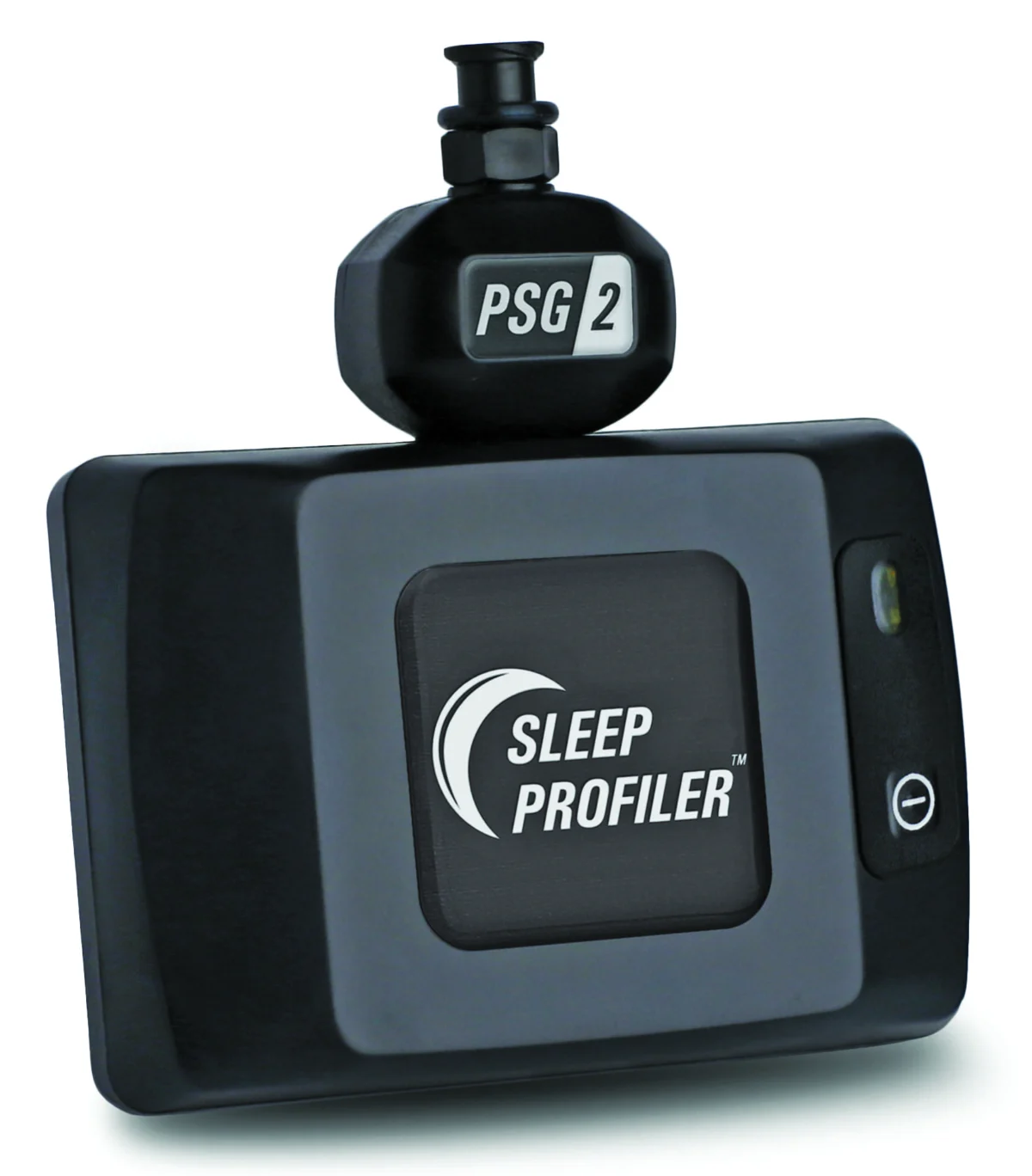
Furthermore, by consolidating the Sleep Profiler product lines (PSG, NDD, and standard) into a single, modular hardware platform, the company is significantly reducing the overhead for both the manufacturer and the clinical provider. This "one-size-fits-most" configuration ensures that as a clinic’s needs change—or as reimbursement environments evolve—the hardware remains a constant, adaptable asset.
A Different Kind of Investment
Unlike typical acquisitions, which are often spearheaded by private equity firms looking for aggressive, short-term cost-cutting measures, ABM was acquired by a syndicate of individual and institutional investors. This provides the company with a longer runway and greater strategic flexibility.
"We’re able to come in and be flexible about where we see the opportunity and how we want to grow," says Sunilkumar. This flexibility is essential for a company that operates at the intersection of high-end research and clinical practice. It allows the leadership to focus on "removing friction" for clinicians—taking over the administrative and logistics-heavy burdens—so that sleep specialists can focus on what they do best: interpreting data and treating patients.
Conclusion: The Path Forward
As the transition settles, the message to the sleep medicine community is one of stability and evolution. ABM is not undergoing a radical rebranding or abandoning its scientific roots. Instead, it is undergoing an "operational upgrade."
The "little engine that could" of the sleep industry is preparing for its next phase of growth. By leveraging its existing library of FDA-cleared, research-validated data and pairing it with a streamlined, customer-centric commercial model, the new ABM is positioned to move from a niche provider to a central player in the future of brain health. For clinicians, this means less time managing devices and more time utilizing the high-fidelity insights that only ABM can provide. For patients, it means a clearer path to diagnosis and treatment for conditions that have, for too long, remained obscured by the limitations of traditional, non-neurological sleep testing.