As we observe Brain Health Awareness Week (March 16–20), the scientific community is turning its attention to one of the most underrated pathways to cognitive longevity: the sense of smell. While modern medicine has long prioritized visual and auditory stimuli in cognitive therapy, new research suggests that our olfactory system—the oldest and most primal of our senses—may be the key to unlocking significant improvements in brain function and preventing the onset of neurodegenerative diseases.

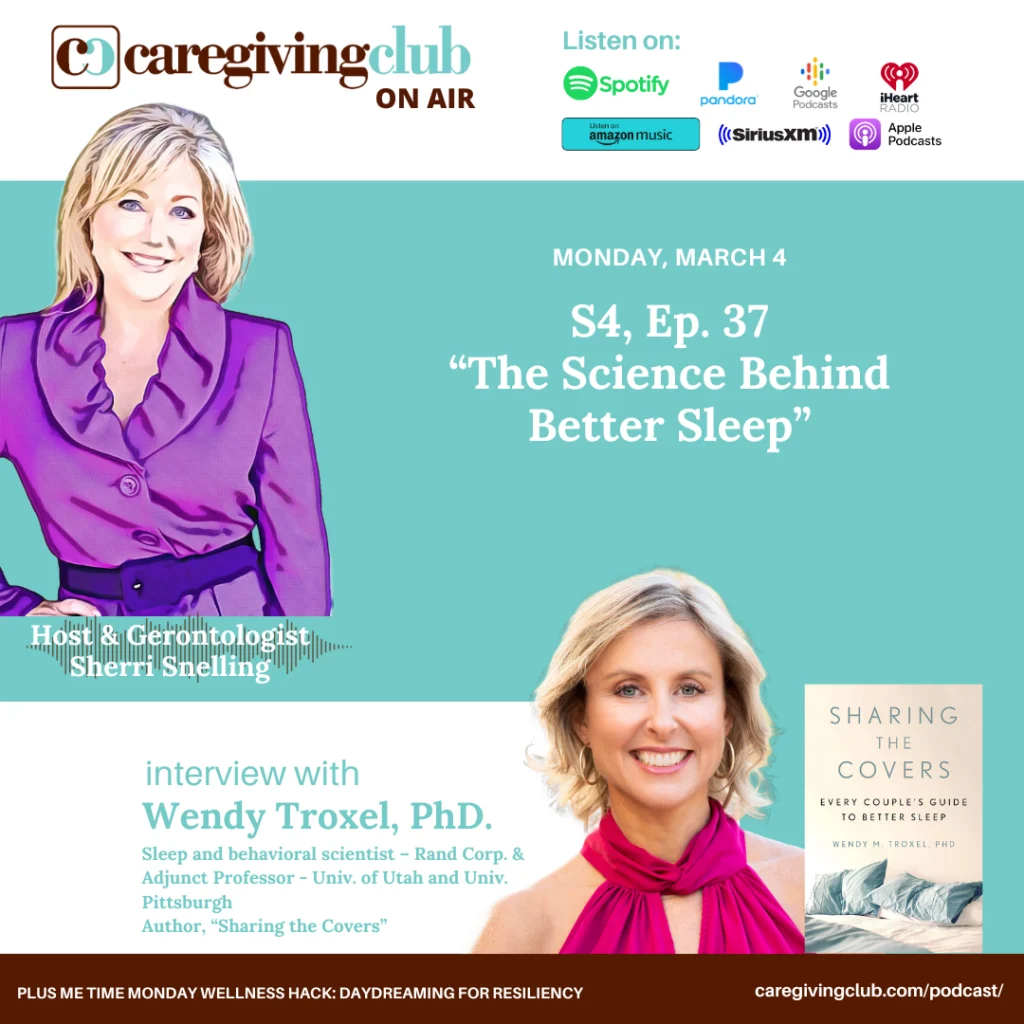
In the latest installment of the Caregiving Club On Air podcast (Season 6, Episode 66), host Sherri Snelling sits down with Dr. Michael Leon, Professor Emeritus at the University of California, Irvine (UCI), to discuss the intersection of aromatherapy, neuroplasticity, and the emerging field of "Well Home Design."

The Science of Scent: Unlocking Cognitive Potential
The human brain is an intricate, plastic organ, yet it is susceptible to the slow degradation caused by chronic inflammation and oxidative stress. Dr. Michael Leon, a distinguished neuroscientist whose career has spanned decades of research into brain disorders ranging from autism to Alzheimer’s, argues that our sense of smell is an underutilized bridge to the brain’s higher functions.

"We are just beginning to understand how powerful the olfactory bulb is as a gateway," Dr. Leon notes. His research indicates that olfactory stimulation does more than just trigger memory; it can actively stimulate the brain to repair and strengthen neural pathways. In a landmark study, Dr. Leon’s team found that structured scent-training resulted in a 226% increase in memory and cognitive performance among participants. This staggering statistic suggests that the brain, when provided with the right sensory input, is capable of remarkable rejuvenation.

Chronology of Discovery: From Basic Neuroscience to Memory Air
Dr. Leon’s work is not a product of overnight success but the culmination of years of rigorous academic inquiry into the neurobiology of the senses.

- Foundational Research (Early 2000s–2010s): Dr. Leon’s early tenure at UCI focused on the fundamental mechanisms of how sensory inputs shape the developing and aging brain. His lab established that enriched sensory environments could reverse some of the effects of neural decline.
- The Olfactory Breakthrough (2015–2020): Identifying the direct link between the olfactory system and the hippocampus—the brain’s memory center—Dr. Leon began testing the efficacy of scent-based cognitive training.
- The Translation to Industry (2021–Present): Moving from the laboratory to the living room, Dr. Leon co-created "Memory Air," a wellness home product. This device integrates the principles of neuro-design, allowing users to harness the therapeutic benefits of scent in their own homes to improve sleep quality and cognitive retention.
Supporting Data: Why Scent Matters
The connection between smell and memory is biologically profound. Unlike other senses, the olfactory bulb has a direct, high-speed connection to the amygdala and the hippocampus, the areas of the brain responsible for emotion and memory. This is why a specific scent can instantly transport an individual back to a distant childhood memory.

Dr. Leon’s findings suggest that by utilizing specific, recurring scent profiles, we can induce states of deep sleep—a critical period when the brain clears out the "metabolic waste" (like amyloid-beta plaques) that contributes to Alzheimer’s. Furthermore, the use of stimulating scents during waking hours can enhance focus and neuroplasticity.

In the context of the Caregiving Club’s mission, this research provides actionable, low-cost strategies for caregivers. By optimizing the sensory environment of the home, caregivers can help reduce the agitation often associated with dementia while simultaneously boosting the cognitive baseline of their loved ones.

Implications for "Well Home Design" (NeuroDesign)
The integration of these scientific findings into architecture and interior design is a burgeoning field known as "Well Home Design" or "NeuroDesign." The core premise is that our environment is not just a backdrop for our lives but an active participant in our physiological health.

Dr. Leon emphasizes that the home should be a "sensory gym." By utilizing devices like Memory Air, individuals can curate their environment to be supportive of their circadian rhythms. For instance, calming scents like lavender or sandalwood can signal to the brain that it is time to transition into the restorative deep-sleep cycles necessary for memory consolidation, while more invigorating scents can be used to combat "brain fog" during the day.

Official Perspectives: The Caregiving Club’s Role
Sherri Snelling, author of ME TIME MONDAY and host of the Caregiving Club On Air, has long championed the idea that sensory health is a cornerstone of self-care for the "Sandwich Generation"—those caring for aging parents while managing their own lives.

"When our senses are enhanced, we are building better brain performance," says Snelling. Her book and podcast serve as a bridge between the complex, often inaccessible world of clinical neuroscience and the everyday needs of caregivers. By focusing on the five senses, Snelling provides a roadmap for reducing the stress that accelerates brain aging.

The Caregiving Club has recently achieved significant recognition, reaching #3 in Feedspot’s ranking of the Top 80 caregiving podcasts. This milestone underscores the growing demand for science-backed, accessible information that empowers families to take control of their long-term brain health.

Addressing the Crisis: Alzheimer’s and Cognitive Decline
The urgency of Dr. Leon’s research cannot be overstated. As the global population ages, the prevalence of Alzheimer’s and other dementias is expected to skyrocket. Current medical treatments are often limited in scope and side-effect heavy.

Dr. Leon’s approach represents a paradigm shift: moving away from reactive pharmacology toward proactive, environmental prevention. If a simple, consistent routine of olfactory stimulation can delay the onset of cognitive decline by even a few years, the public health implications would be massive, saving billions in healthcare costs and preserving the quality of life for millions of families.

Practical Applications for the Caregiver
For those looking to implement these strategies today, the Caregiving Club offers several resources:

- The MIND Diet: Combining the Mediterranean and DASH diets, this nutritional protocol is the gold standard for brain health. Increasing leafy greens and berries, and incorporating fish three times a week, can lead to brain health comparable to individuals 20 years younger.
- Sensory Infographics: The Caregiving Club provides visual guides on the "5 Senses of Sleep" and "5 Senses of Brain Health," helping caregivers identify small, 7-minute "hacks" to integrate into their daily routines.
- Digital Detox: As part of the "Self-Care in 7 Minutes" series, these videos encourage caregivers to unplug from the constant barrage of digital notifications, allowing the brain the quiet it needs to process information and recover from the day’s stress.
Conclusion: A New Era of Brain Wellness
The conversation between Dr. Michael Leon and Sherri Snelling marks a turning point in how we approach aging. We are no longer limited to merely hoping for a pharmaceutical miracle; we are beginning to understand the tools we already have at our disposal.

By leveraging the power of our senses—specifically the sense of smell—and adopting a lifestyle that prioritizes sensory enrichment, healthy nutrition, and consistent sleep hygiene, we can take proactive steps to protect our most valuable asset: our brain. As we move forward, the "Well Home" will likely become a critical pillar of preventative medicine, turning the space where we live into a laboratory for longevity.

For those interested in exploring these techniques further, the Caregiving Club continues to provide free educational content, including their new Caregiving Club News channel on YouTube, which covers the latest in research, resources, and policy for the caregiving community.

For more information on Dr. Michael Leon’s research and the Memory Air device, visit memoryair.com. To catch the latest episodes of "Caregiving Club On Air," subscribe on Apple Podcasts, Spotify, or the Caregiving Club YouTube channel.