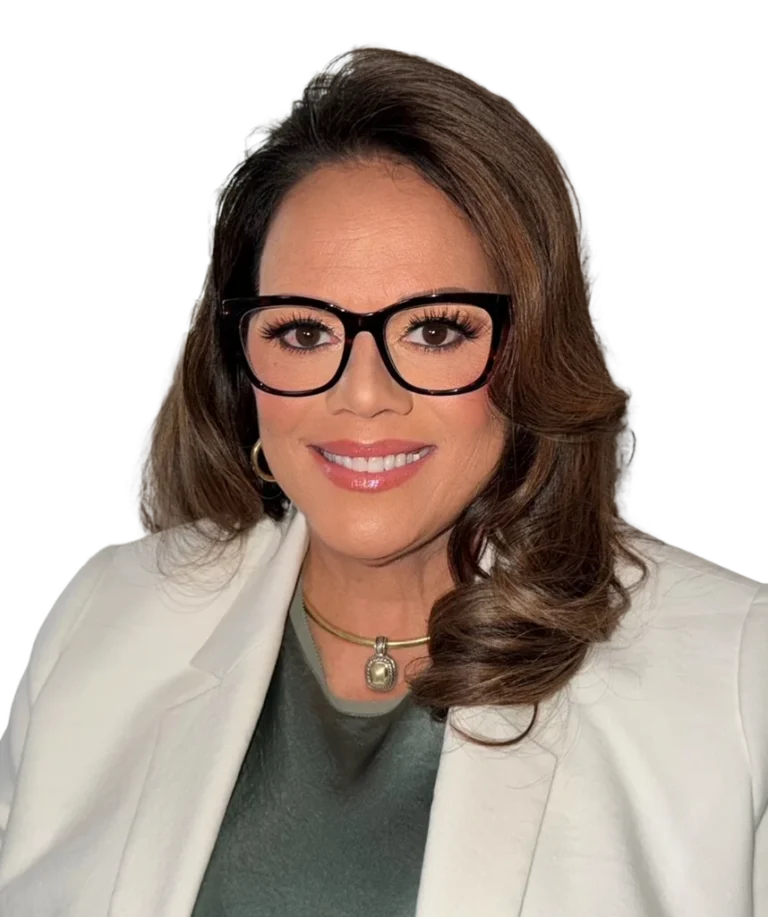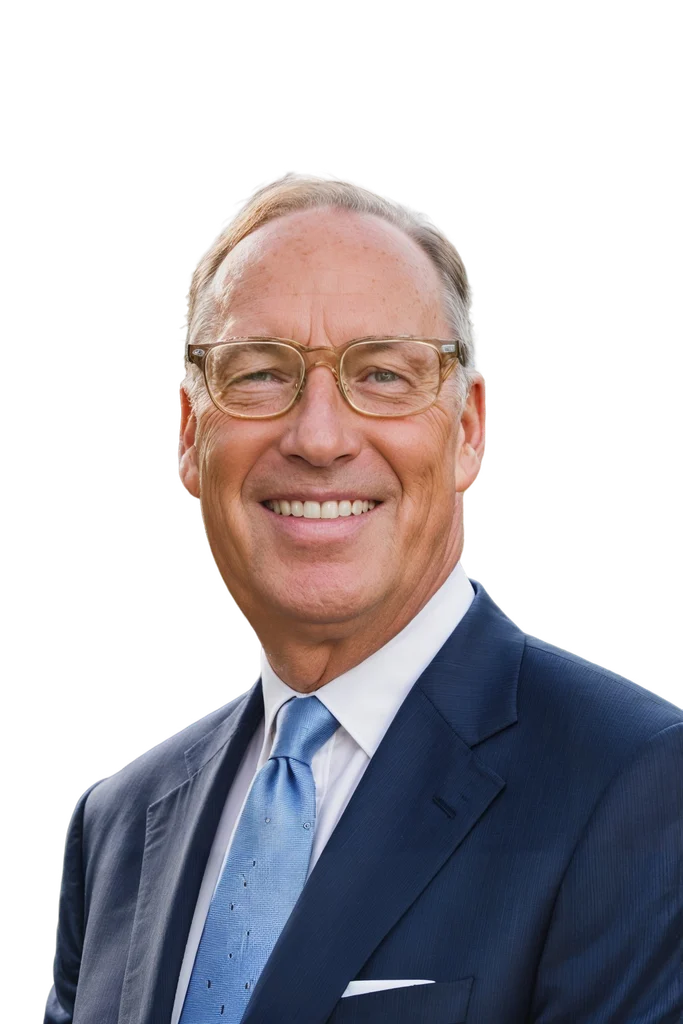











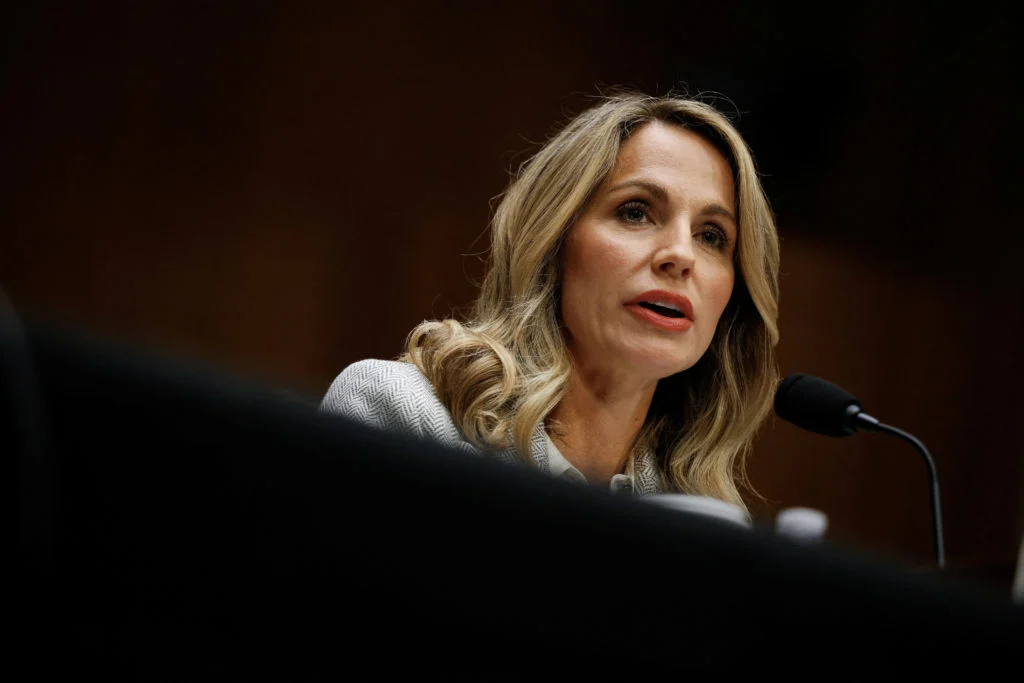
WASHINGTON — In a significant development for the Trump administration’s public health agenda, the Senate Committee on Health, Education, Labor and Pensions (HELP) voted 12–11 on Wednesday to advance the nomination of Dr. Nicole Saphier for the position of U.S. Surgeon General. The narrow, party-line-adjacent approval moves the radiologist and former Fox News contributor one step closer to becoming the nation’s "top doctor," though the confirmation process has become a flashpoint for deeper ideological battles regarding medical consensus and federal oversight.
The vote also saw the advancement of Timothy Westlake, nominated to serve as the assistant secretary for mental health and substance use at the Department of Health and Human Services (HHS). While both candidates now head toward a full Senate vote, their paths have been paved with intense scrutiny over their alignment with the administration’s increasingly heterodox views on public health, particularly concerning immunization schedules.
The Confirmation Landscape: A Chronology of Contention
The path to Wednesday’s committee vote has been turbulent. Dr. Saphier represents President Trump’s third attempt to fill the surgeon general role, following the withdrawal of Casey Means, whose nomination stalled amid mounting concerns regarding her policy background and vocal stances on health reform.
The timeline of the nomination process highlights the friction between the administration’s directives and the scientific establishment:
- Early September 2026: The Trump administration officially pivots to Dr. Nicole Saphier after the failed nomination of Casey Means.
- Mid-September 2026: During her confirmation hearing, Dr. Saphier faces a rigorous line of questioning from senators on both sides of the aisle, specifically regarding her stance on the link between childhood vaccinations and autism.
- Late September 2026: The Senate HELP committee conducts a follow-up review of her testimony, culminating in the 12–11 procedural vote on Wednesday.
- Future Outlook: The Senate leadership has yet to set a firm date for a full floor vote, though momentum suggests a swift attempt to finalize the appointment before the upcoming legislative recess.
The Vaccine Debate: Scientific Consensus vs. Political Rhetoric
At the heart of Dr. Saphier’s confirmation hearing was the administration’s ongoing interest in re-evaluating the safety and efficacy of the current childhood vaccination schedule. Despite decades of exhaustive research by the Centers for Disease Control and Prevention (CDC), the World Health Organization (WHO), and the American Academy of Pediatrics (AAP) confirming that vaccines do not cause autism, the Trump administration has repeatedly signaled a willingness to entertain fringe claims that suggest otherwise.
The Stance of the Nominee
Under persistent pressure from Republican Senator Bill Cassidy, Dr. Saphier clarified her position on the record. "I do not believe childhood vaccines cause autism," Saphier stated, explicitly endorsing the Measles, Mumps, and Rubella (MMR) vaccine as a critical tool for public health.
However, her confirmation was not without opposition. Senator Bernie Sanders, the ranking member of the HELP committee, led the dissent. Sanders argued that Saphier’s past public comments regarding the necessity of the hepatitis B vaccine at birth—which is standard clinical practice—raised "red flags" about her commitment to evidence-based medicine. "We need a surgeon general who will tell the truth about vaccines, not someone who misleads the public," Sanders noted in a statement explaining his opposition.
HHS Leadership and the "Vaccine Chaos"
The scrutiny surrounding Saphier is inextricably linked to the broader culture within the Department of Health and Human Services under Secretary Robert F. Kennedy Jr. Last week, the Senate Finance Committee advanced the nomination of Chris Klomp for deputy secretary of HHS by a 15–12 vote.
The questioning of Klomp echoed the concerns raised by Senator Ron Wyden, who characterized the current state of the department as one of "vaccine chaos." Wyden expressed skepticism that nominees like Klomp could act as a moderating force, stating that despite attempts to present themselves as the "adults in the room," the influence of the current HHS leadership remains deeply disruptive to public health norms.
Implications for the Surgeon General’s Office
While the office of the Surgeon General is often described as having limited formal regulatory power, it functions as one of the most powerful "megaphones" in the federal government. The occupant serves as the nation’s chief health communicator, tasked with distilling complex scientific data into guidance that impacts the daily lives of millions of Americans.
The Power of the Megaphone
Historically, the surgeon general has been viewed as an apolitical office dedicated to health promotion. From the landmark 1964 report linking smoking to lung cancer to modern efforts regarding mental health and opioid addiction, the office has relied on credibility and neutrality.
Critics argue that by nominating figures who have been vetted on their willingness to debate settled science, the Trump administration is effectively politicizing the office. If confirmed, Dr. Saphier will face the challenge of reconciling the administration’s skepticism of medical institutions with the practical realities of managing public health crises, such as potential measles outbreaks or the ongoing navigation of pandemic-era vaccine hesitancy.
Institutional Trust and Public Health
The tension between the Senate’s legislative oversight and the administration’s appointments reflects a broader crisis of institutional trust. When a nominee is questioned extensively on foundational scientific facts—such as the safety of the MMR vaccine—it sends a signal to the American public that even established medical protocols are subject to negotiation.
Public health advocates remain concerned that the politicization of these roles could result in a decline in vaccination rates, as the public may become increasingly confused by conflicting messaging from the highest levels of government.
Supporting Data: The Current Medical Reality
To contextualize the debate, it is essential to look at the data currently guiding global health policy:
- Vaccine Safety: The Institute of Medicine (now the National Academy of Medicine) has conducted numerous comprehensive reviews of vaccine safety, finding no causal link between vaccines and autism.
- Hepatitis B Protocol: The universal birth dose of the hepatitis B vaccine is a cornerstone of global efforts to eliminate mother-to-child transmission of the virus. Data consistently demonstrates that this intervention is both safe and highly effective at preventing long-term liver disease.
- MMR Efficacy: Measles, once nearly eradicated in the United States, has seen a resurgence in pockets of the country due to lower vaccination rates. The MMR vaccine remains the primary defense against this highly contagious and potentially lethal virus.
Conclusion: A Divided Path Forward
The narrow margin of Wednesday’s committee vote is a harbinger of the contentious floor debate that lies ahead. While Dr. Saphier’s supporters emphasize her clinical background as a radiologist and her attempts to moderate her stance on vaccine safety, her detractors view her nomination as a capitulation to anti-science sentiment within the executive branch.
As the Senate prepares for the final confirmation vote, the eyes of the medical community will remain fixed on Washington. The outcome will likely define the tone of the administration’s health policy for the remainder of its term, setting a precedent for how the government interacts with, and communicates, scientific truth in an era of intense political polarization.
Whether Dr. Saphier can regain the traditional trust associated with the surgeon general’s office or whether she will remain a lightning rod for the ongoing "vaccine wars" remains to be seen. For now, the administration has secured a victory in the committee, but the battle for the credibility of the office of the Surgeon General is far from over.