









As the sun sets on September, the official designation of Pain Awareness Month draws to a close. For the general public, the end of the month often signals a shift in focus to other health observances. However, for more than 60 million Americans, the challenges associated with chronic pain do not adhere to a calendar. For this significant portion of the population, pain is a 365-day-a-year reality, characterized by persistent physical, emotional, and social hurdles that remain long after the awareness ribbons are tucked away.
The transition from September to October marks a critical juncture for the chronic pain community. While advocacy efforts peak during the month, the underlying necessity for comprehensive support, systemic healthcare improvements, and societal empathy is constant. This article explores the lived experiences of those in the chronic pain community, reflecting on what sustains them, the hurdles they face, and the collective call for a more responsive future.
The Scope of the Crisis: Supporting Data and Demographics
Chronic pain is not a monolith; it is an umbrella term for a diverse array of conditions—from fibromyalgia and CRPS to chronic back pain and neuropathic conditions—that affect people across every age group and demographic. According to the Centers for Disease Control and Prevention (CDC), approximately 20% of U.S. adults live with chronic pain, with a significant subset experiencing "high-impact" chronic pain that limits their ability to work or engage in daily life activities.
The economic and human toll is staggering. Beyond the direct medical costs, which reach into the hundreds of billions annually, the intangible costs—lost productivity, reduced quality of life, and the mental health toll—are incalculable. The narrative of the "60 million" is not merely a statistic; it is a tapestry of individual stories, each marked by unique struggles and, frequently, a tireless search for validation.
A Chronology of the Movement: From Awareness to Action
The modern chronic pain movement has evolved significantly over the last decade. Historically, pain was often treated as a secondary symptom rather than a condition worthy of primary clinical attention. The past few years, however, have seen a shift toward "One Movement," an initiative that seeks to unite disparate patient advocacy groups under a single banner.
September: The Month of Amplification
Throughout September, the community engaged in a series of digital and in-person forums centered on the themes of All Ages, Countless Diagnoses, Millions of Stories, and One Movement. The objective was clear: to move beyond the clinical data and humanize the diagnosis.
The Post-September Reality
As we enter the final quarter of the year, the movement faces the challenge of sustainability. The transition out of Pain Awareness Month is often met with a sense of "advocacy fatigue." The challenge now lies in translating the awareness generated in September into sustained policy changes, increased research funding, and a shift in how medical institutions train practitioners to interact with patients who have "invisible" conditions.
The Pillars of Resilience: What Keeps the Community Moving
In our conversations with those living with chronic pain, we sought to understand the "anchors" that keep individuals moving forward. The responses provided a profound look at the intersection of human connection, clinical support, and internal fortitude.
1. The Power of Human Connection and Validation
For many, the most effective "medicine" is found in the company of those who understand. Whether it is a partner, a pet, or a fellow patient, validation acts as a buffer against the isolation that chronic pain frequently induces.
- Supportive Partnerships: Barry, 57, finds his strength in his partner, who also lives with disability and chronic pain, noting that the shared experience creates a unique, unspoken language of support.
- The Role of Community: Niki, 54, emphasizes the importance of communities like "Celebrate Recovery" and church groups. Being surrounded by others who fight the "good fight" with joy and gratitude has fundamentally altered her perspective on her own limitations.
- Finding Glimmers: For parents like Kari, 37, hope is found in the "glimmers"—small, transient moments where her child’s joy momentarily eclipses her own physical agony.
2. The Clinical Frontier: Validation from Providers
The patient-provider relationship remains a critical battleground. For many, the diagnostic journey is fraught with dismissiveness, which can be as damaging as the pain itself. However, the presence of a compassionate provider—one who listens and validates—can be a life-altering experience.
- Mental Health as a Foundation: Erica, 45, highlights that her therapist is a vital part of her management team, helping her navigate the emotional weight of modifying her goals rather than abandoning them.
- The Persistence of Hope: Christina, 46, notes that her pain doctor’s refusal to give up on her case is the primary driver of her continued pursuit of treatment.
3. The Promise of Research and Innovation
While some have found effective management plans, others are still in the diagnostic search. For them, hope is tethered to the horizon of medical science. Debbie, 68, notes that the increased understanding of fibromyalgia today compared to 18 years ago provides a roadmap for progress. Meanwhile, Katie, 58, expresses optimism regarding new medications and medical devices that are currently in development.
Implications for Policy and Medical Education
The experiences shared by these individuals point to systemic gaps that must be addressed. If we are to move toward a future where pain is better managed, the following shifts are essential:
- Reframing Medical Training: Medical curricula must prioritize empathy and the validation of subjective pain experiences. As noted by Bobbie, 42, the contrast between dismissive medical staff and those with compassion is stark and often dictates the quality of a patient’s life.
- Expanding Research Horizons: While short-term symptomatic relief is necessary, long-term funding for the underlying mechanisms of chronic pain—specifically for conditions currently lacking effective treatments—must be increased.
- Holistic Support Systems: The healthcare system often treats the body in isolation. Integrating mental health, physical therapy, and social work into a single care model is essential for the holistic health of the chronic pain patient.
When Hope Feels Out of Reach: A Necessary Truth
It would be dishonest to portray the chronic pain experience as one of perpetual optimism. For some, the weight of the condition is overwhelming, and hope feels like a luxury they cannot afford. Voices like Mary, 70, and Bill, 66, remind us that for many, the reality is a raw, daily struggle for survival.
Acknowledging these voices is not a sign of defeat; it is a sign of maturity in the advocacy movement. It underscores the severity of the crisis and the moral imperative to continue the work. If we do not create space for those who are struggling, we fail to represent the reality of the community we seek to serve.
Conclusion: Carrying the Movement Forward
Pain Awareness Month may be defined by its dates on a calendar, but the movement for improved care, better research, and societal empathy is a perpetual endeavor. Whether it is through the quiet determination of individuals like Beverly, 84, who continues to try new treatments because she "doesn’t know how to give up," or through the bold advocacy of those working to change policy, the spirit of the movement is resilient.
As we move forward, the challenge is to keep these stories at the forefront of the national conversation. We must continue to ask: How can we listen better? How can we support more effectively? How can we turn individual stories into collective progress?
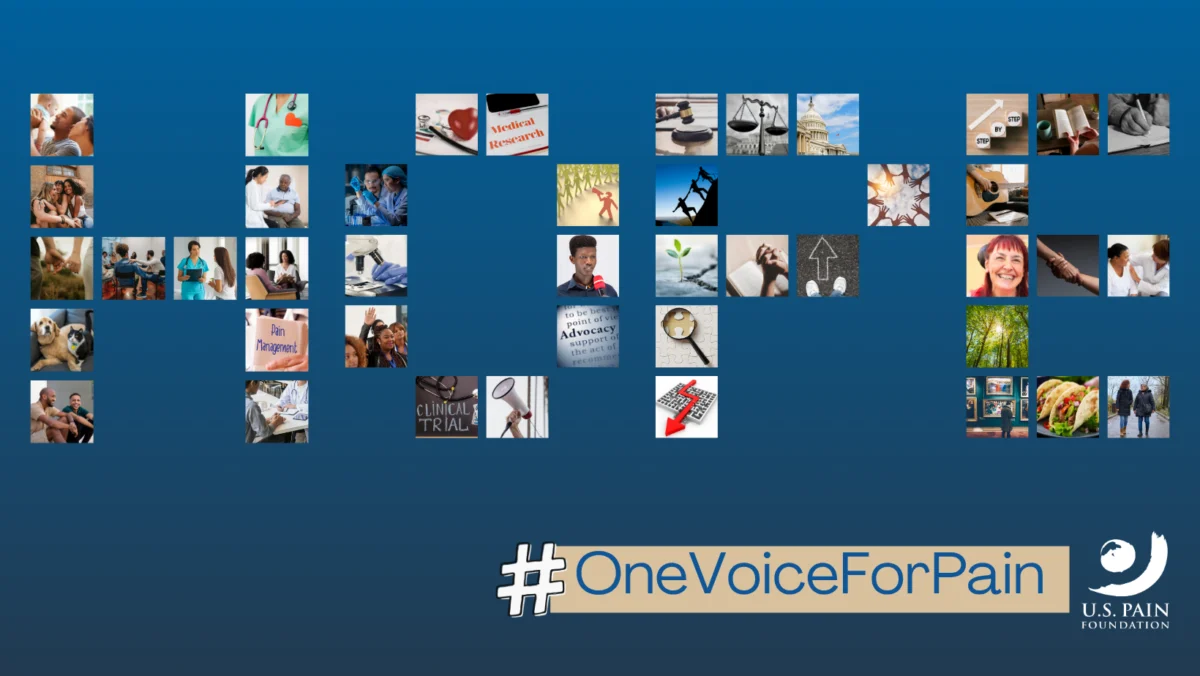
By maintaining this #OneVoiceForPain, we ensure that the progress made during September is not an isolated event, but rather a foundation for the months to follow. Together, we can change the narrative around pain, turning it from a silent, isolating struggle into a shared human experience that demands—and eventually receives—the attention and care it deserves. #LetsChangePain.