










1 July, 2026
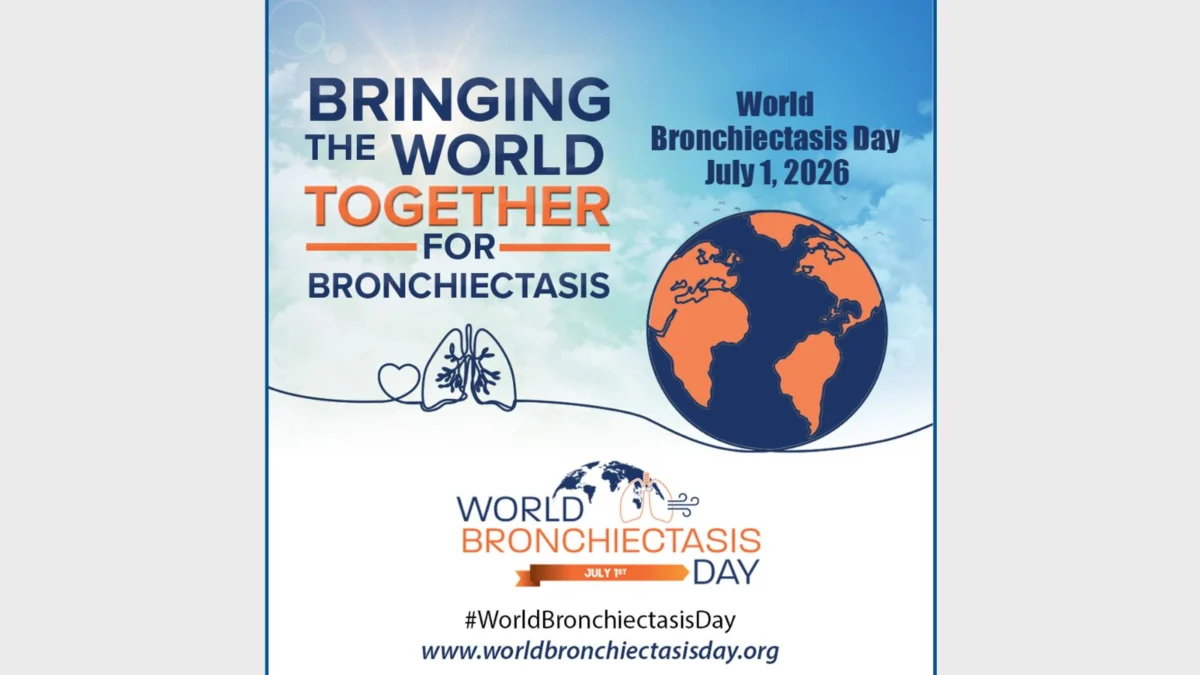
As the global medical community marks the fifth annual World Bronchiectasis Day, a concerted effort is underway to bring a "silent" respiratory condition out of the shadows. The Forum of International Respiratory Societies (FIRS), in partnership with the Bronchiectasis and NTM Foundation and a coalition of global health advocates, is spearheading a worldwide campaign to raise awareness, accelerate diagnostic research, and provide a voice to the hundreds of thousands of children and adults currently living with the debilitating effects of bronchiectasis.
Understanding the Condition: A Chronic Burden
Bronchiectasis is a chronic, often progressive lung disease characterized by the permanent enlargement and scarring of the airways. In a healthy lung, the airways are resilient and capable of clearing mucus effectively. In the bronchiectatic lung, the architecture of the bronchial tree is damaged, leading to a vicious cycle of mucus accumulation and recurrent, severe lung infections.
The clinical presentation of the disease is as varied as it is exhausting. Patients frequently suffer from persistent, productive coughs that yield thick, discolored mucus. Beyond the cough, the disease manifests in a constellation of symptoms: chronic breathlessness, recurring bouts of chest infections, profound fatigue, unexplained fevers, night sweats, unintentional weight loss, and sharp chest pain.
Because many of these symptoms mimic common respiratory illnesses like bronchitis or asthma, diagnosis is frequently delayed. This diagnostic gap is a primary concern for the medical community, as early intervention is the only currently available strategy to improve long-term quality of life and preserve lung function.
Chronology of Awareness: The Evolution of World Bronchiectasis Day
The inception of World Bronchiectasis Day was born out of a clinical necessity to standardize care and increase the visibility of a disease that had long been overshadowed by more common conditions like COPD or asthma.
- 2022: The inaugural World Bronchiectasis Day was launched to consolidate international efforts, focusing on basic awareness and the creation of a global platform for patient advocacy.
- 2023: The focus shifted toward research validation. The publication of critical registry data, including the EMBARC (European Bronchiectasis Registry) study, provided the first robust, large-scale snapshot of the disease’s impact across different demographics.
- 2024–2025: These years saw an expansion in digital outreach and the development of localized, patient-centered educational resources, bridging the gap between clinical research and patient literacy.
- 2026 (The Present): On this fifth anniversary, the movement has matured into a global advocacy powerhouse. The current emphasis is on global health equity, ensuring that regardless of geographical location, patients have access to consistent diagnostic standards and evidence-based treatment pathways.
Supporting Data: What the Evidence Tells Us
The 2023 study published in The Lancet Respiratory Medicine, authored by Chalmers, Polverino, and colleagues, remains a cornerstone of current understanding. By analyzing extensive data from the European Bronchiectasis registry, the study shed light on the etiology and geographical disparities of the condition.
Key Findings:
- Etiology: The research identified post-infective disease—damage resulting from previous severe lung infections—as the leading cause of bronchiectasis. A significant, yet smaller, segment of the patient population remains "idiopathic," meaning the root cause of their airway damage remains unknown, highlighting a desperate need for further investigation into genetic and environmental triggers.
- Geographical Disparities: The data revealed striking inequalities in disease severity. Patients in central and eastern Europe demonstrated higher scores on the Bronchiectasis Severity Index (BSI) compared to their western European counterparts. These populations also faced a higher incidence of exacerbations requiring hospital admission, suggesting that healthcare infrastructure and early-access screening play a decisive role in clinical outcomes.
- The Call for Therapeutic Innovation: The study concludes that current management—which focuses heavily on airway clearance techniques and the aggressive management of infections—is insufficient for long-term stabilization. The authors advocate for the development of targeted therapeutics that address the underlying inflammatory processes, rather than merely managing the symptoms.
Official Responses and Collaborative Advocacy
The Forum of International Respiratory Societies (FIRS), which counts the European Respiratory Society (ERS) among its founding members, has taken a firm stance this year.
"Bronchiectasis is a disease that imposes a heavy, lifelong burden on patients and their families," a FIRS representative noted during the launch of this year’s events. "By joining forces with the Bronchiectasis and NTM Foundation, we are not just providing information; we are demanding that the global health community prioritize this condition in future research funding and clinical guidelines."
The advocacy strategy for 2026 is multi-pronged:
- Educational Outreach: Organizations are rolling out a series of webinars and digital pamphlets designed to help primary care physicians recognize the early "red flags" of bronchiectasis.
- Patient Storytelling: The "Living with Bronchiectasis" initiative serves to humanize the data, allowing patients to share their journeys of diagnosis and self-management, which has proven essential in reducing the isolation often felt by the chronically ill.
- Global Resource Hub: The World Bronchiectasis Day website has been upgraded to act as a central repository for research updates and a calendar of community events, ensuring that patients in remote or underserved areas have access to the same quality of information as those in major urban centers.
Implications for the Future: A Path Toward Better Outcomes
The implications of the current push for awareness are profound. If the medical community successfully lowers the age of diagnosis, the long-term prognosis for millions could be fundamentally altered.
Addressing the Diagnostic Gap
The primary obstacle remains the misdiagnosis of bronchiectasis. Because it is often treated as a transient infection, the window for early intervention closes rapidly as the airways become progressively scarred. Improving diagnostic accuracy requires broader access to High-Resolution Computed Tomography (HRCT) scans, which are the gold standard for identifying the characteristic airway dilation.
The Shift Toward Personalized Medicine
As research progresses, the medical community is moving toward a more nuanced, personalized approach to treatment. Instead of a "one-size-fits-all" protocol, future strategies aim to stratify patients based on their specific inflammatory profiles. This could involve the use of targeted anti-inflammatory agents or personalized physiotherapy regimens that address individual patterns of mucus production.
Policy and Research Funding
The final, and perhaps most critical, implication of this year’s observance is the push for policy reform. FIRS and its partners are calling on national health services to integrate bronchiectasis screening into routine check-ups for individuals with chronic, persistent coughs. Furthermore, the push for more funding into the "idiopathic" sector of the patient population is intended to spark a new wave of pharmacological research.
Conclusion: A Global Call to Action
As we reflect on the fifth anniversary of World Bronchiectasis Day, it is clear that while progress has been made, the mountain ahead remains steep. The transition from acknowledging the disease to actively preventing its progression requires the combined efforts of clinicians, researchers, policymakers, and the patients themselves.
The call to action for 2026 is simple yet urgent: increase awareness to enable early detection, foster international collaboration to address regional disparities, and never cease the pursuit of a cure. For the hundreds of thousands of people navigating the daily challenges of this condition, this global effort is more than just a date on the calendar—it is a lifeline.
For those interested in learning more, attending local awareness events, or accessing patient support resources, the World Bronchiectasis Day website serves as the primary gateway for engagement. Together, through shared knowledge and relentless advocacy, the global community can change the narrative for those living with the scars of bronchiectasis.
References
- Patient Education Resource: Understanding Bronchiectasis. Available at: BronchandNTM.org
- Chalmers, J., Polverino, E., Crichton, M. et al. "Bronchiectasis in Europe: data on disease characteristics from the European Bronchiectasis registry (EMBARC)." The Lancet Respiratory Medicine, 2023; 11, 637-649. DOI: 10.1016/S2213-2600(23)00093-0