






By Investigative Desk
Significant delays in the Trump administration’s effort to classify and regulate ultraprocessed foods (UPF) have created a political firestorm, effectively stalling a core pillar of Health Secretary Robert F. Kennedy Jr.’s ambitious "Make America Healthy Again" (MAHA) initiative. As the administration grapples with internal dissent and intense industry lobbying, the path toward a healthier American diet remains obscured by corporate influence and bureaucratic inertia.
The Call for Clarity: A Scientific Ultimatum
The frustration reached a boiling point this past Friday, as more than 100 of the nation’s leading scientists, medical doctors, and nutrition experts issued a formal open letter to the Office of Management and Budget (OMB). The coalition is demanding the immediate release of the first-ever federal definition of ultraprocessed foods—a move they argue is essential for public health transparency.
"It is critical that special interests not hold up this process," the letter asserts. While the term has entered the public lexicon, experts argue that most Americans lack a granular understanding of what constitutes an ultraprocessed food, leaving them vulnerable to products designed for maximum consumption rather than nutritional value. The signatories emphasize that without a government-sanctioned definition, the ability to regulate, label, or reformulate the American food supply remains paralyzed.
A Chronology of Stagnation
The effort to address the crisis of ultraprocessed foods began with high-level promises in July 2025, when the Trump administration announced its intent to formalize a definition. The initiative was designed to be the foundational step in Kennedy’s broader crusade against the "chronic disease epidemic."
However, the timeline of this policy reveals a pattern of friction:
- July 2025: The USDA and HHS formally announce the project to define ultraprocessed foods.
- August 2026: Reports emerge indicating that CEOs from major food conglomerates have directly intervened with the White House, lobbying to dilute or delay the definition.
- September 2026: A MAHA summit in Washington, D.C., highlights the administration’s health goals, yet concrete regulatory actions remain absent.
- October 2026: The public comment period for the proposed definition closes, but the policy remains stalled in executive review.
- October 22, 2026: Calley Means, a senior advisor to Kennedy and a central figure in the MAHA movement, resigns. Sources suggest the failure to move the UPF definition was his "breaking point."
The resignation of Means, a staunch ally of the administration’s health agenda, serves as a stark signal that the internal coalition supporting Kennedy is fracturing under the weight of these delays.
The Science of the "Ultraprocessed"
To understand the urgency, one must look at the NOVA classification system, developed by Brazilian researchers in 2009. NOVA categorizes foods based on the extent of industrial processing. According to Dr. Lindsey Smith Taillie, a nutrition epidemiologist at the University of North Carolina, Chapel Hill, ultraprocessed foods are not merely "prepared" foods—they are "extensively manipulated."
"These foods have been broken down and then reassembled using cosmetic additives like added colors, flavors, and emulsifiers to make the texture more palatable," Dr. Taillie explained.
Dr. Ashley Gearhardt, a professor of psychology at the University of Michigan, goes further, describing many of these items as "barely even food." Gearhardt notes that these products are engineered for "hedonic hyper-palatability," designed to override the body’s satiety signals. "They are designed for consumers to finish the whole bag before they even realize it," she said.
The consequences of this consumption pattern are well-documented. Numerous peer-reviewed studies have linked high UPF intake to a surge in cardiovascular disease, Type 2 diabetes, and obesity. Alarmingly, a study published in Nutrients earlier this year found that roughly 75% of all infant and toddler food products in the U.S. market are classified as ultraprocessed.
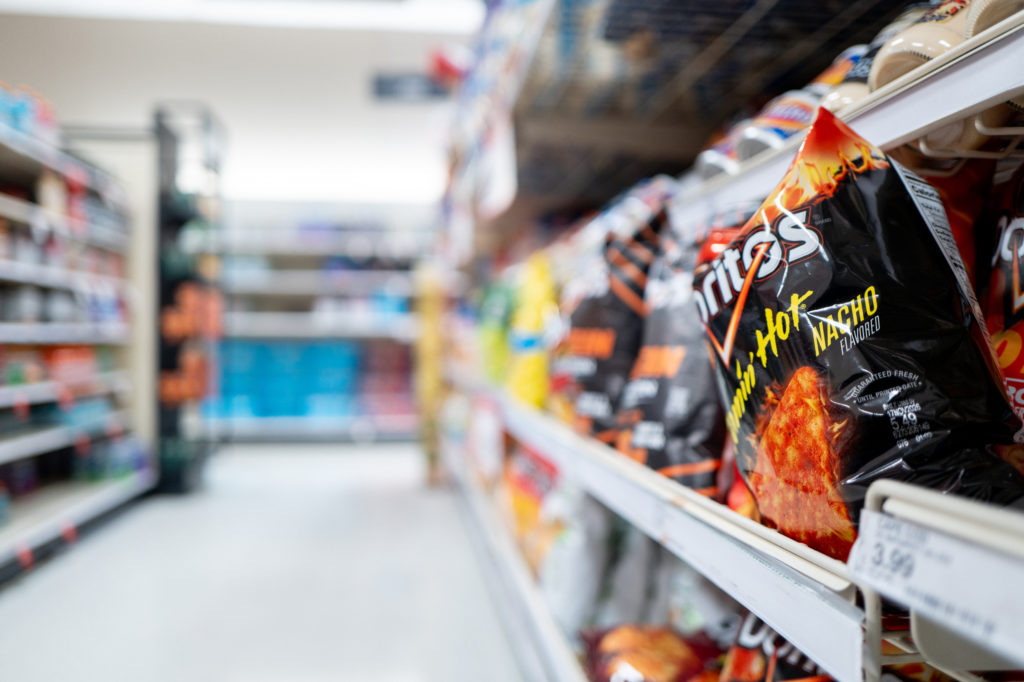
The Industry Paradox: "Healthy" or "Industrial"?
A central challenge in crafting a federal definition is avoiding the "health halo" trap. Nutrition experts fear that food manufacturers will attempt to loophole their way out of regulations by adding minor amounts of vitamins or fiber to otherwise nutritionally void products.
To counter this, a panel of experts for Healthy Eating Research has proposed a two-part framework:
- Industrial Processing Threshold: The product must undergo significant industrial manipulation (as defined by NOVA).
- Nutritional Exemption: Products that contain specific amounts of whole, minimally processed ingredients (such as whole grains, nuts, or legumes) could potentially be exempted, provided they don’t contain excessive levels of added sugars, sodium, or saturated fats.
"You can’t just sprinkle some fiber powder on a candy bar and—voila—it’s healthy," Dr. Taillie noted. The goal is to ensure that regulations target the industrial machinery of the food system, not staple items like plain yogurt or whole-grain bread.
Implications for Public Health Policy
The establishment of a federal definition is not merely an academic exercise; it is the prerequisite for meaningful legislative change. Experts highlight several areas where a formal definition could shift the landscape of American health:
1. Institutional Food Reform
The USDA manages a massive procurement network, including school lunches, military rations, and hospital food. Currently, school children and toddlers derive between 47% and 59% of their daily calories from ultraprocessed sources. A clear definition would empower the government to phase these items out of public institutions, forcing a market shift by changing the purchasing power of the state.
2. Front-of-Package Labeling
Similar to the successful policies implemented in Chile and Mexico, a federal definition would allow for mandatory warning labels on the front of packaging. These labels would alert consumers to the "ultraprocessed" nature of a product, providing an immediate visual cue that simplifies the shopping experience. Research from the Lancet and other journals indicates that such labeling effectively reduces the consumption of high-risk foods and incentivizes manufacturers to reformulate their recipes to avoid the stigma of a warning label.
3. Marketing Restrictions
If a product is legally defined as "ultraprocessed," the government could theoretically restrict its marketing toward children. This has been a long-standing goal of public health advocates who argue that the bombardment of junk food advertisements contributes to the early onset of diet-related diseases.
The Road Ahead: A Tug-of-War
The delay in defining these foods is a testament to the immense political power of the food industry. With the U.S. food supply currently dominated by products that are 70% ultraprocessed, the economic implications of a restrictive definition are massive. Companies that rely on the shelf-stable, low-cost, high-margin model of ultraprocessed manufacturing are fighting to maintain the status quo.
While the Trump administration has promised to prioritize the health of the nation, the current gridlock suggests that the "Make America Healthy Again" agenda is colliding with the realities of corporate lobbying.
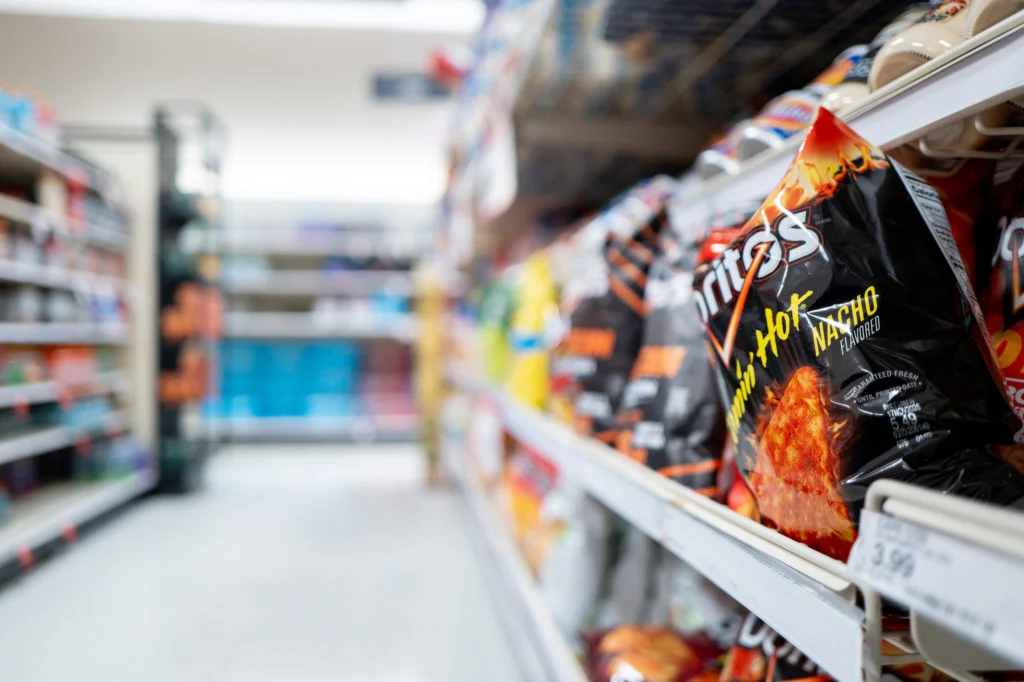
For now, the burden remains on the consumer. As experts like Dr. Gearhardt observe, the grocery store is often an illusion of choice. "You think that you have all these choices, but so many of them are just these industrial bases that are nutrient-poor," she said.
Whether the administration will bow to the pressure of the food industry or honor the requests of the scientific community remains the defining question of the current health policy cycle. As the meeting between White House officials and MAHA proponents continues to be postponed, the clock is ticking for an administration that staked its reputation on tackling the nation’s chronic disease epidemic—an epidemic that, according to the experts, cannot be solved without taking on the very definition of what we eat.