EDITOR’S NOTE: This story includes discussion of suicide. If you or someone you know needs help, the national suicide and crisis lifeline in the U.S. is available by calling or texting 988.
PLYMOUTH, Mass. — The murder trial of Lindsay Clancy, a case that has transfixed the nation and reignited a painful, necessary debate regarding maternal mental health, entered its fifth day of jury deliberations on Wednesday under an atmosphere of heightened scrutiny. The proceedings, already heavy with the gravity of a triple homicide, were further complicated by a startling security breach involving the alleged unauthorized filming of jurors, forcing the presiding judge to pause deliberations to ensure the integrity of the judicial process.
Clancy, 36, a former labor and delivery nurse, faces three counts of first-degree murder for the 2023 strangulation deaths of her three young children at their Duxbury, Massachusetts, home. While the defense does not contest the physical act of the killings, they argue that Clancy was suffering from severe, untreated postpartum psychosis—a condition they claim rendered her unable to appreciate the wrongfulness of her actions. The prosecution, conversely, maintains that Clancy possessed the necessary intent and cognitive awareness to be held criminally responsible for her choices.
The Courthouse Incident: A Breach of Judicial Sanctity
The rhythm of the high-profile trial was disrupted Tuesday when it was revealed that an individual had allegedly targeted members of the jury with a camera. Judge William Sullivan, tasked with overseeing a trial that has seen record-breaking public interest, was forced to address the breach directly.
On Wednesday morning, Judge Sullivan questioned jurors individually to determine if the breach had compromised their ability to remain impartial. While the specifics of the judge’s inquiries remained private, the gravity of the intervention was clear. The incident centers on 56-year-old Dawn Light of Sutton, Massachusetts, who was arrested and arraigned on Wednesday in the same courthouse.
Light, who was identified by authorities as a retired nurse, faces charges of intimidation of a witness, jurors, or a person furnishing information in connection with criminal proceedings. During her arraignment, Assistant District Attorney Nicole Piacentini argued that Light had parked in a restricted area behind the courthouse and intentionally filmed jurors as they departed the building. Although Light’s defense attorney, Jennifer White, characterized the incident as a “misunderstanding” and asserted that her client only intended to photograph Clancy, state police investigators presented a different narrative. According to the prosecution, troopers recovered video footage of the jurors from a “deleted files” folder on Light’s mobile device.
“The sanctity of the judicial system is at risk because of her actions,” Piacentini stated in open court. Light was released without bail but remains under strict orders to maintain a distance from the courthouse, the jurors, and any witnesses involved in the trial.
Chronology of the Tragedy and Legal Proceedings
The legal battle stems from a harrowing night in January 2023. According to testimony provided throughout the trial, Clancy, who had been struggling with her mental health in the months following the birth of her youngest child, killed her children using exercise bands in the basement of the family home. Following the act, she reportedly jumped from a second-story window in an apparent suicide attempt, resulting in permanent paralysis from the waist down.
The trial has been a grueling emotional marathon for all involved:
- Pre-Trial Period: Defense teams documented months of declining mental health, including a brief psychiatric hospitalization and an aggressive medication regimen that experts on both sides have analyzed with conflicting conclusions.
- The Trial Begins: The livestreamed proceedings brought the intimate, horrific details of the family’s final months into the public square, sparking nationwide discourse on the adequacy of the American postpartum support system.
- The Defense’s Case: Attorneys for Clancy argued that she was experiencing a dissociative state, hearing auditory hallucinations that urged her to harm her children as a misguided act of "mercy" before ending her own life.
- The Prosecution’s Case: The state argued that the methodology of the killings—the preparation and the timing—suggested a level of premeditation that contradicts the defense’s claims of total psychosis.
- Deliberations: The jury began their work late last week. On Tuesday, they informed the judge they were deadlocked, but were instructed to continue their efforts to reach a unanimous verdict, a standard procedural step in complex criminal cases.
The Complexity of Postpartum Psychosis as a Legal Defense
At the heart of the jury’s struggle lies a fundamental conflict between medical diagnosis and legal culpability. The testimony provided by psychiatrists and neurologists has been sharply divided. The defense experts described a woman whose neurobiology was fundamentally altered by the physiological trauma of childbirth, rendering her incapable of controlling her impulses or understanding reality.
The prosecution’s experts have countered this by focusing on the gap between the "symptoms" of psychosis and the "actions" taken by Clancy. They point to the meticulous nature of the crimes, suggesting that if she were truly experiencing a psychotic break, the actions taken would not have been so targeted or localized.
This divide has permeated the public sphere as well. For many, the case is a symbol of a healthcare system that fails to screen for and treat postpartum conditions with the urgency they require. For others, particularly the families of the victims, the focus remains on the irreparable loss of three young lives and the necessity of accountability.
The Implications of a Mistrial
As the jury continues its deliberations into the fifth day, legal experts are closely monitoring the possibility of a hung jury. If the twelve members cannot reach a unanimous agreement, Judge Sullivan will have no choice but to declare a mistrial.
Should that occur, the legal path forward is fraught with difficulty:
- Retrial: The District Attorney’s office would be forced to weigh the financial and emotional costs of a second trial against the necessity of securing a verdict.
- Plea Agreement: The state could enter into negotiations with the defense, potentially leading to a plea that avoids a second trial.
- Dismissal: While unlikely in a case of this magnitude, the state could theoretically choose to drop the charges.
If the jury ultimately reaches a verdict of "not guilty by reason of lack of criminal responsibility," Clancy would not walk free. Instead, she would likely be subject to a court-ordered commitment to a secure psychiatric facility, where her risk to the public would be continually evaluated. Conversely, a conviction for murder or manslaughter would result in a custodial sentence, though the logistics of such a sentence for a paralyzed defendant would present significant operational challenges for the Department of Correction.
Final Warnings and the Path Forward
The security breach on Tuesday served as a stark reminder of the volatility surrounding the trial. Judge Sullivan’s opening remarks on Wednesday were stern, emphasizing that the court’s order prohibiting the contact, harassment, or unauthorized filming of jurors would be strictly enforced.
"Everybody should be well aware that the order and that statute is being enforced," Sullivan warned, signaling his intent to protect the anonymity and safety of the jury at all costs.
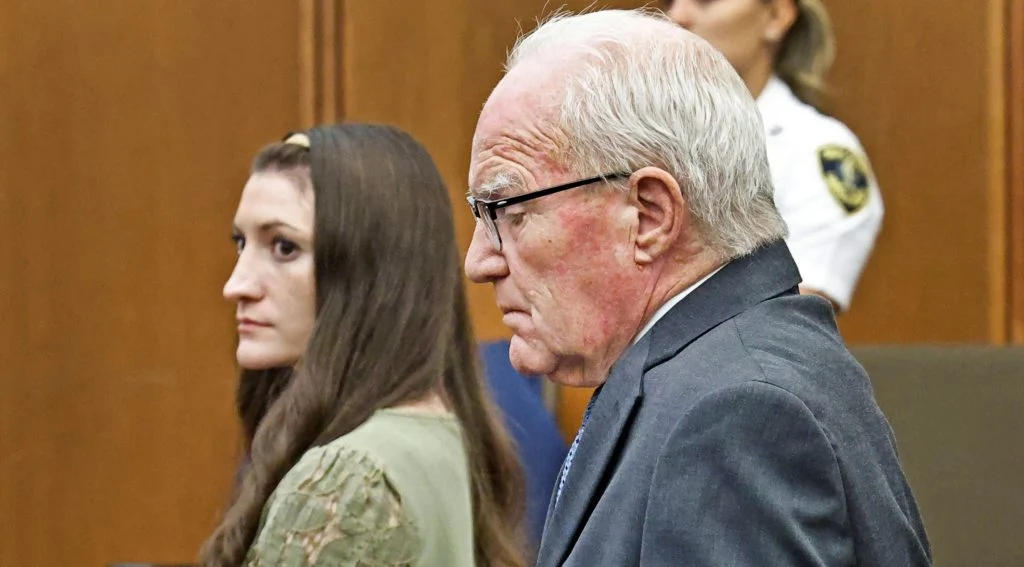
As the jury retreats to the deliberation room, they carry the immense weight of the evidence, the testimony of medical professionals, and the profound tragedy of a family shattered. Kevin Reddington, Clancy’s lead attorney, remains cautiously optimistic, noting that the jury’s willingness to continue past the initial declaration of a deadlock is a positive indicator. "The fact that they have not said that they’re done is very, very heartening," Reddington stated. "Obviously, they’re working very hard."
For the public, the trial remains an agonizing window into a dark corner of human experience. Regardless of the verdict, the Clancy case has already secured a place in the annals of American law as a seminal moment for the discussion of maternal mental health, the limitations of the insanity defense, and the role of the courts in adjudicating the deepest of human tragedies.