







WASHINGTON, D.C. — As the national conversation surrounding youth mental health shifts from passive awareness to active mobilization, the 2026 Active Minds National Conference and its accompanying "Hill Day" represent a landmark moment in advocacy. This year, the focus has expanded beyond the individual, bridging the gap between personal wellness practices—such as journaling and community building—and systemic legislative change through the bipartisan Campus Lifeline Act.
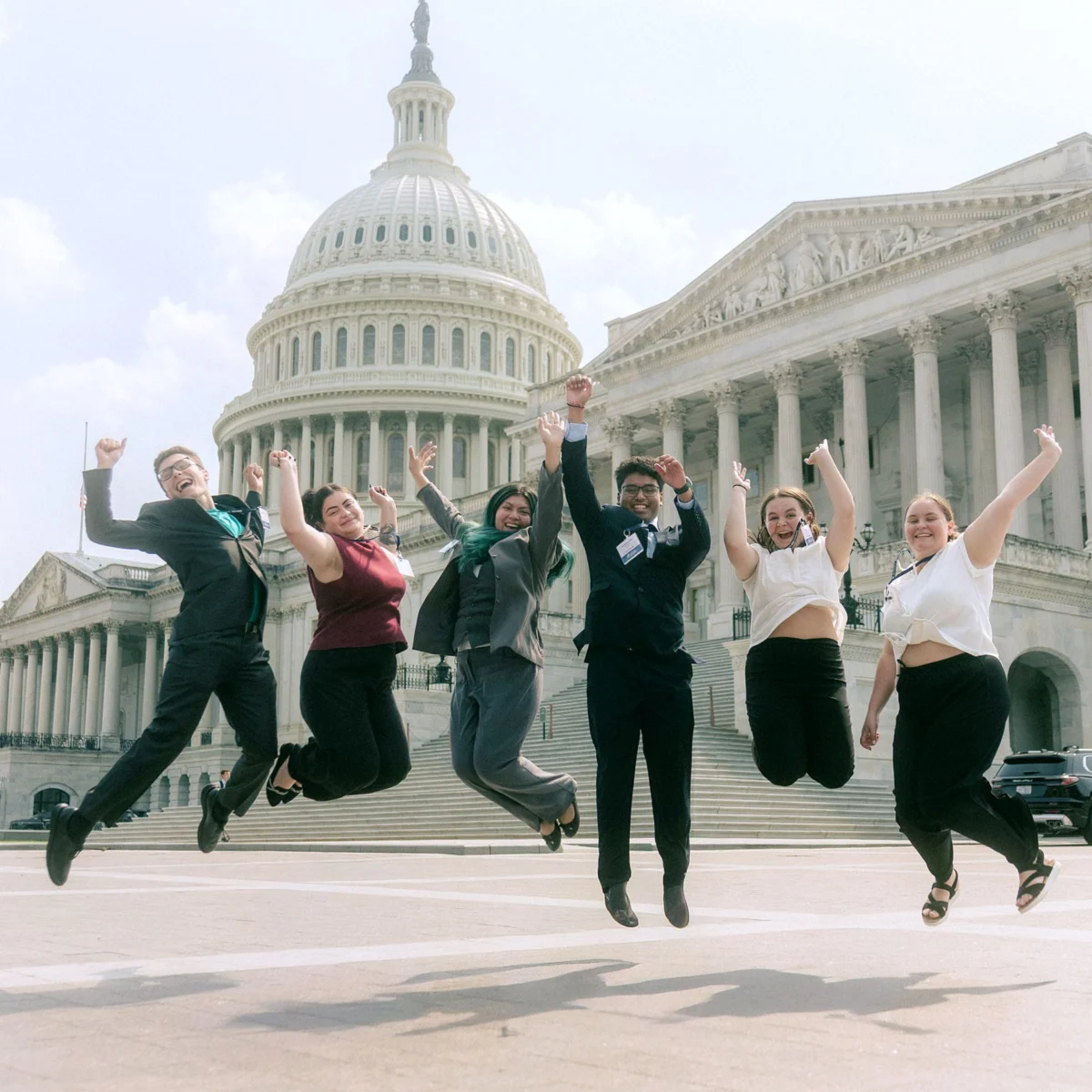
With more than 200 youth leaders descending on Capitol Hill, the movement signals a new era where young adults are no longer just the subjects of mental health statistics, but the primary architects of the solutions.
Main Facts: A Multi-Tiered Approach to Wellness
The 2026 mental health movement is built upon three distinct but interconnected pillars: individual regulation, community integration, and legislative advocacy.
At the individual level, the movement emphasizes "Words as Foundation," championing journaling not merely as a hobby, but as a scientifically backed clinical tool. By utilizing language to process trauma, individuals are finding ways to mitigate the physiological effects of stress.
At the community level, the narrative has shifted toward the importance of "Chosen Families." This is exemplified by the burgeoning intersection of the LGBTQ+ community and mental health support, particularly within the drag scene, where mentorship and "drag families" provide a safety net for those lacking traditional support systems.
Finally, at the structural level, the focus is on the Campus Lifeline Act. This bipartisan bill aims to institutionalize support by:

- Mandating Resource Visibility: Requiring the 988 Suicide & Crisis Lifeline to be printed on all newly issued student ID cards.
- Increasing Federal Investment: Allocating funds specifically for youth-informed mental health strategies on college campuses nationwide.
Chronology: The Evolution of Modern Advocacy
The path to the 2026 Hill Day began decades ago with the recognition of the physical toll of suppressed emotion.
1997: The Scientific Spark
In 1997, James W. Pennebaker developed the Emotional Disclosure Theory. This research provided the first formal scientific recognition that suppressing emotions requires significant physical effort, which in turn weakens the immune system. This theory laid the groundwork for the "journaling as medicine" movement that remains a staple of Active Minds’ programming today.
2022–2025: Data and Crisis Response
By 2022, the National Library of Medicine published findings confirming that journaling interventions resulted in a significant reduction in patient health measure scores. Concurrently, the launch of the 988 Suicide & Crisis Lifeline provided a 24/7 safety net, though awareness remained inconsistent among student populations. In 2025, the "You Good?" campaign was launched to normalize casual but deep mental health check-ins, leading to the development of the A.S.K. (Acknowledge, Support, Keep-in-Touch) framework.
2026: The Legislative Pivot
In July 2026, the movement transitioned from the "blog to the Bureau." The Active Minds Conference integrated "Hill Day," moving youth from workshops into the offices of legislators. This transition marks the culmination of years of "lived experience" being translated into "policy demand."
Supporting Data: The Efficacy of Expression and Connection
The push for legislative change is supported by a growing body of empirical and anecdotal data.
The Science of the Written Word
Journaling is now recognized by institutions like NAMI (National Alliance on Mental Illness) as a low-cost, high-reward model for mental health management. Beyond emotional regulation, journaling is credited with strengthening:

- Problem-solving skills
- Self-compassion and regulation
- Pattern identification in moods and behaviors
While scientific data measuring the exact longitudinal effects of journaling remains limited, the 2022 National Library of Medicine study provided a "rational assumption" for its benefits, prompting calls for more empirical testing to inform equitable mental health recommendations.
The "Chosen Family" Factor
For the LGBTQ+ community, community-based support is a literal lifeline. Drag culture, often viewed through a lens of entertainment, serves a deeper clinical purpose. The "adoption" of newer performers by "drag parents"—a tradition rooted in the ballroom scene—creates a mentorship structure that mirrors traditional family units. For queer youth, who are statistically at higher risk for mental health challenges, these "chosen families" provide the "social connectedness" that the CDC identifies as a key protective factor against suicide.
Official Responses and Expert Perspectives
The 2026 Conference featured a panel of "Mobilizers" who have successfully turned personal passion into national impact. Their work provides a blueprint for how youth-led advocacy functions in the modern era.
Brandon Bond, Director of People & Organizational Well-Being at Garrett’s Space, emphasized the need for multicultural wellness. Bond, who helped launch the A.S.K. campaign with MTV Entertainment, highlights the importance of "nonclinical therapeutic support," such as his integrative wellness pop-up barbershop.
Bria Murph, Miss Celina and an Active Minds Advocacy Institute member, spoke on the physical environment of mental health. Her "Project Zen UH" initiative focuses on "social connectedness" by revamping campus spaces into relaxing environments, proving that mental health support is often tied to the physical spaces students inhabit.
Rohan Sajita, CEO of the Let’s Learn Foundation, provided data on the scale of youth-led efforts. His organization has distributed over 5,000 mental health kits and founded the "Vibrant Voices Project," which uses monologue-writing workshops to support youth in juvenile detention. Sajita’s work illustrates the power of peer-to-peer delivery in marginalized settings.

Jodi Johnson, an Emerging Scholars Fellow, connected physical endurance to mental resilience. Through his "Brother, You’re Not Alone" project, Johnson addresses the gap in mental health treatment among Black and Caribbean American men, using marathon running as a platform for fundraising and awareness.
Varsha Penumalee, a member of the Student Advisory Committee, underscored the importance of systemic change. Serving as the President of NAMI Virginia NextGen, Penumalee works to de-stigmatize mental health through policy-driven outreach, ensuring that the voices of those with lived experience are heard at the state and national levels.
Implications: A New Culture of Care
The shift toward policy mobilization suggests that "awareness" is no longer the end goal for mental health advocates. The implications of the 2026 movement are three-fold:
1. The Professionalization of Youth Advocacy
The 2026 Conference offered resources like "Cause + Career Headshots" and LinkedIn networking stations, signaling that mental health advocacy is becoming a viable professional pathway. This "Advocacy Pipeline" ensures that the next generation of public health leaders will have deep roots in grassroots activism.
2. Normalizing Crisis Resources
By advocating for 988 on student IDs through the Campus Lifeline Act, the movement aims to make crisis support as ubiquitous as a library card. This normalization is expected to lower the barrier for seeking help, particularly for students who may feel that their struggles do not "qualify" for a crisis line.
3. The A.S.K. Framework as a Social Standard
The A.S.K. (Acknowledge, Support, Keep-in-Touch) method is being positioned as a standard social grace. Much like CPR training, Active Minds seeks to equip every student with the "digital experience" and practical guidance needed to recognize warning signs in their peers.
4. Bridging the Digital and Physical
The reimagined "Send Silence Packing" exhibit and the "Reflection and Connection Wall" show a move toward "collaborative installations." By blending digital social media challenges with boots-on-the-ground Hill Day mobilization, the movement ensures that the message reaches both the halls of power and the screens of Gen Z.
Conclusion: The Conversation Does Not End in September
While September is Suicide Prevention Month, the leaders of the 2026 Active Minds movement are clear: the work is year-round. From the private pages of a journal to the public floors of the Senate, the foundation of mental health is built on the words we choose and the communities we build.
As the Campus Lifeline Act moves through the legislative process, the message to the nation’s youth is one of empowerment. Seeking help is no longer framed as a sign of weakness, but as an act of strength and a catalyst for systemic change. The 2026 mobilization proves that when youth are given a seat at the table, they don’t just talk about the problem—they rewrite the policy.