







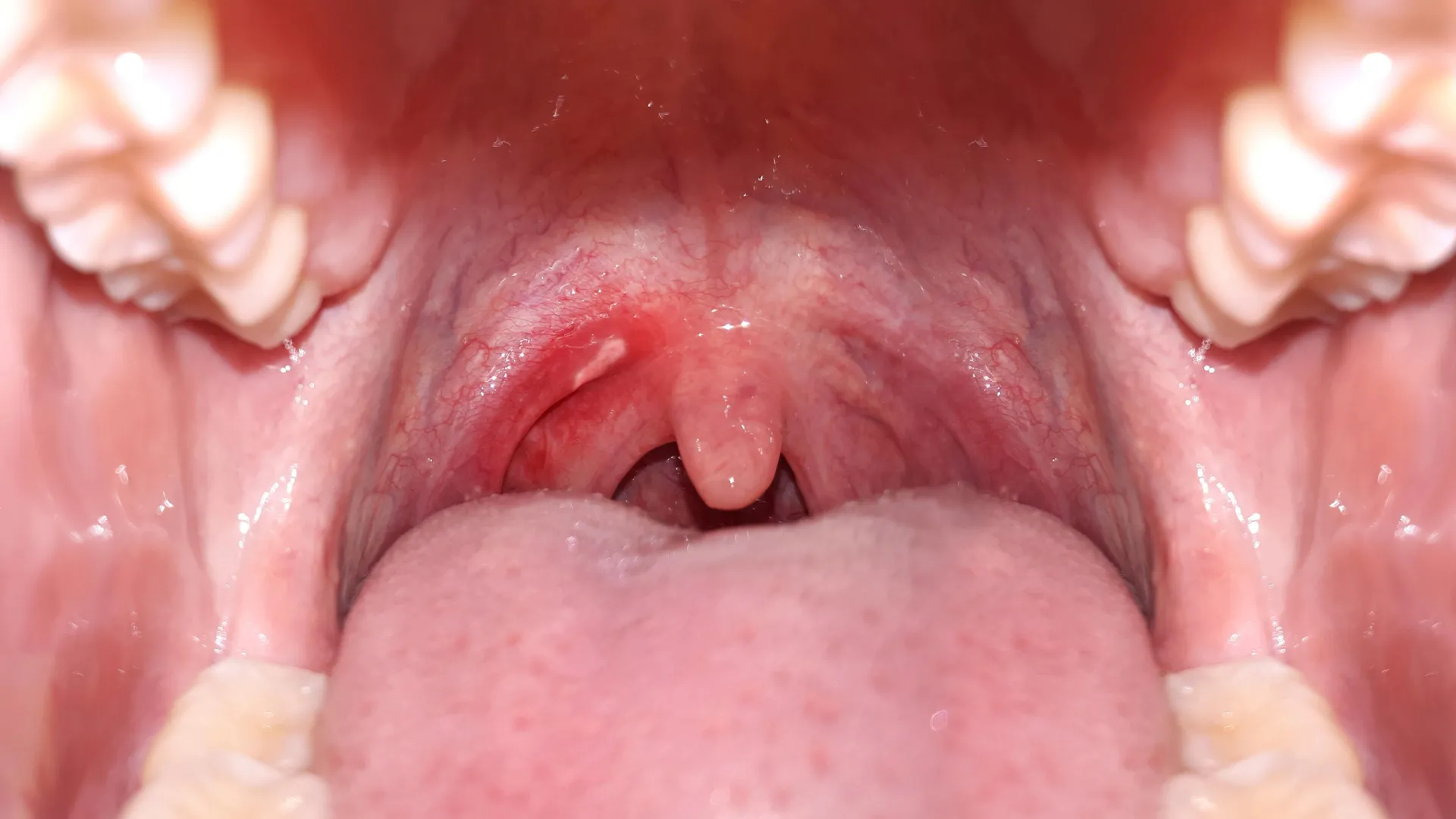
A landmark study published in the open-access journal BMJ Global Health has sounded a dire alarm regarding one of India’s most pressing public health challenges. The research provides definitive, data-backed evidence that there is no "safe" threshold for alcohol consumption when it comes to the risk of buccal mucosa cancer—the most common form of mouth cancer in India.
The findings are stark: even a single standard drink per day is associated with a 50% increase in the risk of developing the disease. Perhaps more concerning is the revelation that the synergy between alcohol and chewing tobacco acts as a primary engine for this epidemic, with researchers estimating that this lethal combination is responsible for 62% of all buccal mucosa cancer cases across the country.
The Scale of the Crisis: A Growing Public Health Burden
Mouth cancer has become a defining health issue for India. It currently ranks as the second most common cancer in the nation, casting a long shadow over the country’s healthcare infrastructure. Every year, India records approximately 143,759 new diagnoses and nearly 80,000 deaths related to the disease.
The clinical reality for those diagnosed is grim. The five-year survival rate for patients sits at a precarious 43%, highlighting the aggressive nature of the disease and the limitations of current diagnostic and treatment protocols. Incidence rates are steadily climbing, now approaching a threshold of 15 cases per 100,000 Indian men. This upward trajectory has prompted health experts to look beyond conventional risk factors and examine the specific, often hidden, drivers of the disease within the Indian socioeconomic landscape.
Chronology of the Research: Unpacking the Data
To reach these conclusions, researchers conducted a comprehensive, long-term case-control study spanning over a decade, from 2010 to 2021. The study design was meticulously crafted to isolate the impact of alcohol consumption in an environment where tobacco use is already prevalent.
The Methodology
The research team recruited 1,803 patients who had been clinically diagnosed with buccal mucosa cancer and compared them against a control group of 1,903 individuals who did not have the disease. Participants were drawn from five specialized study centers across India, ensuring a representative demographic spread. The cohort was young, with the majority aged between 35 and 54, and a striking 46% of cancer cases occurring in the 25–45 age bracket, suggesting that the disease is increasingly affecting the nation’s most productive workforce.
Tracking Consumption Patterns
Participants underwent rigorous interviews to map their lifetime exposure to both tobacco and alcohol. The scope of the study was vast, covering 11 internationally recognized alcoholic beverages—such as whisky, rum, beer, and vodka—and 30 distinct locally brewed, often unregulated, beverages such as apong, bangla, chulli, desi daru, and mahua.
The data revealed a clear pattern: those diagnosed with cancer had, on average, a longer history of tobacco use (21 years vs. 18 years in the control group) and a higher daily alcohol intake (37 g vs. 29 g).
Supporting Data: The Alcohol-Tobacco Synergy
The study’s most alarming insight is the "multiplier effect" created when alcohol and tobacco are used concurrently. While alcohol alone significantly elevates risk, the combination with chewing tobacco creates a physiological environment highly conducive to malignancy.
The "No Safe Threshold" Discovery
The researchers found that risk increases immediately upon the initiation of drinking. Even consuming less than 2 grams of beer daily showed a measurable link to increased cancer risk. When the intake reaches 9 grams—the equivalent of one standard drink—the risk jumps by 50%.
The Hazard of Locally Brewed Spirits
While international brands carry significant risk, locally brewed alcohols proved to be the most dangerous. Those who consumed these traditional spirits showed an 87% higher risk of developing mouth cancer compared to non-drinkers, whereas those consuming recognized international brands showed a 72% increase. The researchers posit that this disparity is likely due to the lack of regulation in the production of local liquors, which often contain toxic contaminants like methanol and acetaldehyde.
Biological Mechanisms: Why the Mouth is Vulnerable
The researchers offer a compelling theory for why alcohol acts as a gateway for tobacco-induced cancer. Ethanol, the primary active ingredient in alcohol, may alter the fat content of the mucosal lining in the mouth. This change increases the permeability of the tissue, effectively creating a "porous" barrier that allows the potent carcinogens found in chewing tobacco to penetrate deeper into the cellular structure of the cheeks and lips.
Policy and Regulation: The Complexity of Control
The issue of alcohol regulation in India is uniquely complex. Under the Seventh Schedule of the Indian Constitution, the authority to regulate the production, distribution, and sale of alcohol is vested in individual states. This has resulted in a fragmented regulatory landscape where, while commercial alcohol is taxed and monitored, the massive market for "informal" or "locally-brewed" alcohol remains largely outside the scope of health inspectors.
The Unregulated Market
The report notes that some of the locally brewed liquors consumed by study participants contained alcohol concentrations as high as 90%. Because these products are produced in the informal sector, they lack any quality control, leading to the ingestion of substances that may exacerbate the body’s inflammatory response and hasten the development of tumors.
The study authors argue that current policies are insufficient. By focusing primarily on centralized, commercial alcohol, regulators are ignoring the most dangerous segments of the consumption market—the locally brewed beverages that are disproportionately consumed in rural areas where health literacy and access to screening are lowest.
Implications for Public Health and Future Action
The implications of this study are profound. If 11.5% of all buccal mucosa cancer cases in India can be attributed to alcohol alone, and 62% to the combination of alcohol and tobacco, then the path to eradication is theoretically clear—even if it is politically and socially daunting.
A Call for Integrated Prevention
The researchers argue that public health interventions must shift from "single-focus" programs to integrated strategies. Current anti-tobacco campaigns in India are robust, but they often fail to address the simultaneous use of alcohol. The study suggests that:
- Public Awareness: Campaigns must clearly communicate that there is no "safe" amount of alcohol, particularly for those who use tobacco.
- Regulatory Reform: States must address the unregulated production of local alcohol, which currently operates as a "hidden" carcinogen.
- Screening and Early Detection: Given that the disease is appearing in people as young as 25, routine oral health screenings should become a standard part of primary healthcare in high-risk states like Meghalaya, Assam, and Madhya Pradesh.
Conclusion: A Preventable Tragedy
The conclusion of the BMJ Global Health study is an urgent call to action. The researchers state: "Our findings suggest that public health action towards the prevention of alcohol and tobacco use could largely eliminate [buccal mucosa cancer] from India."
The study provides a sobering reality check for policymakers. As India continues its rapid development, the burden of non-communicable diseases threatens to undermine the progress of its population. By targeting the lethal intersection of alcohol and tobacco, India has the potential to eliminate a significant portion of its cancer burden, sparing tens of thousands of families from the trauma of diagnosis and the tragedy of loss. The path forward requires political courage, stricter oversight of the informal alcohol market, and a national shift in how the country perceives the risks associated with even "moderate" alcohol consumption.