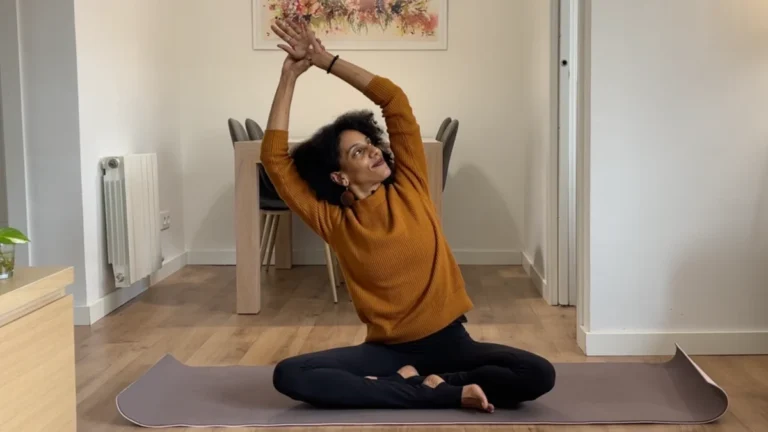
In the modern yoga studio, the atmosphere is often defined by the "achievement mindset"—the drive to touch toes, bind arms, or hold a handstand with aesthetic precision. Yet, as Yoga Journal reflects on its decades of archival wisdom, a 1987 exploration of Patanjali’s Yoga Sutras remains more relevant than ever. It challenges the contemporary practitioner to look beyond the physical veneer of the pose and reconsider the very definition of "perfection" in asana.
The Core Philosophy: Redefining Effort
The practice of asana is deceptively accessible. A beginner can learn the geometry of a pose in minutes, yet a lifetime of study may still leave the practitioner scratching the surface of its deeper resonance. Asana is not merely a physical exercise; it is a layered experience where the physical, psychological, and spiritual dimensions converge.
Central to this understanding is Verse 47 of the second chapter of Patanjali’s Yoga Sutras, which serves as the foundational text for the practice: "By relaxation of effort and meditation on the infinite, asanas are perfected."
This ancient aphorism is often misinterpreted by modern students as an invitation to laziness. However, the "relaxation of effort" does not imply a limp or uncommitted execution. Rather, it acts as a corrective to the ego-driven aggression that often infiltrates the yoga mat. When a practitioner pushes through pain to "master" a pose, they are operating from the asmita (the "I-sense"). This performance-oriented approach may build muscle or flexibility, but it creates a wall between the practitioner and the transformative, meditative potential of the pose.
A Chronology of Wisdom: From Ancient Sutras to Modern Practice
The evolution of asana practice has seen a shift from traditional, meditative roots toward a more fitness-centric, goal-oriented model. By mapping the progression of yoga’s reception in the West, we can identify key turning points:
- Pre-1970s: Yoga was largely practiced in the West as a niche, highly philosophical pursuit, heavily influenced by the teachings of B.K.S. Iyengar and the publication of his seminal work, Light on Yoga.
- 1987: Yoga Journal published the original inquiry into the "perfection of asana," emphasizing the spiritual implications of Patanjali’s teachings at a time when the "yoga boom" was just beginning to take hold in mainstream culture.
- 1990s–2010s: The commercialization of yoga saw a surge in the "fitness-first" mentality, where the success of a session was often measured by calorie burn or physical complexity.
- 2026 (Present Day): A modern resurgence of "slow yoga" and mindfulness-based practice has led practitioners back to the archives, seeking the intersection of alignment and inner quietude that the original 1987 article championed.
Supporting Data: The Anatomy of Effortlessness
To understand why "effortless" asana is physically and mentally superior, one must examine the role of the nervous system. When the ego dictates the pose, the body enters a sympathetic state (fight or flight). The muscles tighten, the breath becomes shallow, and the practitioner’s awareness narrows to the physical sensation of strain.
Conversely, "meditation on the infinite"—the second half of Patanjali’s verse—shifts the practitioner into a parasympathetic state. Research into mindfulness-based movement indicates that when the focus shifts from the external (alignment/shape) to the internal (the infinite/presence), the following shifts occur:
- Breath Regulation: The diaphragm functions more freely, allowing for deeper, more rhythmic oxygen exchange.
- Proprioceptive Sensitivity: The brain moves from "commanding" the muscles to "listening" to the body, allowing for subtle adjustments that prevent injury.
- Cognitive De-cluttering: By treating the pose as a meditation, the practitioner lowers cortisol levels, effectively turning a standard workout into a restorative nervous-system reset.
Expert Perspective and Pedagogical Shifts
The influence of B.K.S. Iyengar cannot be overstated in this context. Iyengar’s philosophy, which formed the bedrock of the 1987 archives, prioritized precision but cautioned against striving. In his view, the pose is a mirror. If one approaches the mat with an aggressive, goal-oriented mindset, the mirror reflects only the ego.
Contemporary yoga educators often cite the "Iyengar transition"—the movement from rigid adherence to form toward an integrated understanding of the Self within the form. Experts argue that if a student is straining, they are no longer practicing yoga; they are practicing gymnastics. The "perfection" Patanjali describes is not the achievement of a final, beautiful shape; it is the achievement of a state of mind where the practitioner is no longer fragmented by the need to be "better" than they are in that moment.
Implications for Modern Living: Bringing the Mat into the World
The implications of this philosophy extend far beyond the rubber mat. Patanjali’s instructions are intended as a template for living. If we view the stresses of our daily lives—professional demands, interpersonal conflicts, and the constant urge to perform—through the lens of "relaxation of effort," the landscape of our existence changes.
1. The Death of the "Performance" Ego
By practicing non-attachment to the outcome of an asana, students learn to detach from the outcomes of their daily tasks. This reduces the suffering associated with the "I-sense," which Patanjali identifies as the root of all human struggle. When we realize that our worth is not tied to the "perfection" of our pose, we become more resilient in the face of failure.
2. The Infinite Perspective
"Meditation on the Infinite" is not a mystical, unreachable goal. It is the practice of remembering our connection to the whole. In a world characterized by increasing polarization, the simple act of stepping onto a mat and acknowledging that one is an expression of the universal, rather than a separate, competing entity, is a radical act of peace.
3. Asana as a Life-Long Study
The journey of asana is inherently endless because the self is endless. When a student stops trying to "finish" a pose and begins to "inhabit" it, the practice becomes a lifelong dialogue. This shift in perspective transforms yoga from a temporary health trend into a sustainable spiritual practice.
Conclusion: The Quiet Revolution
Ultimately, the archives serve as a reminder that the path to true yoga is not one of greater exertion, but of greater awareness. As we continue to navigate a world that demands more speed, more output, and more aesthetic perfection, the instruction to "relax the effort" stands as a quiet, powerful revolution.
Whether one is a novice attempting their first downward-facing dog or a seasoned teacher refining their practice, the lesson remains the same: the perfection of asana is found in the stillness, the breath, and the humble realization that we are already enough. By integrating this attitude into our daily activities, every aspect of our lives becomes a practice—a way of being that honors the potential for spiritual depth in even the simplest of movements. As we look back at the insights of 1987, we find that the future of yoga is, and has always been, about coming home to the infinite silence within.