




In an era of standardized medicine, where clinical protocols often follow a "one-size-fits-all" trajectory, the ancient science of Ayurveda offers a radical alternative: the recognition that no two human beings are identical. By treating the individual rather than the disease, Ayurveda has maintained its relevance for millennia, evolving from a traditional healing system into a sophisticated, highly personalized approach to wellness. At the heart of this methodology lies Panchakarma, a rigorous, multi-stage detoxification process that exemplifies the necessity of expert clinical guidance.
The Core Philosophy: Why Customization Matters
The foundational premise of Ayurveda is that health is not merely the absence of disease, but a dynamic state of balance between the body, mind, and consciousness. Modern allopathic medicine often categorizes conditions broadly—for instance, classifying diabetes into two primary types. In contrast, Ayurveda recognizes 20 distinct classifications of the same metabolic condition.
This granularity extends to common ailments like physical pain. An Ayurvedic practitioner identifies pain as Vata, Pitta, or Kapha in nature, dictating vastly different treatment pathways. This deep diagnostic lens is known as samprapti—the study of the disease process. By understanding how an imbalance moves through the tissues and which qualities (gunas) are aggravated, a practitioner can design a protocol that acts as a precise intervention rather than a superficial symptom-masker.
The Three Stages of Panchakarma: A Clinical Chronology
Panchakarma is not a singular event; it is a systematic, highly structured journey of purification. It is categorized into three critical phases: Purvakarma (Preparation), Pradhanakarma (Primary Action), and Paschyatkarma (Post-Treatment Rejuvenation).
Stage 1: Purvakarma – Priming the System
Before the primary detoxification can occur, the body must be prepared. This stage focuses on two pillars: kindling the Agni (digestive fire) and internal oleation.
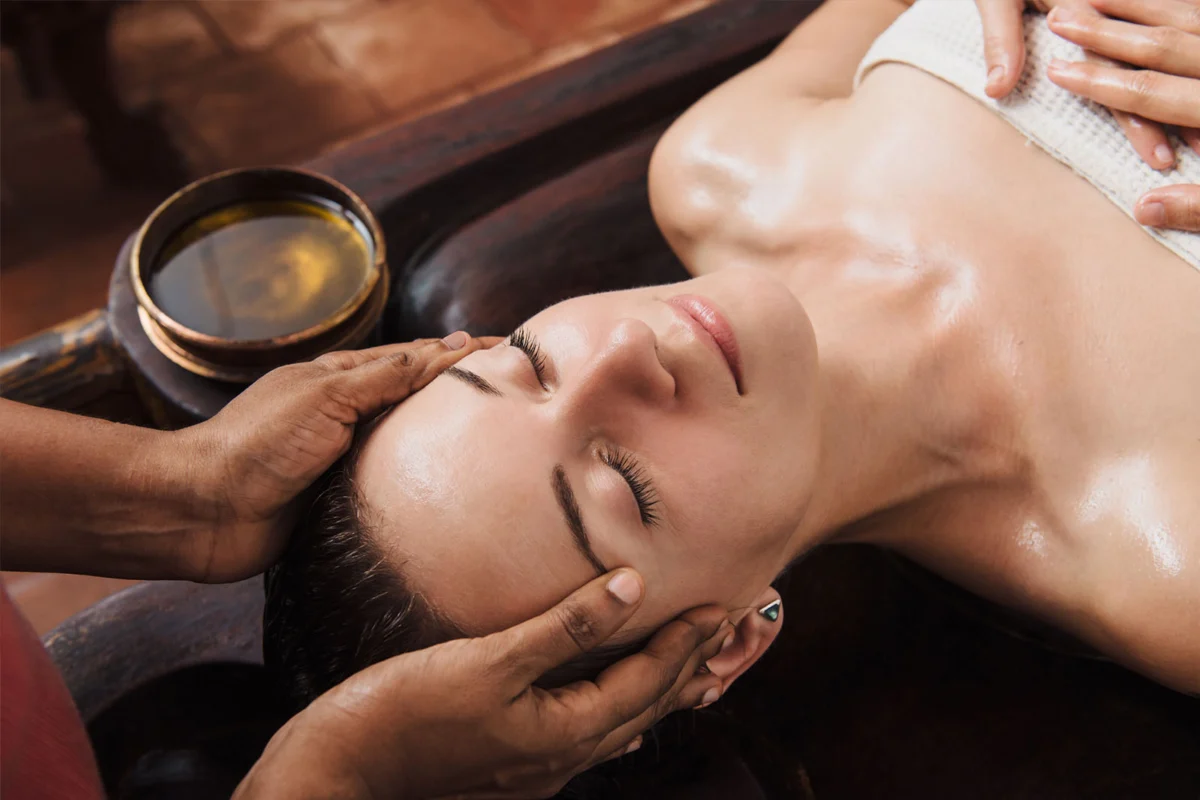
The practitioner assesses the patient’s unique metabolic strength. For some, activating Agni may involve the administration of ginger-based remedies; for others, it may require specific hydration protocols. Simultaneously, internal oleation—the consumption of medicated ghees or oils—is introduced. This process is essential to dislodge toxins (ama) from deep-seated tissues and mobilize them into the digestive tract, preparing them for final elimination.
Stage 2: Pradhanakarma – The Five Purifying Actions
This is the core of the Panchakarma experience. The term literally translates to "Five Actions," each targeting specific doshic imbalances and anatomical systems:
- Virechana (Purgation): Targeted at the liver, gallbladder, and small intestine, this therapy addresses Pitta imbalances. By utilizing specific laxatives, the body purges excess heat and metabolic toxins.
- Basti (Medicated Enema): This is the primary treatment for Vata disorders. By introducing herbalized oils or decoctions into the colon, practitioners can nourish the lining and influence systemic health, as the colon is considered the seat of the Vata dosha.
- Vamana (Emesis): Reserved for specific Kapha accumulations, this controlled therapeutic vomiting utilizes licorice and salt water to clear excess mucus and phlegm from the stomach. It is a highly specialized procedure, not intended for all patients.
- Nasya (Nasal Administration): By applying medicated oils through the nasal passages, practitioners treat head-space imbalances, ranging from brain fog and sinus congestion to memory enhancement.
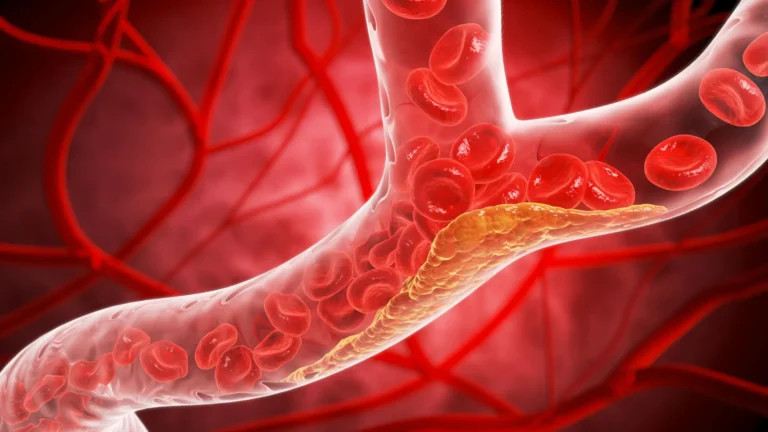
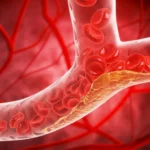
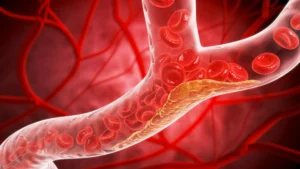
- Raktamoksha (Blood Cleansing): Addressing the "life-giving" nature of blood (jivanam), this procedure clears ama from the circulatory system. While historically performed with leeches, modern practitioners utilize alternative, less invasive methods to ensure the vitality of the blood, which transports essential prana (life force) throughout the body.
Stage 3: Paschyatkarma – Rebuilding and Vitality
The detoxification process is physically taxing, often resulting in temporary fatigue. Paschyatkarma is the critical "reboot" phase. Following the aggressive elimination of toxins, the body requires a structured transition back to normalcy. Practitioners design specific dietary and lifestyle plans to rebuild tissue integrity, strengthen digestion, and cultivate long-term vitality, ensuring the patient does not regress into previous states of imbalance.
Supporting Data: The Practitioner’s Critical Role
The success of Panchakarma hinges entirely on the practitioner’s ability to assess a client’s Prakruti (constitutional balance) and Vikruti (current state of imbalance).
Without professional oversight, the application of these potent therapies can be counterproductive. For example, applying a Pitta-pacifying treatment to an individual with a Vata imbalance can exacerbate the condition. Furthermore, the selection of herbs and oils for Basti or Nasya requires deep pharmacological knowledge within the Ayurvedic tradition. A study of these clinical outcomes reveals that when a practitioner fails to adjust for Agni strength or Ama accumulation, the detoxification can lead to systemic depletion rather than restoration.
Implications for Modern Wellness
As Ayurveda gains global traction, the market is becoming flooded with wellness centers offering "detox retreats." However, the distinction between a spa-based service and a clinical Ayurvedic practice is significant. The implications for the consumer are clear: the safety and efficacy of Panchakarma are inextricably linked to the expertise of the practitioner.
Ethical Considerations and Choosing a Provider
Prospective patients are encouraged to vet their practitioners with the same rigor they would apply to a medical specialist. Key questions to consider include:
- Training: Has the practitioner completed an accredited, multi-year program in Ayurvedic studies?
- Customization: Does the center conduct a thorough intake to determine your Prakruti and Vikruti before recommending a protocol?
- Safety: Does the facility offer a controlled environment for the post-treatment phase, ensuring the body’s transition back to daily life is managed?
The trend toward holistic, individualized care is a positive shift in public health, yet it requires a higher level of consumer literacy. The beauty of Ayurveda lies in its complexity; it is not a commodity, but a personalized science.
Moving Forward: Aligning Values with Treatment
The integration of traditional wisdom into modern life should be done with intention. Whether one is seeking relief from chronic illness or aiming for preventative health, the path of Ayurveda requires a partnership between the seeker and the expert. As we look toward the future of integrative medicine, the lessons of Panchakarma serve as a reminder that health is not a destination, but a process of constant refinement.
For those interested in the formal study of these protocols or seeking professional clinical environments, organizations such as the Ayurvedic Institute provide the necessary academic rigor to train the next generation of practitioners, while institutions like the SoHum Mountain Healing Resort offer environments where these individualized therapies can be administered with the required clinical attention.
In conclusion, while the allure of a quick-fix detox is tempting in our fast-paced world, the Ayurvedic path demands patience, professional guidance, and a deep respect for the individual’s unique constitution. By prioritizing the practitioner’s expertise, patients can move beyond the "band-aid" approach to health, embracing a life of sustained, individualized wellness.