








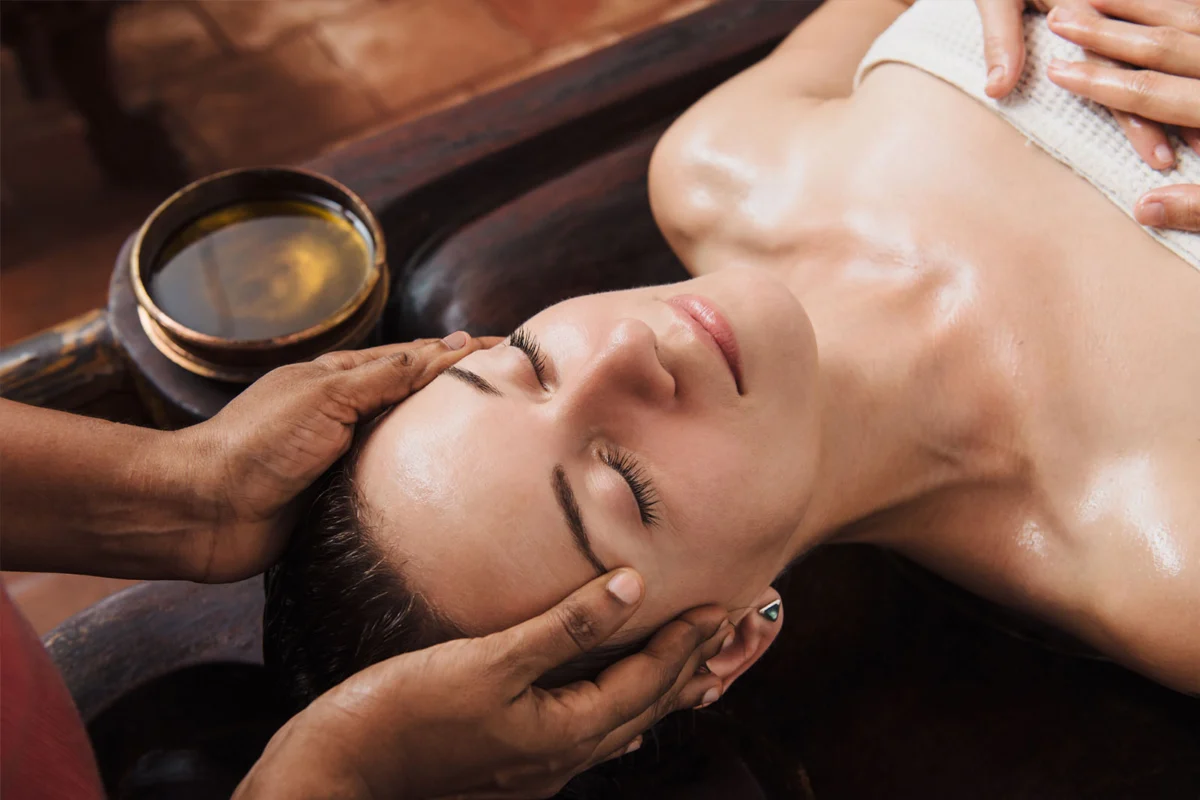
In a medical landscape increasingly dominated by "one-size-fits-all" pharmaceuticals and standardized clinical protocols, Ayurveda offers a starkly different paradigm. Rooted in ancient Indian tradition, this holistic system of medicine operates on the fundamental premise that no two human beings are biologically or energetically identical. While modern allopathic medicine may categorize a condition like diabetes into two primary types, Ayurveda identifies twenty distinct classifications, each requiring a unique therapeutic approach.
This philosophy of radical personalization is the cornerstone of Ayurvedic success. By moving away from symptom suppression and toward the identification of the root cause—or samprapti—Ayurveda addresses the individual rather than the diagnosis.
The Philosophical Foundation: Why Customization Matters
The success of Ayurvedic treatment hinges on the practitioner’s ability to discern the "qualities" currently dominating an individual’s constitution. In Ayurveda, symptoms are merely signposts. For instance, pain is not viewed as a singular entity; it is classified by dosha—Vata, Pitta, or Kapha. A Vata-type pain might manifest as sharp and shifting, requiring grounding therapies, while a Pitta-type pain might be inflammatory and burning, demanding cooling interventions.
This level of granular analysis is why the role of a trained Ayurvedic practitioner is indispensable. A practitioner does not simply apply a "band-aid" to a symptom; they evaluate the patient’s prakruti (inherent constitution) and vikruti (current state of imbalance) to craft a protocol that is as unique as the patient’s fingerprint.
The Mechanics of Detoxification: A Deep Dive into Panchakarma
One of the most profound therapeutic tools in the Ayurvedic arsenal is Panchakarma. Often misunderstood as a generic spa detox, Panchakarma is actually a rigorous, highly specialized medical procedure designed to flush accumulated toxins (ama) from deep bodily tissues.
A successful Panchakarma protocol is never a standard template. It requires a meticulous assessment of the client’s agni (digestive fire), their toxic load, and their capacity for detoxification. To ensure safety and efficacy, the process is divided into three distinct chronological stages: Purvakarma, Pradhanakarma, and Paschyatkarma.
Stage 1: Purvakarma (The Preparatory Phase)
Before the primary detoxification begins, the body must be primed. Purvakarma is the foundational stage focused on two goals: kindling agni and internal oleation.
Kindling the digestive fire is essential because a weak metabolism cannot process toxins. Depending on the individual, a practitioner might prescribe ginger-based remedies or specific hydration protocols to stimulate metabolic function. Simultaneously, the patient undergoes internal oleation—the ingestion of medicated ghees or oils. This process serves to lubricate the internal channels, loosening deep-seated toxins and pulling them from the tissues into the digestive tract for eventual elimination.
Stage 2: Pradhanakarma (The Five Actions)
The term Panchakarma translates literally to "Five Actions." Once the toxins have been successfully mobilized through the preparatory stage, the practitioner implements one or more of these five specific procedures:
- Virechana: Targeted at the small intestine, liver, and gallbladder, this purgative therapy uses milk-based laxatives to flush out excess pitta dosha, effectively cooling the system and addressing inflammatory conditions.
- Basti: This involves the administration of herbalized enemas. Contrary to common misconceptions, Basti is not merely for cleansing; it is a profound way to deliver nutrients directly to the colon, the seat of the Vata dosha, helping to nourish and restore the gut lining.
- Vamana: This is a controlled therapeutic emesis. By using specific preparations like licorice tea and salt water, practitioners can pull excess kapha (phlegm) from the stomach. Because of its intensity, this is reserved for very specific, medically indicated cases.
- Nasya: This involves the application of medicated oils into the nasal passages. It is highly effective for addressing head-space imbalances, clearing sinuses, alleviating brain fog, and supporting cognitive function.
- Raktamoksha: The traditional method of bloodletting, used to purify the blood of lingering ama. While historically performed with leeches, modern practitioners in the United States typically utilize alternative, non-invasive methods to achieve similar results, focusing on the principle that "pure blood" is the foundation of prana (life force) circulation.
Stage 3: Paschyatkarma (The Rejuvenation Phase)
The conclusion of the "Five Actions" is not the end of the treatment. Paschyatkarma is the critical post-detoxification period. Because the process of detoxification is physically demanding, the body is often left in a state of temporary depletion. This stage focuses on rebuilding tissue strength through a structured diet and lifestyle plan, ensuring the patient transitions smoothly back to vitality without aggravating their system.
Implications for Modern Healthcare
The reliance on standardized protocols in modern medicine has created a "clinical gap" where many patients feel unheard or underserved. The Ayurvedic model suggests that the future of medicine may lie in a hybrid approach: one that respects the rigor of clinical observation while embracing the necessity of individualization.
However, the rapid growth of Ayurveda’s popularity brings with it significant risks. As the market expands, the quality of care can become diluted. A common concern among experts is the rise of "DIY Panchakarma" or practitioners lacking sufficient clinical training. Without an expert guiding the Purvakarma and Pradhanakarma phases, a patient risks worsening their existing imbalances or triggering an adverse reaction.
The Essential Role of the Practitioner
The primary takeaway for those seeking Ayurvedic intervention is the absolute necessity of professional vetting. The practitioner is the architect of the healing journey. They are responsible for monitoring the patient’s pulse, digestion, and energy levels throughout the duration of the therapy.
If you are considering a Panchakarma program, it is imperative to evaluate the center’s philosophy:
- Assessment depth: Do they evaluate your prakruti and vikruti before recommending a protocol?
- Safety protocols: Are there medical or experienced practitioners on-site during the elimination phase?
- Transparency: Is the center willing to explain why a specific herb or oil was chosen for your specific body type?
Conclusion: Aligning Values with Wellness
As we navigate an era of hyper-specialization, the wisdom of Ayurveda remains a beacon of common sense. It teaches us that health is not a destination achieved through a universal formula, but a dynamic state of balance maintained through deep self-awareness and professional guidance.
Whether you are seeking relief from chronic pain or looking to optimize your long-term vitality, the path forward is through a personalized lens. By choosing to work with practitioners who prioritize the nuances of your unique constitution, you are doing more than just "treating a disease"—you are reclaiming the art of healing.
For those interested in pursuing a professional path in this field, rigorous education is the only foundation for safe practice. Resources such as the Ayurvedic Studies Programs offer the depth of knowledge required to guide others through the complex, transformative processes of Panchakarma. Alternatively, for those seeking a sanctuary to begin their own healing journey, centers like the SoHum Mountain Healing Resort provide a space where the ancient tradition is respected and applied with the necessary clinical precision.
In the end, your health is your greatest asset. Treat it with the level of individual attention it deserves.