









In an era defined by relentless digital connectivity, "hustle culture," and the chronic overstimulation of the modern nervous system, the pursuit of relaxation has evolved from a luxury into a physiological necessity. We spend our lives navigating the frantic pace of the 21st century, often forgetting that the ability to cultivate a calm inner climate—physical, mental, and emotional—is a fundamental component of the human experience. As stress levels hit record highs globally, the practice of yoga has emerged as one of the most effective, accessible, and scientifically backed tools for recalibrating our internal state.
When we talk about "relaxation," we are not merely referring to the absence of activity. We are speaking about a deliberate transition from the sympathetic nervous system’s "fight or flight" response into the parasympathetic nervous system’s "rest and digest" mode. For those seeking a reprieve from the daily grind, yoga offers a path to tranquility that requires no equipment, only an intention to let go.
The Physiology of Surrender: Why We Need to Pause
The modern human body is frequently stuck in a state of high-functioning anxiety. Our ancestors utilized stress responses to flee from immediate physical danger, but today, that same physiological machinery is triggered by emails, traffic, and endless notifications. This chronic activation leads to muscle tension, elevated cortisol levels, and sleep disturbances.
Yoga acts as a "reset button" for this system. By synchronizing movement with breath, practitioners can influence the Vagus nerve—the primary component of the parasympathetic nervous system—which signals the body that it is safe to downregulate. While a full, hour-long vinyasa flow is beneficial, science suggests that even micro-doses of restorative movement can significantly lower blood pressure and reduce markers of psychological distress.
The Foundational Five: Yoga Poses for Immediate Relief
Real relaxation is an exercise in surrender. The following five poses are curated not for athletic prowess, but for their ability to facilitate deep release. To maximize these benefits, practitioners should utilize props—bolsters, blankets, or even standard bed pillows—to create a "cradle" for the body, allowing the skeleton to be supported rather than held by muscular effort.
1. Child’s Pose (Balasana): The Ultimate Reset
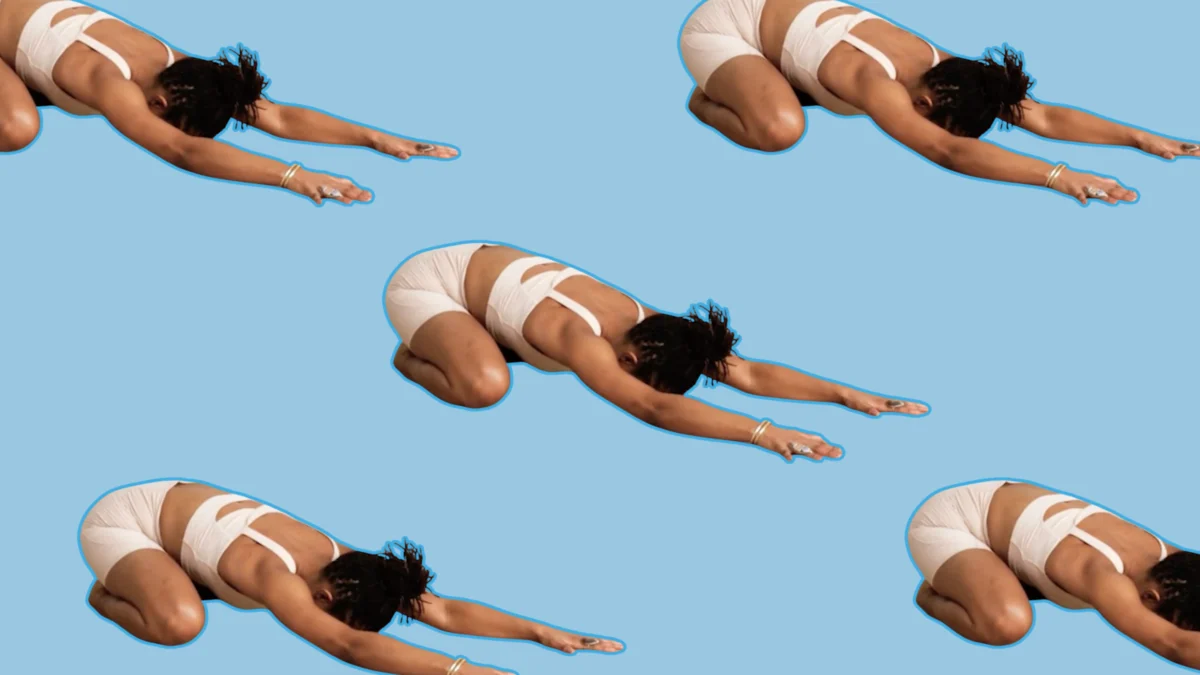
Child’s Pose is often referred to by instructors as the "mid-class respite," but it is far more than a resting position. It is a profound act of introspection. By folding the torso toward the earth, you physically shorten the front body, signaling to the brain that there is no need to remain alert or defensive.
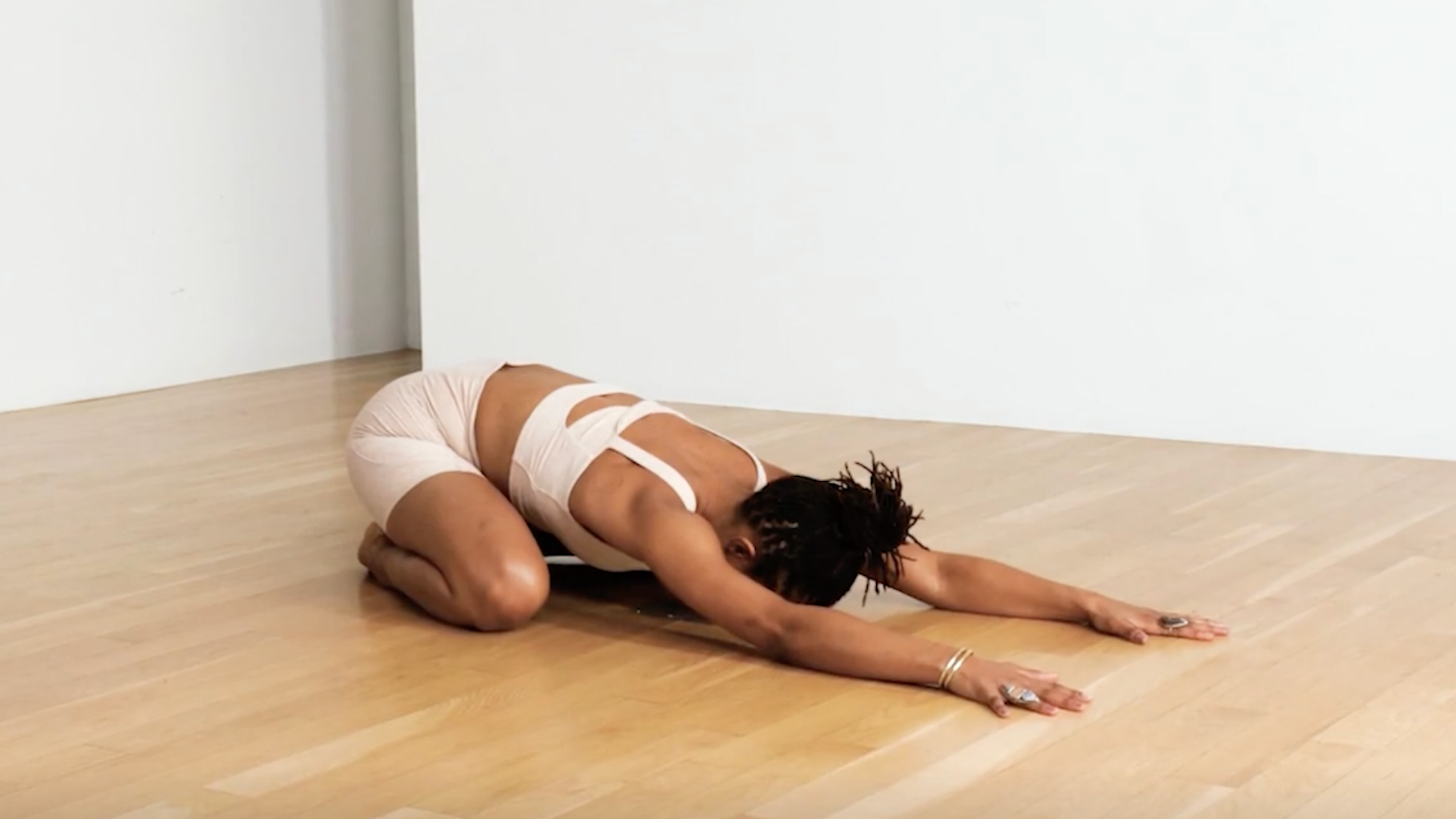
- The Technique: Kneel on your mat, sit back on your heels, and widen your knees. Slowly walk your hands forward until your forehead rests on the floor or a blanket.
- The Impact: This compression of the torso creates a "cave" of sensory deprivation, turning your awareness inward. It is an ideal pose for those who struggle with mental clutter; the physical act of bowing down encourages a surrender of the ego and a quietening of the mind.
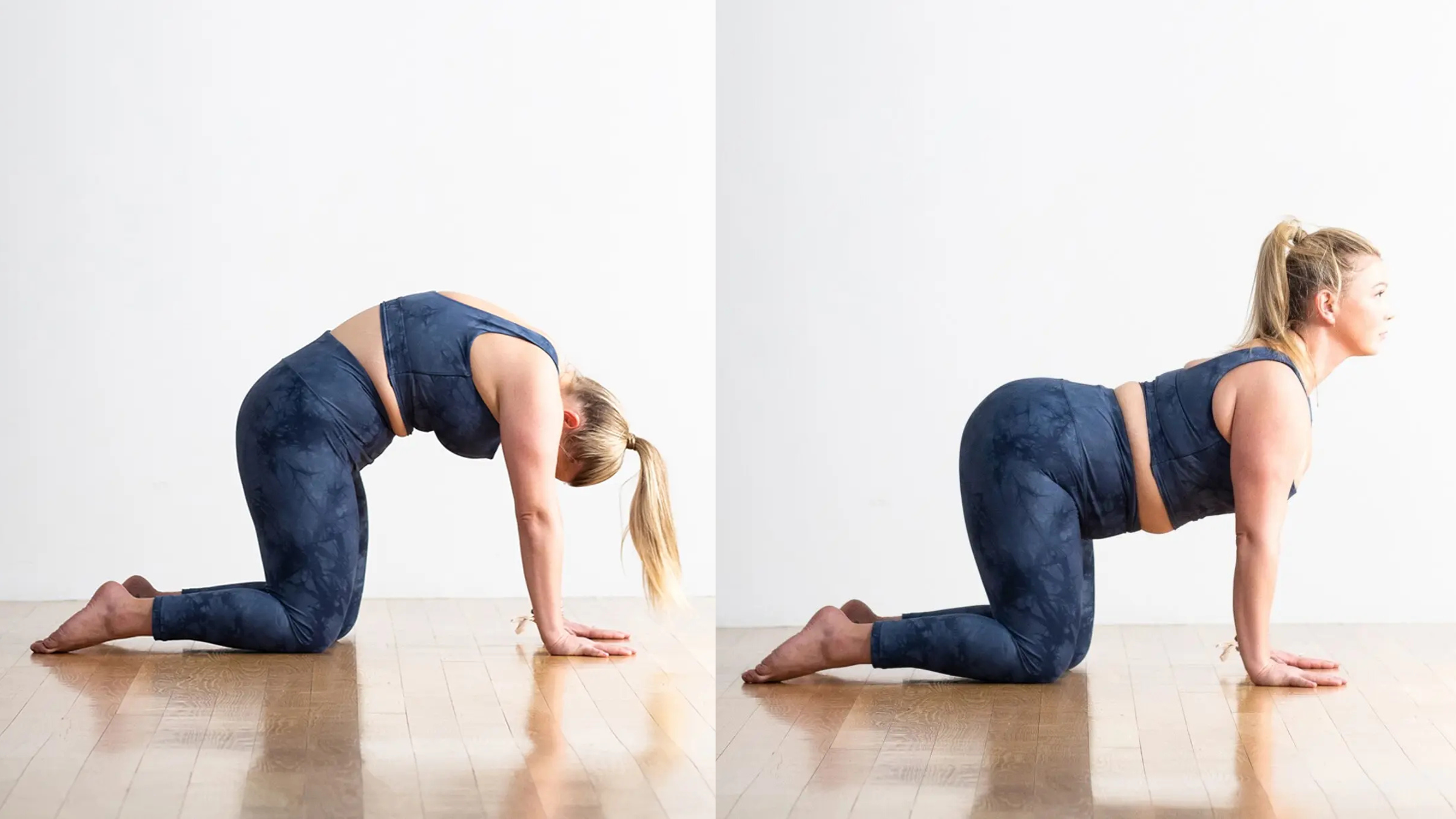
2. Cat and Cow (Marjaryasana/Bitilasana): Fluidity and Breath
Tension often manifests in the spine, the central highway of our nervous system. Cat and Cow are not just stretches; they are a rhythmic, meditative loop. These poses encourage intuitive movement, forcing the practitioner to abandon rigid postures in favor of a fluid, wave-like motion.
- The Technique: Start in a tabletop position. As you inhale, drop your belly and lift your gaze (Cow); as you exhale, round your spine and tuck your chin (Cat).
- The Impact: This cycle facilitates a deeper connection between the breath and the physical form. By moving in sync with your inhalation and exhalation, you remind your body that it is capable of being spacious and flexible, counteracting the "slump" associated with prolonged desk work.
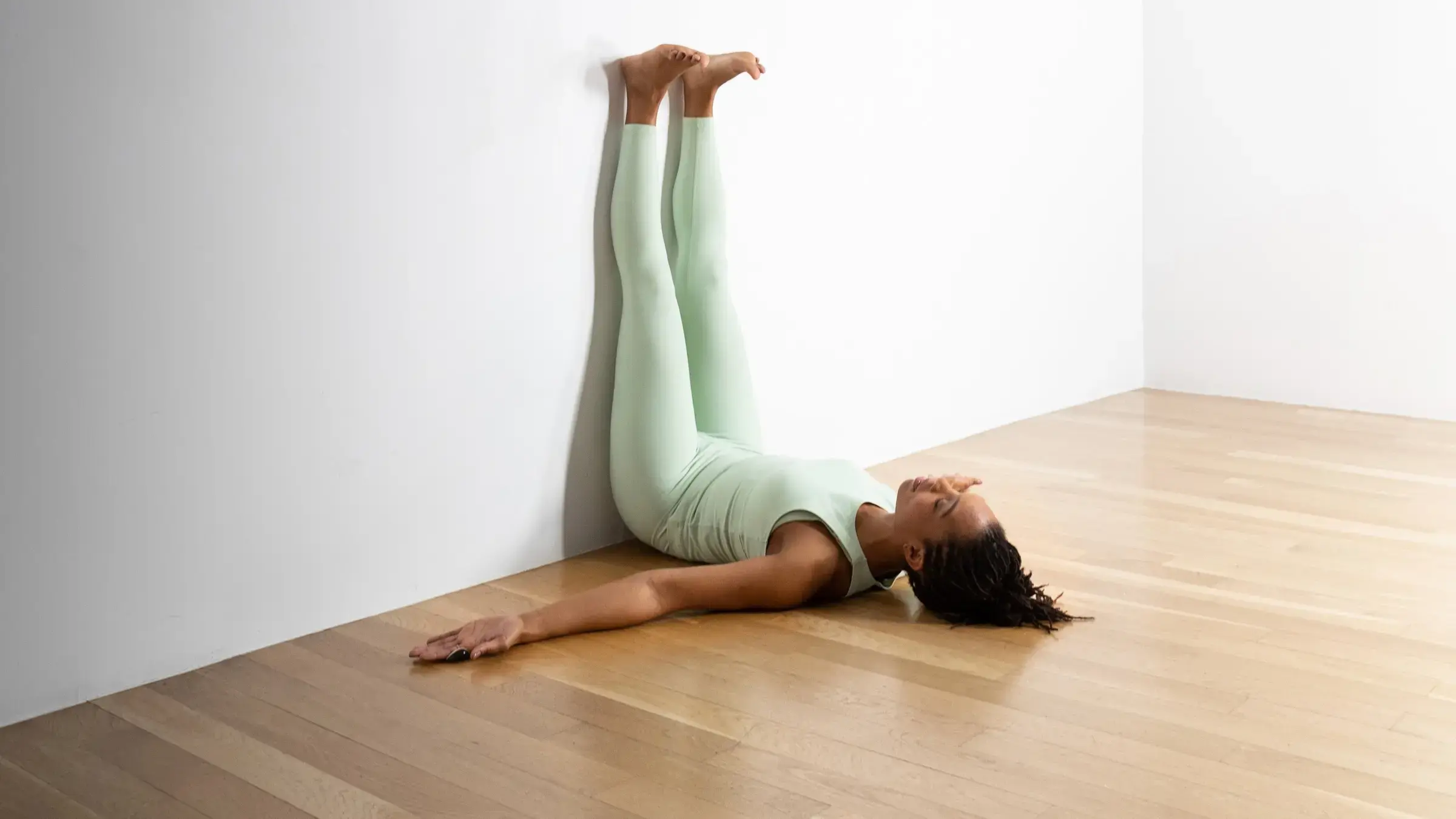
3. Legs Up the Wall (Viparita Karani): The Restorative Inversion
If there is a "miracle" pose for the stressed city-dweller, it is Legs Up the Wall. This gentle inversion is widely recommended by sleep experts and therapists alike for its ability to shift the body into a state of deep, restorative rest.
- The Technique: Sit sideways against a wall, swing your legs up, and lie back. Your sit-bones don’t need to touch the wall; ensure your lower back is comfortable.
- The Impact: By reversing the flow of gravity, you assist the lymphatic system and encourage blood flow toward the heart and brain. It is highly effective for alleviating headaches, reducing swelling in the legs, and—most notably—curing insomnia. The simplicity of the pose forces a cessation of activity that is difficult to replicate in other positions.
4. Reclining Bound Angle (Supta Baddha Konasana): Opening the Heart
While Savasana (Corpse Pose) is the classic finale to a practice, Reclining Bound Angle provides a more active, intentional approach to relaxation. It is both grounding and subtly energizing, making it perfect for an afternoon pick-me-up.
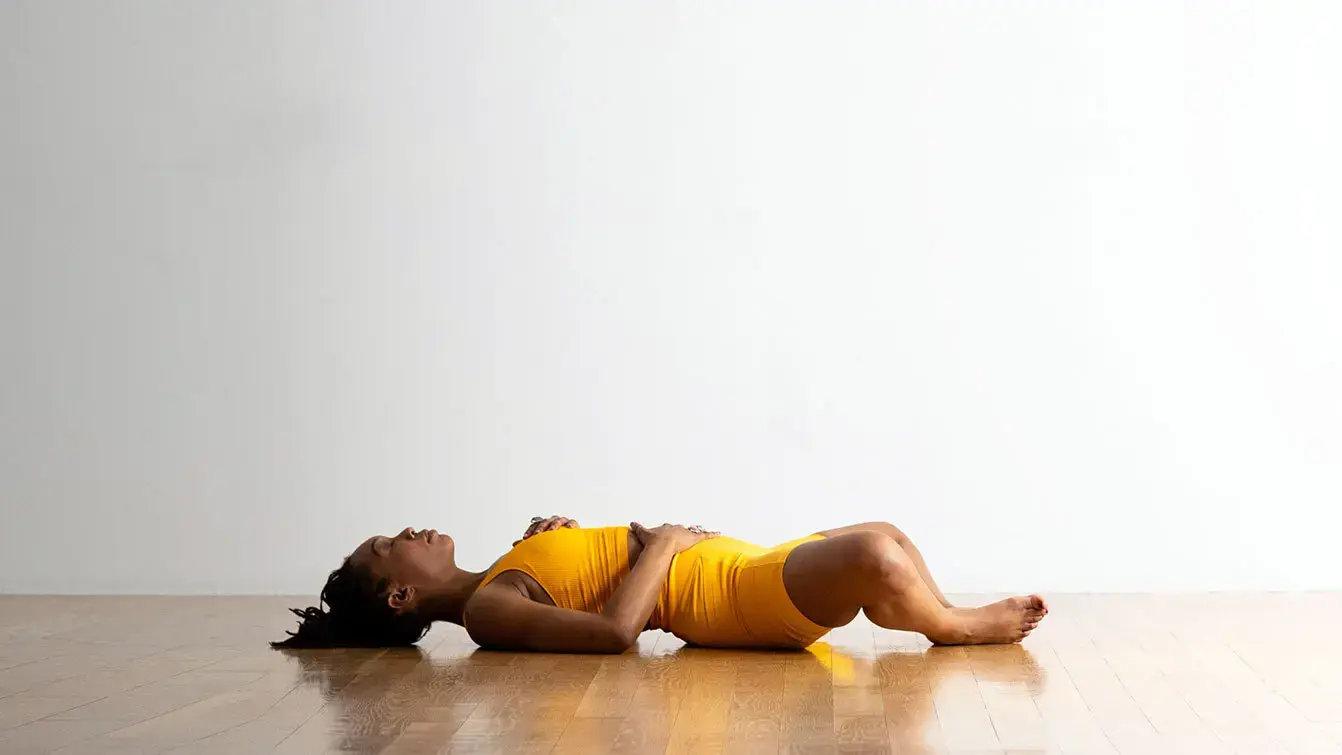
- The Technique: Lie on your back, soles of the feet together, knees splayed open. Support the knees with blocks if you feel strain in the hips.
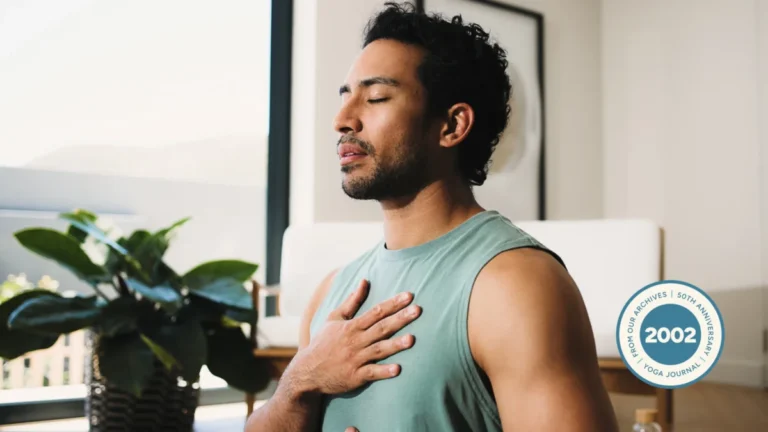
- The Impact: This shape creates a gentle opening across the chest and hips—the two areas where humans store the most emotional and physical tension. Placing one hand on the heart and one on the belly creates a biofeedback loop, anchoring you to the present moment through the steady rhythm of your heartbeat and breath.
5. Puppy Pose (Uttana Shishosana): Releasing the Modern Burden
Modern life is "forward-folding"—we hunch over screens, steering wheels, and kitchen counters. Puppy Pose acts as the perfect antidote, lengthening the spine and opening the shoulders to undo the physical damage of the "tech-neck" era.
- The Technique: From a tabletop position, keep your hips high above your knees and walk your arms forward until your chest sinks toward the floor.
- The Impact: This pose elongates the thoracic spine and releases tightness in the neck and upper back. It offers a sense of grounding through the forehead-to-mat contact, providing a clear boundary between the external world’s demands and your internal space.
Supporting Data: Why "Less is More"
Research from the International Journal of Yoga has consistently shown that restorative practices lead to lower cortisol levels and improved heart rate variability (HRV). HRV is a critical marker of physiological resilience; a higher HRV suggests that the body is better equipped to handle stress. Participants in studies focusing on restorative yoga sequences reported a 30% reduction in perceived stress levels within just three weeks of consistent practice.
Furthermore, a 2025 study on "The Architecture of Rest" found that individuals who incorporated even five minutes of "propped" yoga poses into their daily routine showed significant improvements in sleep latency—the time it takes to fall asleep—compared to control groups who utilized traditional meditation alone.
Official Perspectives and Expert Insight
Dr. Elena Rossi, a specialist in psychosomatic medicine, notes: "The biggest barrier to relaxation is the belief that it must be earned through exhaustion. We view yoga as a workout, but the most profound work often happens when we are completely still. When a patient presents with chronic stress, I don’t prescribe a gym membership; I prescribe a bolster and a ten-minute window of stillness. The nervous system requires these ‘safe’ shapes to turn off the alarm bells of the modern world."
Instructors also emphasize that the "prop-first" approach is essential. "The goal is to eliminate the need for the brain to monitor the body," says senior yoga educator Marcus Thorne. "If you are holding your own weight, you are still ‘working.’ When you use a blanket or a bolster to support your joints, you give your nervous system permission to fully relinquish control."
Implications: Building a Sustainable Future
The long-term implications of failing to integrate these practices are significant. Chronic stress is linked to inflammation, cardiovascular disease, and cognitive decline. By normalizing the practice of intentional relaxation—whether through Child’s Pose or Legs Up the Wall—we aren’t just performing yoga; we are engaging in a radical act of self-preservation.
As we look toward the future of wellness, the focus must shift from the intensity of our exertion to the quality of our recovery. By reclaiming our ability to relax, we create a more stable foundation from which to engage with the world. The lesson is simple, yet challenging for our achievement-oriented society: in the practice of these shapes, you will find that the body gives you significantly more when you choose to do less.
In conclusion, your journey toward relaxation does not require a change in your external circumstances, but a change in how you hold your physical form. Whether you have five minutes or fifty, the path to a calmer, more resilient self is waiting on the mat. Begin by surrendering, support your weight, and breathe into the space you’ve created. Your nervous system will thank you.