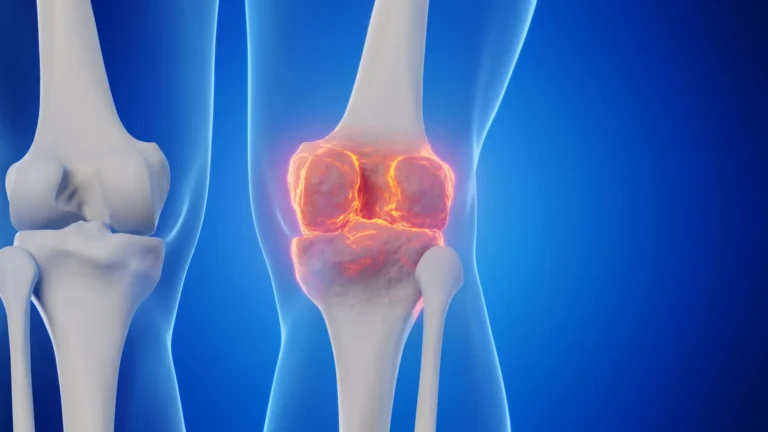








For centuries, aging was viewed as an inevitable "wear and tear" process—a slow, systemic degradation of the body’s hardware, much like a machine rusting over time. However, a groundbreaking study published in the journal PLOS Biology is shifting this paradigm, suggesting that aging may not be a passive decline but an actively regulated process governed by a central "command center" in the brain.
Researchers led by Lige Leng at Xiamen University have identified a protein called Menin that appears to act as a biological master switch. By modulating this protein within the hypothalamus, the researchers were able to trigger—and, crucially, reverse—signs of systemic aging in mice. The discovery opens a radical new front in longevity research, suggesting that the brain may orchestrate the aging of the entire body through inflammatory and metabolic pathways.
The Hypothalamus: The Body’s Aging Control Tower
To understand the magnitude of this discovery, one must look at the hypothalamus. This almond-sized region at the base of the brain is the body’s chief executive officer. It regulates the autonomic nervous system, managing vital functions such as body temperature, hunger, thirst, sleep, circadian rhythms, and the complex hormonal signaling that governs metabolism.
For years, scientists have suspected that the hypothalamus does more than just maintain homeostasis; it may also be the "pacemaker" of the aging process. As we age, the hypothalamus experiences subtle shifts in DNA methylation and hormone production—such as changes in oxytocin and gonadotropin-releasing hormone (GnRH)—that ripple outward, affecting everything from muscle mass to bone density and cognitive clarity. The Xiamen University study provides the strongest evidence yet that this brain region is the primary site where the "aging signal" is generated.
Chronology of Discovery: Tracking the Menin Decline
The research team’s journey began with a focus on neuroinflammation. It is well-documented that as organisms age, the brain experiences chronic, low-grade inflammation, which is closely linked to cognitive decline.
Phase 1: Identifying the Protein
The researchers initially investigated Menin, a protein already known for its role in suppressing inflammation in various biological contexts. By analyzing the brains of mice across different age groups, the team observed a stark trend: Menin levels plummeted in the ventromedial hypothalamus (VMH) as the animals grew older. Notably, this decline was localized specifically in neurons, rather than in the support cells (astrocytes or microglia) that surround them.
Phase 2: The "Loss-of-Function" Experiment
To determine if this decline was merely a symptom or a cause of aging, the team engineered a group of younger mice with artificially reduced Menin levels. The results were immediate and alarming. Within a short window, these mice began exhibiting symptoms typical of advanced age:
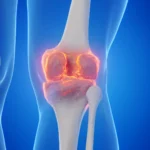
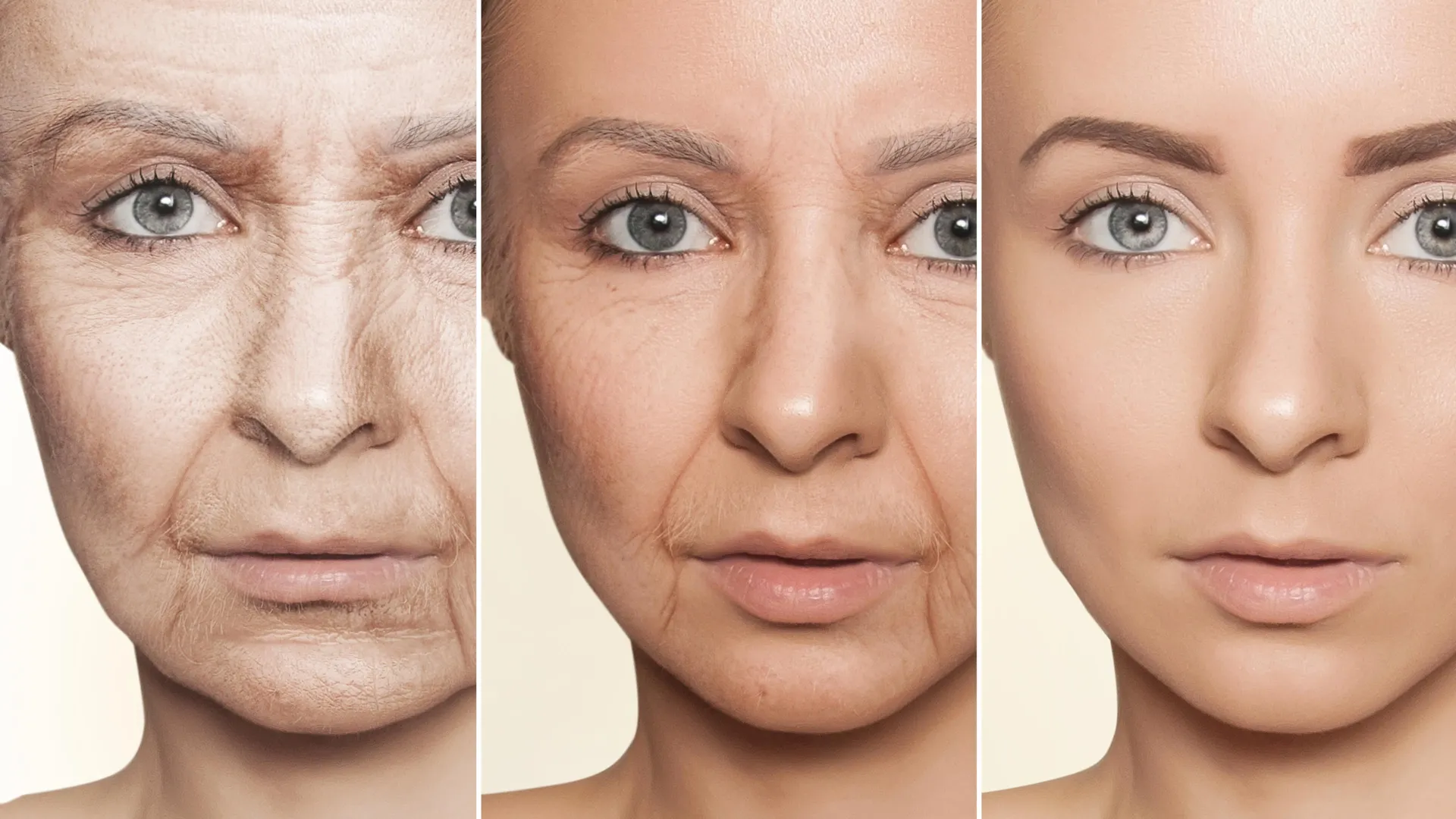
- Physical: Thinning skin, significant loss of bone mass, and impaired motor balance.
- Cognitive: Heightened neuroinflammation and marked memory deficits.
- Systemic: A shorter overall lifespan compared to their peers.
Phase 3: The Reversal
The most significant breakthrough came when the team delivered the Menin gene directly back into the hypothalamus of elderly mice (roughly 20 months old). Within just 30 days, the "aging clock" appeared to reset. The mice regained cognitive function, improved their physical motor skills, and saw measurable increases in bone density and skin health.
The D-Serine Connection: A Potential Therapeutic Path
Perhaps the most surprising aspect of the research is the discovery of an intermediary player: the amino acid D-serine.
D-serine acts as a neurotransmitter, facilitating the "synaptic plasticity" required for learning and memory. The research revealed that Menin is essential for the production of the enzyme that synthesizes D-serine in the brain. When Menin levels drop, D-serine production stalls, leading to a breakdown in communication between neurons.
Bridging the Gap with Supplementation
Because D-serine is naturally found in common foods—such as soybeans, eggs, fish, and nuts—and is available as a dietary supplement, the team tested whether supplementing this amino acid could replicate the benefits of restoring Menin.
The results were nuanced: D-serine supplementation alone significantly improved cognitive performance in older mice, but it did not reverse the physical signs of aging, such as bone loss or skin thinning. This suggests that while D-serine is a key mediator of the brain’s cognitive health, Menin influences aging through a broader, more complex network of pathways that regulate systemic physiology.
Supporting Data: Why the Hypothalamus Matters
The findings by Leng and colleagues align with a growing body of literature that positions the hypothalamus as a nexus for neurodegenerative diseases. A 2024 study published in Nature Communications supports this theory, highlighting how epigenetic modifications in the hypothalamus correlate with the progression of Alzheimer’s disease and other age-related cognitive impairments.
The data suggests that aging is not a uniform degradation but a highly specific, regulated shift in gene expression. By identifying the VMH as the specific locus for Menin-related aging, the Xiamen team has provided a clear target for future therapeutic interventions. If scientists can "re-arm" the hypothalamus with the proteins it loses over time, it may be possible to delay or mitigate the onset of age-related systemic decline.
Official Responses and Scientific Perspective
The scientific community has received the findings with cautious optimism. Lead researcher Lige Leng noted the potential of this discovery in a recent statement:
"We speculate that the decline of Menin expression in the hypothalamus with age may be one of the driving factors of aging, and Menin may be the key protein connecting the genetic, inflammatory, and metabolic factors of aging. D-serine is a potentially promising therapeutic for cognitive decline."
However, experts in the field of gerontology emphasize that the jump from mice to humans is fraught with complexity. The human brain is exponentially more complex than that of a rodent, and the signaling pathways identified in the VMH may interact differently in a human biological environment.
Furthermore, "hacking" the hypothalamus—a region that controls survival-critical functions—carries inherent risks. Researchers warn that artificially boosting protein expression or altering neurotransmitter levels could have unintended downstream consequences, potentially disrupting other vital bodily functions.
Future Implications: Can We Slow the Clock?
The implications of this research are profound. If the hypothalamus truly acts as the command center for systemic aging, the focus of anti-aging medicine may shift away from systemic treatments (like generalized supplements or exercise) toward targeted, brain-based therapies.
The Road Ahead
- Clinical Trials: Before D-serine or Menin-based therapies can be considered for humans, researchers must establish long-term safety profiles.
- Mechanistic Understanding: Why does Menin decline in the first place? Solving this "upstream" mystery could lead to preventative treatments that stop the decline before it begins.
- Targeted Delivery: Future research will likely focus on how to safely deliver genetic material or pharmacological agents to the ventromedial hypothalamus without affecting the surrounding brain tissue.
A New Era of Longevity
For now, the study serves as a critical proof-of-concept. It demonstrates that the aging process is not an insurmountable wall but a biological mechanism that can be manipulated. While we are not yet at the stage of "curing" aging, the identification of the Menin-D-serine pathway provides a concrete, molecular target that was previously invisible.
As we continue to decode the "central command" of the human body, the boundary between natural decline and treatable condition may continue to blur. For the millions of people suffering from age-related cognitive and physical decline, the hypothalamus may hold the key to a future where growing older does not have to mean growing frail.