




In an era defined by rapid change, global health volatility, and the lingering echoes of the COVID-19 pandemic, the concept of "health" has transcended mere clinical check-ups. It has become a daily, conscious practice of resilience. As we navigate a world where external stressors—ranging from economic instability to unpredictable health threats—are constant, the fundamental pillars of human health remain the most potent tools for longevity and disease prevention.
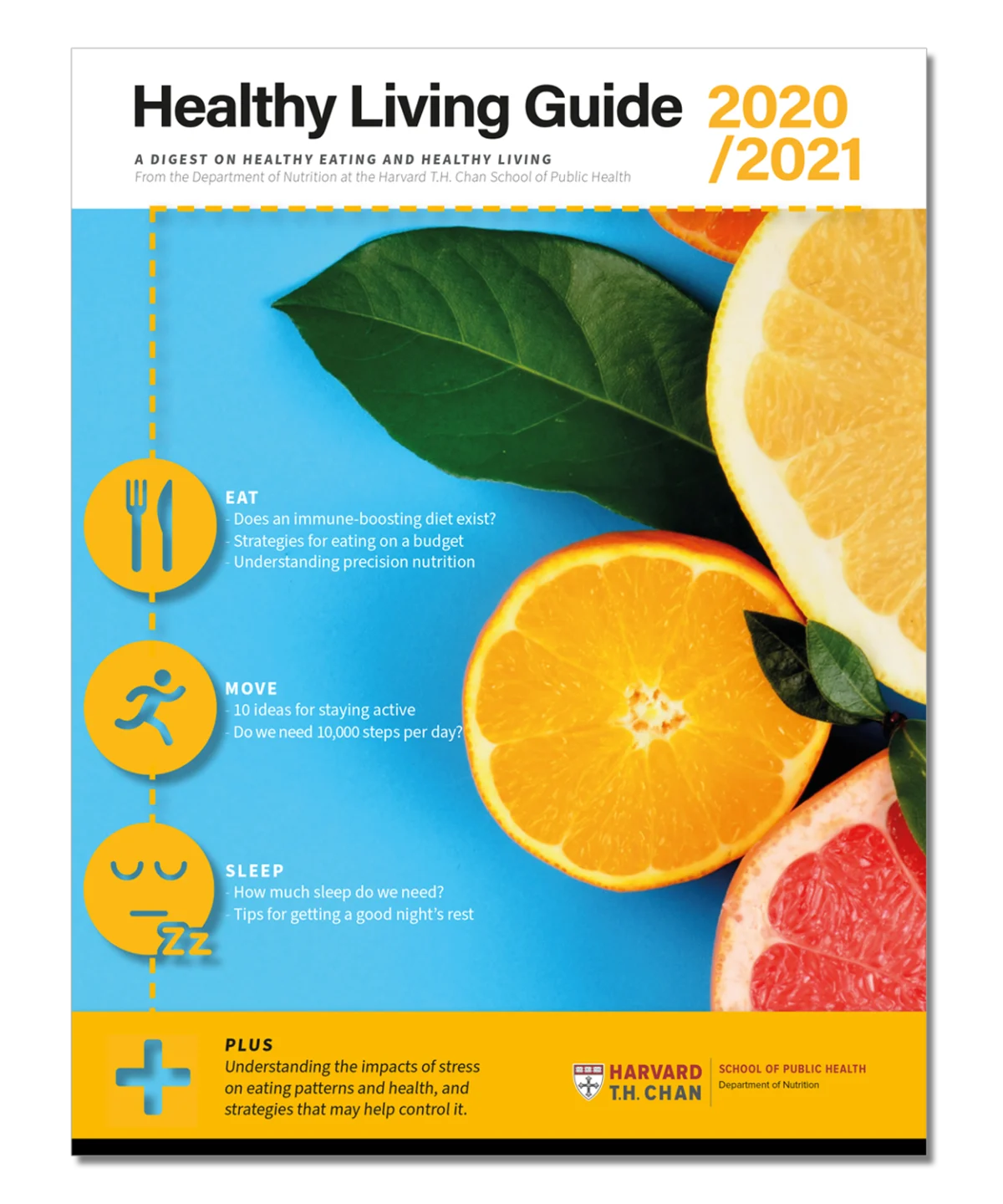
Harvard T.H. Chan School of Public Health has long championed the idea that health is not a destination but a continuous process. Their latest initiative, the Healthy Living Guide, serves as a comprehensive roadmap for individuals looking to fortify their bodies and minds against the uncertainties of the modern age.
The Foundation of Resilience: Five Pillars of Healthy Living
The core of Harvard’s public health guidance rests on five evidence-based habits. While there is no "magic bullet" to prevent viral infections, research consistently demonstrates that a robust immune system and a resilient constitution are built upon these foundational behaviors:
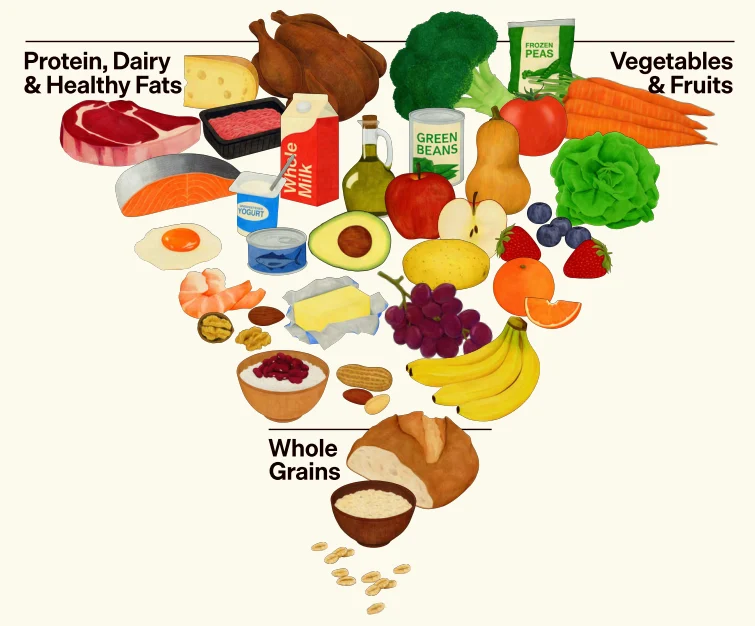
- A Nutrient-Dense Diet: Moving beyond processed foods toward whole grains, lean proteins, fruits, and vegetables.
- Consistent Physical Activity: Integrating movement into daily life to maintain metabolic health.
- Weight Management: Maintaining a healthy body mass index (BMI) to reduce systemic inflammation.
- Alcohol Moderation: Limiting intake to mitigate long-term organ strain and cognitive decline.
- Tobacco Abstinence: Eliminating the single greatest preventable cause of death and disease.
Supporting Data: The Decade Advantage
The scientific justification for these habits is not merely anecdotal. Longitudinal studies have shown that individuals who adhere to these five key habits consistently live more than a decade longer than those who do not. This is not just a matter of "years added to life," but, perhaps more importantly, "life added to years."
Data indicates that adults who adopt these habits during middle age significantly extend their "healthspan"—the number of years lived free from chronic, debilitating diseases such as type 2 diabetes, cardiovascular disease, and various forms of cancer. By investing in these behaviors early, individuals effectively lower the cumulative physiological burden that leads to chronic illness in later life.
A Chronology of Health Advocacy
The push for a more holistic approach to public health has evolved significantly over the last three years.
- Early 2020: The onset of the COVID-19 pandemic forced a global re-evaluation of health. While focus was initially placed on immediate viral mitigation, the resulting lockdowns and social distancing measures brought secondary health crises to the forefront: sedentary behavior, dietary shifts toward shelf-stable processed foods, and unprecedented levels of mental health distress.
- Late 2020: As the pandemic persisted, health organizations recognized that the population was suffering from "pandemic fatigue." The need for accessible, actionable, and low-cost health resources became a priority for public health communicators.
- Early 2021: The launch of the Healthy Living Guide represented a formal response to these needs. It was designed to bridge the gap between complex nutritional science and the practical constraints of a society in flux. By offering printable tip sheets and interactive tools like the "Healthy Living Bingo Challenge," the initiative sought to gamify and simplify the pursuit of wellness during a time of collective anxiety.
Implications: The Psychological and Physical Interplay
The implications of adopting these habits extend far beyond the physiological. During times of crisis, the human brain is prone to seeking comfort in habits that offer immediate, albeit fleeting, gratification—often in the form of poor diet or sedentary habits. The Healthy Living Guide acknowledges this, emphasizing that the goal is not perfection, but intentionality.
The Mental Health Connection
Physical activity is not only for cardiovascular health; it is a primary regulator of the nervous system. Regular exercise has been shown to reduce cortisol levels, mitigate the symptoms of anxiety, and improve sleep quality—all of which are critical when navigating high-stress environments. Similarly, a nutrient-dense diet provides the gut-brain axis with the fuel necessary for cognitive clarity and emotional regulation.
The Economic Argument
In a world of rising healthcare costs, these five habits represent the most cost-effective "preventative medicine" available. By reducing the incidence of chronic diseases, individuals not only save on long-term medical expenditures but also maintain their ability to participate in the workforce and society for longer. The preventative approach is a form of personal economic insurance.
Official Guidance and Practical Implementation
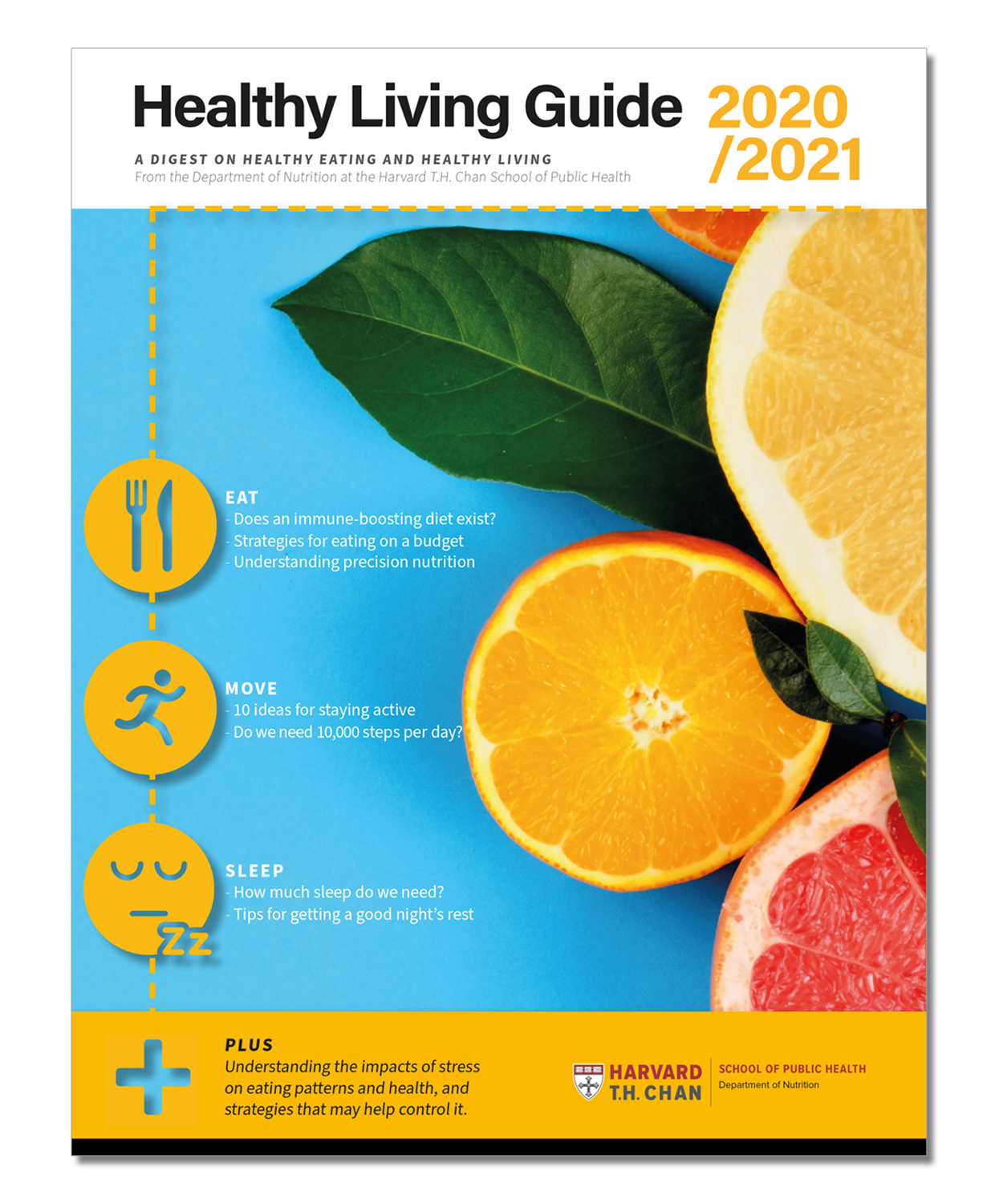
Public health experts at Harvard emphasize that the path to a healthier life is often obstructed by the "all-or-nothing" mentality. The provided Healthy Living Guide is designed to dismantle this barrier. By providing actionable strategies—such as how to organize a healthy pantry or how to integrate movement into a work-from-home schedule—the guide empowers individuals to make incremental changes.
The Role of Community and Gamification
One of the most innovative components of the Harvard initiative is the inclusion of the Healthy Living Bingo Challenge. By turning health goals into a game, the program taps into the psychology of achievement. When individuals track their progress, they are more likely to stay committed.
This approach acknowledges the "burden of choice." In a modern environment where we are bombarded by conflicting dietary advice and fitness trends, the guide serves as a curated filter, stripping away the noise to leave only the high-impact, scientifically validated practices that truly matter.
Challenges to Implementation
While the science is clear, the implementation is undeniably difficult. Issues such as food deserts, where healthy options are scarce, and income inequality, which forces many to choose between time-efficiency and nutritional density, remain significant hurdles.
The Healthy Living Guide aims to address this by providing flexible strategies. It acknowledges that healthy eating does not require expensive superfoods or boutique gym memberships. Instead, it advocates for a return to basics: cooking at home, choosing local and seasonal produce, and finding accessible ways to be active, such as brisk walking or home-based bodyweight exercises.
Conclusion: A Sustained Commitment
As we continue to look toward a future where public health is an ever-present concern, the lessons from the Harvard Healthy Living Guide remain more relevant than ever. The COVID-19 pandemic served as a stark reminder of our individual and collective vulnerability. However, it also highlighted our capacity for adaptation.
By focusing on the five pillars of lifestyle—diet, exercise, weight management, and the avoidance of harmful substances—we do not just protect ourselves against specific viral threats; we build a resilient biological fortress. The pursuit of health is a lifelong marathon, not a sprint. Whether it is through the simple act of preparing a healthy meal, taking a daily walk, or choosing to prioritize sleep, every decision contributes to the broader objective of living a longer, more vibrant life.
For those looking to begin or refine their journey, the resources provided by the Harvard T.H. Chan School of Public Health offer a scientifically rigorous starting point. The challenge is not to change everything overnight, but to consistently show up for oneself, one habit at a time.
Resources for Further Learning:
- Download the Healthy Living Guide (PDF): Link to Harvard Resource
- Further Reading on Chronic Disease Prevention: Harvard News Archive
- Interactive Tools: Access the full suite of printable bingo cards and nutritional tip sheets via the Harvard Nutrition Source website.