For decades, the artificial sweetener sucralose—widely known by the brand name Splenda—has been a staple in the diets of millions. Marketed as a calorie-free alternative to sugar, it is ubiquitous in everything from diet sodas to baked goods. However, the scientific discourse surrounding its safety underwent a significant shift in 2023, following the publication of research that raised concerns about a chemical impurity, sucralose-6-acetate, and its potential to damage genetic material.
This development sparked intense public debate and prompted a series of rigorous scientific reviews. While initial laboratory findings painted a concerning picture of DNA damage and intestinal permeability, subsequent assessments by international regulatory bodies and further clinical research have provided a more nuanced—and often contradictory—perspective. This report examines the evolution of this scientific controversy, distinguishing between in-vitro laboratory phenomena and the realities of human health.
The 2023 Catalyst: A Focus on Impurities
The controversy began in earnest with a 2023 investigation led by Susan Schiffman, an adjunct professor at North Carolina State University and the University of North Carolina at Chapel Hill. The research centered not on sucralose itself, but on sucralose-6-acetate, a chemical compound structurally related to the sweetener.
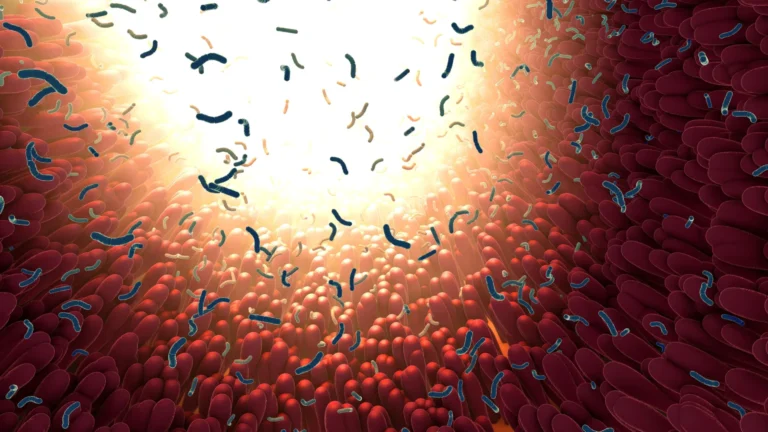
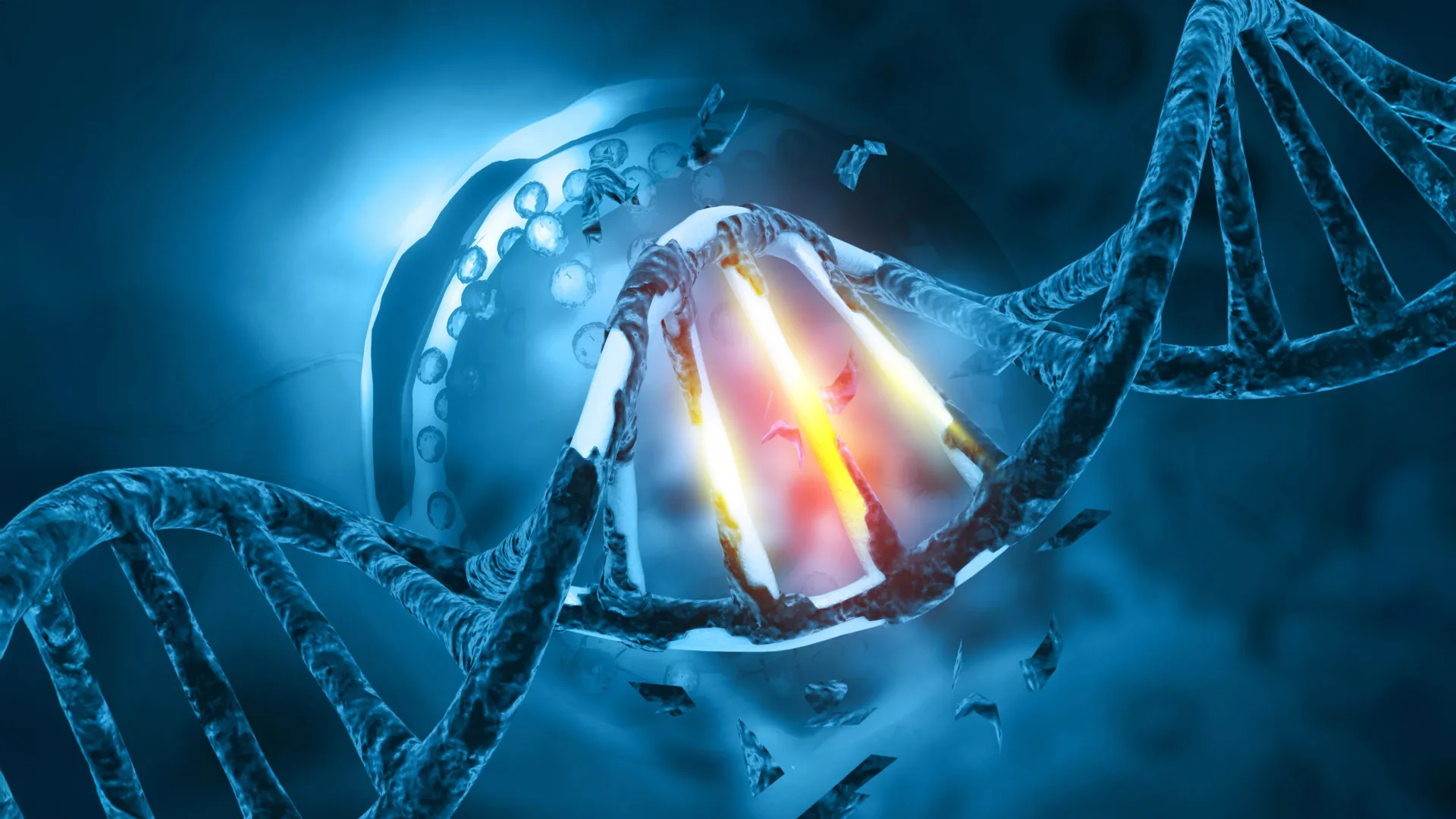
Schiffman’s team discovered that this compound is often present in commercial sucralose products as an impurity resulting from the manufacturing process. Their analysis indicated that this substance could be found in concentrations of up to 0.67% in off-the-shelf sweetener samples. When the researchers exposed cultured human blood cells to this compound in a laboratory setting—an in vitro experiment—they observed clear signs of genotoxicity, or the potential to damage DNA. Furthermore, using a laboratory model of human intestinal tissue, they noted that both sucralose and its metabolite, sucralose-6-acetate, appeared to impair the "tight junctions" of the gut lining, potentially leading to a "leaky gut."
These findings were presented as a serious red flag, with researchers suggesting that the presence of these substances could lead to oxidative stress, inflammation, and even potential carcinogenicity. At the time, the research team called for a wholesale re-evaluation of the safety of sucralose, urging consumers to avoid products containing the ingredient.
Chronology of a Scientific Dispute
The trajectory of the sucralose debate highlights the vital distinction between controlled laboratory experiments and real-world human biology.
- 2018: Early research by Schiffman’s group identified fat-soluble compounds in the urine and feces of rats fed sucralose. At the time, researchers hypothesized that these compounds were metabolites produced by the animals’ bodies, suggesting the sweetener was being chemically altered during digestion.
- 2023: The team identified sucralose-6-acetate as the specific compound of concern. Their subsequent in vitro tests on human cells and intestinal tissue models suggested DNA-damaging potential, triggering global media attention and calls for regulatory action.
- 2025: Research published in Nature Metabolism shifted the conversation toward behavioral and neurological effects. A study of 75 young adults revealed that sucralose ingestion caused increased blood flow to the hypothalamus—a region of the brain involved in appetite regulation—when compared to sugar or water, suggesting that the sweetener might interact with metabolic pathways in ways that differ from caloric sugar.
- 2026 (February): The European Food Safety Authority (EFSA) released a comprehensive reassessment of sucralose. The panel concluded that existing evidence does not support claims of genotoxicity and reaffirmed the acceptable daily intake (ADI) of 15 milligrams per kilogram of body weight.
- 2026 (August): A new study in Food and Chemical Toxicology tested commercial-grade sucralose using standard genetic toxicity protocols. Most results were negative for mutations, though a comet assay detected signals of DNA damage that the researchers ultimately deemed inconclusive due to technical complications.
Supporting Data and the "Threshold" Debate
A central point of contention during the 2023 outcry was the comparison between the detected levels of sucralose-6-acetate and the "Threshold of Toxicological Concern" (TTC). Schiffman argued that the trace amounts found in a single sweetened drink exceeded the EFSA’s screening threshold of 0.15 micrograms per person per day.
However, regulatory experts have cautioned against over-interpreting this metric. A TTC is a conservative screening tool designed to flag substances that require further study; it is not a direct measure of toxicity or a prediction of disease. Exceeding a TTC does not equate to proof that a substance causes DNA damage or cancer in a living human.
Furthermore, the 2026 EFSA review challenged the earlier 2018 assertion that sucralose is significantly metabolized into harmful compounds within the body. The panel noted that the substances identified in the rat studies were likely impurities present in the initial product, rather than products of metabolism. This distinction is crucial: if the chemical is present in the sweetener before it is consumed, the risk profile is fundamentally different from a scenario where the body is actively synthesizing toxins from a benign ingredient.
Official Responses and Regulatory Stance
The European Food Safety Authority remains the most prominent body to have addressed the 2023 findings directly. In its 2026 reassessment, the agency performed a thorough review of the literature, including the data presented by Schiffman. While the panel acknowledged the signals of DNA damage in specific in vitro assays, they concluded that these results lacked relevance when viewed alongside the broader body of animal and human clinical evidence.
The U.S. Food and Drug Administration (FDA) has maintained a similarly steadfast position. The agency notes that its approval of sucralose was based on a rigorous review of more than 110 studies. Current FDA guidance suggests that sucralose remains safe for the general population within established consumption limits. While the agency continues to monitor new research, it has not found sufficient evidence to warrant a reversal of its safety determination.
The Heating Dilemma: A New Area of Inquiry
While the DNA damage concerns have largely been addressed by regulators, the 2026 EFSA review highlighted a separate, unresolved issue: the stability of sucralose under high temperatures.
When sucralose is subjected to prolonged, intense heat—such as in industrial baking or deep-frying—the chlorine atoms within the molecule may potentially rearrange or interact with other ingredients to form new compounds. The health implications of these heat-induced byproducts remain unknown. Consequently, the EFSA declined to approve an expansion of sucralose usage for certain baked goods, citing a need for more research into the chemical transformation of the sweetener during cooking. This serves as a reminder that safety is not a binary status; it is highly dependent on the context of use.
Implications for Public Health and Future Research
The "sucralose saga" underscores the challenges of interpreting modern toxicological research. For the average consumer, the headlines of 2023 were alarming, suggesting that a common household item could be damaging their DNA. However, when those results were placed under the microscope of formal regulatory review, the "genotoxic" signal failed to hold up as a public health threat.
Key takeaways for the public include:
- In-Vitro vs. In-Vivo: Laboratory experiments on cells in a dish (in-vitro) are essential for identifying potential hazards, but they do not account for the complexities of human metabolism, digestion, and the body’s innate repair mechanisms.
- Context Matters: A substance found in a lab culture does not necessarily translate to a physiological impact when ingested at the concentrations typically found in a diet beverage.
- Metabolic Effects are Distinct: While the "DNA damage" theory has been largely mitigated by regulators, questions remain regarding how artificial sweeteners influence appetite, gut health, and glucose regulation. These are legitimate areas of study that are separate from the safety concerns regarding genetic mutation.
- Heating Caution: Consumers and food manufacturers should remain cognizant of the limitations of artificial sweeteners in high-heat applications. Until further research clarifies the nature of heat-induced byproducts, caution in professional and home baking is a reasonable approach.
In conclusion, while the 2023 research successfully pushed the scientific community to re-examine the impurity profiles of commercial sweeteners, the prevailing consensus remains that sucralose is safe for consumption within authorized limits. The saga serves as a case study in the rigorous, often slow, process of scientific verification—a process that separates genuine health risks from theoretical laboratory findings. As research into metabolic outcomes continues to evolve, the public is encouraged to prioritize balanced, evidence-based health information over alarmist interpretations of preliminary data.