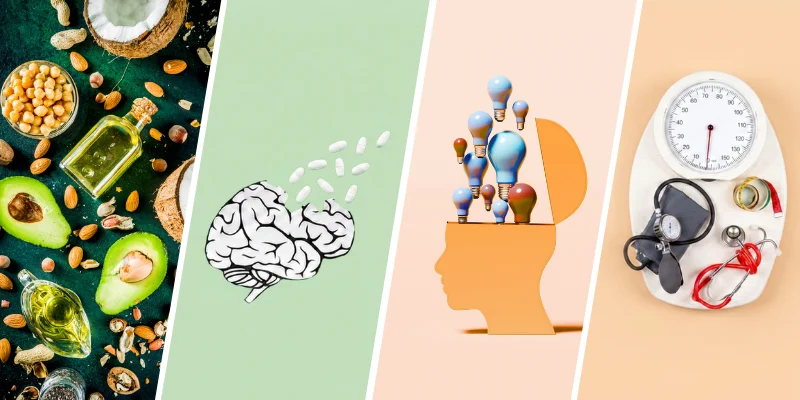
Bipolar disorder has long been categorized primarily as a psychiatric condition defined by the pendulum swing between mania and depression. However, a new wave of multidisciplinary research is fundamentally shifting this perspective, reframing the disorder as a systemic condition that involves metabolic health, neuroplasticity, and cellular energy regulation.
Recent studies published in leading medical journals are providing a clearer picture of how lifestyle interventions like the ketogenic diet, long-standing medications like lithium, and physiological markers like insulin resistance play pivotal roles in managing the disorder. These findings not only offer hope for more effective treatments but also challenge long-held myths regarding the "creative genius" of hypomania and the isolation of psychiatric care.
Main Facts: A Summary of Recent Breakthroughs
The latest research focuses on five critical areas that impact the lives of those living with bipolar disorder:
- Metabolic Therapy: A landmark study suggests that a ketogenic diet can significantly reduce both psychotic and depressive symptoms while improving metabolic markers.
- Cognitive Preservation: New data indicates that lithium, the traditional "gold standard" for mood stabilization, may offer an 18.5 percent lower risk of early-onset dementia compared to other stabilizers.
- The Creativity Paradox: While hypomania increases the quantity of creative ideas, research shows it may actually decrease the quality and execution of those ideas due to impaired impulse control.
- The Insulin-Suicide Link: There is a growing correlation between insulin resistance, brain white matter health, and the risk of suicidal ideation in bipolar patients.
- The Efficacy of Peer Support: Qualitative research confirms that peer-led support groups provide unique benefits that clinical therapy cannot replicate, specifically through shared lived experience.
Chronology: The Evolution of Bipolar Research
To understand the significance of these findings, one must look at the history of bipolar treatment. For much of the 20th century, the medical community focused on the "chemical imbalance" theory, primarily targeting neurotransmitters like serotonin and dopamine.
- The 1950s-1970s: The discovery of lithium’s mood-stabilizing effects revolutionized treatment, moving it away from institutionalization. However, the focus remained strictly on the brain.
- The 1990s-2000s: The introduction of "atypical antipsychotics" provided more tools for managing mania but brought a new set of problems: significant weight gain and metabolic syndrome.
- The 2010s-Present: The "Metabolic Psychiatry" movement began to gain traction. Researchers started noticing that patients with bipolar disorder were disproportionately affected by Type 2 diabetes and obesity. This led to the hypothesis that bipolar disorder might be a "metabolic brain disorder"—a crisis of how the brain uses energy.
This chronological shift from "brain chemistry" to "whole-body metabolism" sets the stage for the current research, particularly the interest in ketogenic therapy and insulin resistance.
Supporting Data: A Deep Dive into the Studies
1. Ketogenic Metabolic Therapy: Beyond Weight Loss
The study published in Schizophrenia Bulletin represents a major milestone. Researchers in California conducted a randomized controlled trial (RCT) involving 58 participants. While the ketogenic diet is often dismissed as a "fad" for weight loss, this study treated it as a medical intervention (Ketogenic Metabolic Therapy).
The data revealed that after just four months, participants on the keto diet showed improved cognition and a marked reduction in hallucinations and depressive episodes. Crucially, the improvement in mood was statistically linked to the state of ketosis—the metabolic state where the body burns fat for fuel—rather than just the resulting weight loss. This suggests that ketones may provide a more stable and efficient energy source for a "leaky" or inefficient bipolar brain.
2. Lithium’s Neuroprotective Edge
While lithium is often feared for its potential side effects on the kidneys, a massive study of 82,000 patients in Taiwan, published in the Journal of Affective Disorders, highlights a significant benefit: neuroprotection.
The study compared lithium to valproate (Depakote). The results showed that lithium users had an 18.5 percent lower risk of developing early-onset dementia. This effect was most pronounced in women and those with healthy kidney function. This data reinforces the theory that lithium helps preserve gray matter and promotes the health of neurons, potentially slowing the cognitive decline often associated with long-term bipolar disorder.
3. Hypomania and the Quality of Creativity
The "tortured artist" trope has suggested for decades that hypomania is the engine of creativity. However, a Finnish study of 468 individuals published in the Journal of Psychiatric Research provides a more nuanced reality.
Using standardized creativity tests, researchers found that while hypomanic traits led to a "higher volume" of ideas (divergent thinking), those ideas were often of lower quality or lacked "convergent" utility. The data pointed to a lack of impulse control as the culprit. In essence, the hypomanic brain prioritizes speed over substance, suggesting that stability, rather than mania, may be the true friend of the working artist.
4. Insulin Resistance and Suicidal Ideation
Perhaps the most sobering data comes from an Italian study in the journal Bipolar Disorders. Researchers analyzed 181 hospitalized patients and found that those with bipolar disorder had significantly higher rates of insulin resistance and inflammation than those with unipolar depression.
The study found a direct correlation: as insulin resistance increased, so did the severity of suicidal ideation. Brain scans of these participants showed "less healthy" white matter, the connective wiring of the brain. This suggests that metabolic dysfunction literally "unplugs" the brain’s ability to regulate mood and impulse, increasing the risk of self-harm.
Official Responses and Expert Insights
The shift toward metabolic psychiatry has drawn responses from leading figures in the field. Dr. Shebani Sethi, a pioneer in metabolic psychiatry at Stanford University, has noted that "the brain is the most energy-expensive organ in the body." Experts argue that if the body’s insulin signaling is broken, the brain is the first to suffer.
Philanthropic organizations like the Baszucki Group have been instrumental in funding this "alternative" research. David Baszucki, CEO of Roblox, and his wife Jan Ellison Baszucki, have become major advocates for ketogenic therapy after seeing its effects on their own son’s bipolar disorder. Their involvement has pushed the National Institute of Mental Health (NIMH) to take dietary interventions more seriously, moving them from the realm of "wellness" into "clinical science."
However, clinicians maintain a note of caution. "Patients should never stop their medication to start a diet," says the editorial team at bpHope. The consensus among experts is that these metabolic interventions should be viewed as "adjunctive therapies"—powerful tools to be used alongside traditional medicine, not as a replacement.
Implications: What This Means for Patients and Providers
The implications of this research are far-reaching and suggest a new protocol for the treatment of bipolar disorder.
For Patients:
- Diet as Medicine: The "keto" finding suggests that what a patient eats is not just about physical appearance but about brain fuel. Patients may need to work with "metabolic psychiatrists" or specialized dietitians to manage their symptoms.
- Monitoring Metabolic Markers: Regular blood work should look beyond just lithium levels. Monitoring A1C, insulin levels, and inflammation (CRP) may be just as important for preventing mood episodes and suicidal thoughts.
- Redefining Creativity: Understanding that hypomania produces "noise" rather than "quality" can help patients value stability. It encourages the use of routines and "groundedness" to produce better creative work.
For the Medical Community:
- Integrated Care: The link between insulin and suicide risk demands that psychiatrists work closely with endocrinologists. A patient’s mental health crisis may actually be a metabolic crisis.
- Preservation of Cognition: The lithium-dementia link may lead to a resurgence in lithium prescriptions, provided kidney health is monitored. It positions lithium not just as a mood stabilizer, but as an anti-aging drug for the brain.
- Peer Support Integration: With evidence showing that peer groups reduce the "clinical" feel of treatment and increase adherence, more hospitals and clinics may begin to officially fund and facilitate these groups as part of standard care.
Conclusion: A New Era of Bipolar Care
The narrative of bipolar disorder is being rewritten. We are moving away from a world where "mental" and "physical" health are treated in separate silos. The emerging data tells us that the brain and the body are one interconnected system; a spike in blood sugar can lead to a spike in suicidal thoughts, and a change in dietary fat can quiet the voices of psychosis.
While the research into ketogenic therapy and metabolic markers is still maturing, the message is clear: stability is found through a holistic approach. By combining the neuroprotective power of traditional medications like lithium with the metabolic precision of modern science and the social support of peer communities, those living with bipolar disorder have more tools than ever to achieve not just "management," but true wellness.
Disclaimer: If you or a loved one is experiencing significant distress or having thoughts about suicide, call or text 988 to reach the 988 Suicide & Crisis Lifeline, available 24/7. Always consult with a medical professional before making significant changes to your diet or medication regimen.