
Main Facts: A Nation in Psychological Distress
While the physical toll of the COVID-19 pandemic has been measured in infection rates and hospitalizations, a parallel "shadow pandemic" of mental health struggles has quietly taken hold across the United States. According to the latest longitudinal data, the American psychological landscape has undergone a seismic shift, characterized by record-high rates of depression, anxiety, and suicidal ideation.
The data is stark: nearly one in three Americans now reports symptoms of depression that would typically necessitate clinical intervention. This represents a three-fold increase from pre-pandemic levels. Perhaps most concerning is the demographic distribution of this distress. While the virus posed the greatest physical risk to the elderly, the psychological burden has fallen disproportionately on the shoulders of young adults and children.
Experts from the nation’s leading research institutions, including Harvard, Northeastern, and the Children’s Hospital of Philadelphia (CHOP), warn that the country is facing a mental health infrastructure deficit. With 28% of the population exhibiting clinical depression and nearly a quarter of respondents in recent surveys admitting to thoughts of suicide, the "return to normal" remains an elusive concept for millions. The crisis is no longer just a byproduct of lockdown measures; it has evolved into a persistent public health emergency that threatens the long-term stability of the American workforce and the developmental health of its youth.
Chronology: From Acute Shock to Chronic Strain
To understand the current state of American mental health, one must examine the trajectory of psychological distress since the early months of 2020.

Pre-Pandemic Baseline (Prior to March 2020)
Before the emergence of COVID-19, the prevalence of moderate-to-severe depression in the U.S. hovered around 8% to 9%. While mental health conditions were already on a slow upward trend, the healthcare system operated under a strained but functional equilibrium.
The Initial Surge (March 2020 – June 2020)
As the first wave of lockdowns commenced, rates of anxiety and depression spiked almost immediately. By late June 2020, data showed a "low" point for the pandemic era at 25%—still nearly triple the pre-pandemic average. This period was defined by acute stress related to the unknown nature of the virus and the sudden loss of social structures.
The Winter Peak (December 2020)
The mental health crisis reached its zenith in late 2020. A combination of "pandemic fatigue," seasonal affective disorder, and a massive winter surge in COVID-19 cases drove depression rates to a staggering 30%. During this period, anxiety rates also hit their peak at 28%. This was the most precarious moment for the nation’s psychological well-being, as holiday isolation compounded the economic and health fears of the previous nine months.
The Uncertain Plateau (2021 – Present)
As vaccines became available and the economy reopened, many expected a rapid rebound in mental health. However, the data suggests a "sticky" recovery. By mid-2021, depression rates had only dipped slightly to 28%, remaining far above historical norms. This suggests that the pandemic has caused structural changes in the American psyche, moving from acute trauma into a state of chronic, prolonged distress.
Supporting Data: Demographics of a Crisis
The COVID States Project—a collaborative research effort between Northeastern, Harvard, Northwestern, and Rutgers Universities—provides the most comprehensive look at who is suffering most.
The Vulnerability of Young Adults
The survey found a startling generational divide. Young adults (ages 18-24) are the hardest hit, with 42% meeting the criteria for at least moderate depression. This is followed by:
- Ages 25-44: 32% reporting depression.
- Ages 45-64: 20% reporting depression.
- Ages 65+: 10% reporting depression.
David Lazer, a professor of political science and computer sciences at Northeastern, notes that the "dynamic" nature of young adulthood makes this group particularly susceptible. Unlike older adults who often have established careers and homes, young adults are in a state of flux—finishing education, entering a volatile job market, and attempting to form foundational social bonds. The pandemic effectively "paused" these critical life milestones, leading to a sense of hopelessness and lost time.
The Pediatric Emergency
The crisis extends deep into the pediatric population. A study published by researchers at the Children’s Hospital of Philadelphia (CHOP) analyzed emergency department (ED) patterns during the pandemic. While overall ED visits for physical injuries and illnesses actually decreased as people stayed home, the proportion of visits for mental health emergencies rose significantly.
Furthermore, the severity of these cases has intensified. A higher percentage of children presenting at the ED now require immediate hospital admission for psychiatric stabilization than in the years preceding 2020. Dr. Polina Krass, a pediatrician at CHOP, emphasizes that this is not a new trend, but rather an acceleration of a pre-existing shortage in pediatric mental health care.
Racial and Socioeconomic Inequities
The data also highlights "stark inequities" in how mental health support is accessed. Minority communities, which bore a disproportionate share of the pandemic’s physical and economic brunt, face the highest barriers to care. Structural factors, including systemic racism and community violence, act as "social determinants" that exacerbate the psychological toll of the virus in these populations.
Official Responses: Expert Perspectives on Recovery
Federal health officials and academic leaders are now grappling with how to pivot from emergency response to long-term care.
The National Institute of Mental Health (NIMH)
Susan Borja, Chief of the NIMH’s Dimensional Traumatic Stress Research Program, offers a nuanced view of the recovery process. She suggests that while the numbers are high, human beings possess a significant degree of "natural recovery" capability.
"Most people who are exposed to a mass disaster or widespread traumatic event will experience some symptoms initially," Borja explains. "Natural recovery is the norm, but a significant minority may continue to experience symptoms." The challenge for the NIMH is identifying that "significant minority" before their symptoms transition into permanent disability. Borja views the current situation as a continuum, where many people are "impaired" but not yet "diagnosed," representing a massive group in need of sub-clinical support.
The Academic Warning
Researchers like Dr. Polina Krass are less optimistic about natural recovery without systemic intervention. She argues that the "shortages in access to mental healthcare" that existed in 2019 have now reached a breaking point. Her advocacy focuses on the need for increased funding for research and the broadening of the "care continuum" to ensure that an emergency room visit isn’t the only way a child can receive help.
Implications: Policy and the Path Forward
The enduring nature of this crisis has forced a reckoning in Washington D.C. and state capitals across the country. There is a growing consensus that mental health can no longer be treated as a secondary concern to physical health.
Legislative Action: S. 1902
One of the most promising policy responses is the Behavioral Health Crisis Services Expansion Act (S. 1902). This federal bill aims to:
- Standardize Care: Establish a universal set of standards for behavioral health crisis services.
- Universal Access: Ensure services are available to all individuals regardless of their ability to pay or their geographic location.
- Infrastructure Investment: Fund mobile crisis teams and stabilization centers to divert mental health patients away from jails and emergency rooms.
The "Silver Lining"
Susan Borja points out that if there is a silver lining to the pandemic’s toll, it is the destruction of the stigma surrounding mental health. "There is increased recognition of the importance of mental health and a general awareness that mental health is a significant part of public health," she states. This cultural shift may provide the political will necessary to pass landmark legislation that has languished for decades.
Individual Agency and Coping
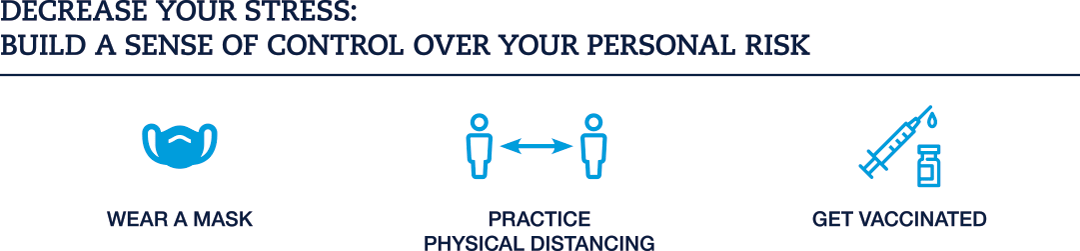
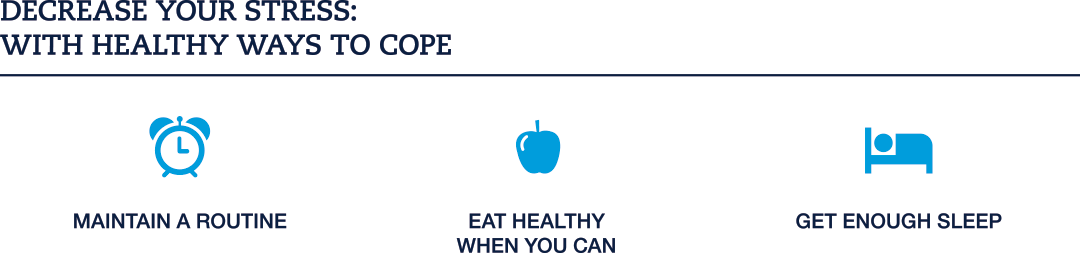
On an individual level, health experts are emphasizing "active recovery." Borja suggests that regaining a sense of control is the most effective way to combat pandemic-related trauma. This includes:
- Predictability: Maintaining strict routines for sleep, exercise, and nutrition.
- Civic Engagement: Participating in public health measures (like vaccination or community volunteering) to foster a sense of agency over the environment.
- Early Intervention: Seeking help when symptoms first appear rather than waiting for a crisis.
Conclusion
The data collected over the last two years confirms that the United States is in the midst of a generational mental health crisis. With 28% of the population struggling with clinical depression and young adults facing unprecedented levels of despair, the "shadow pandemic" will likely outlast the virus itself.
However, the intersection of alarming data and increased public awareness has created a unique window for systemic change. Whether through the passage of the Behavioral Health Crisis Services Expansion Act or the restructuring of pediatric care, the goal is clear: to move beyond simply surviving the pandemic and toward a society that treats mental well-being as a fundamental pillar of the public interest. As Dr. Krass concludes, "There is a lot of work to be done. I hope we can leverage this moment to start to make constructive changes."